
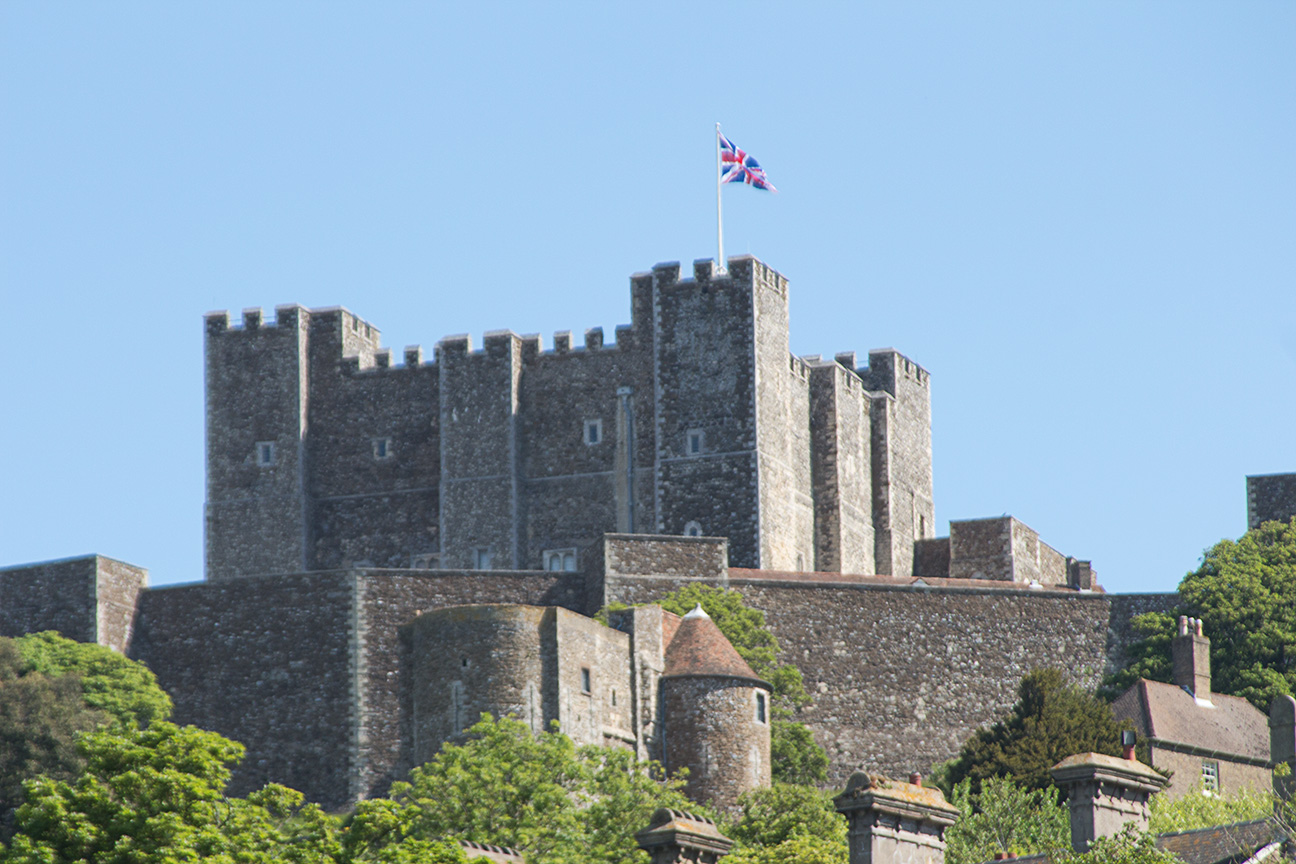
I left Dover at noon today as I have so many times before, the first time being in 1968. But the last time I saw the white cliffs of Dover was on television, over Nigel Farage’s shoulder, the cold one he wants us to turn on the European Union which has effectively employed him since 1999 – currently earning £78,000 per year, plus expenses. He was sailing away for some reason or other, and failed to make as much as I expected of the fact that the cliffs were, and always had been, white. I had just passed beneath the imposing Dover Castle, built originally by William the Conqueror to cement his hold on the English he had vanquished at the Battle of Hastings. Adolf Hitler had his eye on the castle for his headquarters when his troops repeated that history. Perhaps UKIP could lease it if they get their way in the referendum.
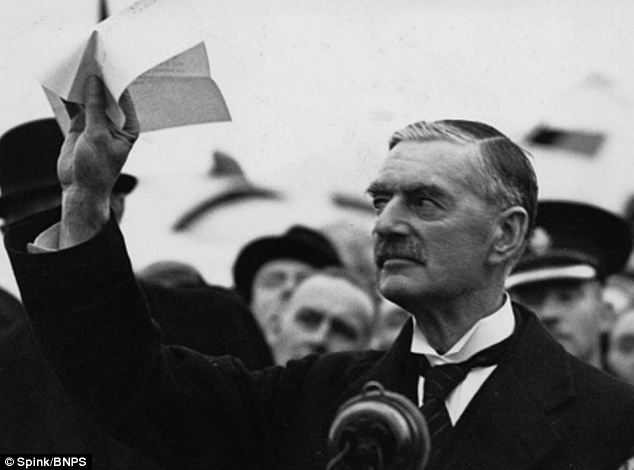
I decided not to cross from Dover to Calais, but to Dunkirk, which, exactly 75 years ago, witnessed the last time we Brits had to run away from Europe. That ignominious retreat has, in an early example of the British talent for spin-doctoring, been transformed into a miraculous salvation, engendered by the indomitable spirit of the hundreds of fishing and pleasure boats which braved the Channel to rescue our routed army. They were still talking of it with pride when I was a boy holidaying in Dartmouth in the 1950s. But Churchill, only just appointed Prime Minister at the time of Dunkirk, had rightly said: “We must be very careful not to assign to this deliverance the attributes of a victory. Wars are not won by evacuations.” Would that the Tories understood this, though it is notable that Boris has been studying his Winston, waiting impatiently in the wings in the hope that Cameron returns – like Chamberlain – from Europe with a meaningless piece of paper which should prefigure his demise.
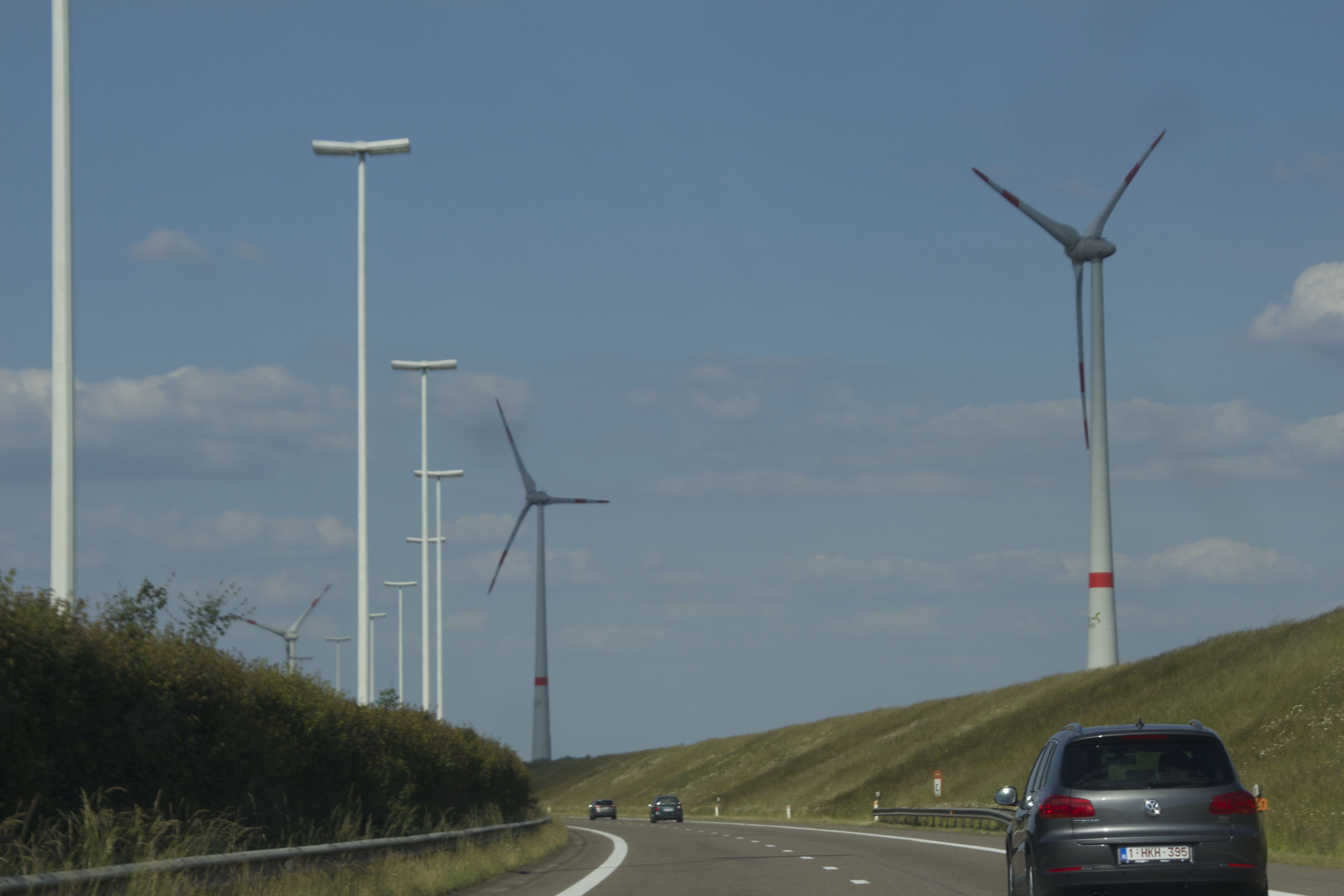
From Dunkirk it is only twenty miles – twenty minutes – to Belgium which, thanks to the EU’s Schengen Treaty enacted in 1992, I enter without border controls or even slowing down. Western Belgium seems largely full of cattle farms, with every other field sporting at least one or two cows, if not a large herd. They are mainly, predictably Holstein Friesian (for the cow blind, that’s the black-and-white variety) and not only do they pepper the landscape but they give the air a distinct effluvium clearly perceptible on the autoroute. Eastern Belgium seems to specialise in wind farms – there’s a connection there – with gigantic turbines striding across the road waggling their long arms. Towards the end of my drive this afternoon I passed a town called Aarschot. After four hours in the driving seat, it captured my feelings perfectly.
Where more appropriate to stay on the first night of this trip than Maastricht, at the southern tip of the Netherlands, where the Treaty which turned the old EEC into the European Union was signed in 1991? John Major’s slender majority in 1992 was constantly threatened by the Eurosceptic wing of the Tories, the so-called Maastricht Rebels, including the three Cabinet colleagues he famously called “bastards”, unaware that ITN still had him on mic. One can only hope that similar delicious moments be visited upon our current prime minister in the next year or two. Here’s a thought. If we vote to leave Europe, will that involve a Maastricht-omy?
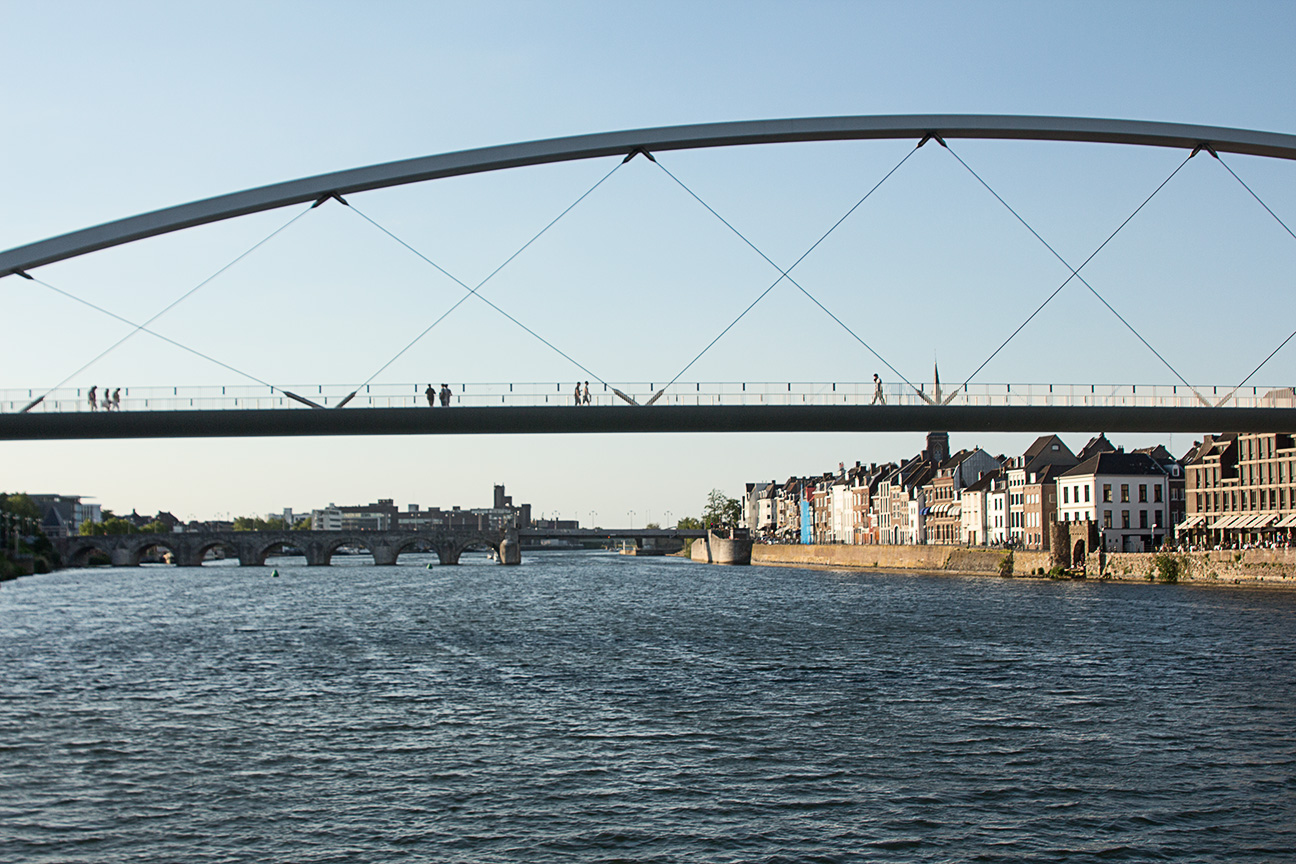
Maastricht is a small, obviously wealthy university town. I spent a pleasant evening plodding the streets, finding little to attract me in the pavement cafes and restaurants peddling what generally looked like over-priced Dutch stodge. I eventually settled on a recommended Indonesian restaurant, only to be told, in that classic north European fashion, that the kitchen had just closed, at 9pm! Thinking that might be the same everywhere, I then happened upon a lovely little French restaurant staffed by young people keen to serve. This isn’t a gastronomic tour, but I will give a shout out when it is deserved, and the Bouchon d’en Face at Wyckerbrugstraat 54 does merit a mention, for well-presented Lyonnais bistro-style food, with French music and nice touches, like those cork-topped tubs of Camargue salt on the table. My charming waitress Iris translated for me the Dutch quotation which wrapped the cutlery:
Food is an emotion
It brings your life some colour
It brings people together
It adds something
Definitely in a bouchon
Iris is a student doing a Masters in Business Administration, who says she likes small towns like Maastricht, but clearly not small minds. For her, Britain is a small, self-obsessed island off the coast of Europe with no great relevance. I suspect I shall encounter many more Europeans who express a similar view.
 peterleewright.com