

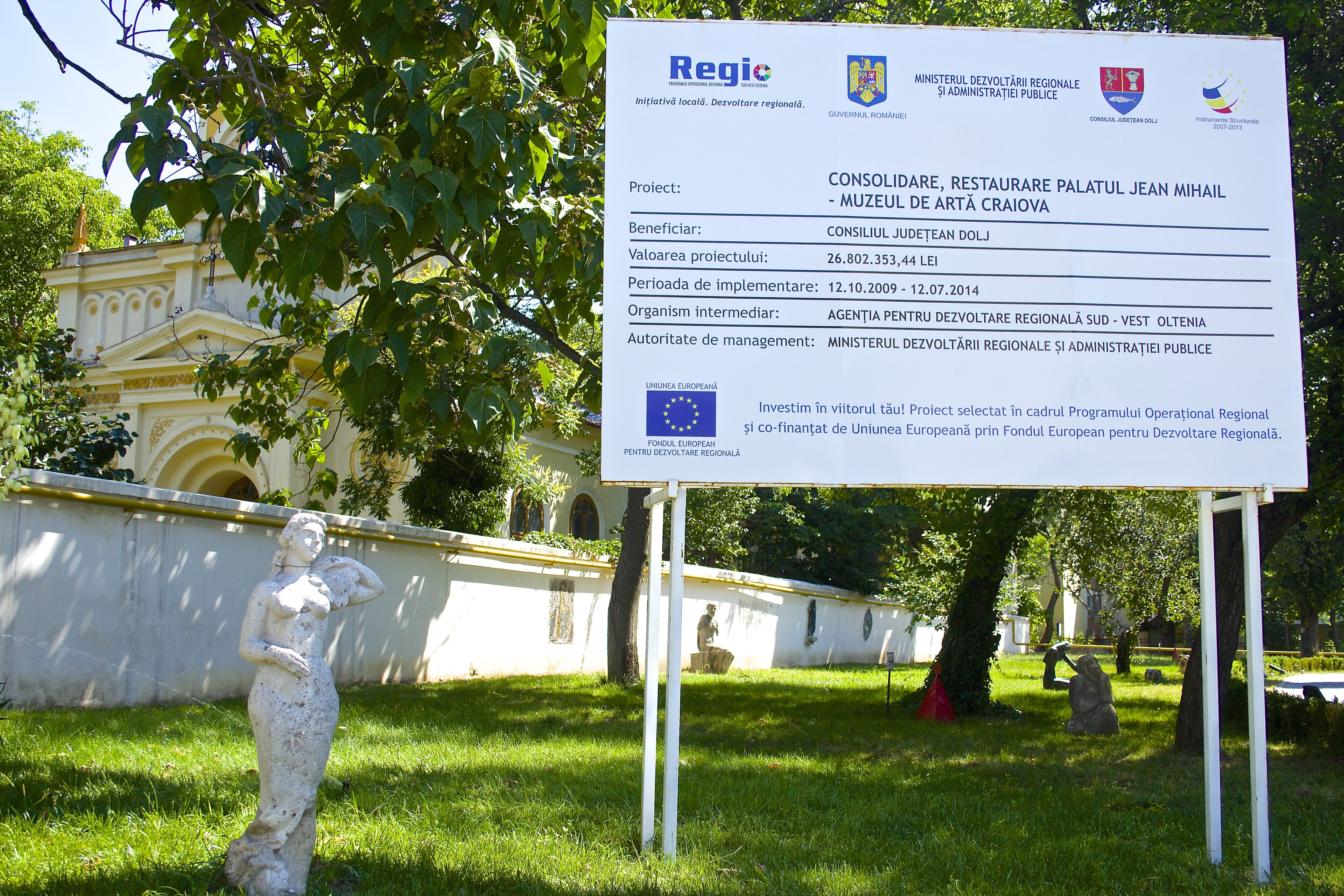
I stayed in Craiova because it was en route to Bucharest, but stayed on to catch the Art Museum in the morning, since I had arrived too late to gain admission. This rococo, hundred-year old former palace had hosted royalty and a variety of historical events, including the signing of the Treaty of Craiova in 1940, which returned Southern Dobruja to Bulgaria, which had been ceded to Romania in the Treaty of Bucharest in 1913. (A former civil servant tells me that the Bulgarians still fear Romania wants the land back. They don’t. They are much more interested in the former Romanian land to the north, in Moldova and Ukraine!) As a result 100,000 Romanians had to relocate. Tito also arranged the liberation of Yugoslavia and Belgrade from this place, so the large amount of EU money spent on its restoration was an investment in historical preservation as much as in artistic presentation.
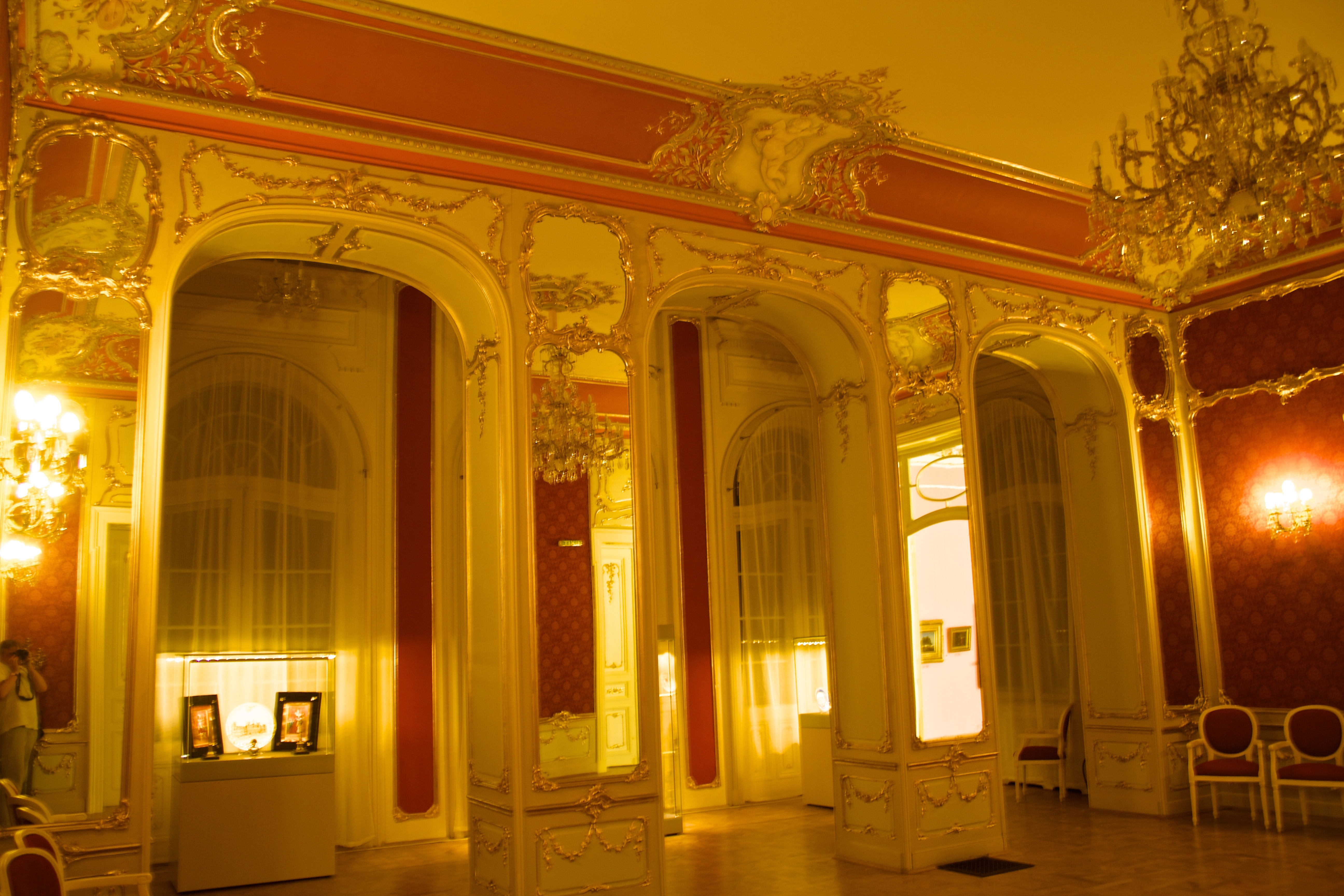
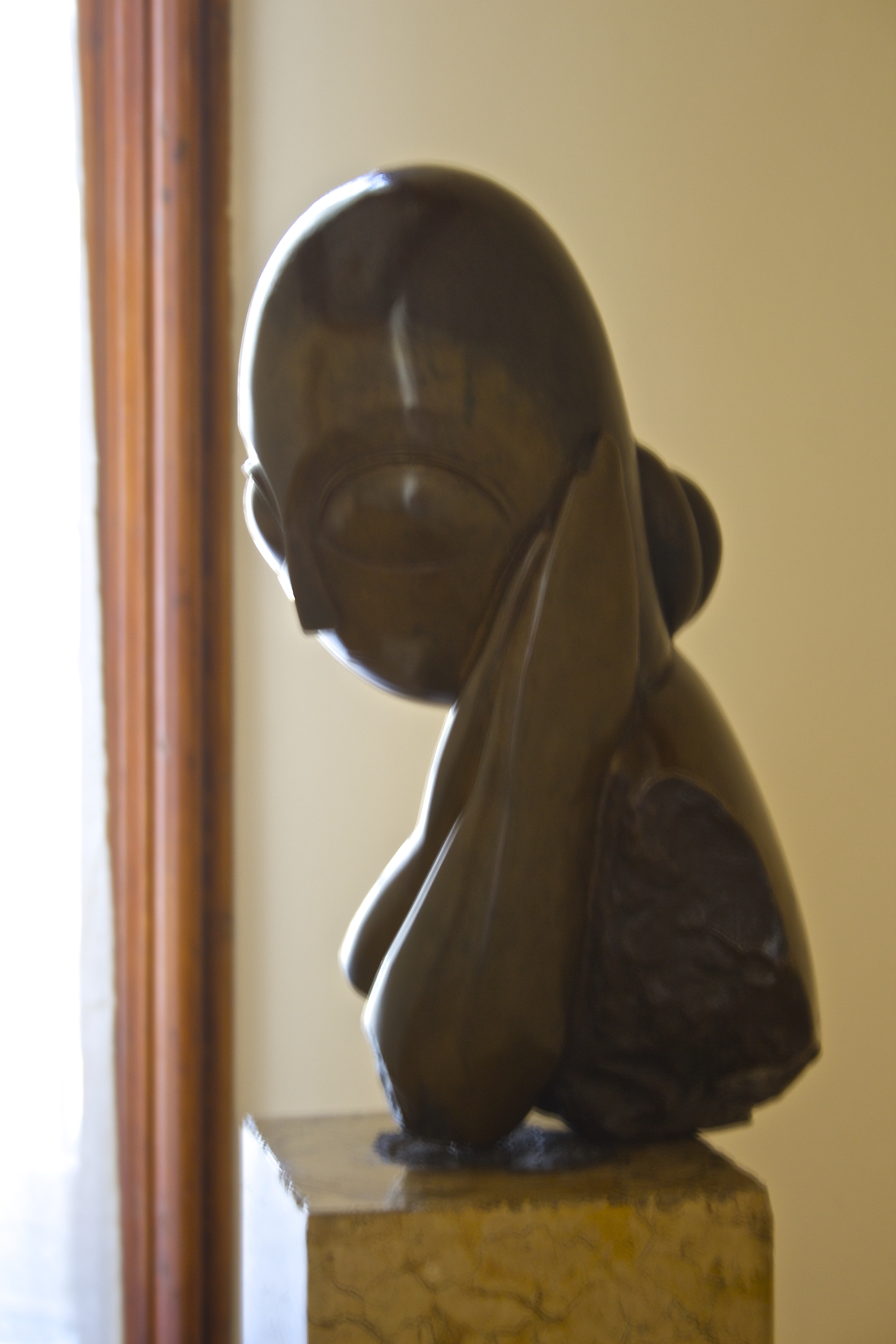
Indeed the building, with its lavish new application of gold leaf, is more spectacular than most of the exhibits. There is a lot of second rate Italian C16th –C18th Italian art, C17th-19th Dutch art and C19th French art. Several Romanian artists are give rooms of their own, of which arguably the best is local boy Theodor Aman (1831-1891), whose portraits, particularly of strong older women are good. Elsewhere, there are portraits of ugly women and even more ugly paintings of women. The real reason to visit are the few works of regional hero Constantin Brancusi (1876-1957), a wonderful sculptor I first encountered at the Scottish National Gallery of Modern Art retrospective in Edinburgh in 1972. They have one of his most famous sculptures of The Kiss and Madame Pogany: 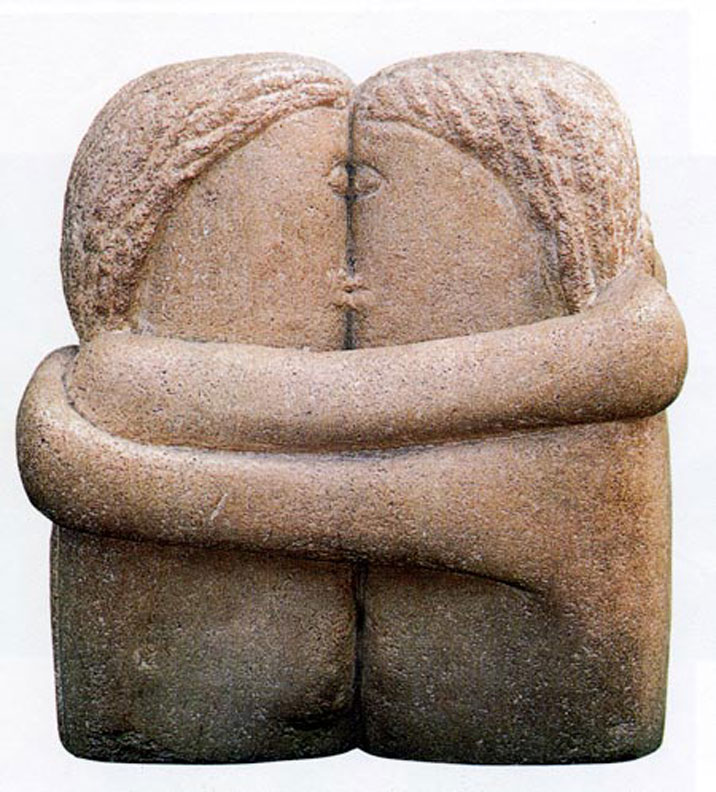
But what caught my attention this time was some of his earlier work, including a classical sculpture of the Roman Emperor Vitellius and – eat your heart out Damien Hirst – a stripped down full-size anatomical sculpture called Ecoseu, which predates Hirst’s Hymn by nearly a hundred years. 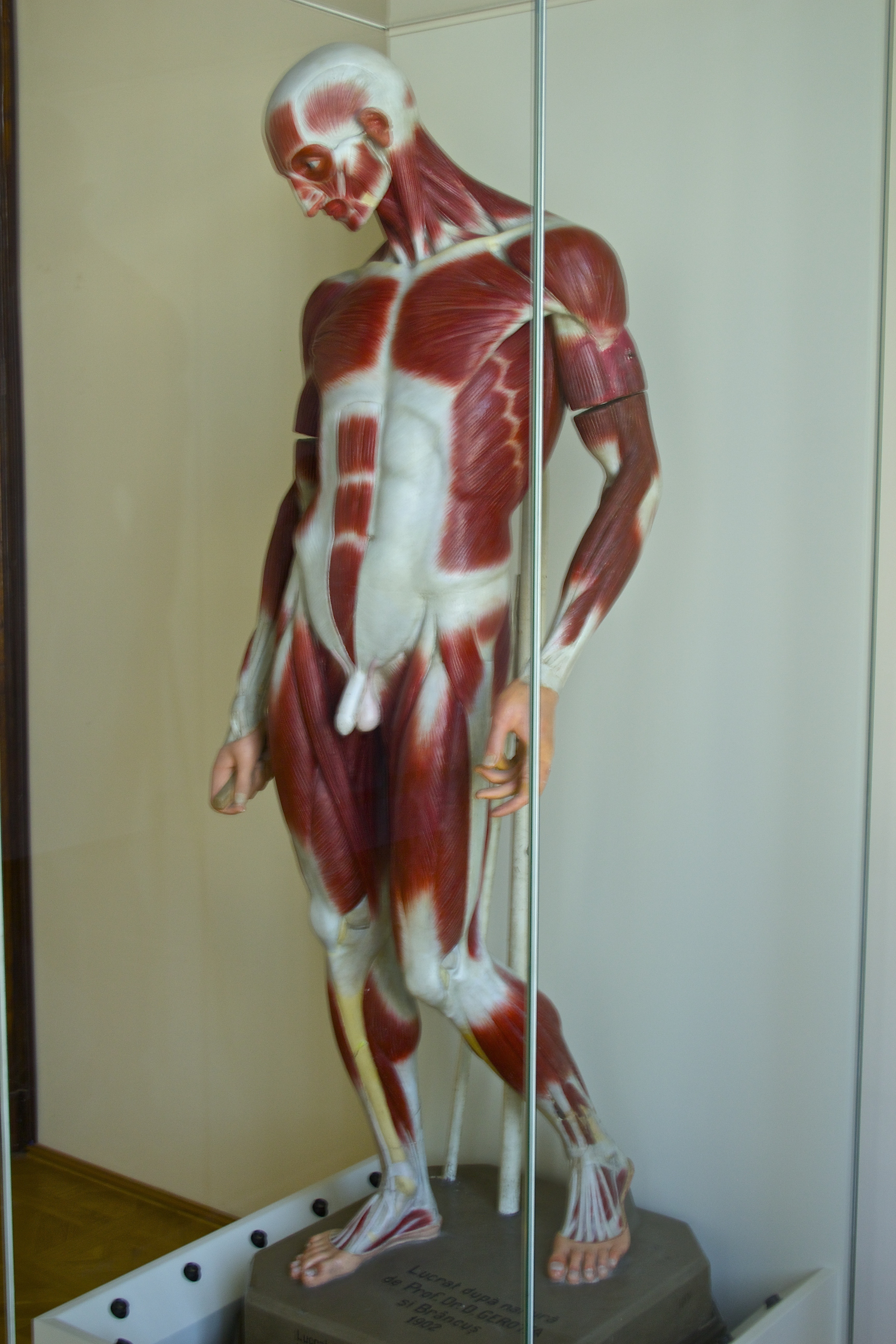
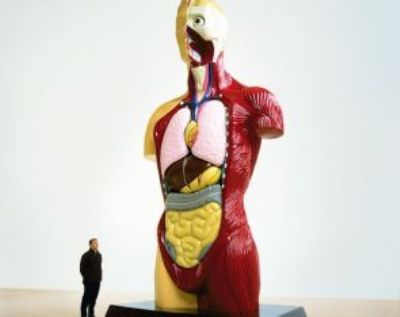
I am minded to adapt Tolstoy’s famous Anna Karenina line and say that “Great art is all liked; every unhappy effort is unhappy in its own way”. I won’t show you the worst of what I mean.
Craiova is nearly a hundred miles from the nearest motorway, so I had plenty of time to look out through the insect graveyard of my windscreen. Why is it that the entomological motor massacre builds exponentially as the heat does? Anyway, Romania gave me three sights I had not enjoyed up to now:
(i) A prostitute dolled to the nines working the open road in the noonday sun miles from the nearest town. How do I know? I didn’t get secondary sourcing for this story, nor a rate card. Trust me. It took me back to Middlesborough.
(ii) Old peasant ladies trying to hitch-hike on the motorway as traffic thundered past at 130kph+. Their sheltering from the sun beneath bridges made them almost invisible until it was too late.
(iii) Three successive motorway bridges with horse-drawn carts slowly plodding overhead as the 21st century flashed by beneath. This is the perfect image of Romania’s accommodating the old and new – which I failed to capture due to driving and those damned dead flies.
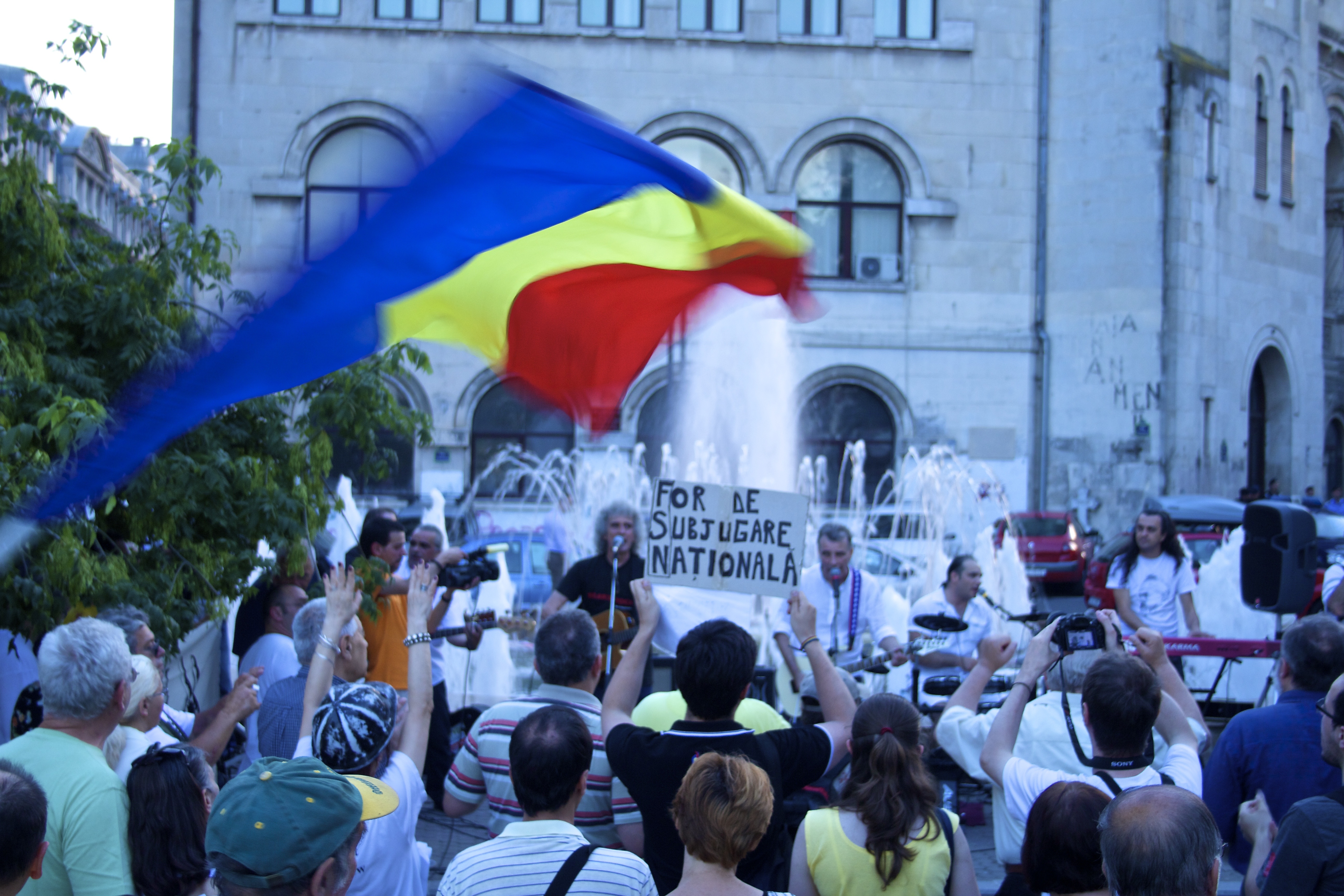
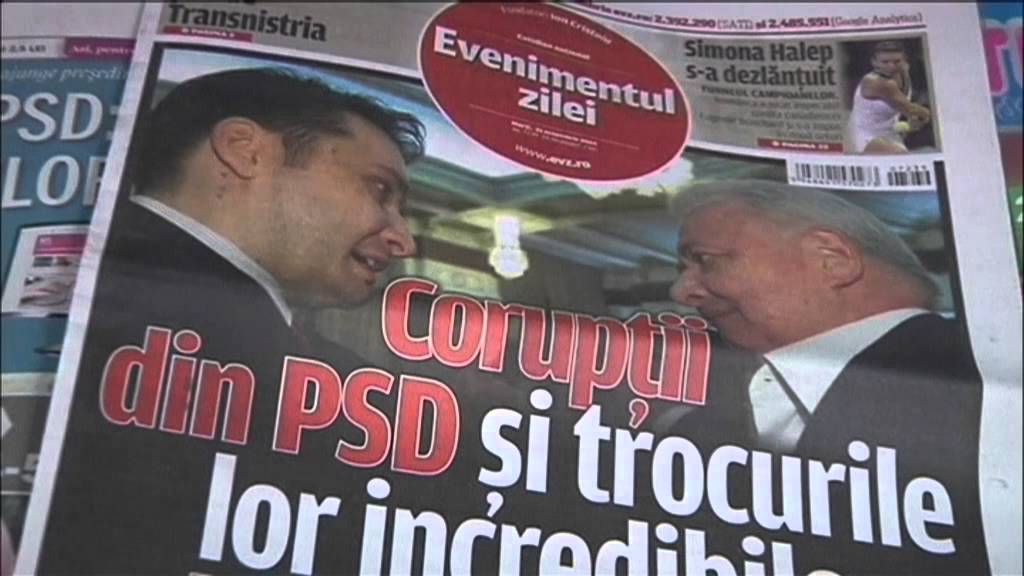
I arrived in Bucharest on the 25th anniversary of the 13th June 1990 events, when a peaceful anti-government demonstration was broken up, with several fatalities, by miners bussed in by the newly elected FSN (ex-Communist) government, an ironic inversion of Britain’s miners’ strike of 1984. Today, good-hearted song relived the évènements, but the tragedy of a revolution that initially betrayed its supporters clearly still leaves a bitter taste. And this week, the Romanian news has led on a corruption scandal which threatens the government. The country’s National Anti-Corruption Directorate has officially opened a criminal investigation against Prime Minister Victor Ponta over charges including tax evasion, money laundering and conflict of interest. President Klaus Iohannis and opposition parties are calling for Ponta’s resignation, which comes as no surprise because Johannis beat Ponta in last year’s presidential election. There are some who believe that this may yet root out corruption and herald a fresh new beginning, but there are also some who believe this of FIFA.
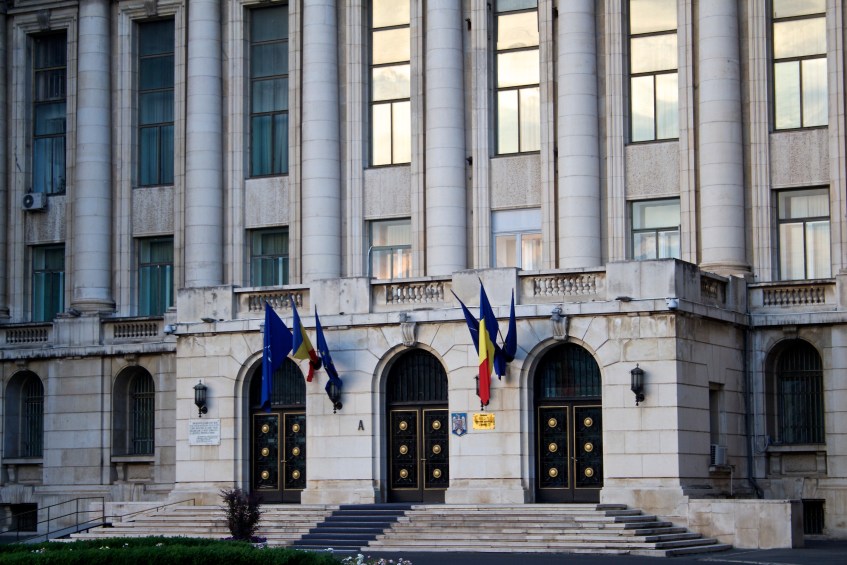
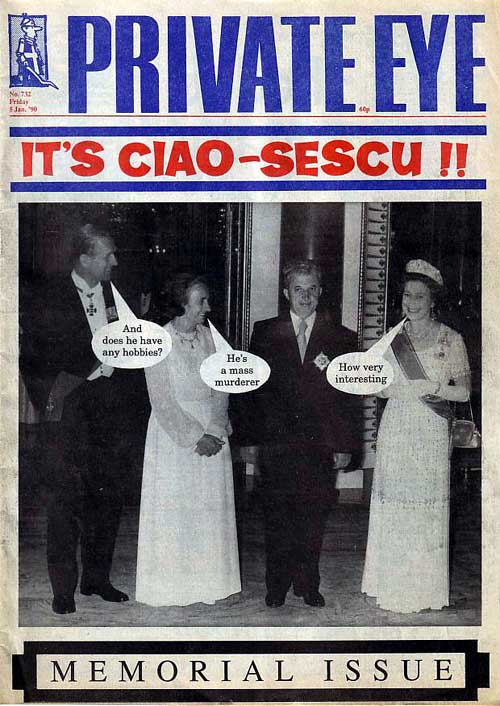
While I am in tragedy tourism mode, this is the balcony of the Central Committee building where then President Nicolae Ceasescu made his final annual speech to the 80,000 bussed in party faithful on December 21st 1989. Except that only the front rows dutifully applauded and the rest began to jeer, boo, whistle and chant “Timisoara” where, four days before, he had had the security forces fire on a demonstration. He told them to sit down and offered them a 100 lei pay rise, but to no avail. His security people had to usher him off the balcony. I remember watching this on BBC TV News, transfixed. Ceasescu and his wife escaped by helicopter, but were soon captured. On Christmas Day, they were summarily tried and convicted by a special military tribunal on charges of genocide and sabotage of the Romanian economy and then he and his wife were shot by a firing squad. The day before, the British government hastily stripped him of the honorary knighthood the Queen had bestowed upon him in 1978.
 peterleewright.com