
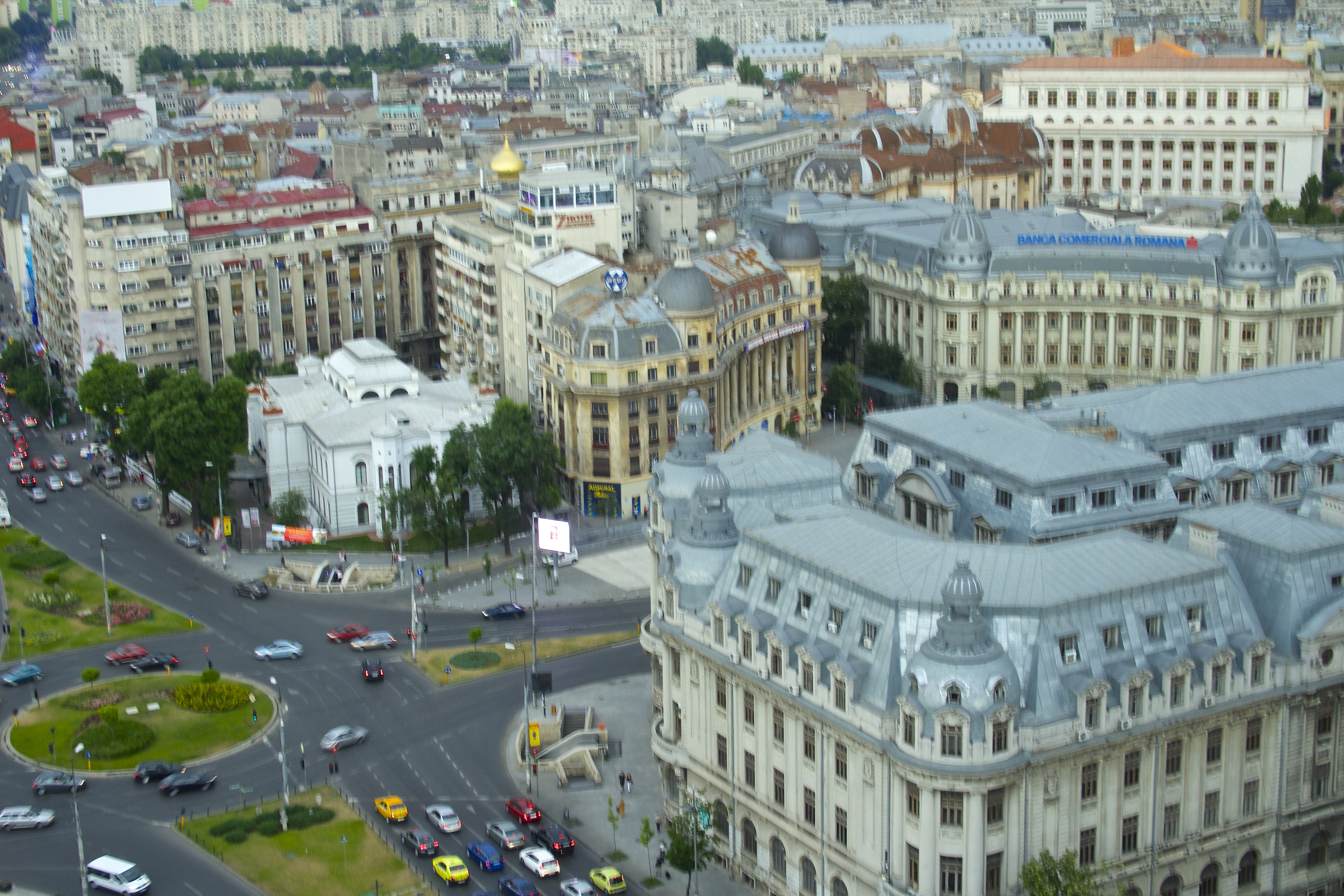
Fighting to escape Bucharest this morning, I realise I have little inkling what it is like to actually live here. For starters, it took me ten minutes with the help of the manager of the Z Hotel (the sticking up modern building top centre above) to persuade some drivers to move their cars from completely blocking off my exit. Street parking is so competitive and unregulated that hundreds of touts illicitly claim sites and attempt to sell them to you, furiously flagging you down even when you are not looking to park. Then the boulevard north out of the centre, which had flowed relatively freely all weekend, was virtually gridlocked and I had to find an alternative route east out of town. And, as a part-time luddite, I am travelling without satnav, preferring maps and compass.
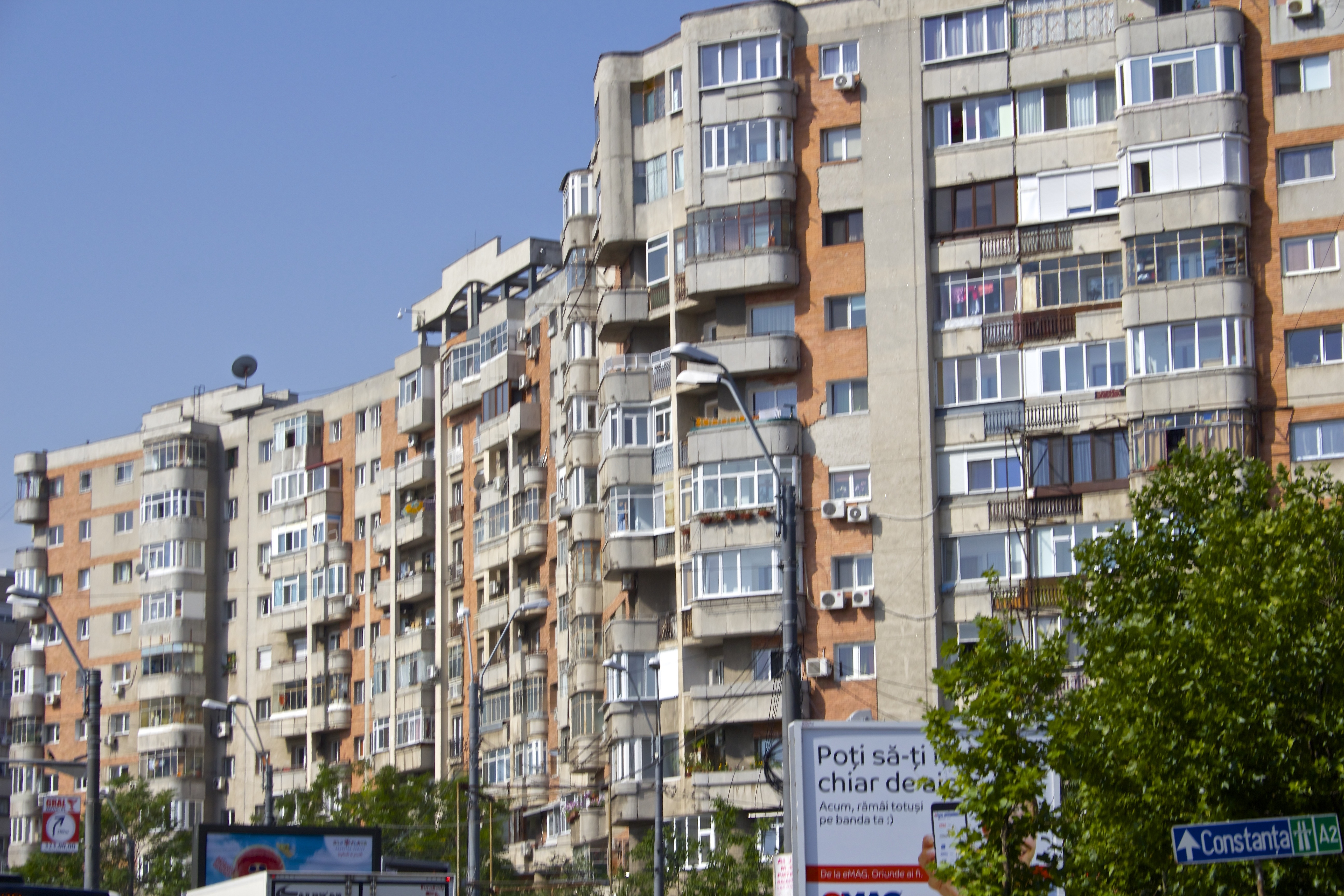
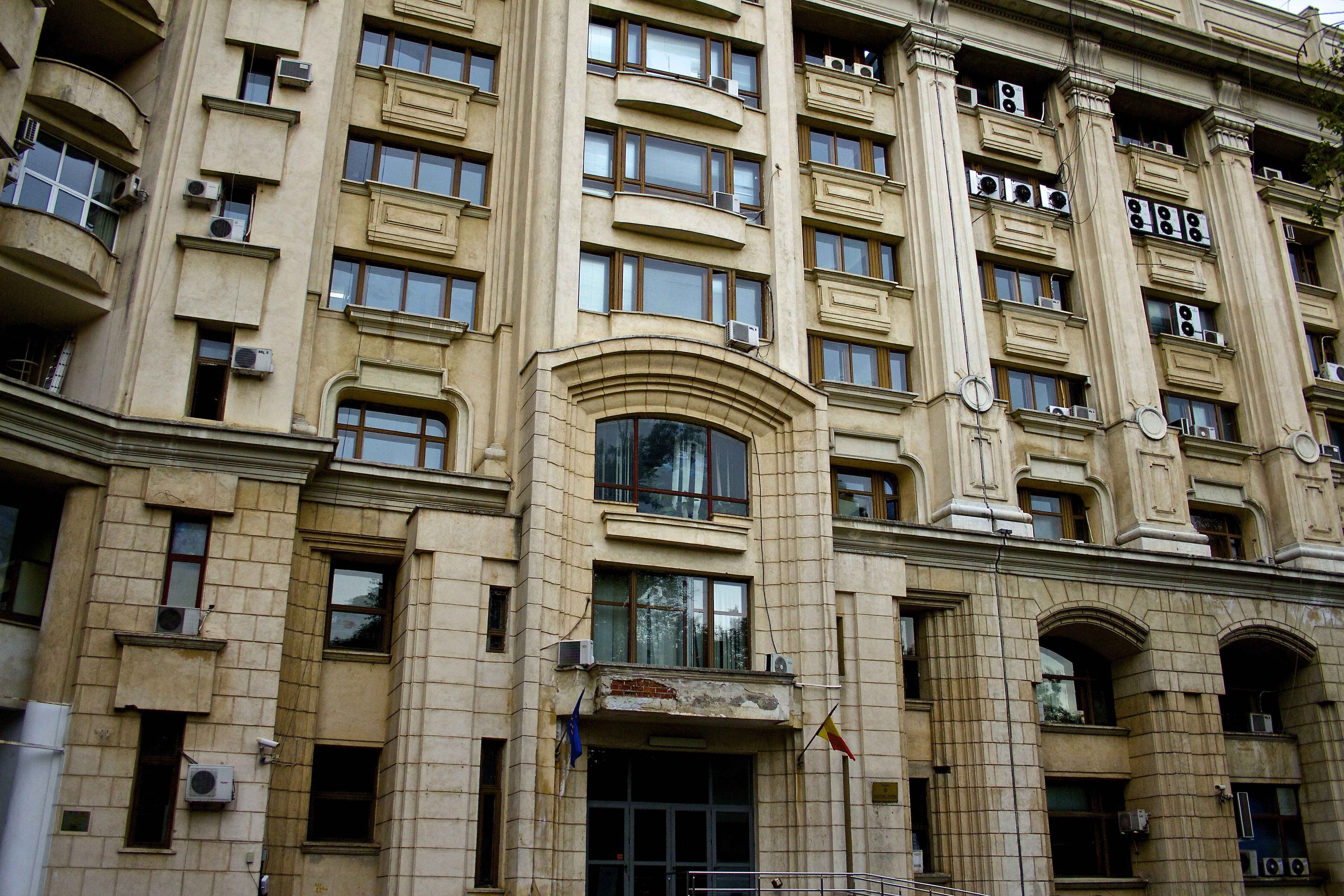
The main roads in and out of Bucharest are lined with mile upon mile of these grim Soviet-style apartment blocks, ten or twelve storeys high, in which a large proportion of the working population live. I am sure that people can turn the harshest box into a good home, but the sheer relentlessness of these edifices makes Newcastle’s Byker Wall look like a small village. Even the government zone around the Palace of Parliament, clearly intended to be a mixture of government offices and desirable residences – the Ministry of Justice is here now (below right) – has all the civilised comforts of the Paris banlieux.

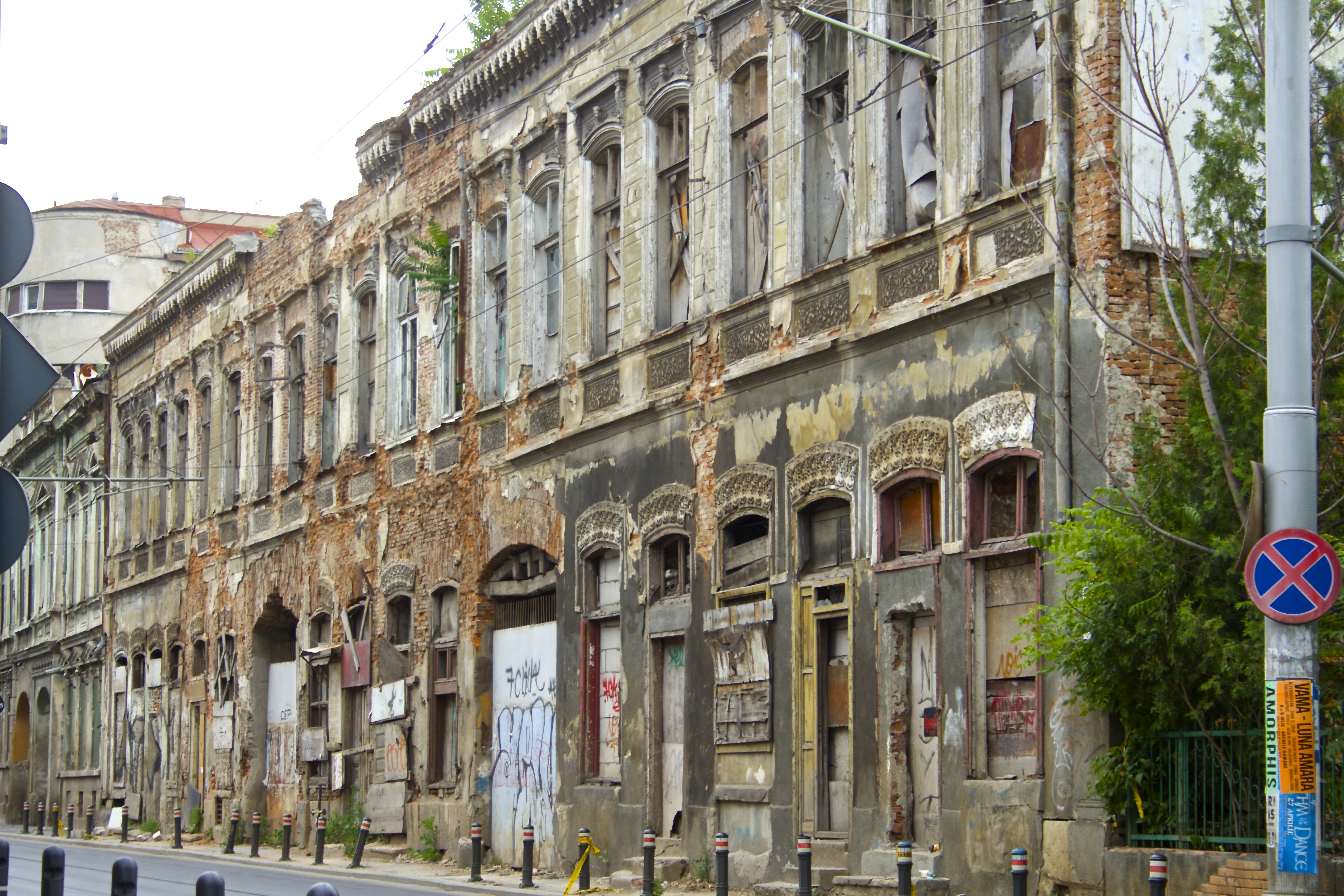
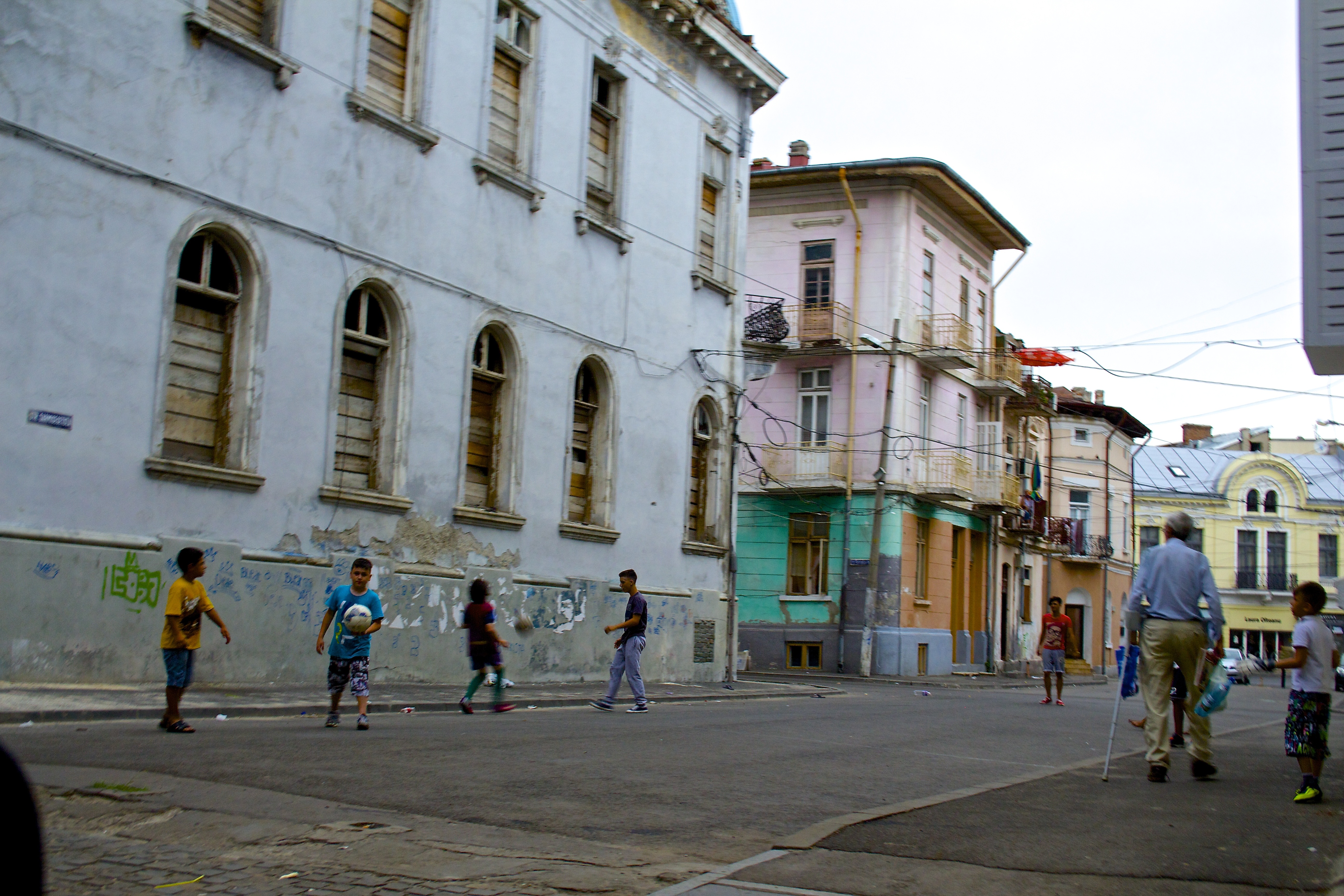
And once you stray out of the central tourist zone, such older housing that did escape war, earthquake and communism, is rundown and reminds me of the worst of Detroit or Belfast, when I filmed in these places in the last century. At least kids still get to kick a ball about, if having to watch out for the rickety trams trundling through.
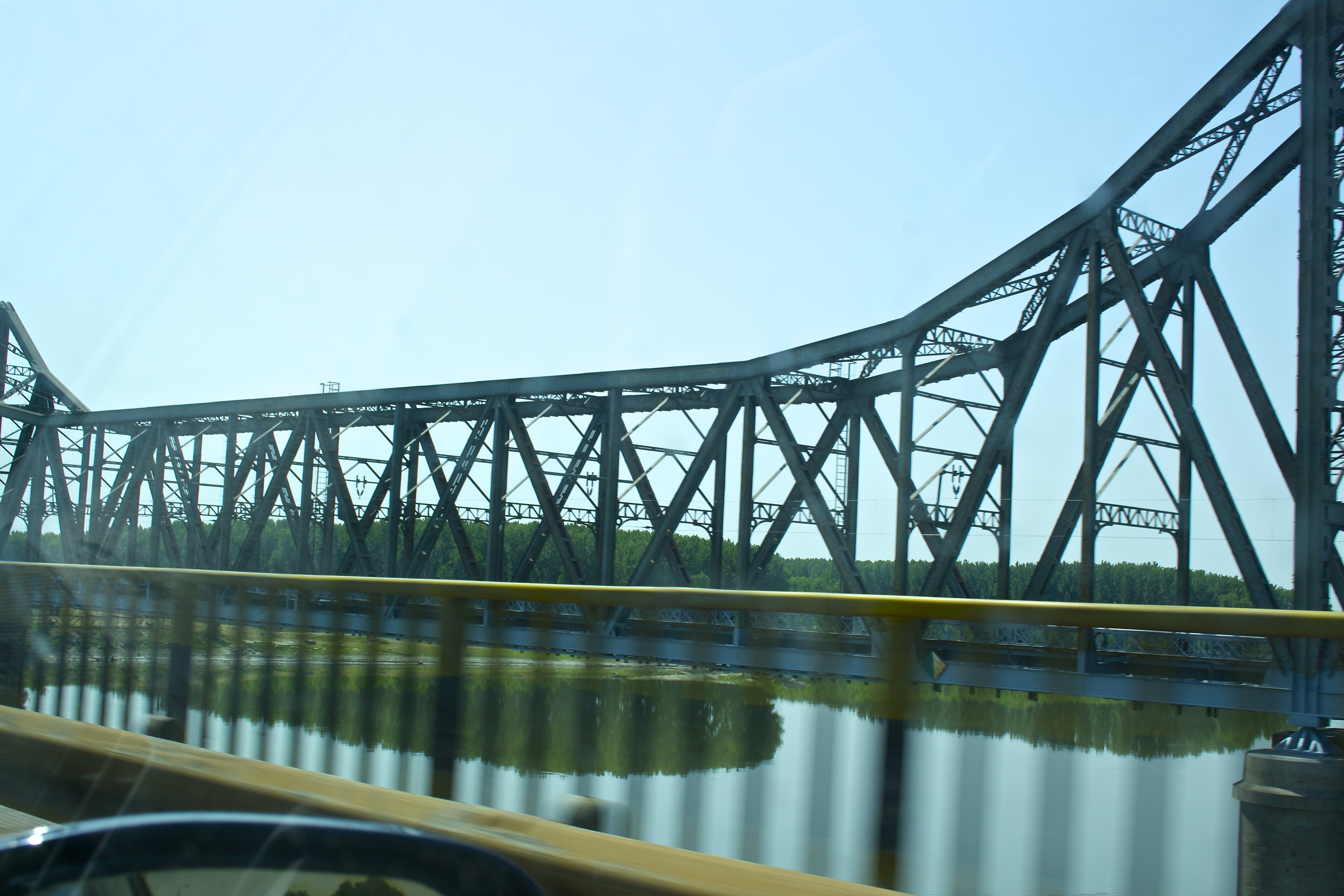
Heading east, I cross the Danube once again, which runs through Romania like its main aorta.I shall be visiting its delta tomorrow, the control of which has long been a key issue in Balkan history.
After the Russo-Turkish War, the Austrian Hapsburg Empire switched allegiances because of it. In his erudite ‘Danubia: A Personal History of Hapsburg Europe’, Simon Winder writes:
The Hapsburgs’ distaste both for further territory and for any hint that the Ruassians might control the mouth of the Danube led to a freakish result. Having spent centuries fighting the Ottomans, the Hapsburgs suddenly became solicitous of their health and conspired with the British to prop them up and keep the Russians away.
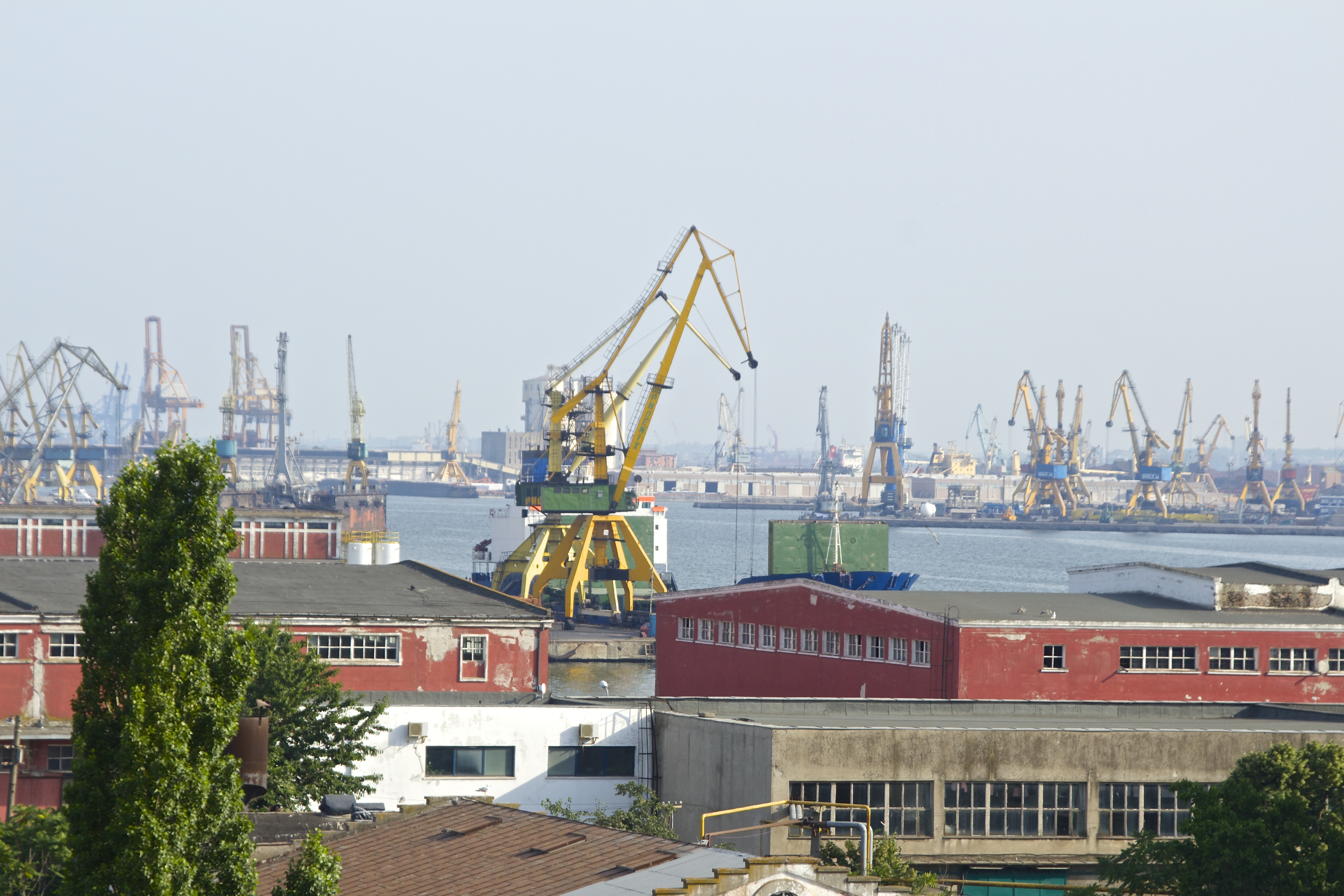
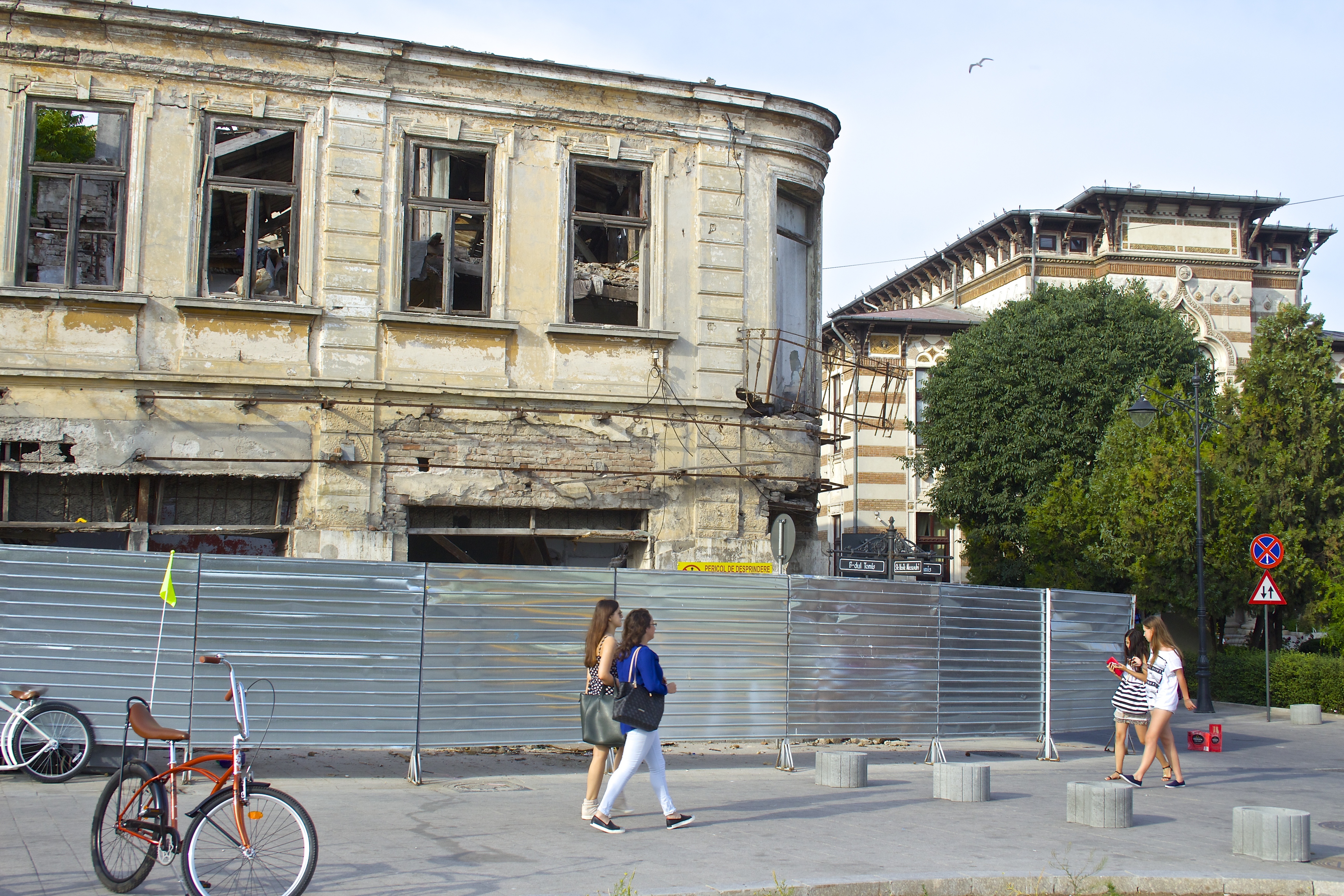
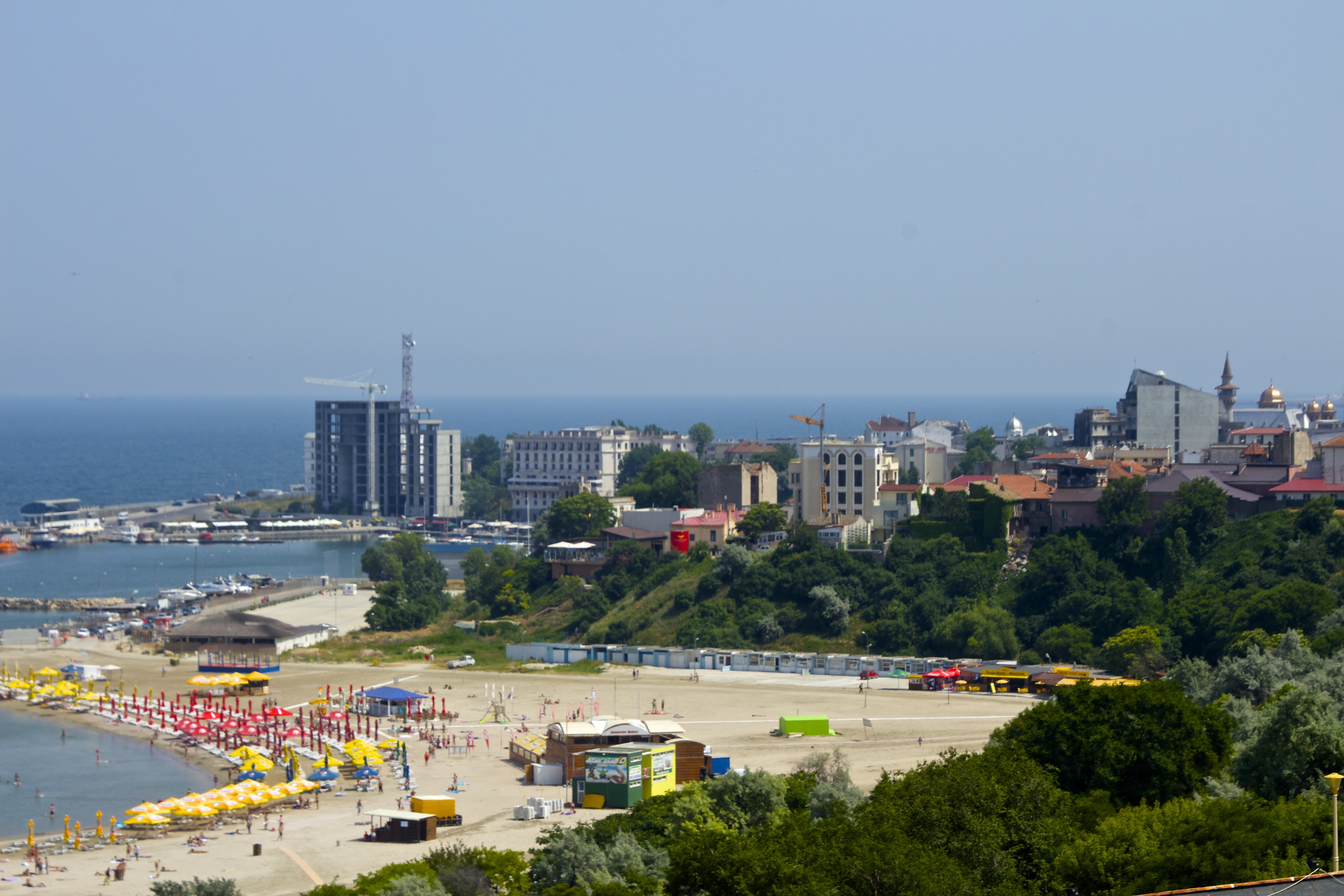
Constanta remains the country’s only important Black sea port. The older son of the family I stayed with here in 1968 taught English at the local naval college. Back in Constanta for the first time in 47 years, I don’t feel it significantly changed. Sure there is the preponderance of commercial noise: the constant siren voices and bodies which fill radio and television airwaves, and billboards everywhere, but there is something about seaside towns which defy change because the sea is their real essence, constantly changing but always the same. That said, there is a conspicuous tiredness about much of the town, and a purblindness to how bad some of its dereliction is, even when rotting sites are on the main street of pavement cafes.
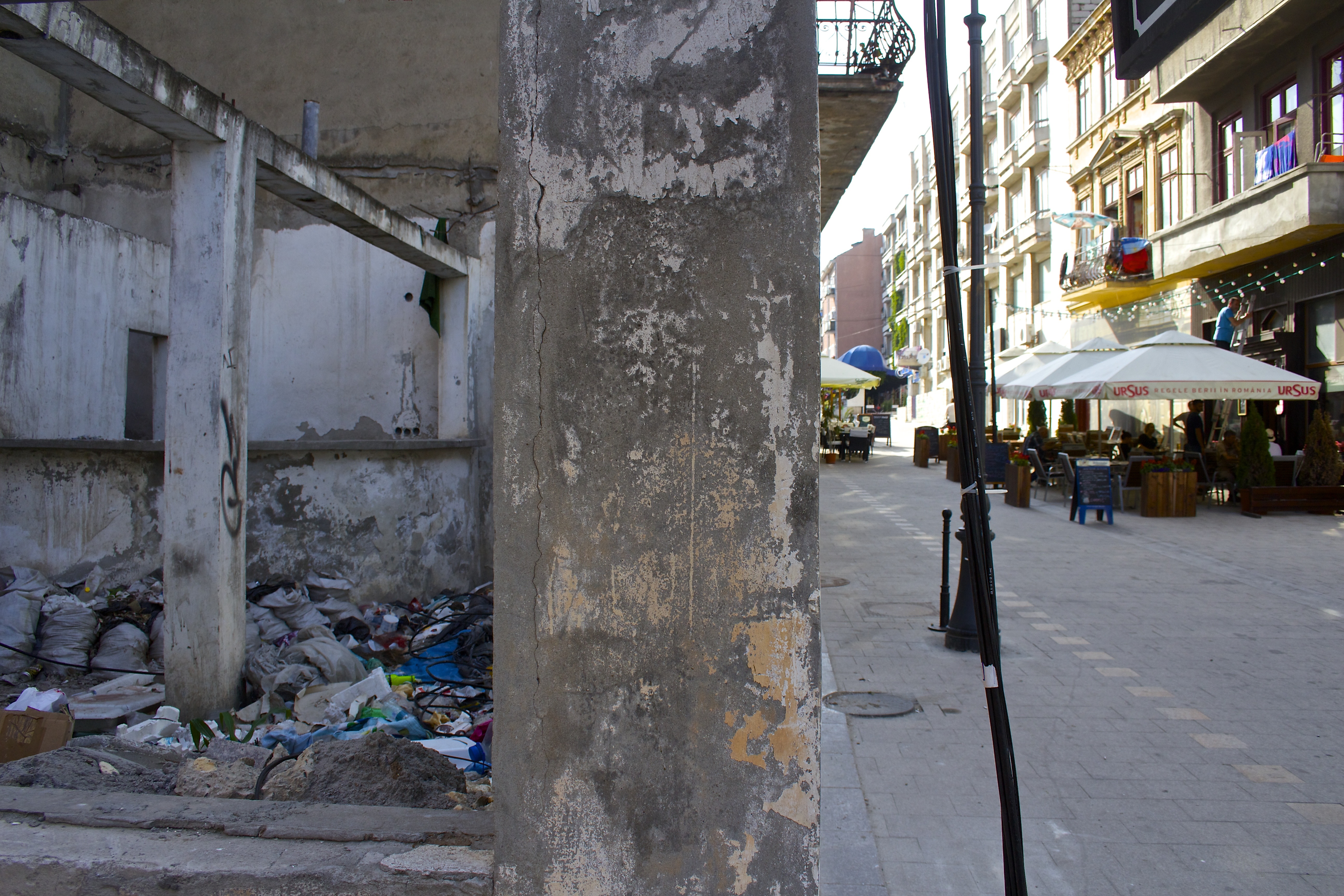
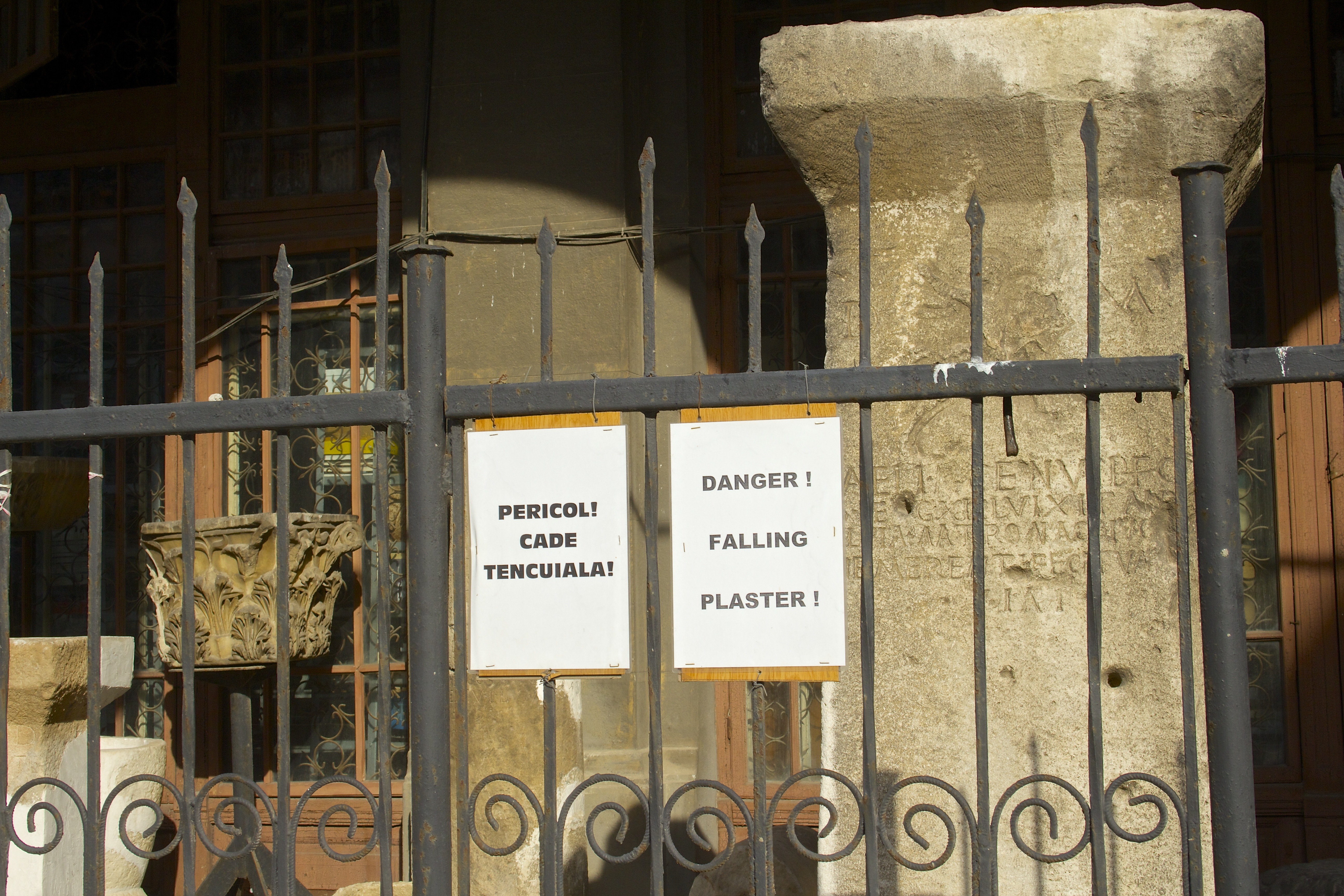
That carelessness also infects parts of the public sector I have encountered, notably the museums. When I arrived half an hour after opening time at the Craiova Art Museum, the entire staff were outside enjoying a cigarette and a chat. It was much the same today, when I visited the National History and Archaeological Museum. I had made it to the first floor before the person supposed to be manning the ticket office appeared and insisted on my going back down to buy a ticket.

Once inside, a priceless collection, mainly of Roman artefacts is very dully displayed and labelled. Whole cases are merely written off as stuff found at a particular site. The modern history gallery is little more than a display of photocopies of not very interesting documents. Even when someone has made a small effort, in the neolithic gallery, their re-enactment involves some shop mannequins c. 1966, with hair and clothes to match.

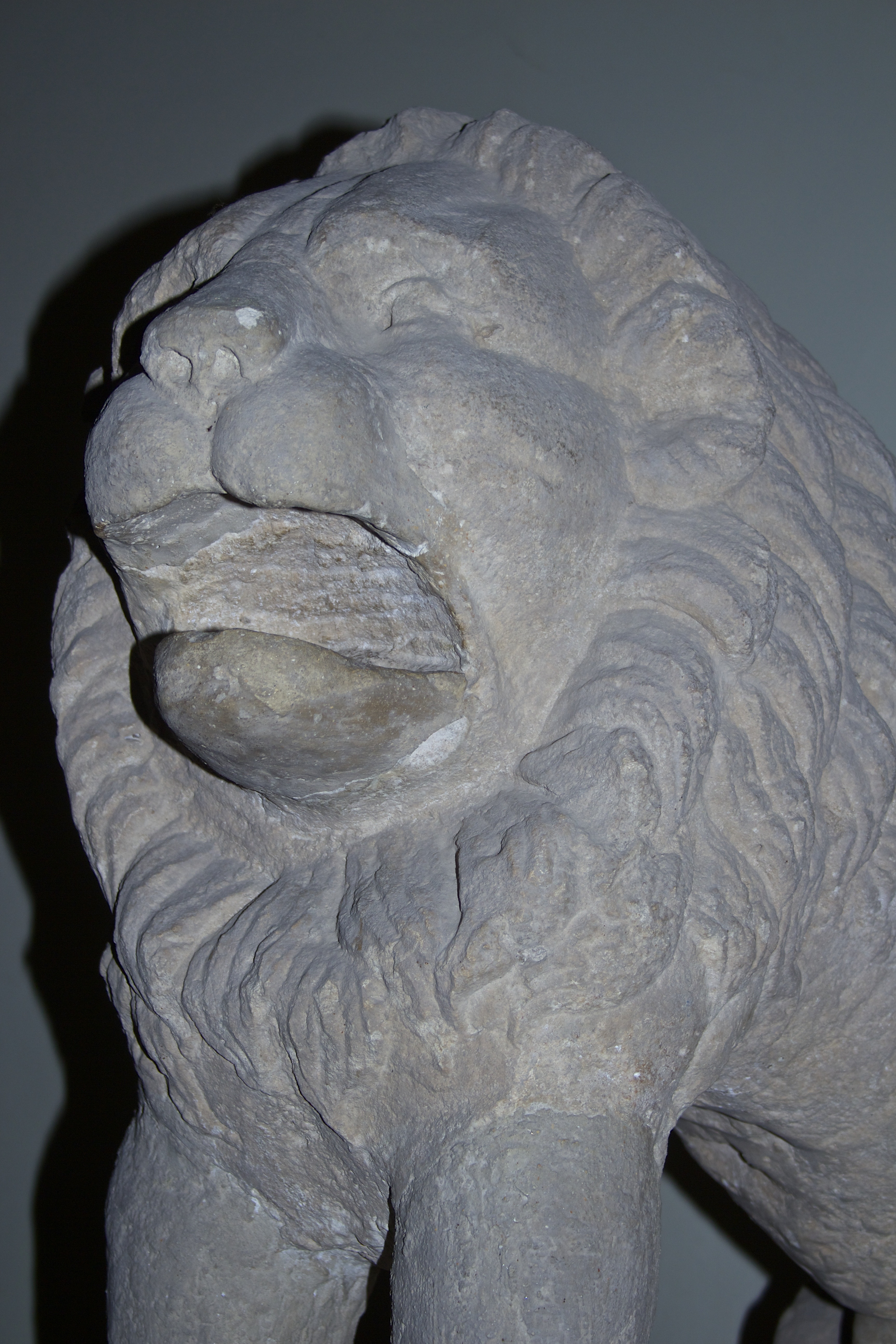
It was enough to make a (2nd century) lion roar with pain, like the one Androcles saved:
In fact, this was the mythic port Jason and the Argonauts are supposed to have fled to. Romania was then called Dacia and Constanta was Tomis, literally meaning “cut to pieces”, in recognition of the Jason story. But a schoolchild visiting this museum would learn nothing of this and be put off history and the classics for life. This is definitely an area where the report reads: “could try harder”. I am not entirely surprised the museum staff are bored and dispirited. It reminds me of working on the roads for Salisbury Council in my school holidays, when they first introduced a time and motion study which paid progressive bonuses for gangs achieving upward of 60 per cent efficiency. My crew, supposedly laying kerbs in Gas Lane, was the only one not to achieve that level of efficiency, or a bonus. It was that unproductive indolence, which came to a head in the 70s, Thatcher rode into power to eradicate, with the unions she vilified as ‘the enemy within’. My observation is that the apparatchik has yet to be brought up to speed in Romania and, of course, if it is generally believed the bosses are corrupt, why should they do more?

That said, the choice of false avatars of sophistication remains a problem for emergent countries. I stopped at an establishment called the Irish Pub, primarily because a parking space opened up outside. This is a grand establishment like nothing in Limerick or Kerry. Sure the main section has been tricked out in dark wood to conjure up a theatre fit for the Playboy of the Western World, but the key attraction is a large sea-facing terrace. The food is also of a different order to Irish or English pub food. In place of fish and chips, I had fresh sea bream grilled whole with garlic and rosemary, garnished with grilled vegetables and a pesto oil. There was clearly much more of similarly high calibre to be had from this kitchen, and I won’t begin to compare the value and service. This is no more an Irish pub than Tom Kerridge’s two Michelin starred Hand and Flowers in Marlow is a typical English pub. I am not saying it is that good, but here there’s no six-month waiting list to book. Then I went for a swim.
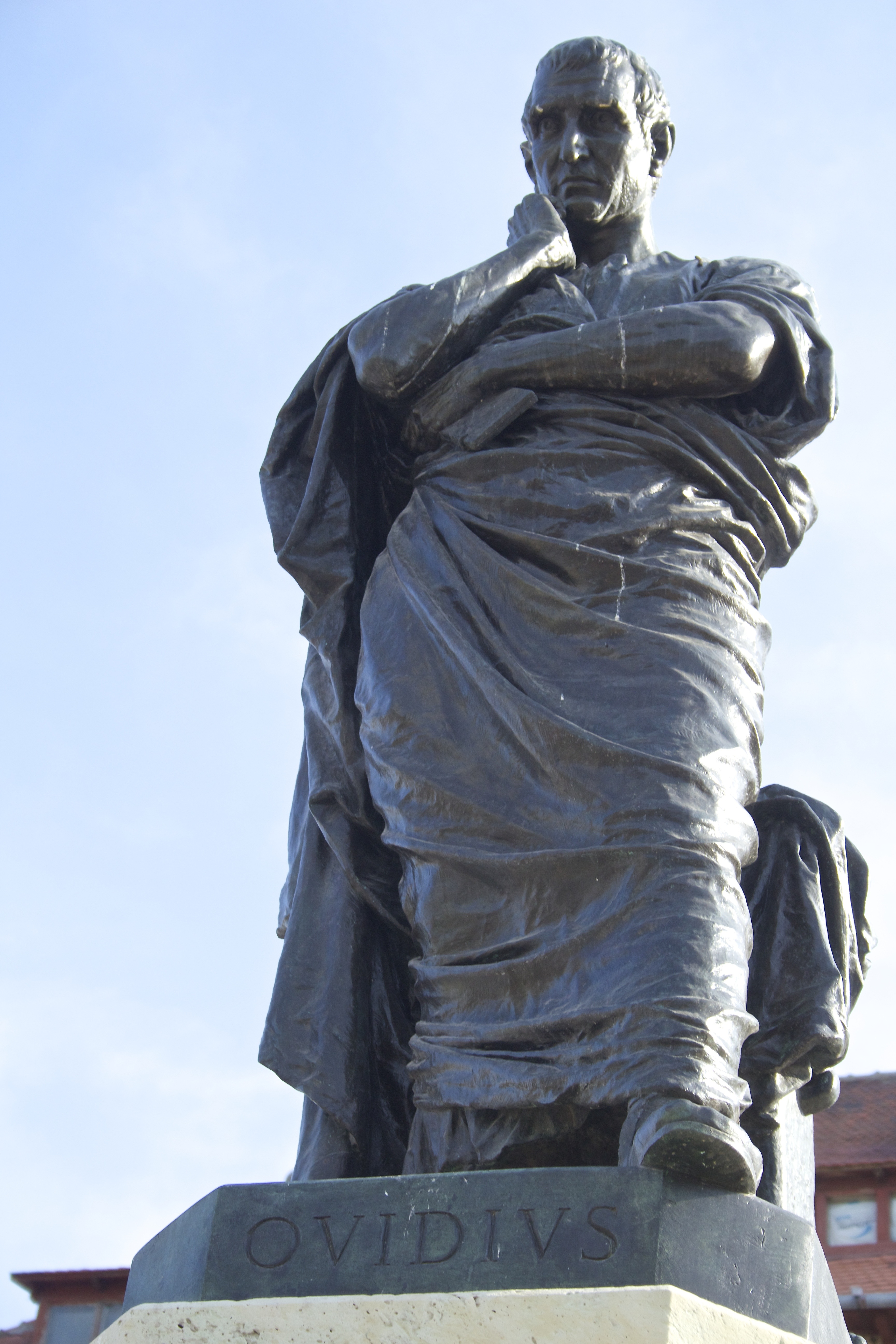
Oh, and this is where Ovid was exiled and died. He even looks pretty pissed off in his statue.
 peterleewright.com