
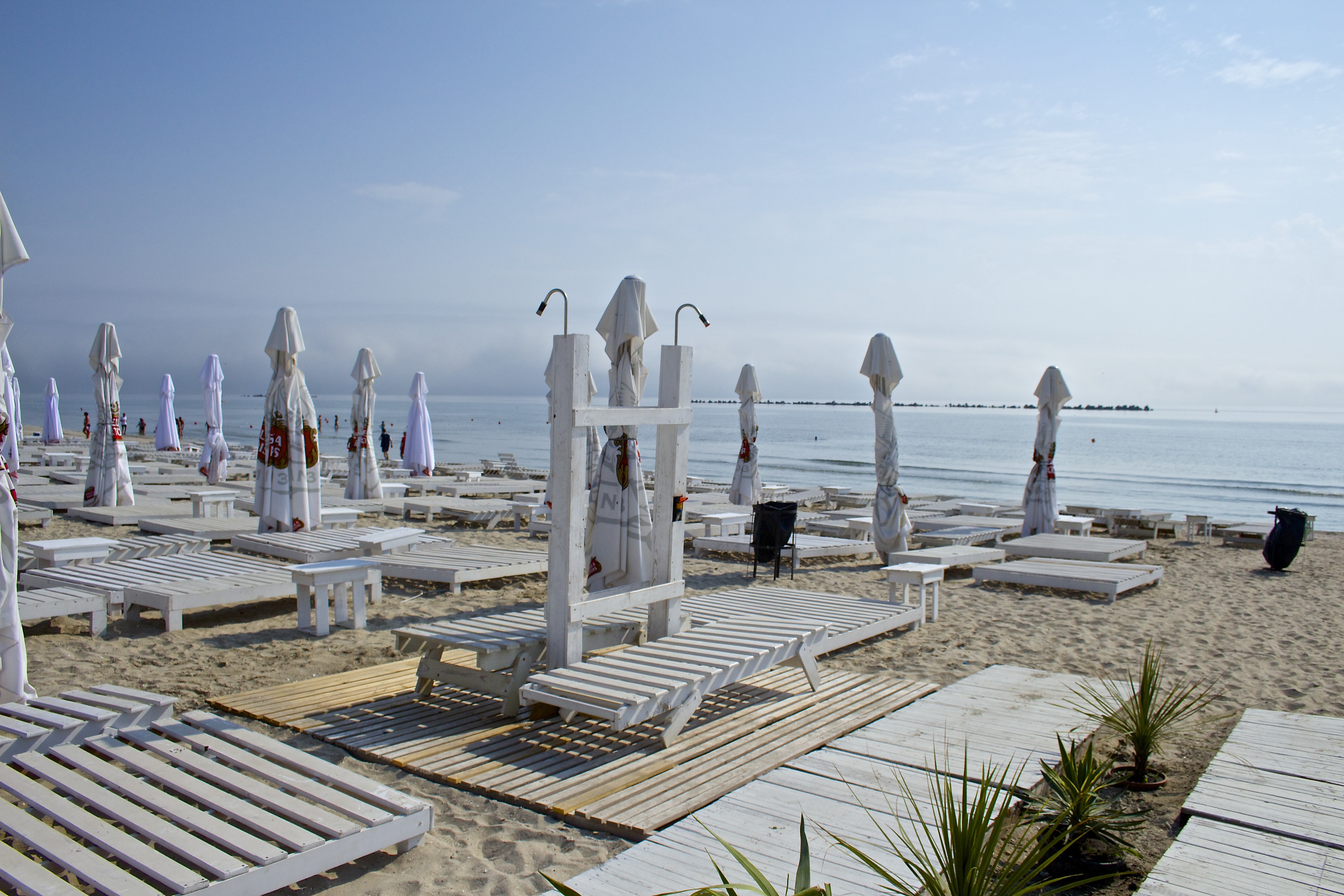
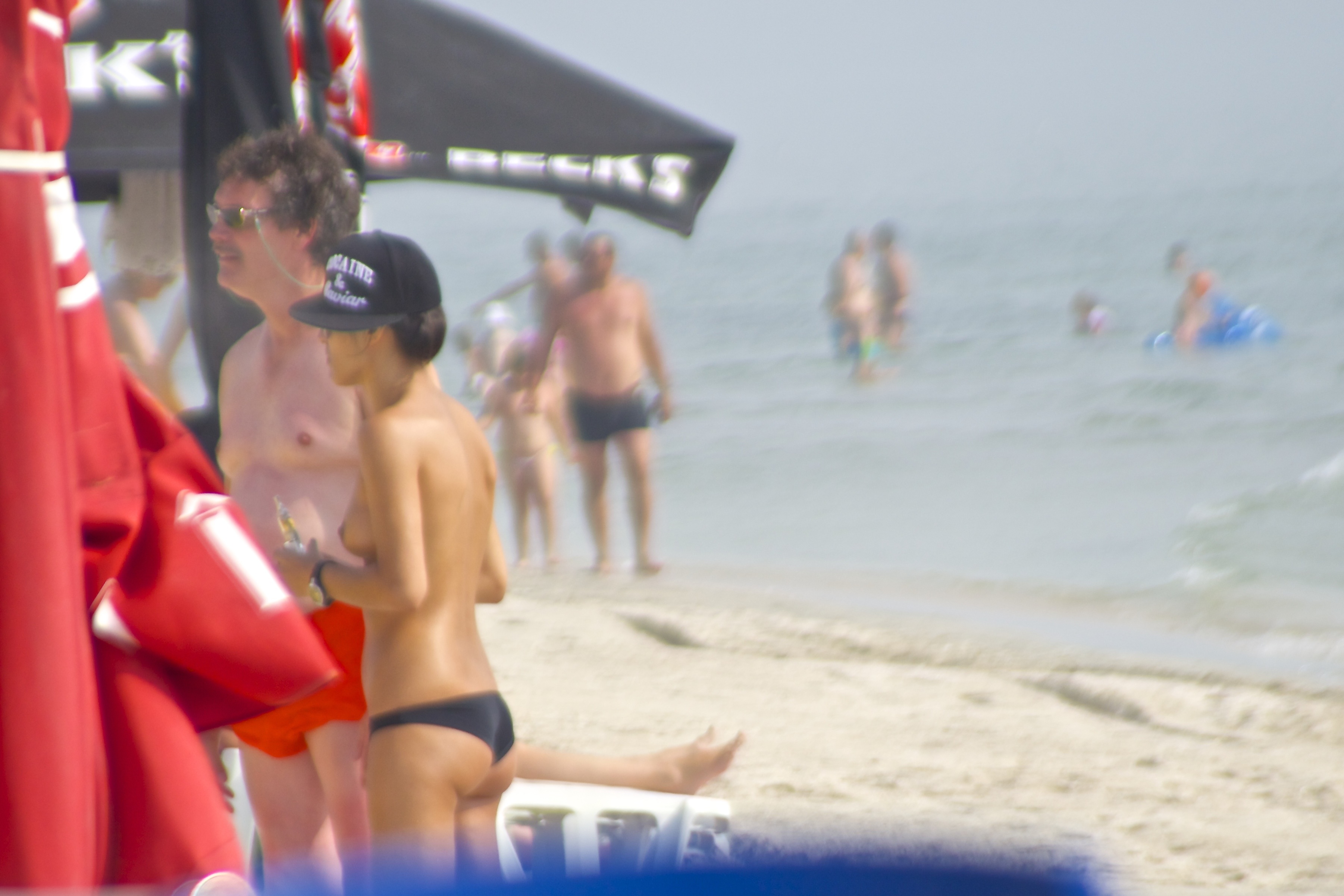
Mamaia was a ritzy beach even in 1968, then largely colonised by loud Germans. It is a ten kilometre strand running north of Constanta with hotels, beach bars and “camping villages” – eat your heart out Frankie Howerd. It is considerably upmarket of Blackpool and nowhere near as bad as Sunny Beach, which is down the coast in Bulgaria and definitely one of Dante’s Nine Rings of Hell. My strongest memory of Mamaia was of accidentally entering the Ladies’ lavatory and being chased out by shrieking battle-axes. This morning, even before the holiday-makers bagged their loungers, the music was at disco-deafening decibels. The locals get out earlier and don’t pay for beach furniture. Many now go topless, wearing their breasts almost as badges of office, which in some cases they are. One had hooked a middle-aged, moustachioed, flat-footed, sun-blotched male – probably German – who couldn’t believe his good fortune, that is the fortune she hoped to relieve him of. I had a quiet coffee and left the delta of Venus for the delta of the Danube.
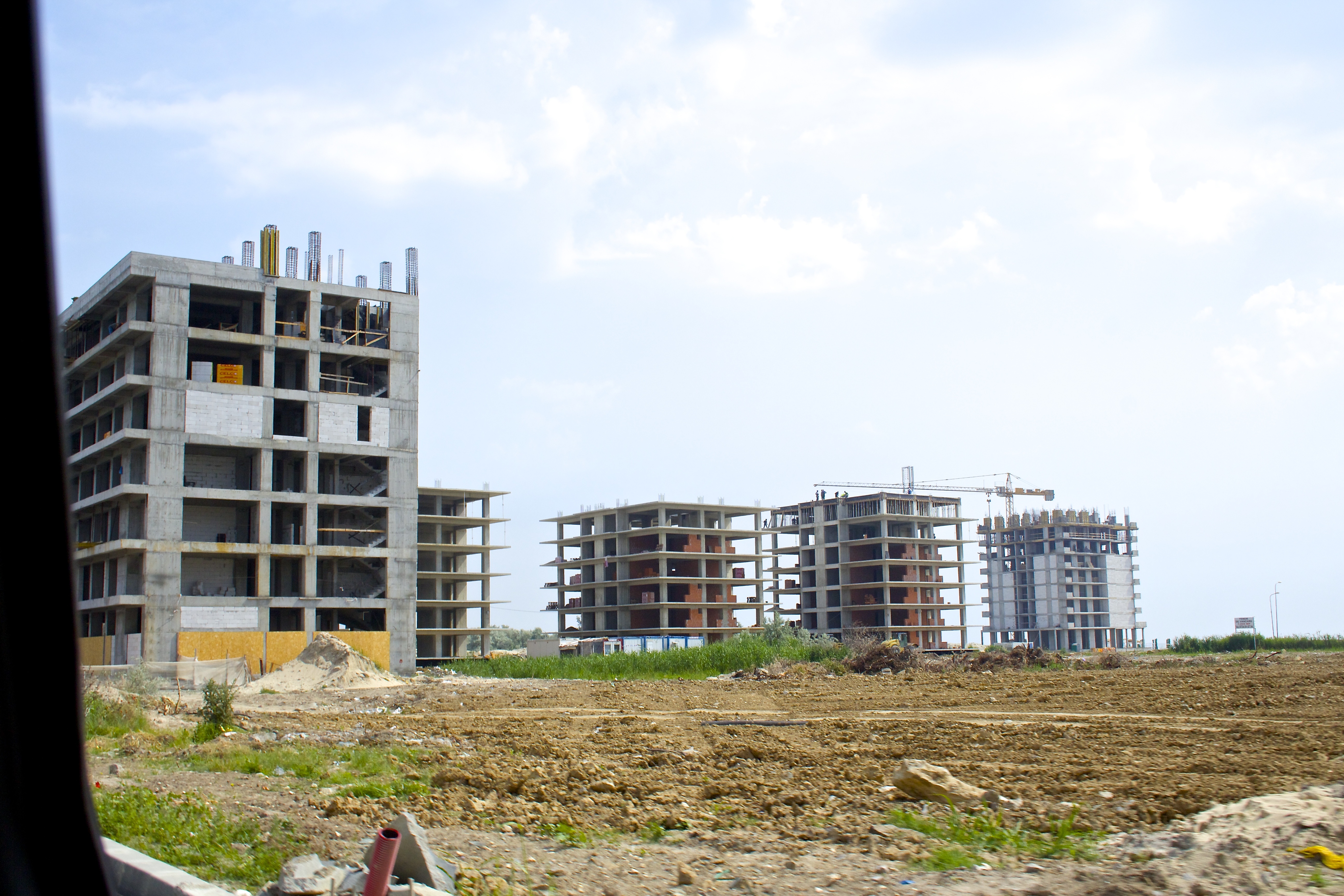
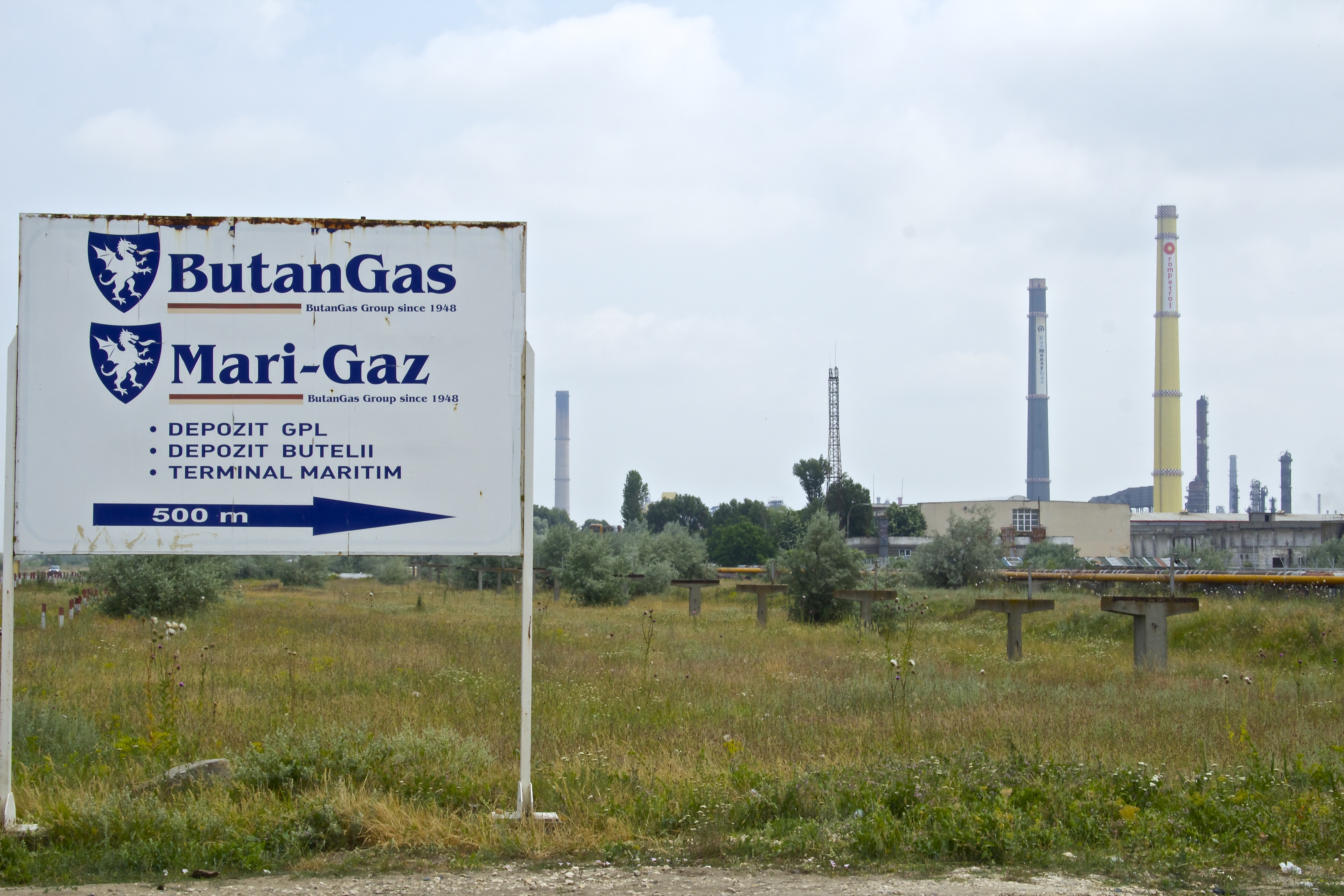
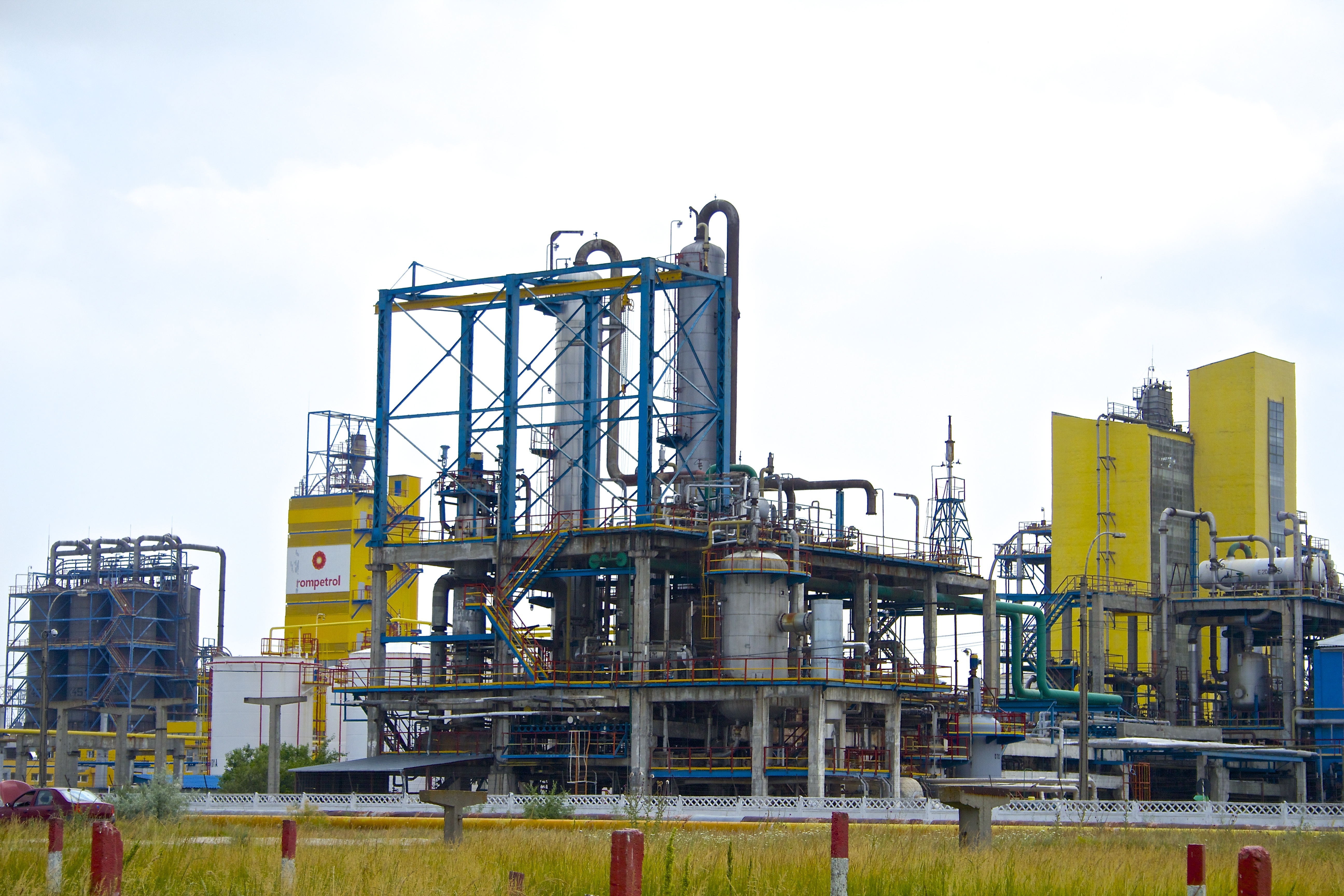
As you escape the strip, there are hundreds of buildings reflecting some previous optimism, where the money must have run out. I imagine the original boost of the revolution, then membership of the European Union, sponsored all sorts of Black Sea bubbles as the newly capitalised dreamed of hitherto unimaginable wealth. Soon the landscape becomes blighted by the real generators of wealth, the energy facilities of gas and oil refineries.
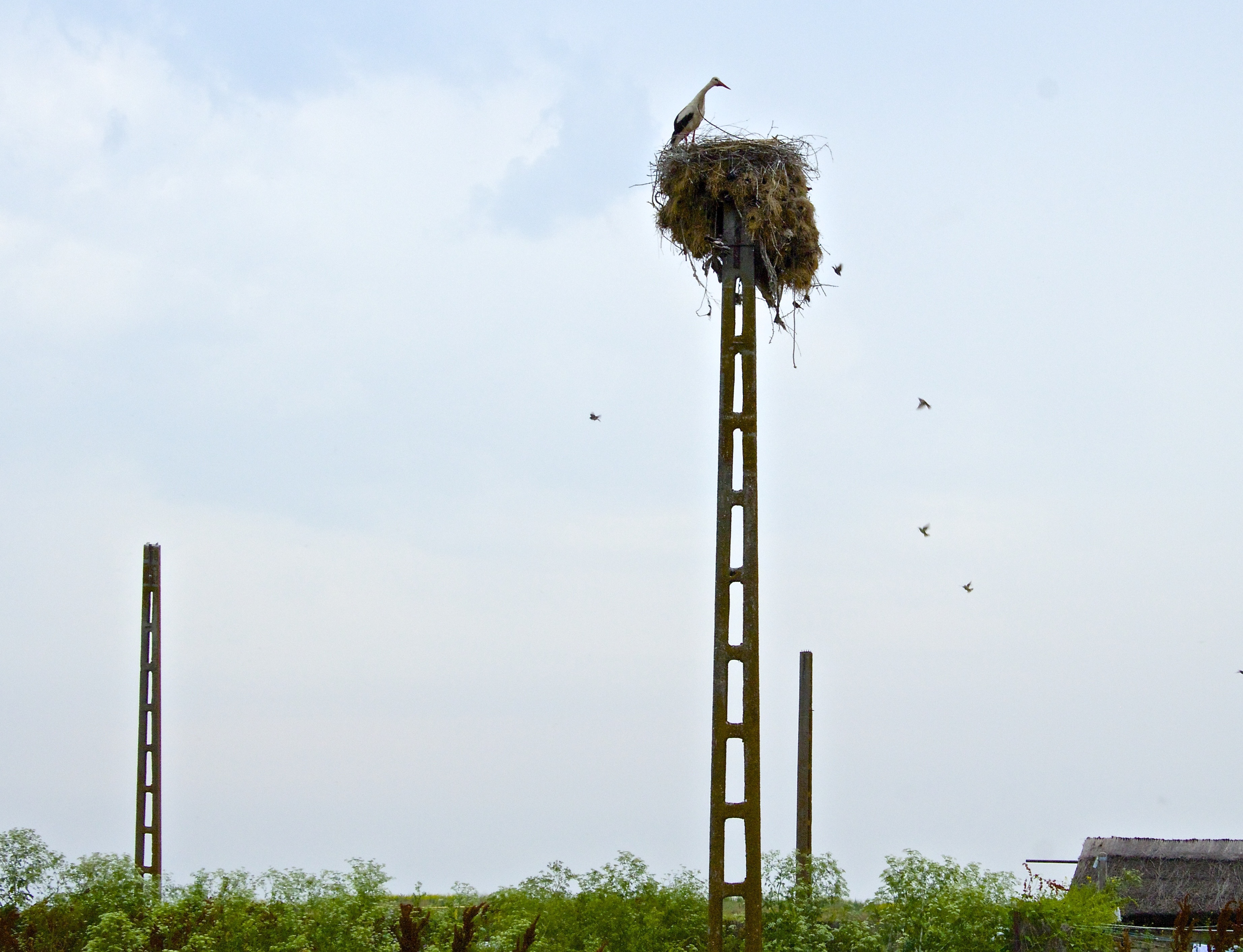
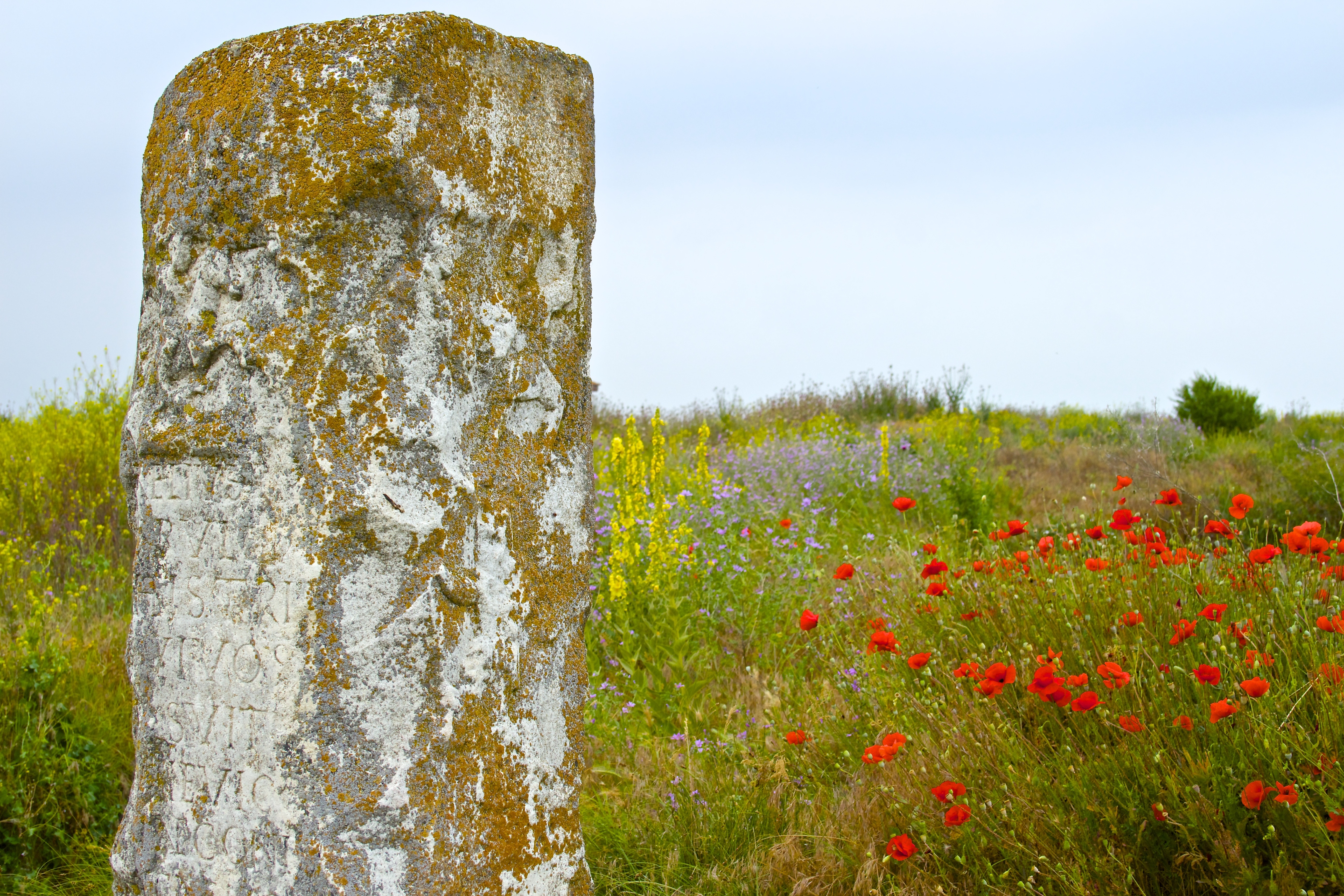
I particularly wanted to visit what is effectively Romania’s oldest city, Histria, originally founded by Greek traders from Miletus in 657 BC. It was taken over, expanded and eventually Christianised by the Romans, but abandoned in the 7th century AD because its harbour became silted up. Today it is home to a riot of wildflowers and birds: including more herons than I have ever seen in one place and a majestic stork presiding over his greedy brood.
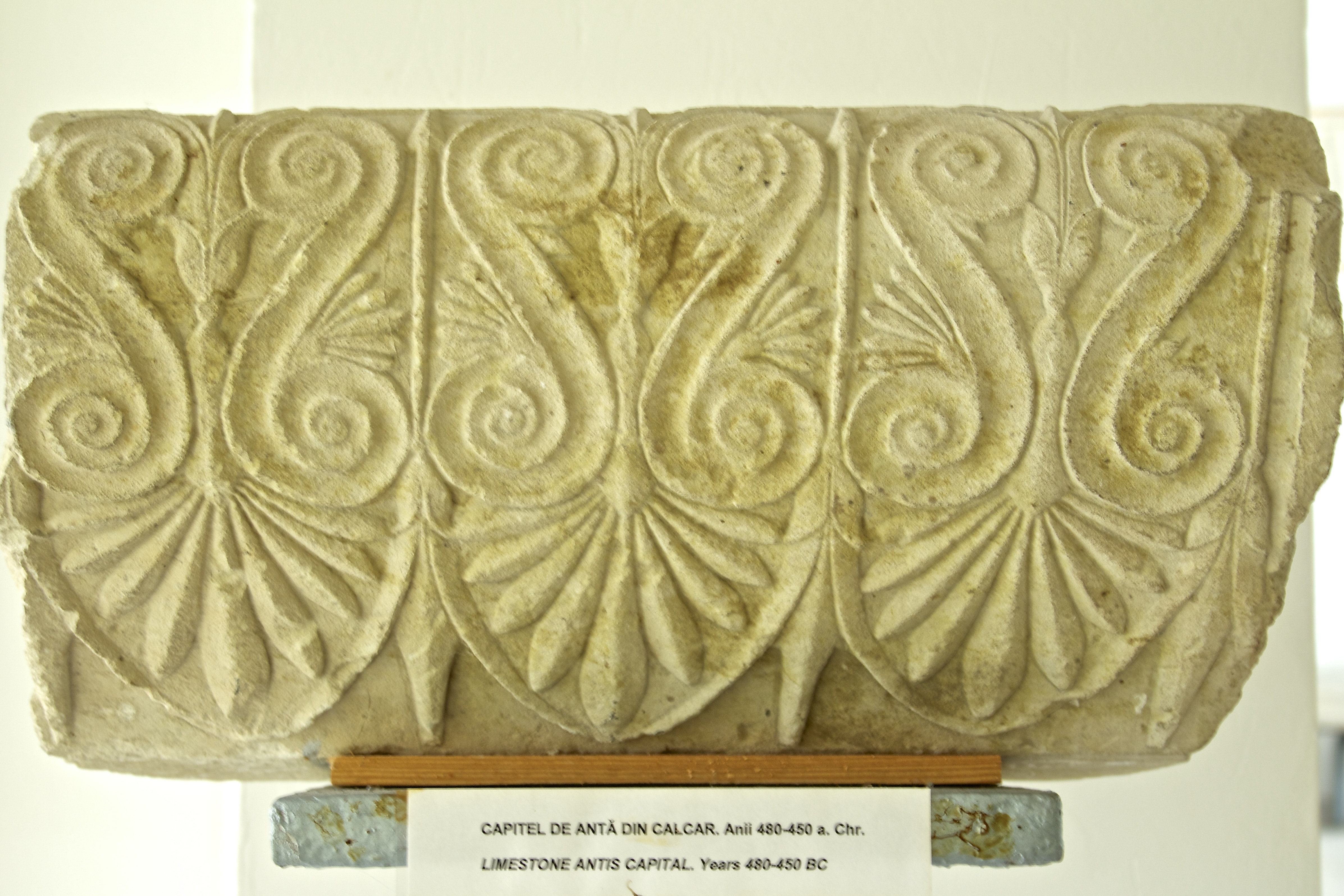
As I arrived, thunder rolled around the area, suggesting the gods were angry, or at least a little annoyed. I was a little annoyed, for the same reasons as written yesterday, the failure to present the place, or its accompanying museum, with any flair or imagination. I also may be imagining this, but there seems to be an over-emphasis on the Roman past, to the exclusion of the earlier, and arguably more interesting, Greek origins. This beautifully carved capital from the 5th century BC is a rare exception.
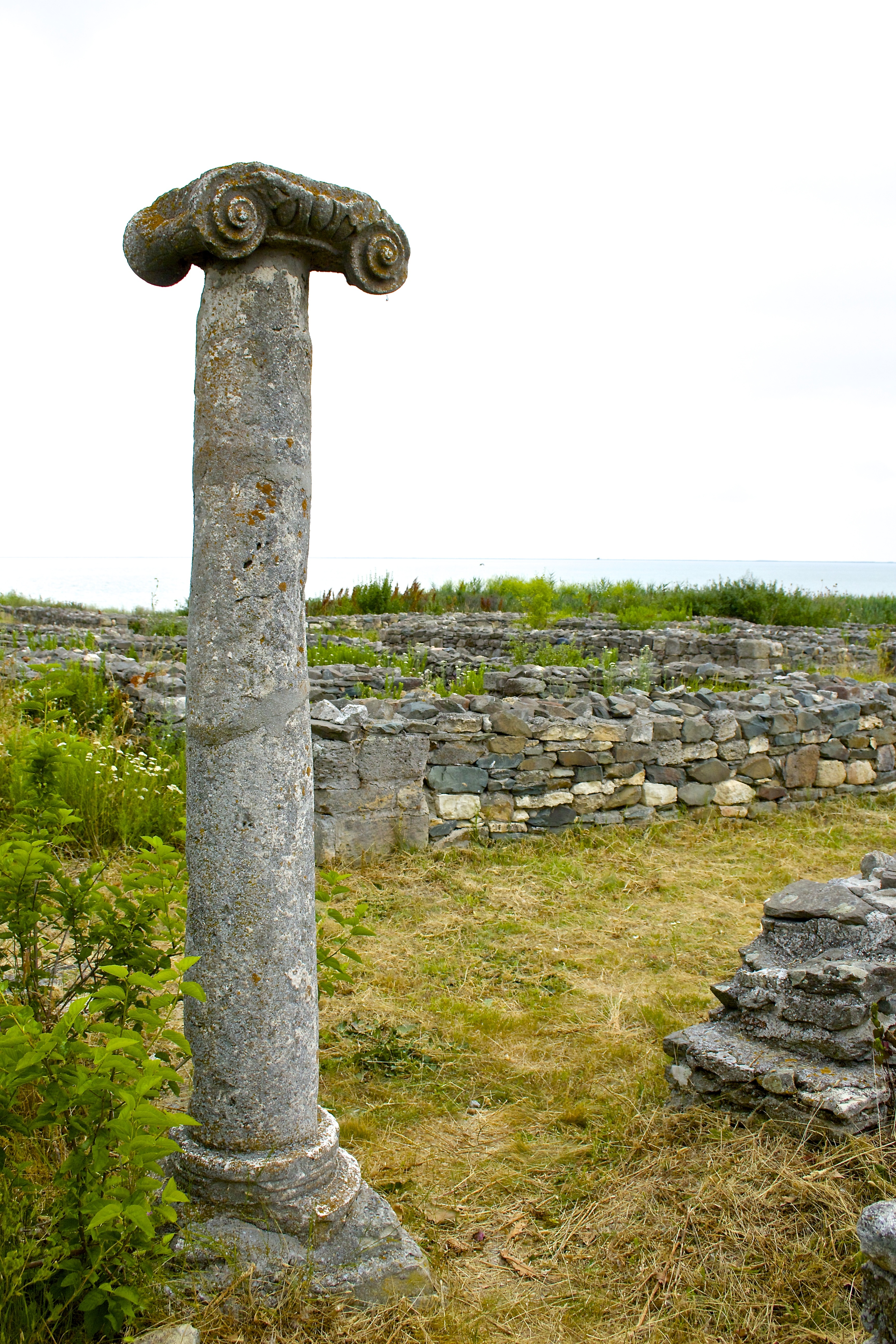
The site has been excavated at various stages, but there is no signage and you are left to flounder among thistles. Not that I would necessarily want Histria over-managed and manicured like some English Heritage sites. (I never saw why kids shouldn’t climb on walls which have managed to withstand battles, siege and weather for hundreds of years.) But Romania would do well to develop an enlightened heritage approach, which obviously requires both resources and resourcefulness.

Some years before the present Greek financial crisis, a Greek student of mine made a film exploring her country’s failure to capitalise on its greatest asset, its heritage, despite tourism being its biggest foreign income source. Even Bulgaria has woken to this prospect. Two tour buses arrived at Romulania as I was leaving down the newly tarmac’ed road and Plovdiv’s amphitheatre can be enjoyed from walkways above and surrounding cafés.
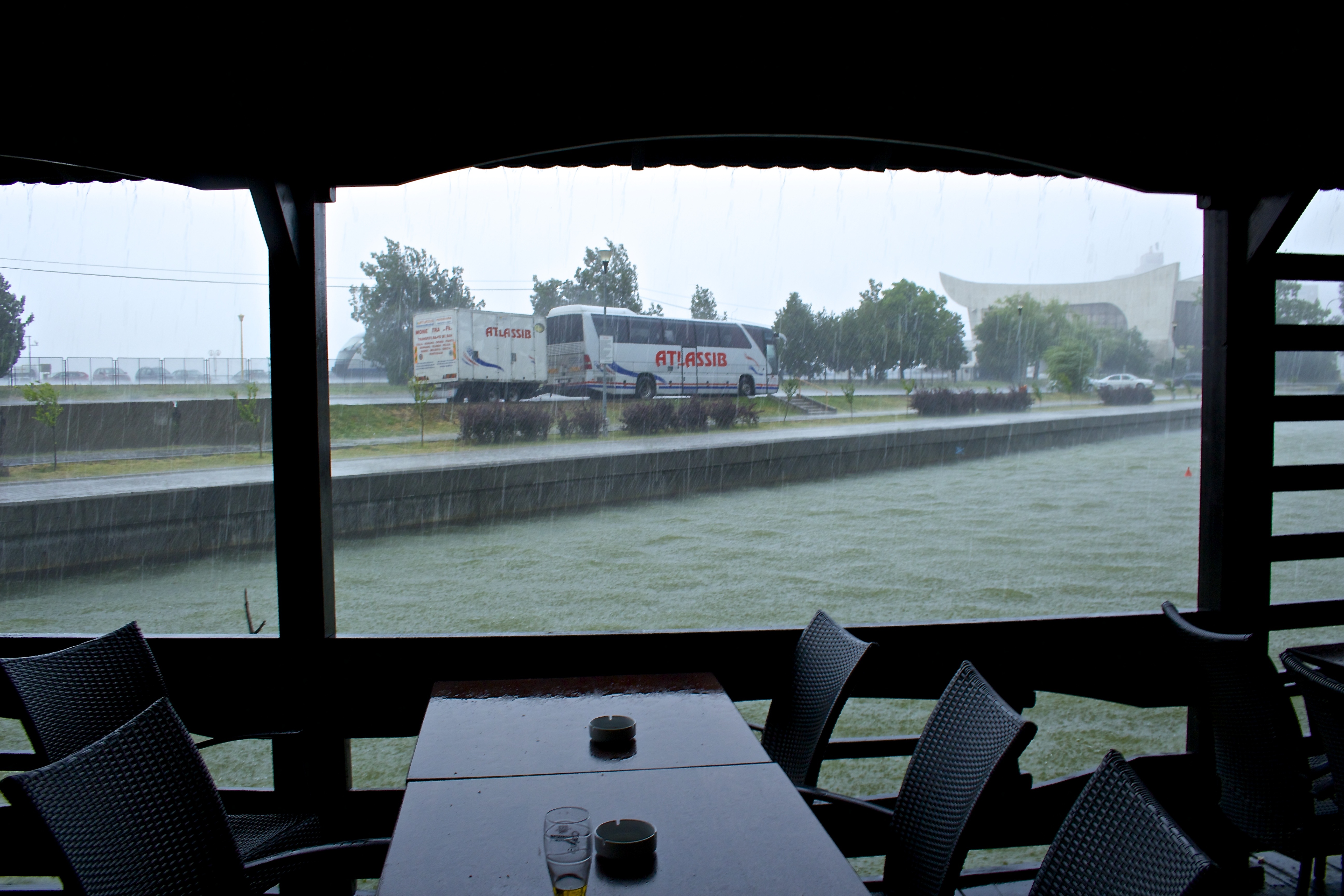
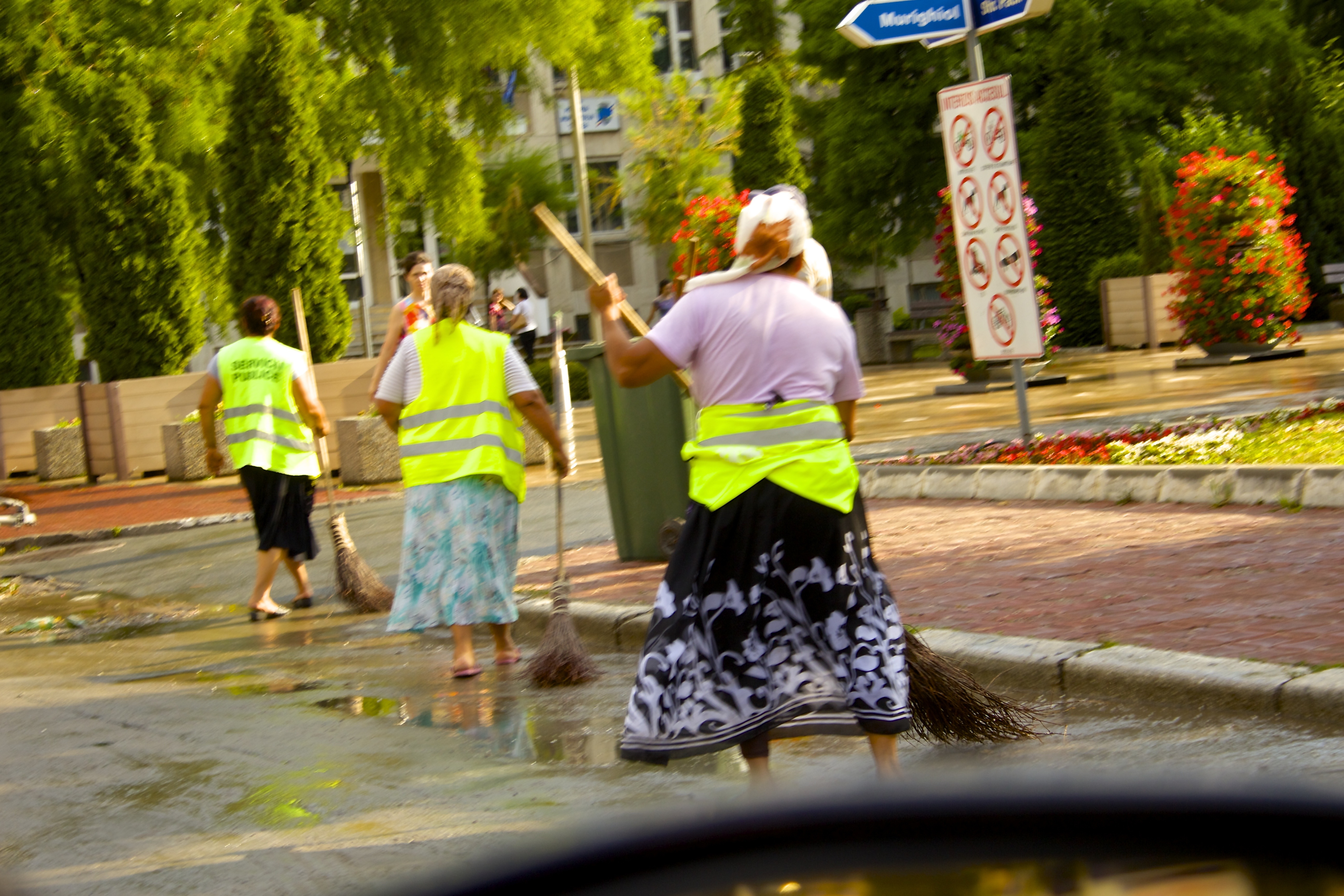
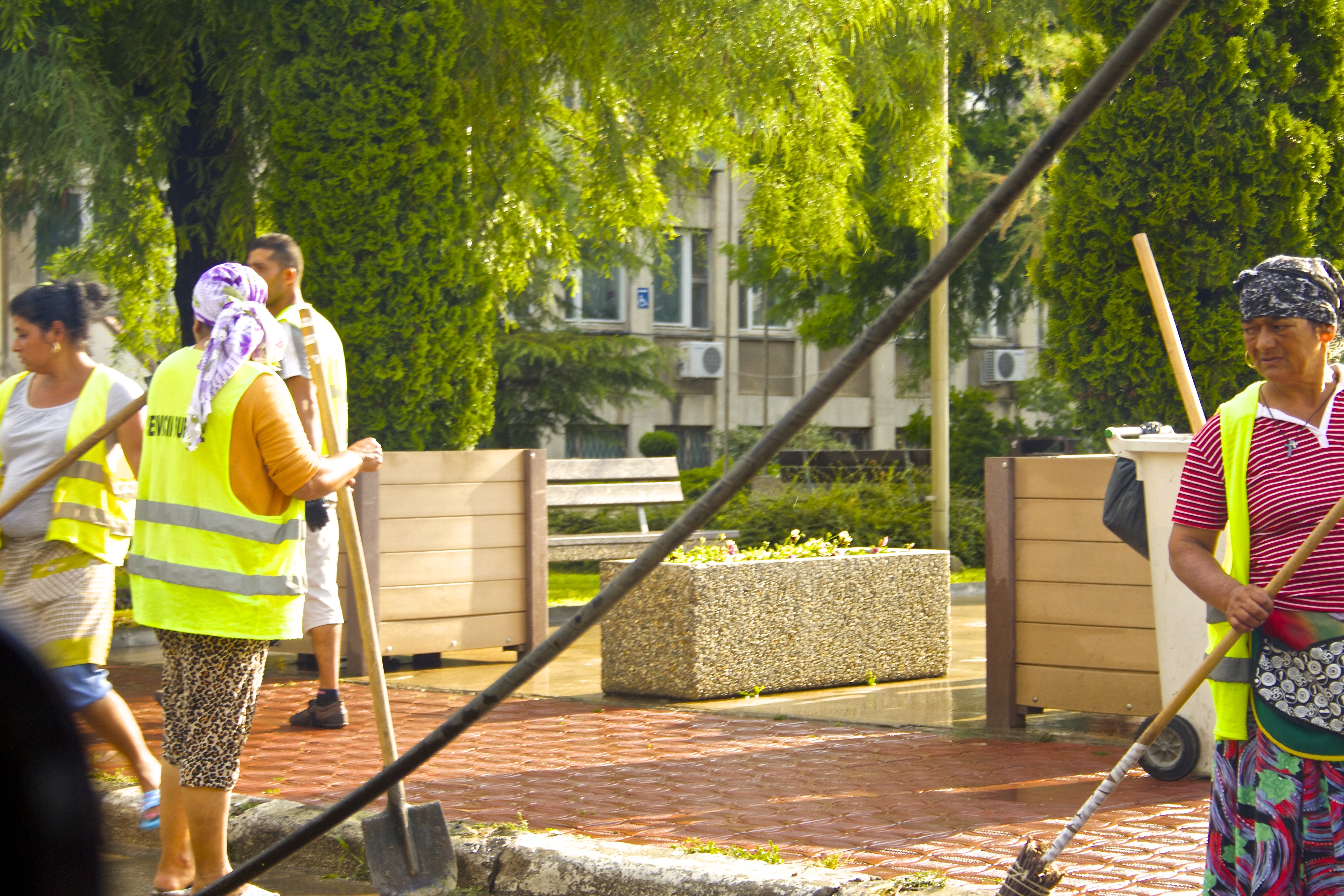
I reached the town which is the gateway to the Danube delta, Tulcea – rhymed with culture, but not matched – in time for lunch on the terrace of my lakeside hotel. Unfortunately, the thunder which had growled at me in Histria caught up and unleashed the most extraordinary deluge on the place. There were flash floods and road gangs spent the rest of the day clearing the drains and debris. You will notice these are mainly women – reminiscent of the Soviet work gangs delivering Stakhanov’s exacting targets.

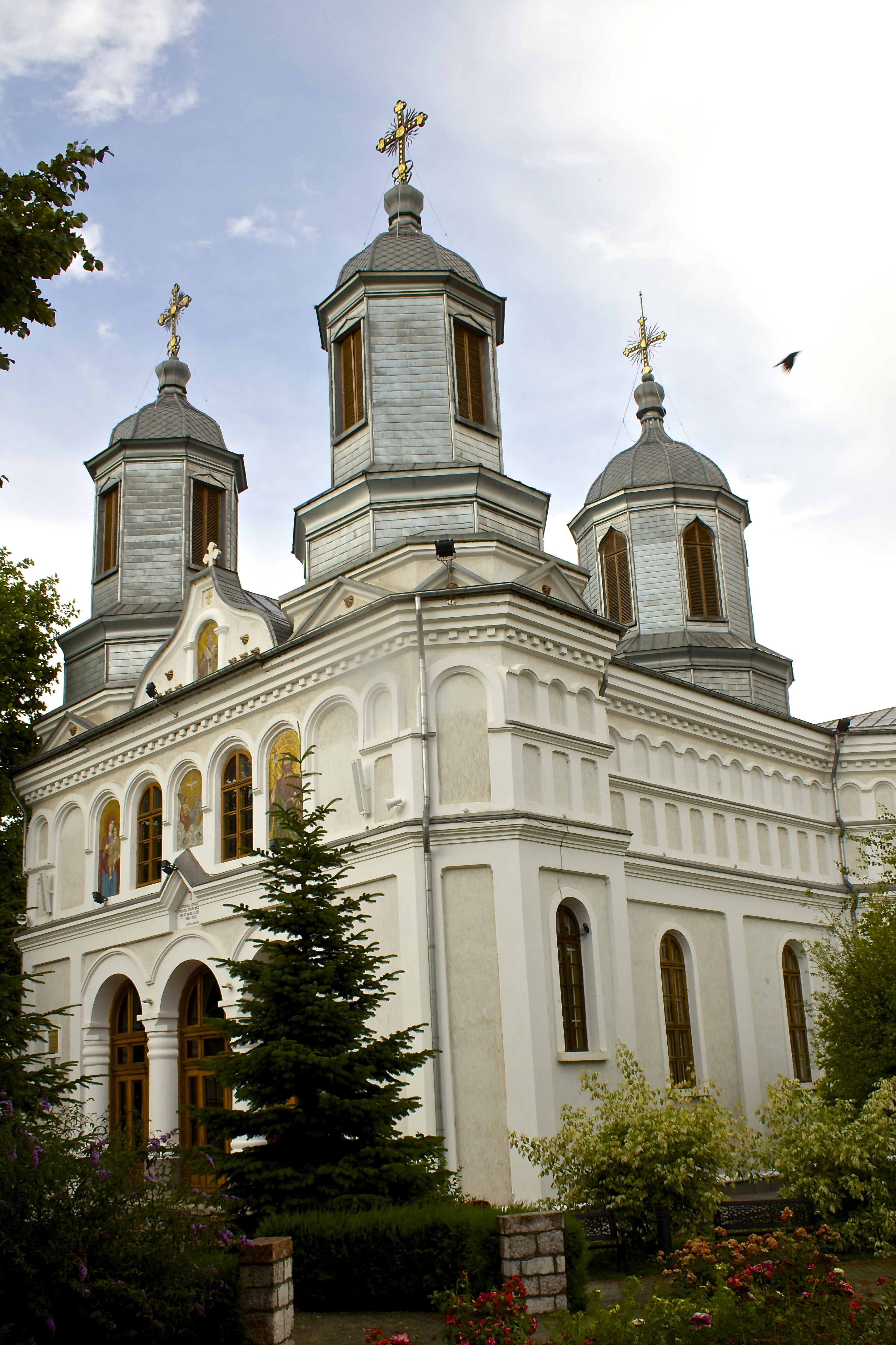
I am keeping religion mainly for Moldavia, but no doubt they repair to the St Nicholas Cathedral for succour on the Sabbath, this still being a 90 per cent Orthodox nation. That said, this cathedral, built 1865, was apparently the first church in the Ottoman Empire to be allowed to reach higher than the local minaret. I wonder if the Pashas knew theirs was no longer the winning horse and they wanted a spread bet.
The tourist map tells me that this next building was:
“The former headquarters of the State Fisheries.. a representative building for the beginning of the 20th century, having been built during 1910-14. It belongs to the local cultural patrimony as second class architectural monument. Today it hosts a private club.”
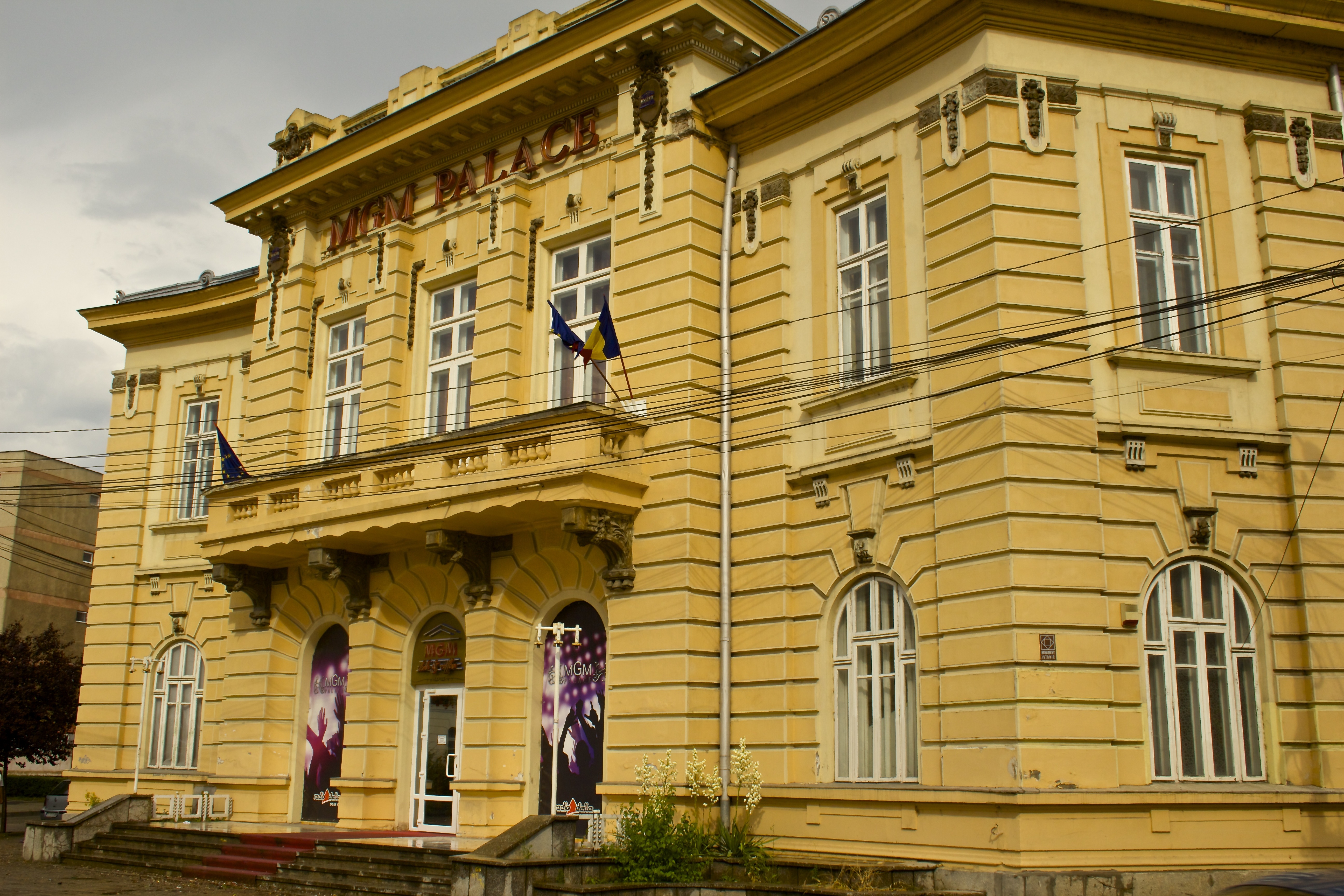
It’s the way they tell them. They probably need to work on that if they are to go big on Roman tours, though it would probably suit that couple from Mamaia well.
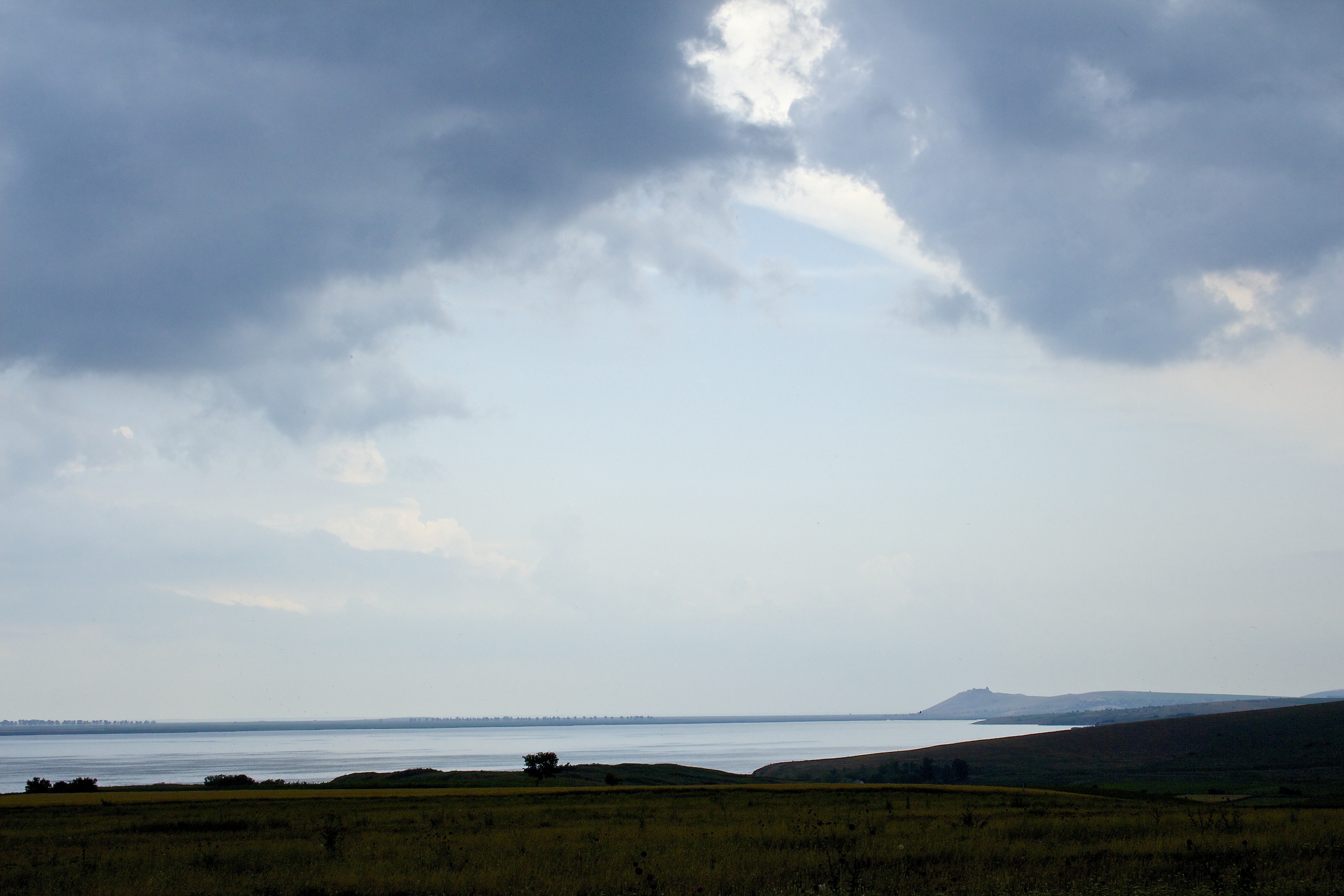
All this weather rather put paid to plans to take a boat to the delta so, despite being warned that the roads were only fit for 4x4s, I went for an early evening drive to see what I could see from nearly dry land. Not much, before a deteriorating road surface made discretion overtake valour. It’s a huge area of 1,603 square miles – most of it in Romania, though some in Ukraine – home to over 300 species of bird and 45 freshwater fish. I am working my way through the latter, tonight eating what they enticingly call “Crap”, though I am assured this is actually carp.

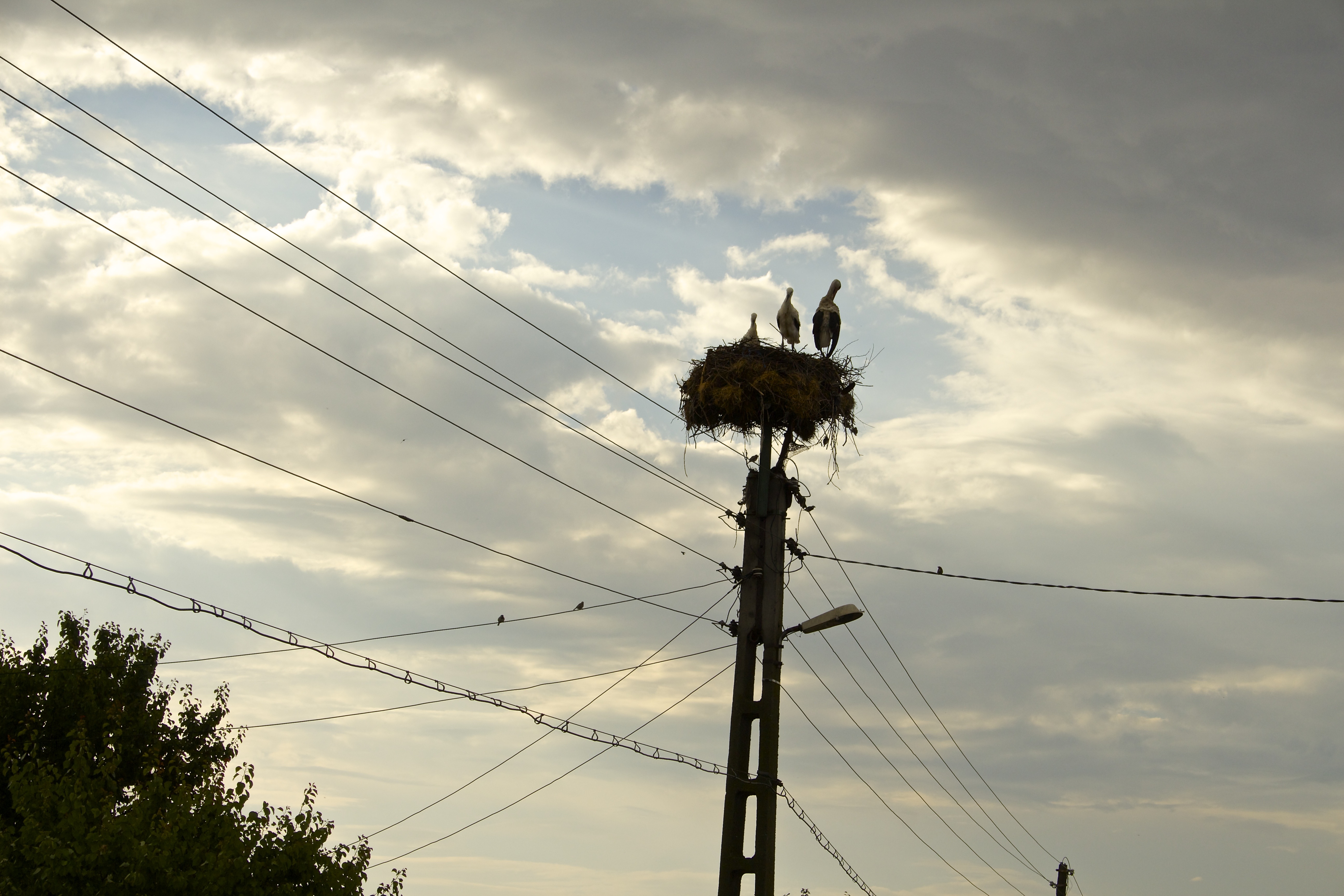
I saw a better stork’s nest on the way back to the hotel, so here’s to family life: It’s good to stork.
I have just had the fish. I will stick to the Romanian. The waiter threw my unused bread into the water and shoals of fish came up to fight noisily over it.Not quite Jaws, but you could hear their jaws snapping. Transylvania next!
 peterleewright.com