
I always feel embarrassed at my linguistic failings: I was more adept at 18, having taken Latin to A level, and French proving a useful alternative when all else failed. Then, everyone was keen to welcome a rare foreigner and most generous. I think it was in Iasi that one family I hitched with invited me to sleep on their hotel room floor, while others sent me to stay with their grandparents. Now most Romanians, especially the young, speak English as a necessary commercial advantage and I feel as fair a mark as that bozo I saw on the beach yesterday. Yet generally people have been scrupulously straight and honest.
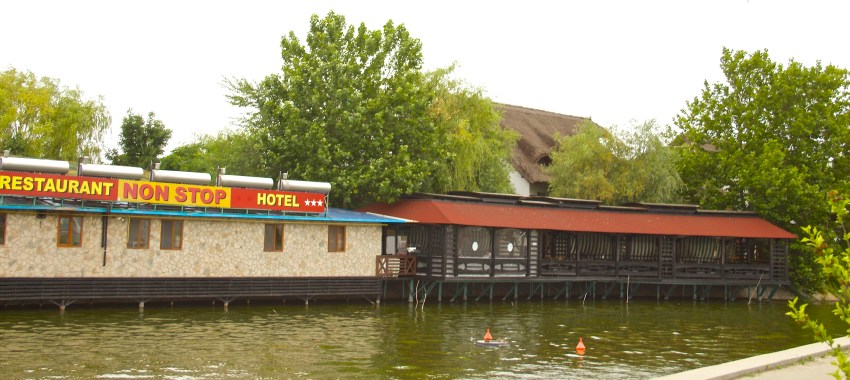
The exception came at the Insula Hotel in Tulcea, where I was initially well served and had a nice room with balcony overlooking the lake, warned about the mosquitos and equipped with an anti-bug plug. The sting came later in the restaurant. I queried the ‘2 x Lamaie’ on my modest bill for carp and chips. That, it was explained, was for the two very thin slices of lemon served as garnish, not deemed an extra anywhere else in the world. It reminded me of Les Dawson’s joke – though he said it was dead serious – of mean Blackpool landladies charging sixpence a day extra for the cruet. They tried it on again at the ‘inclusive’ breakfast, trying to charge me for the cheese in the omelette and a second cup of coffee. Since it was the same waiter I had nonetheless tipped the night before, I felt he had crossed the line. I had to have words, sadly in English. I blame capitalism; that nice Mr Ceasescu wouldn’t have stood for it.

Throughout Eastern Europe, I pass these decayed reminders of that not so distant past, and can imagine the baleful eye of uniformed guards looking down from this watchtower on the people passing. That in turn made me look into Romanian life expectancy, which was only 66 for men in 1990, 73 for women. It is now 70 for men, nearly 78 for women, roughly equivalent to where UK health statistics were in 1980, so there is a significant shortfall of at least a generation. (We are now on 78.5 and 82.5 respectively.) This won’t be helped by the attitude to smoking being some 30 years behind, with men and women smoking in bars and restaurants. For them, their body is not a temple; it is a crematorium.

I spent the evening with Iasi writer Liviu Antonesei and his delightful friend Nicoletta – another academic teaching television – and he remains an unrepentant smoker, despite a family history. I think we agreed you lived, and died, for your pleasures. Mixing English, French and Romanian, our conversation was clearly pan-European, if diminished by my challenged vocabulary.

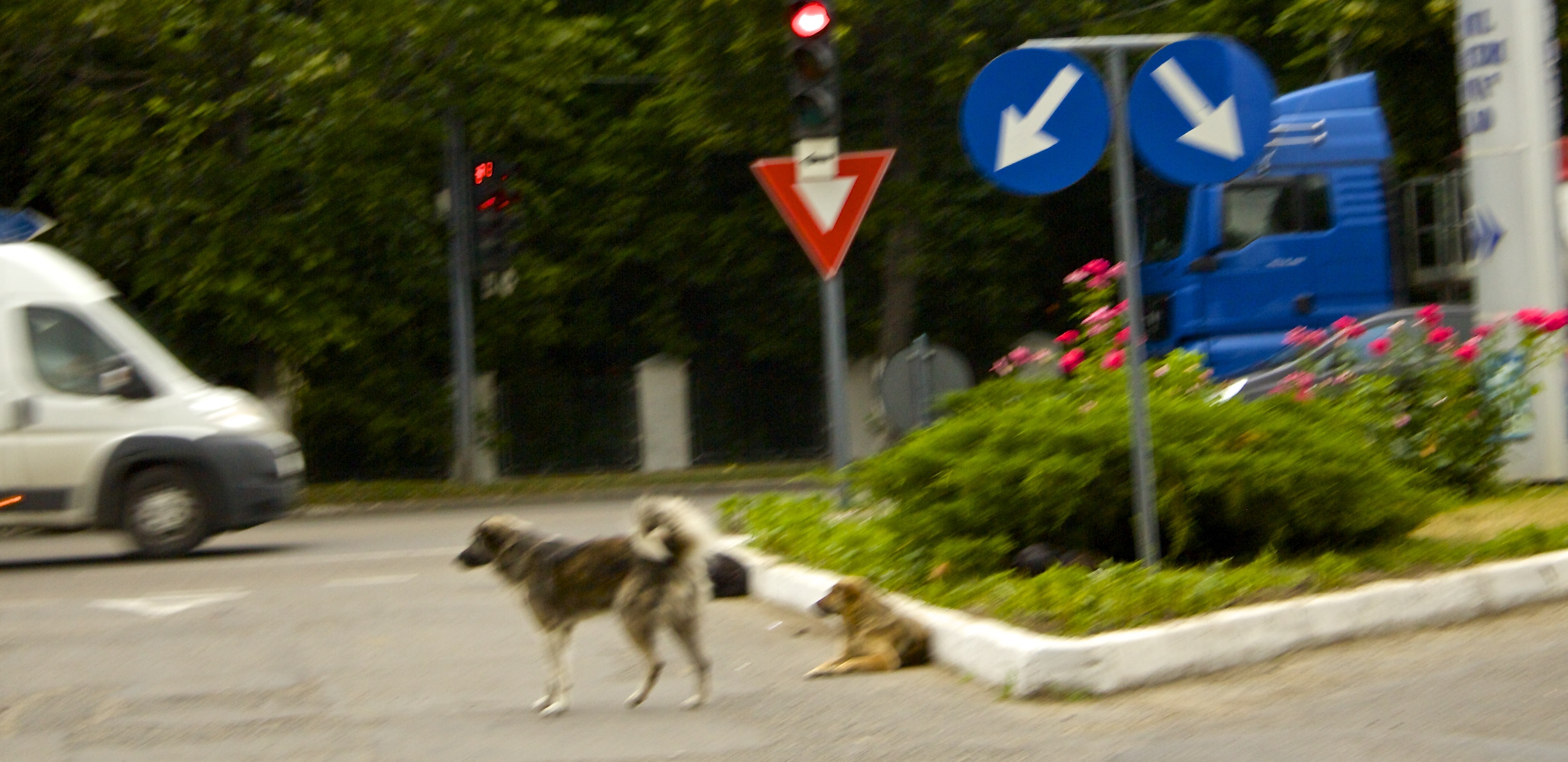
And talking of dangers, then there’s the roads. Mike Ormsby is a journalist who has lived in Romania for 25 years, yet his Never Mind the Balkans: Here’s Romania, a collection of journalistic vignettes of Romanian life, repeatedly returns to his terror of being on the roads, particularly at the mercy of mad taxi drivers. In a recent WHO (World Health Organisation) report, Romania came out as nearly as bad as the USA, with 11.1 road traffic deaths per 100,000 population, compared to the UK’s 3.7. And despite that, Romanian dogs seem to live on the roads, constantly wandering around within inches of passing traffic, and even sleeping at major intersections.
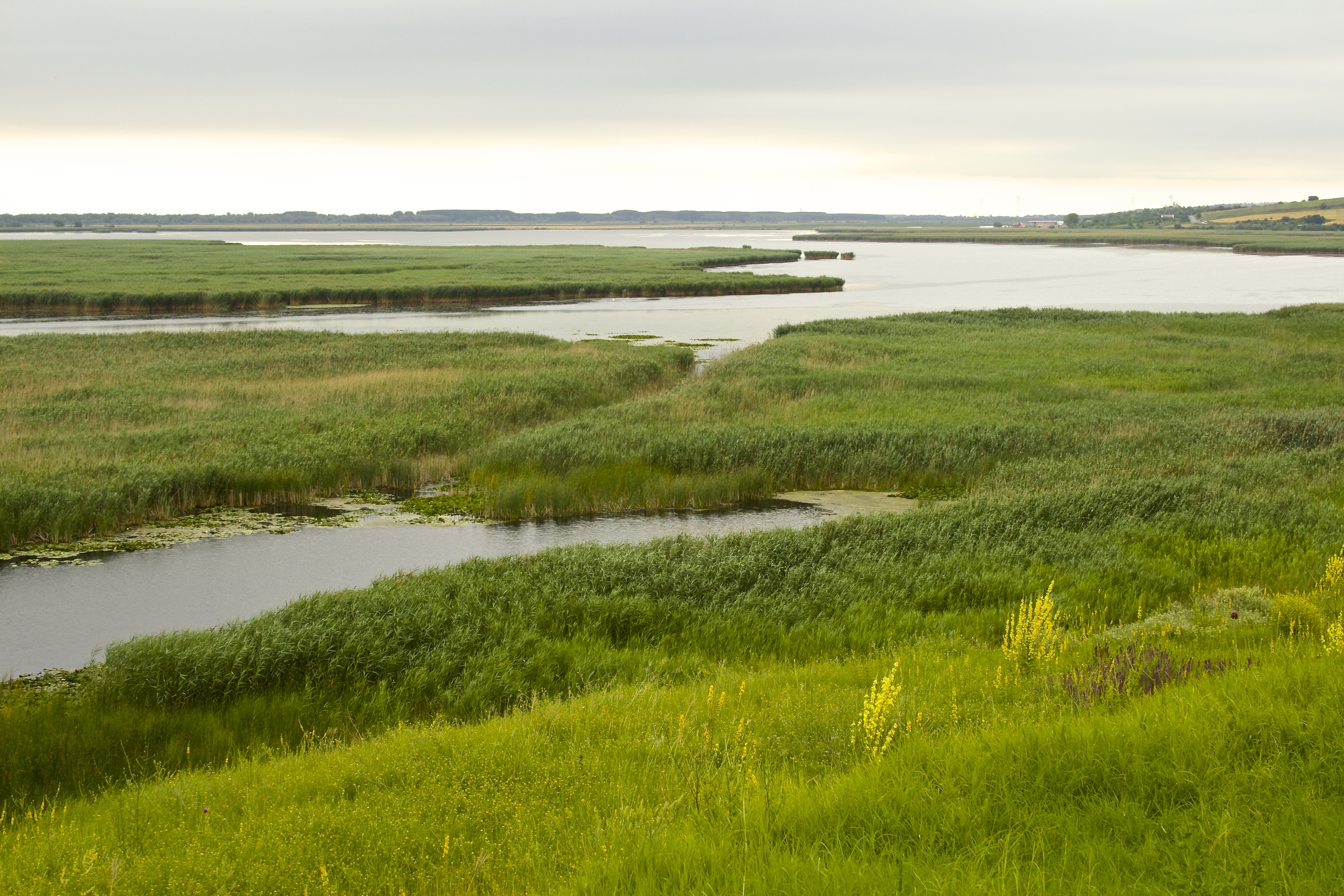
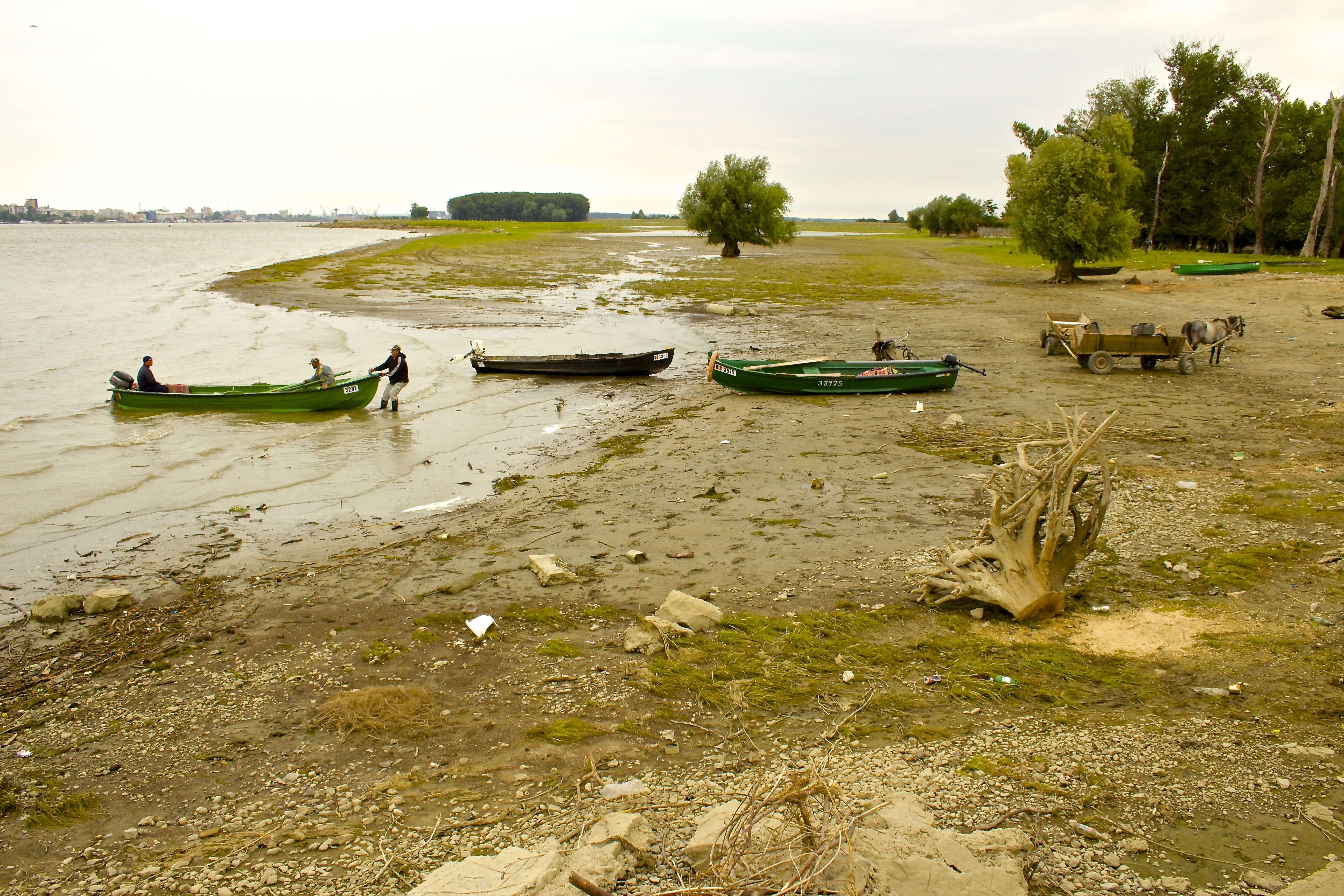
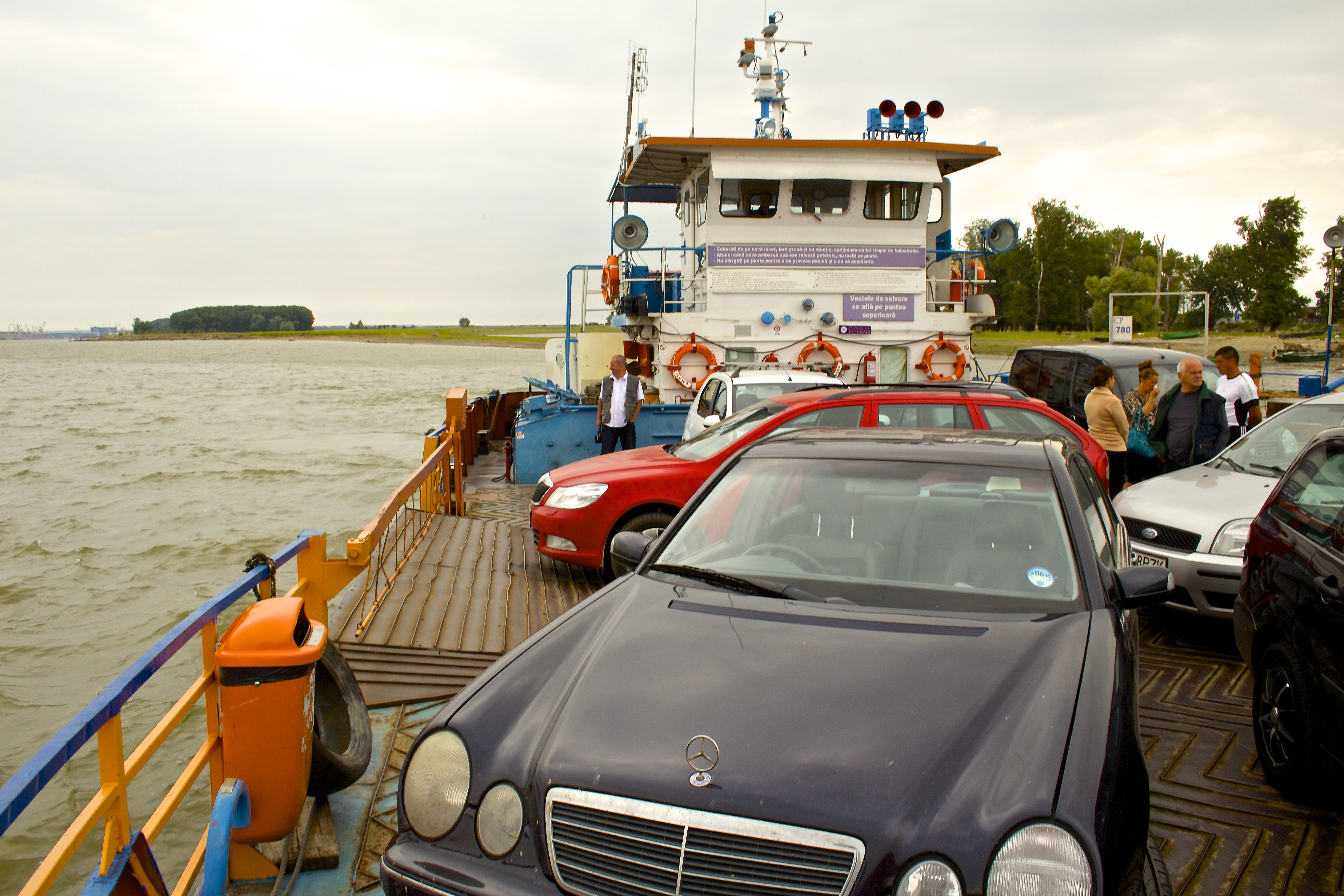
Nonetheless, I took to the road up the Danube from Tulcea early today, then taking the ferry across the river to Galati, before heading inland to Moldavia and Iasi. There’s something about ferries, and the people who live on and around them, who seem just the same, whether they are on the River Dart of my childhood, or the Surma River I once hit in Bangladesh during the monsoon. There I had too hire a team of guys to actually carry my tuc-tuc through the mud to get the thing (and me) to the other side. Mad dogs and Englishmen. These guys today were going about their everyday business, almost oblivious to the stream of humanity plying through from either side.
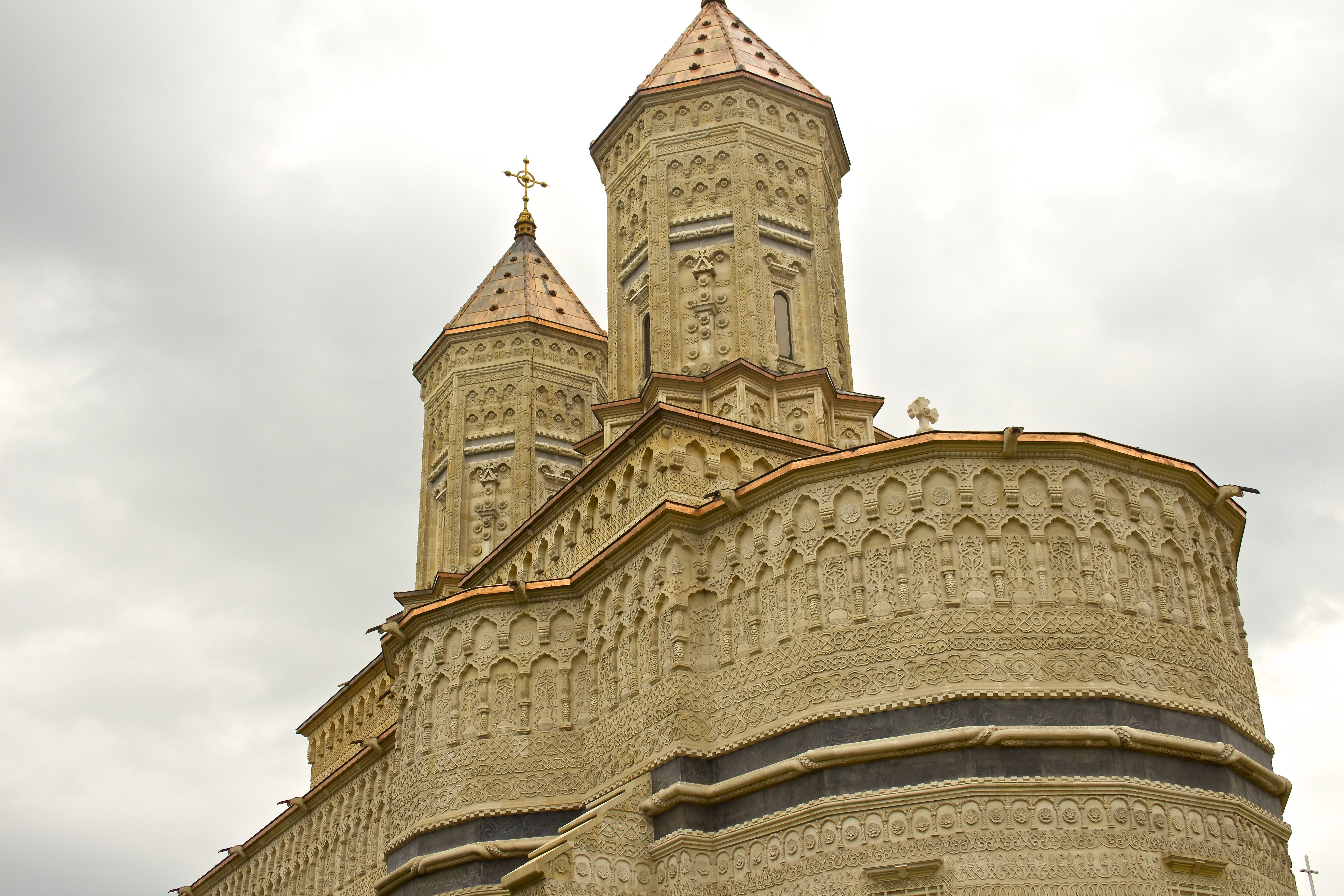
Iasi is Romania’s second largest city and capital of Moldavia since 1565. Dubbed ‘the city of a hundred churches’, it does have 47 Orthodox churches alone, seven monasteries, three Catholic cathedrals and one Lipovan church. I have been saving the religious element for the next week, but it is a fact that you can hardly drive down any road in Romania without regularly hitting signs for churches and monasteries. They are as important here as they were in England before the Reformation. Here are a few of the most prominent in Iasi, including the 1637 Church of the Three Hierarchs, notable for its unique tracery of stone, reflecting Turkish, Georgian and Armenian influences:
and the Moldavian Metropolitan Cathedral:


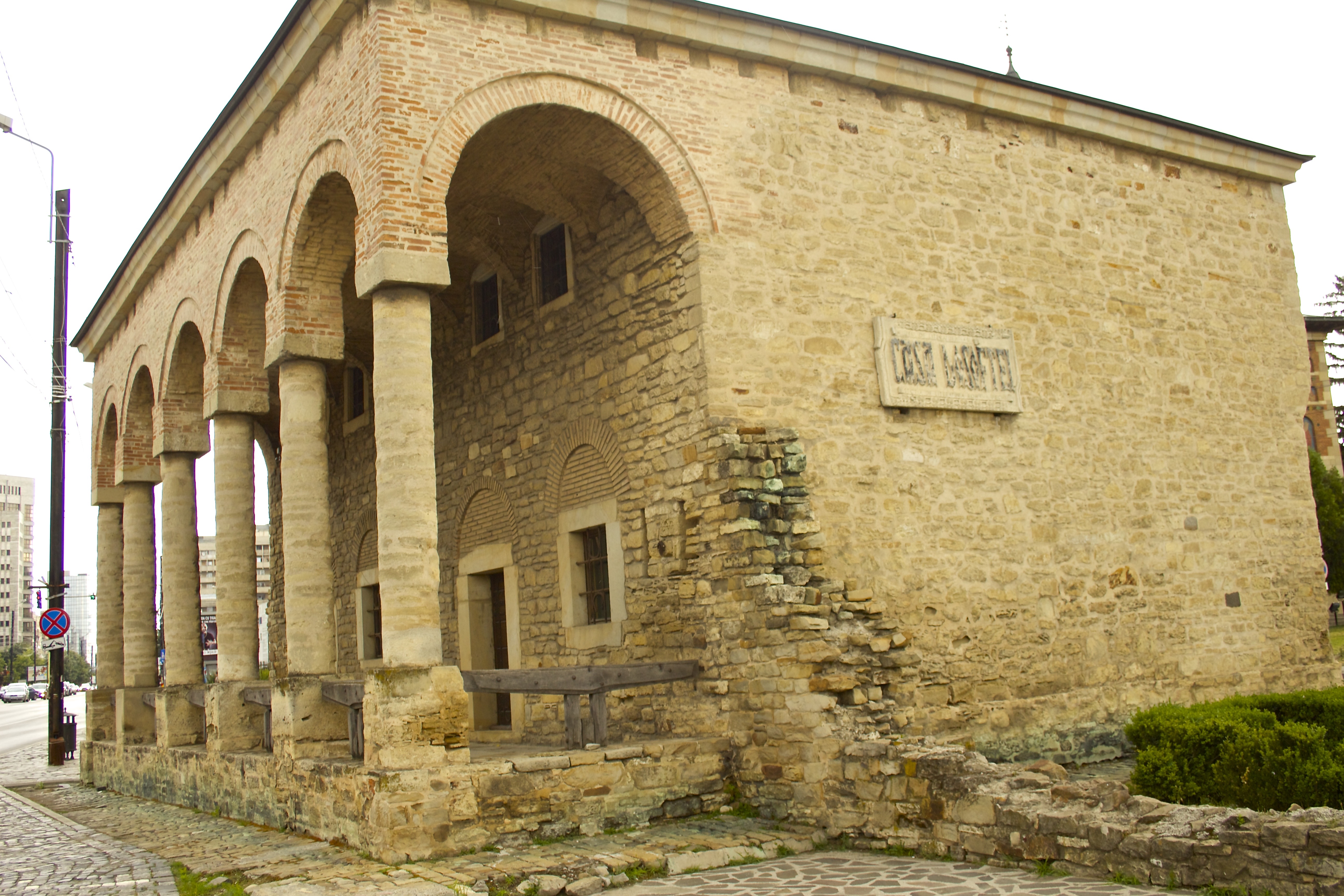
This is the Museum of Old Moldavian Literature – or mouldy old literature, how would I know, it was closed when it should have been open – housed in the 17th century Dosfotel House, the office of Moldavia’s metropolitan ruler between 1670 and 1686.
So, a city crammed with history and culture, clearly good for writers like Liviu. I ended the day getting a late night pizza, where a young local band was playing their guts out and getting their audience cheering and joining in. Watching them in their post-gig adrenaline rush, taking compliments and what I assume were complementary drinks and pizza, I recognised the buzz that follows live events, just as directing live TV scorched my 23-year old veins. In the late 70s, every other youth we filmed with wanted to be in a band. A generation later, they wanted to be in TV, as Nicoletta says they still do here. The more recent variant in Britain is the even more vacuous desire to be famous, without the drive to do anything warranting that fame. I hope that Romania is not heading down the same desolate road. I think Liviu and I agreed to differ on the final reckoning on life’s worth, and whether any system is capable of redeeming it, but our undoubted fellow feeling was challenged by my atrocious linguistic skills. Must – like the youth – try harder.
 peterleewright.com