
Sitting beside a large table of young Suceavans tonight, I realised that not only am I revisiting a stage in my evolution, but that these young folk are at a similar point. In 1968, us post-War Baby Boomers were the first generation free of oppression, struggle and austerity and loudly enjoying the freedoms that brought. These guys are at a similar position. 25 years on from the revolution, they too are their first generation to grow up free of oppression, struggle and austerity, and they are loudly enjoying it – with the added benefits of mobile phones and cars. Meanwhile, our younger generation are having a rather harder time of it than we did, financially and occupationally.
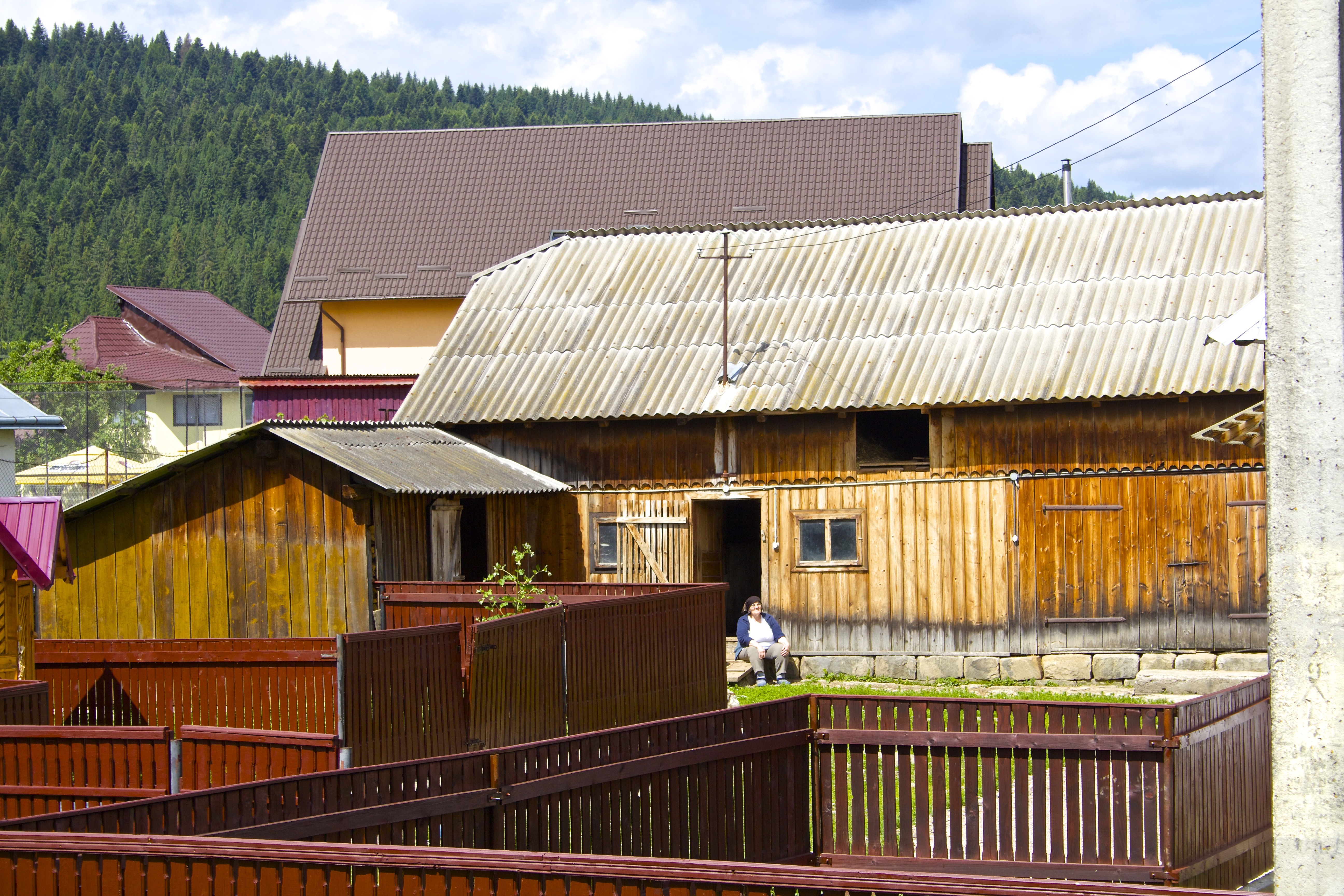
Hitting the villages, the average 25 per cent of the most able-bodied villagers who have disappeared abroad to work is immediately apparent. Sorin Fodor explained to me today that the rash of large, ugly, half-finished houses is due to this EU-facilitated gold rush. There is no tradition of lifetime mortgages here. They work abroad for ten to twenty years, coming back every now and then to pump some of their hard-earned capital into these houses. Eventually the house will be finished and they will be able to return to live in the style they believe they have imported from their experiences abroad. The lumbering style of these monstrous edifices is apparently not subject to any planning restrictions, and they are often built on family land.

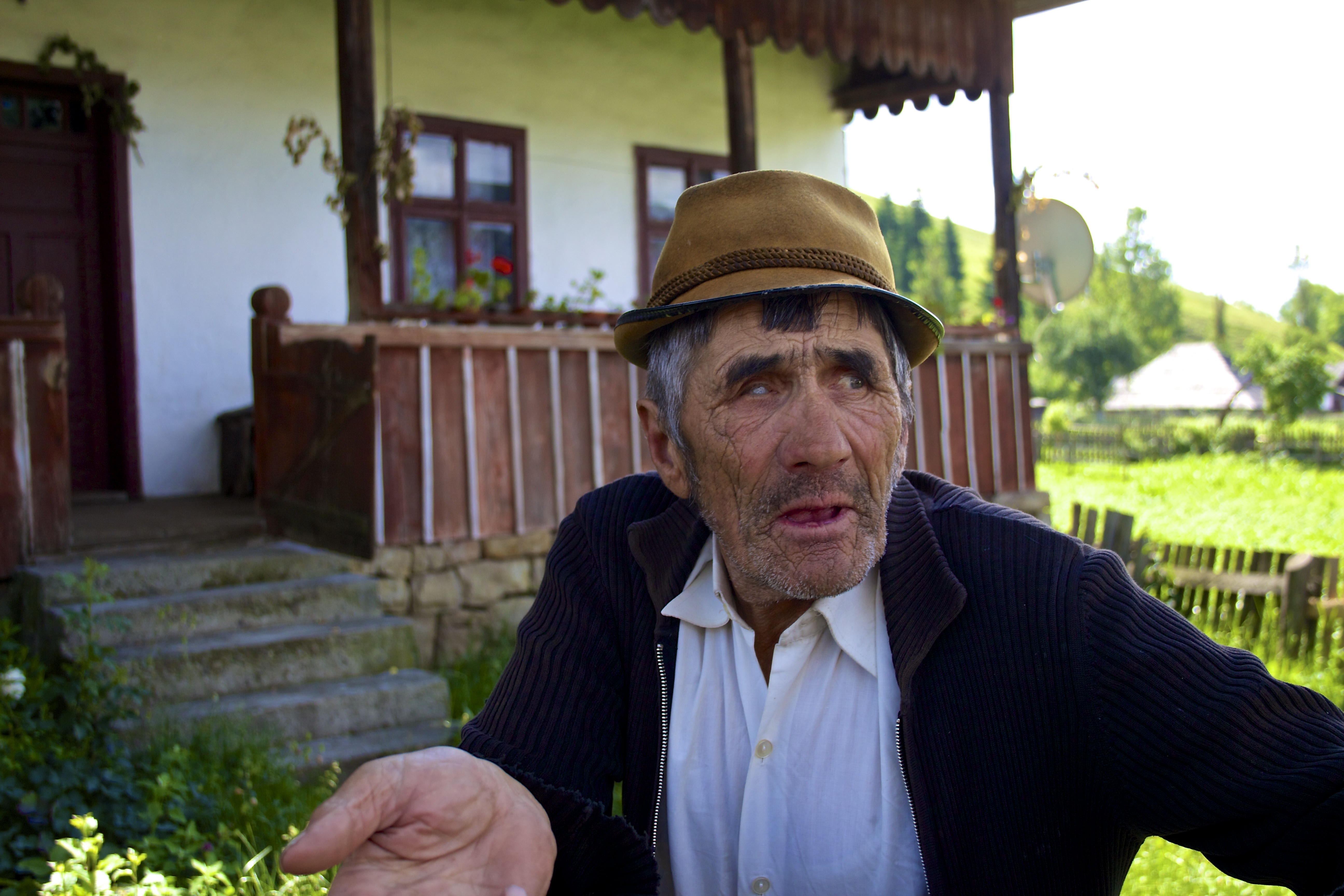
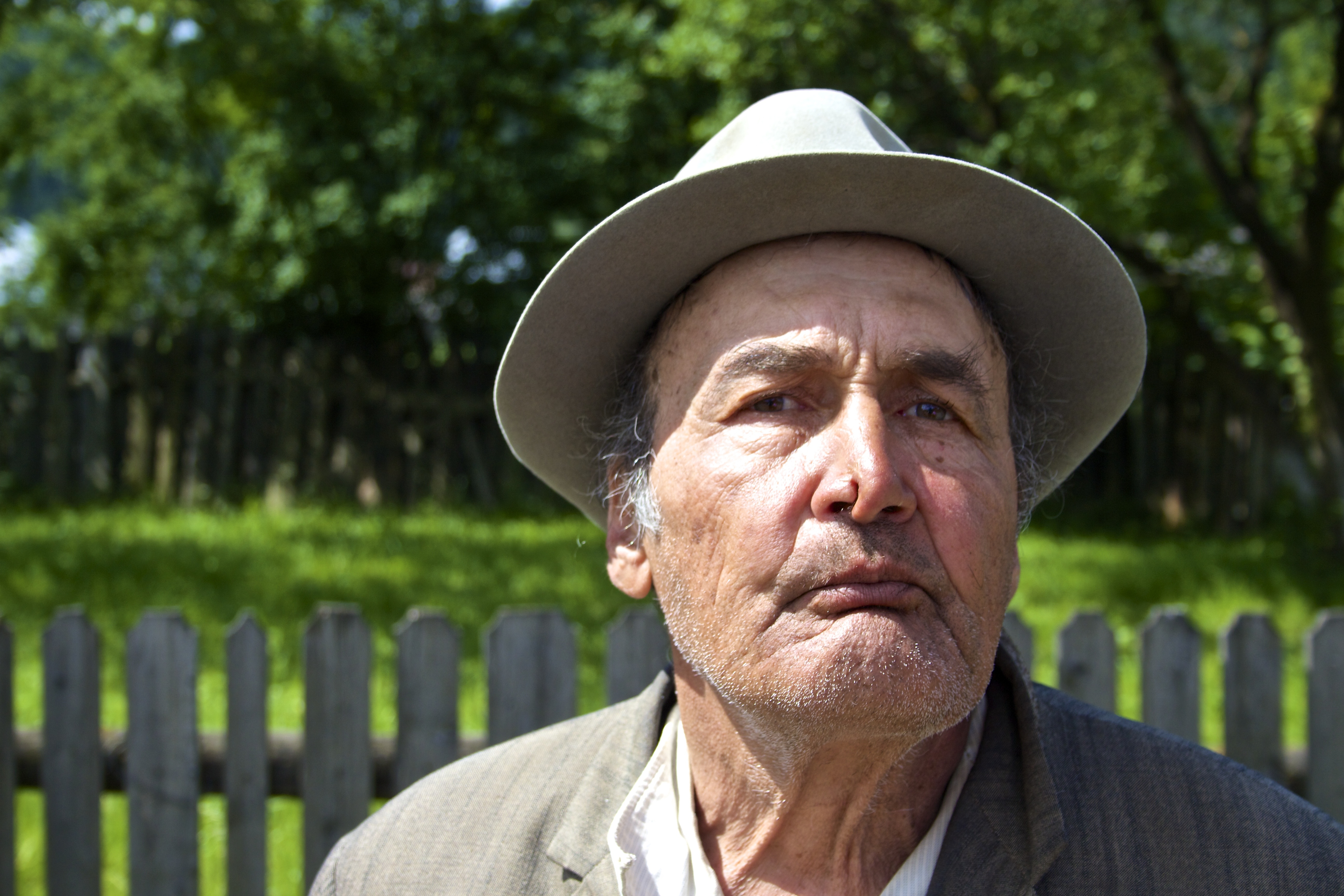
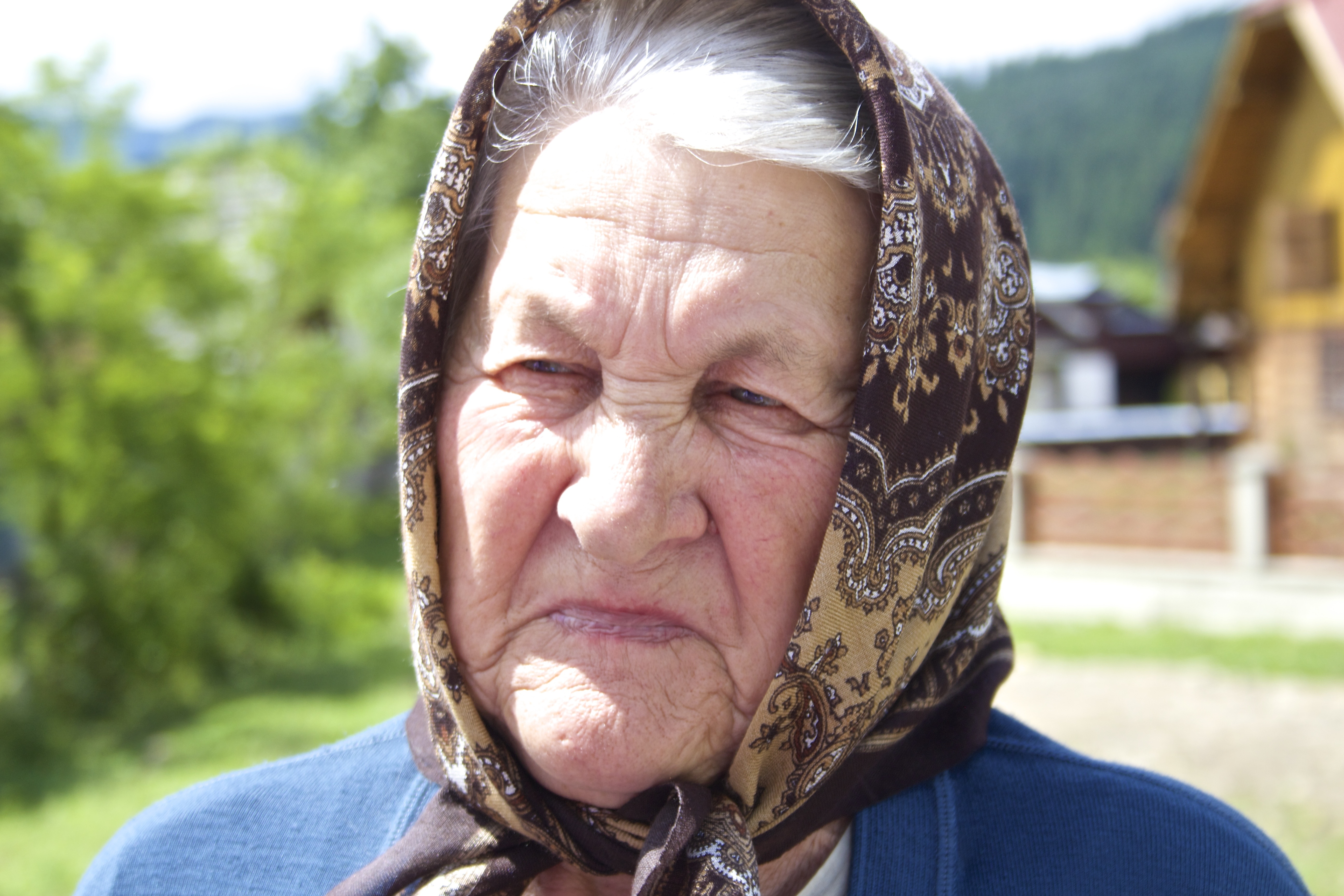
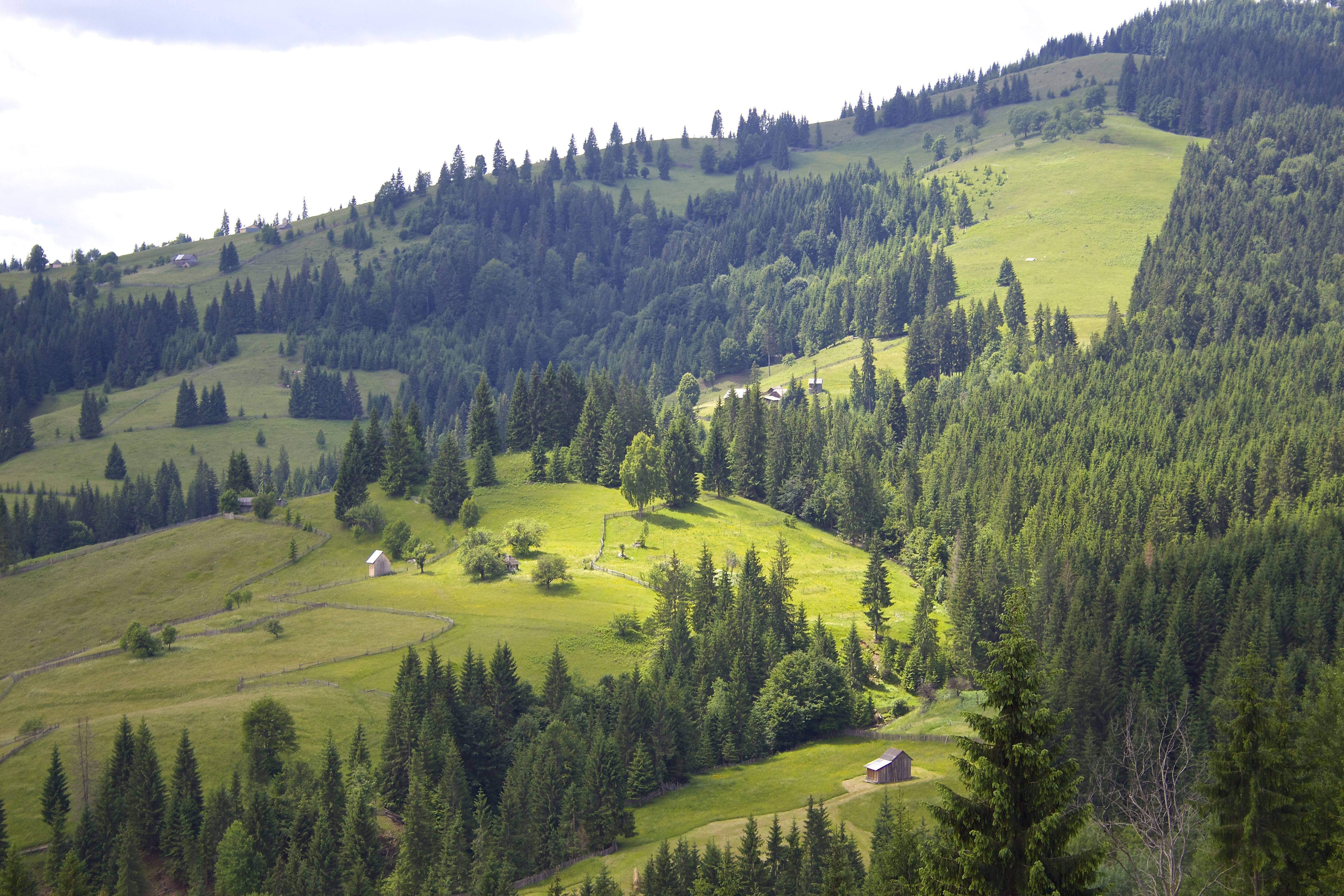
The land which was collectivized under Ceasescu was returned after 1989 to the families who owned it before 1962, ensuring the reassertion of traditional lifestyles. As soon as you come off the main roads, you do seem to be driving back to a previous century, and the preponderance of old faces only accentuates that. (One village I will visit tomorrow, Marginea, has lost over 80 per cent of its 7,000 population, due to its international reputation for producing top class construction craftsmen.)
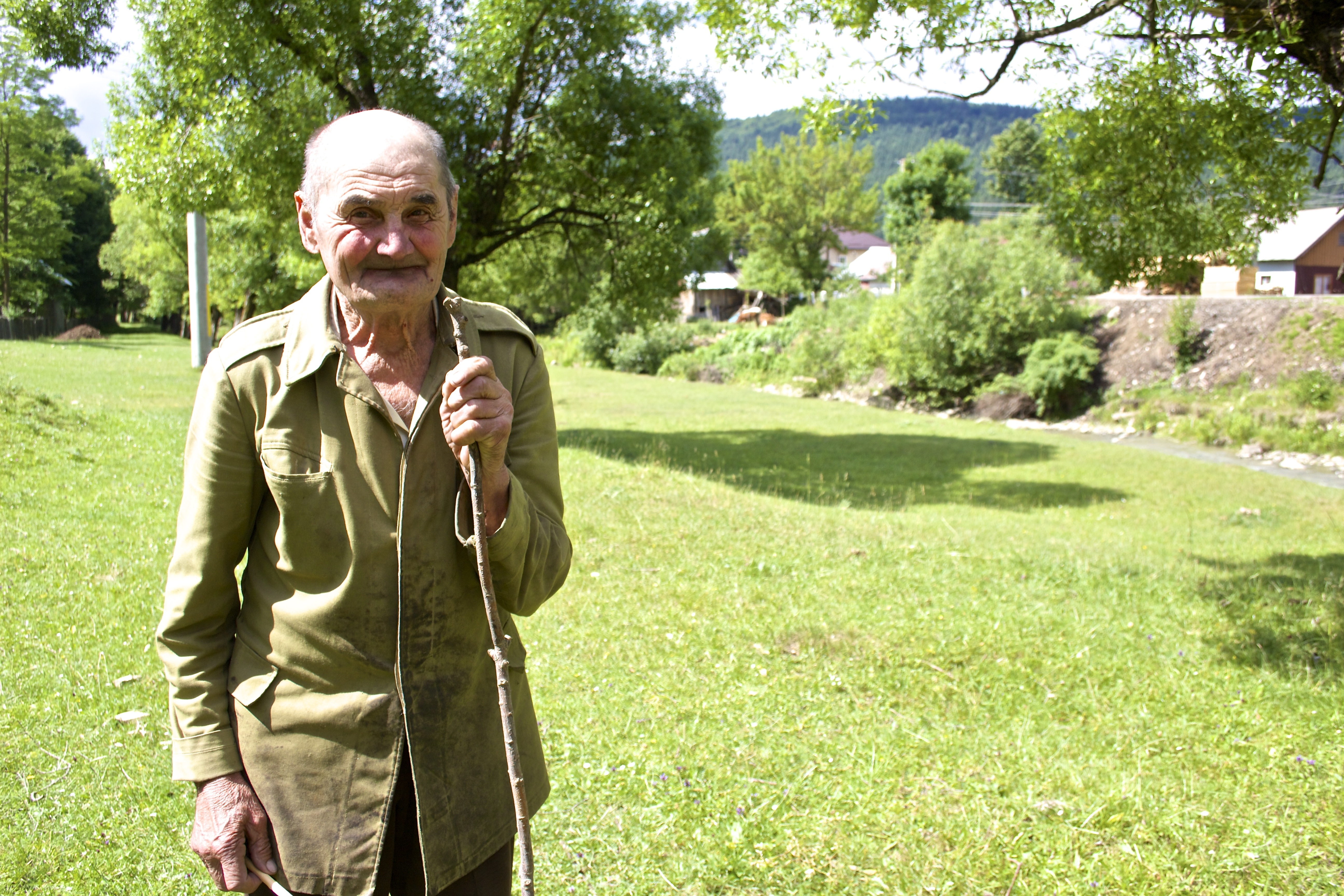
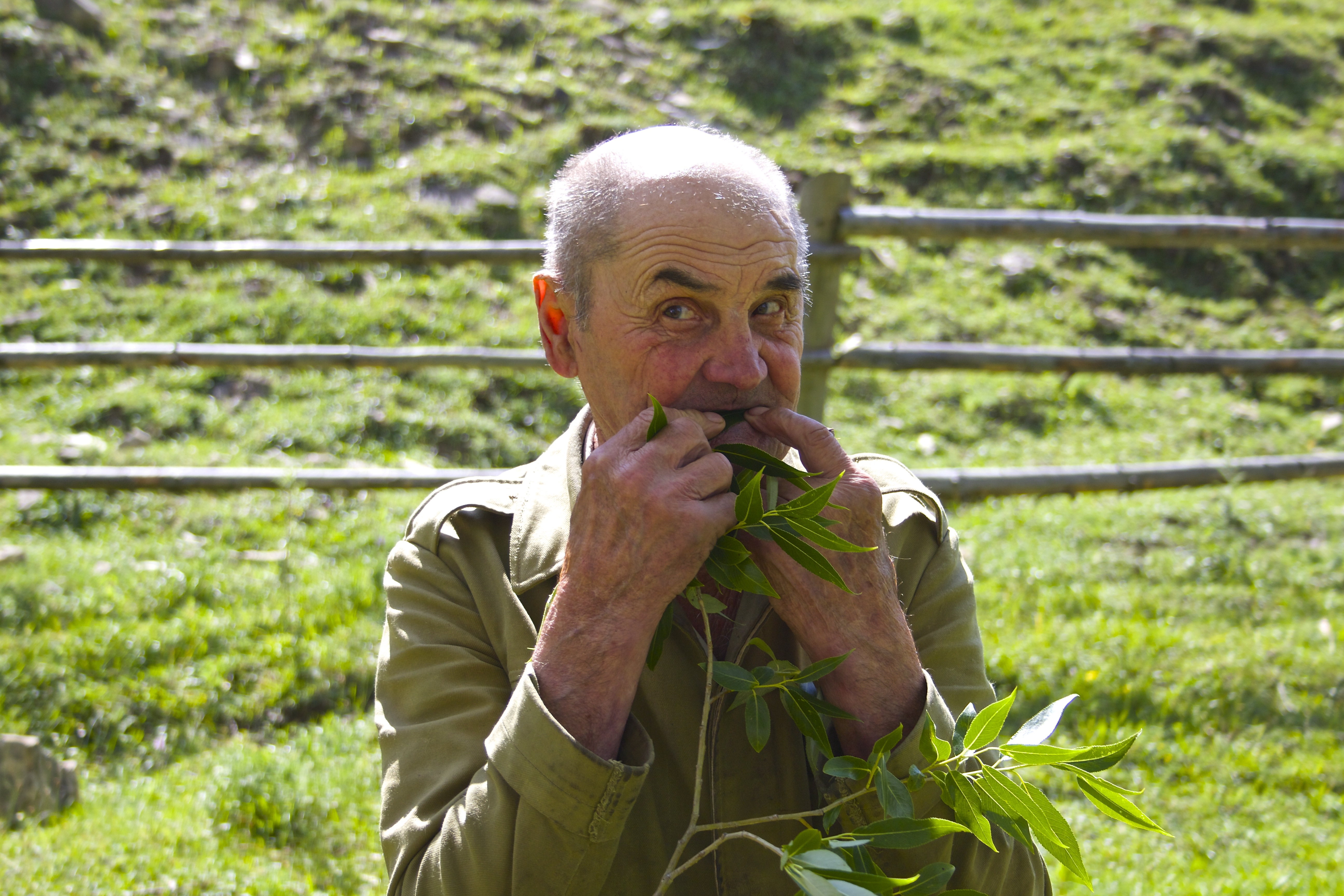
This shepherd, Alexandru Timos, is 85 and has been a shepherd since he was five years old. The farmers of any village hire a man or woman to tend their collective cattle or flock, which they graze on common land, as I have noted often beside the road, but also on the surrounding hills. Alexandru finds the hills a bit steep at his age, so he leaves his dog in charge while he hangs out below. He displayed his talent for blowing tunes through willow leaves, presumably the original technology for the kazoo.
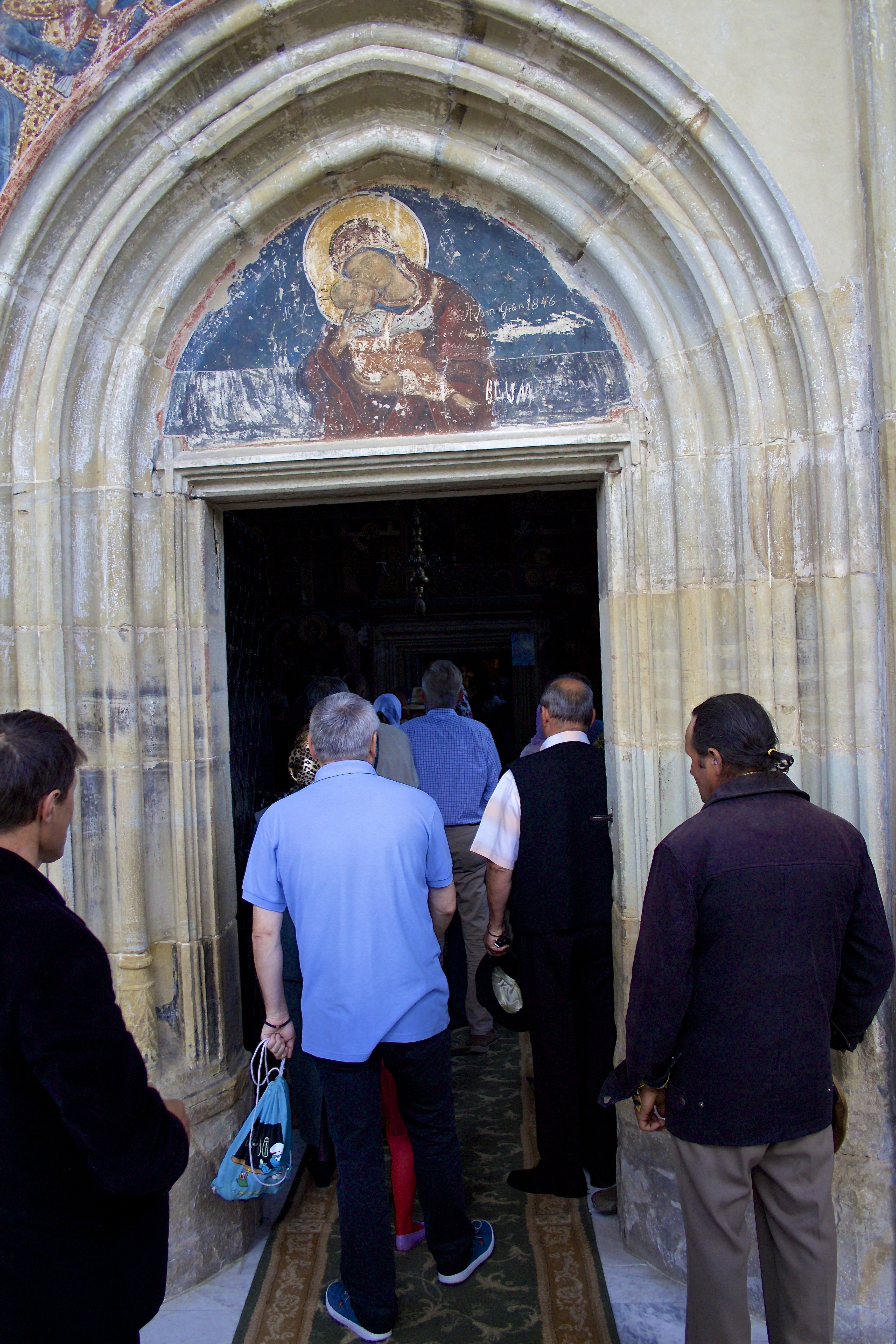
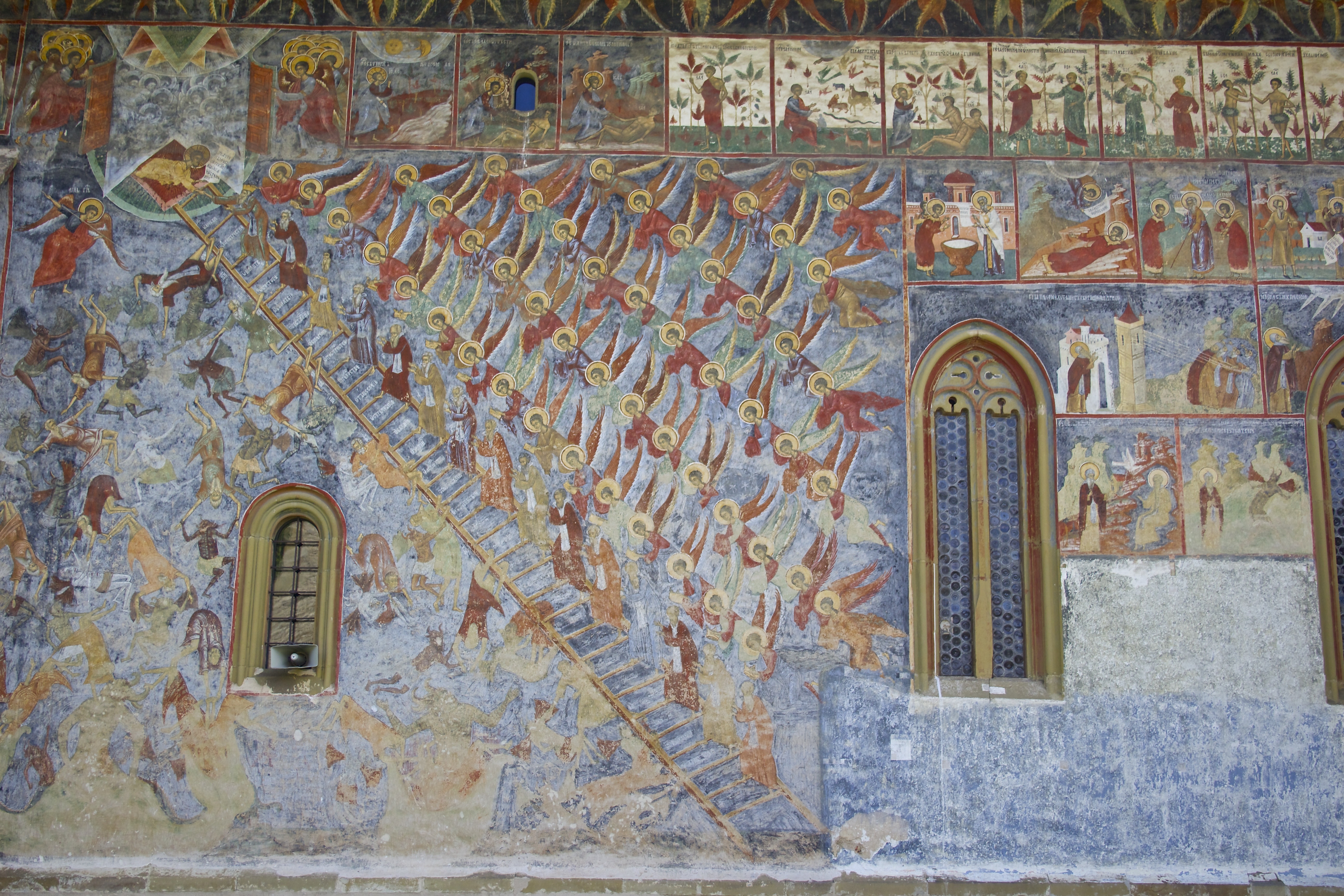
Meanwhile, Sunday in Moldovitsa was typical, with people young and old, including families with young children, crammed into the monastery church for the 2-hour morning service.
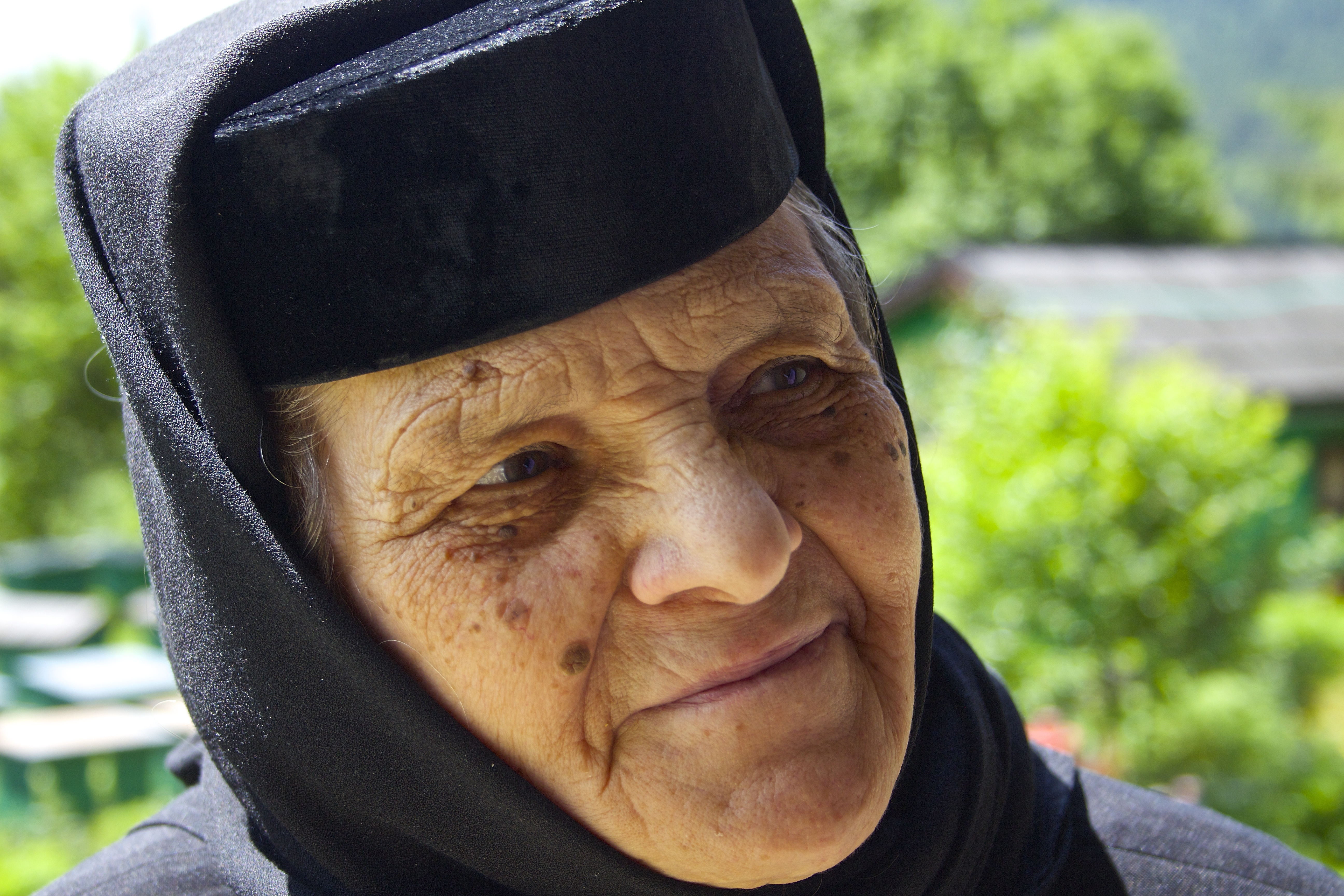
Meanwhile I was talking to Sr Theodora, 35, who was explaining the long tradition of young women entering the monastery (they don’t call them nunneries here) originally in their teens, but now more commonly after graduating. She had graduated from the Bucharest Conservatoire of Music as an organist, but had seven years ago committed her life to God. Unlike Catholics, these nuns do not style themselves Brides of Christ, and are not proselytes. They offer sanctuary and spiritual succour to the villagers who come to them. But the demands of modernity have made them accommodate the tourist hordes, at cost to their spiritual peace, for twelve hours a day, seven days a week, during the summer season.
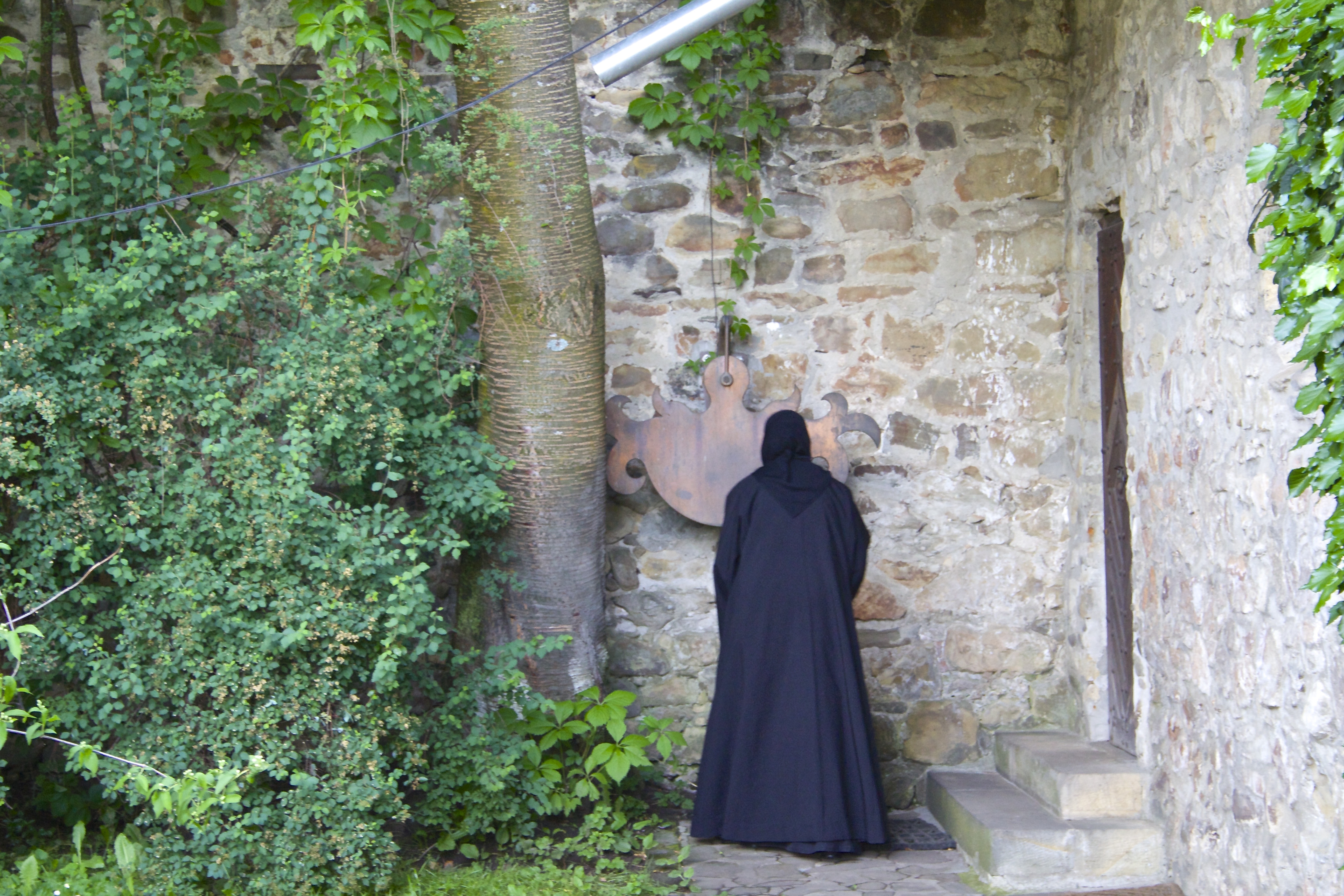
Nuns took over some monasteries when the Communists forced working-age monks to take regular employment during the 70s and 80s. Those who refused were imprisoned and some died there. There are still about three times as many nuns as monks, and they are clearly well looked after and look healthier in old age than many of the village women.
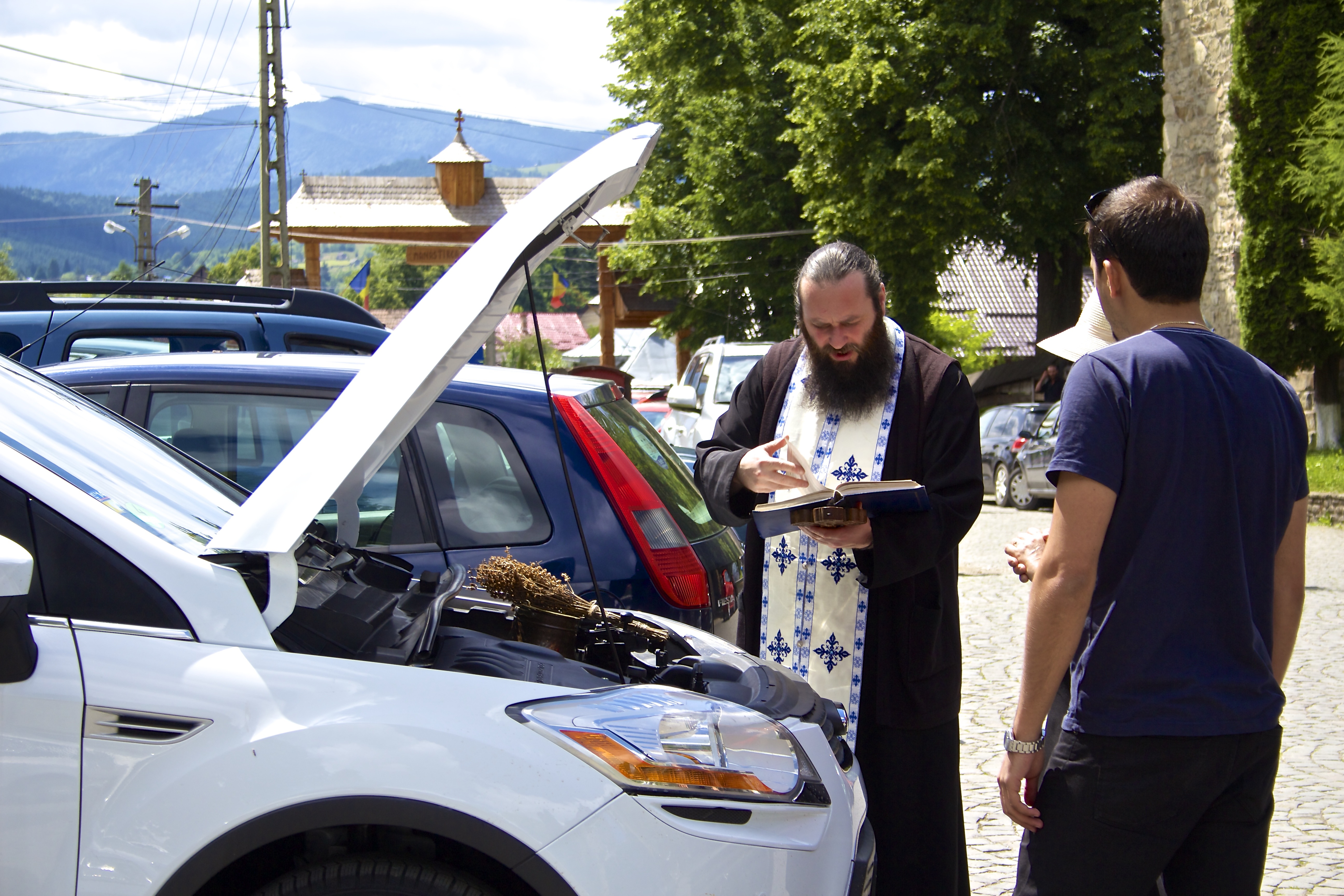
Commercialisation is not so bad at Moldovitsa and Sucevitsa as it I found it at Voronet, and today the camera-toting tourists were outnumbered by the religious villagers. However, I was at the monastery gate when a posse of Polish bikers arrived in an aggressive show of black-leathered force, like a squad of storm-troopers about to take over the village. When they took off their camera-topped helmets, their shaven skulls gleamed in the sun and they stomped around getting in everyone’s way. I guess they are just getting their own back for 1939. Meanwhile, the priest had been called upon to bless one couple’s new car.
One of the more extraordinary effects of my trip to Romania in 1969 was that, some years later, my mother persuaded my father to take her here, enjoyed it, and returned with a passion for the music of George Enescu (1881-1955). I have not managed to consume much culture while here – both radio and television I have caught seems uniformly commercial and low-rent – but I have been reading Romanian novels translated into English by Profusion Books. These are strong voices with idiosyncratic idioms, but I have yet to plumb the depths of the Romanian soul. Their persistent religiosity continues to astonish. It has sustained them through so many troubled times, but it remains to be seen whether it will survive the decades working abroad. Will they, for instance, be as keen to bring in offerings of bread and wine for the souls of their dear departed on the anniversary of their death?

By the same token, there is a battle raging in Romania over the future of their forests which, up to now, are being hacked down by one of the biggest international wood processing firms, Austrian-owned Egger, with a vast plant near here in Moldavia.
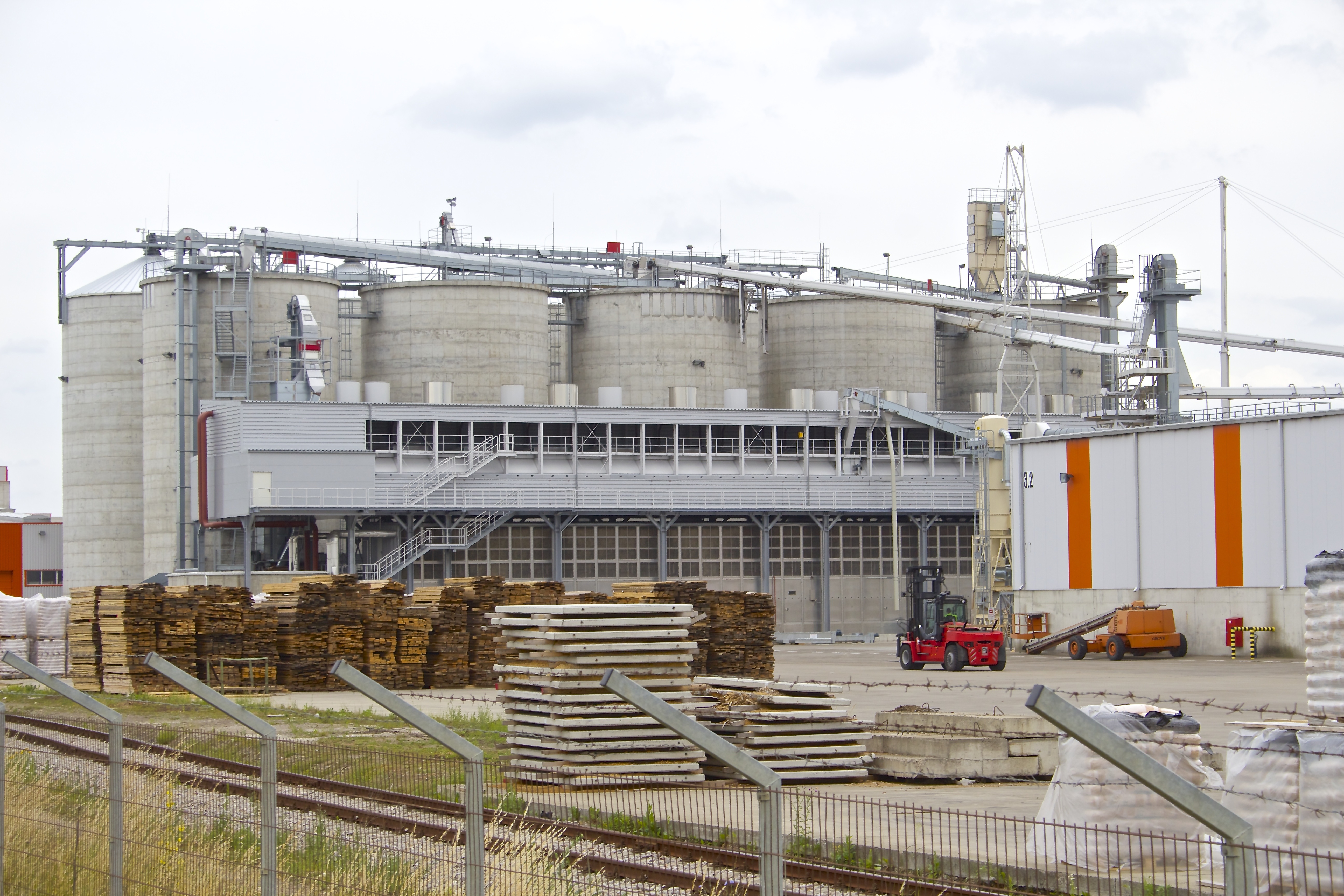
The new president, Klaus Johannis, introduced a civic code intended to restrict their current, unregulated deforestation of Romania, which had been allowed, allegedly corruptly, by the previous administration. His political opponent, the besieged prime minister Victor Ponta, is currently enjoying diplomatic sick leave, and the code’s introduction has been deferred a couple of months while Egger lobby hard, threatening the loss of 3,000 jobs. It’s another battle for the Romanian soul.
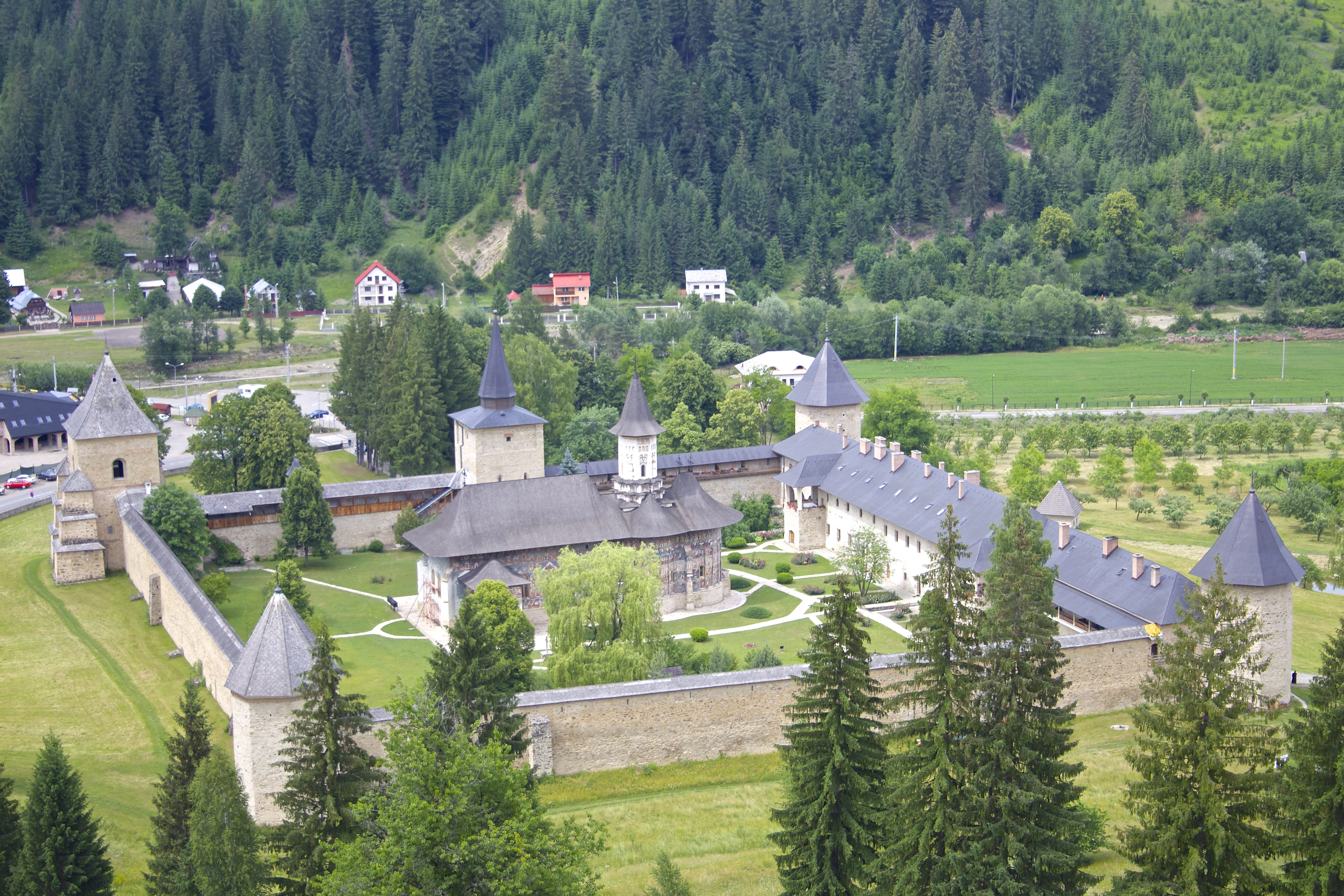
Tomorrow I return to spend a day and night at Putna monastery, where I was staying in August 1968 when the Russians invaded Czechoslovakia to put down the Prague Spring. I suspect that wifi will not be on offer, so may not post until the day after tomorrow. At least I won’t be climbing steep hillsides as I did this afternoon to get this topshot of the large fortified monastery of Sucevita.
 peterleewright.com