
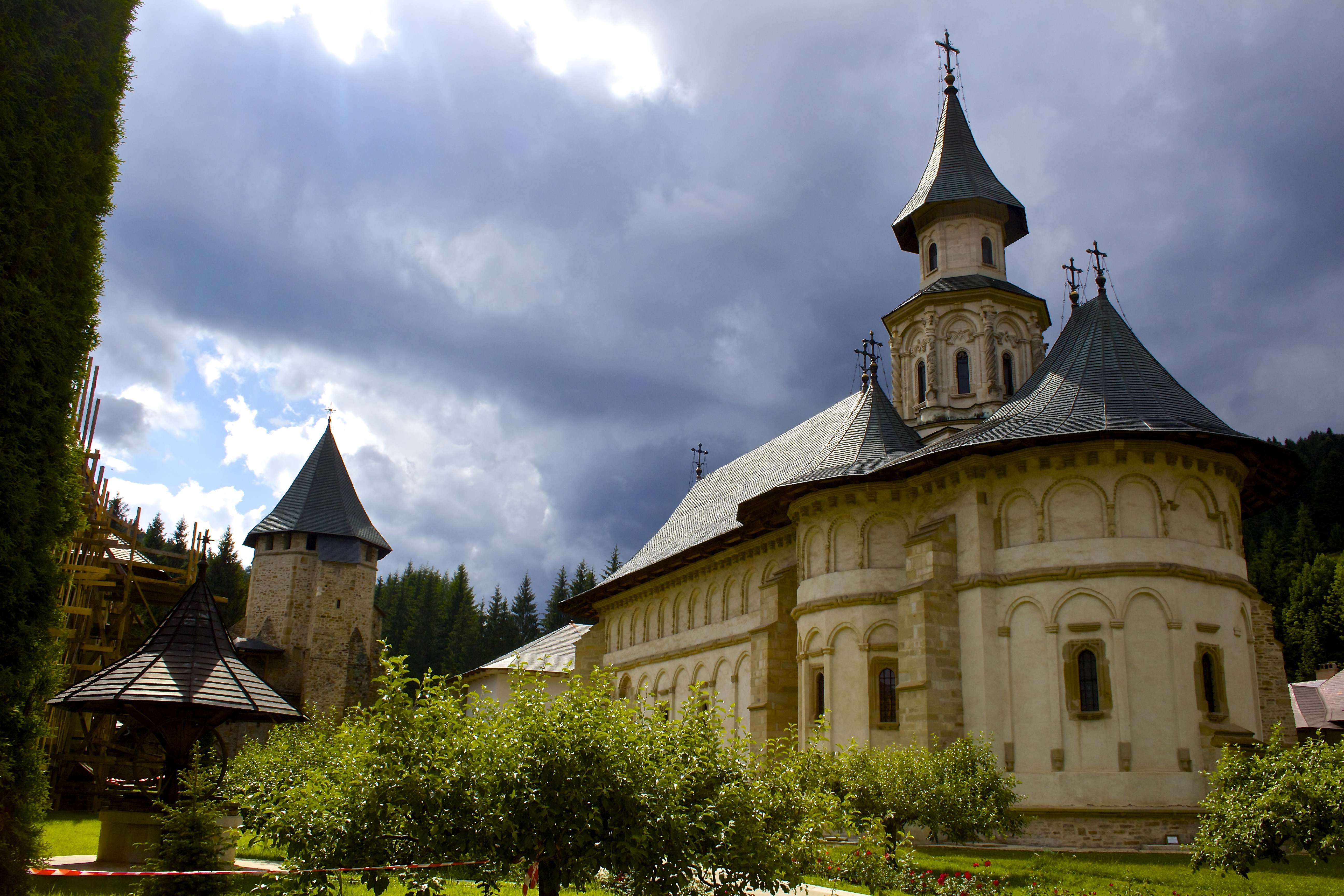
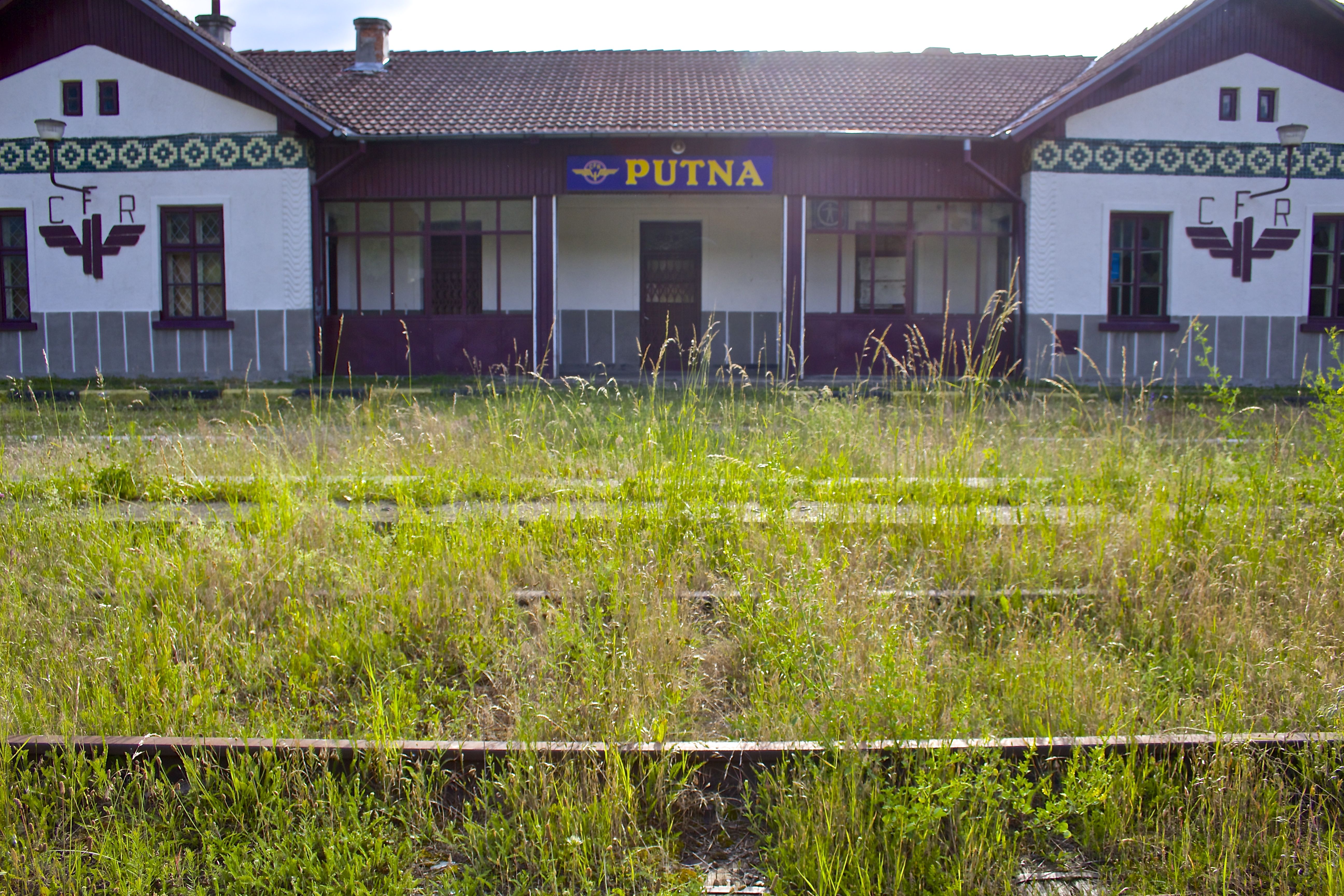
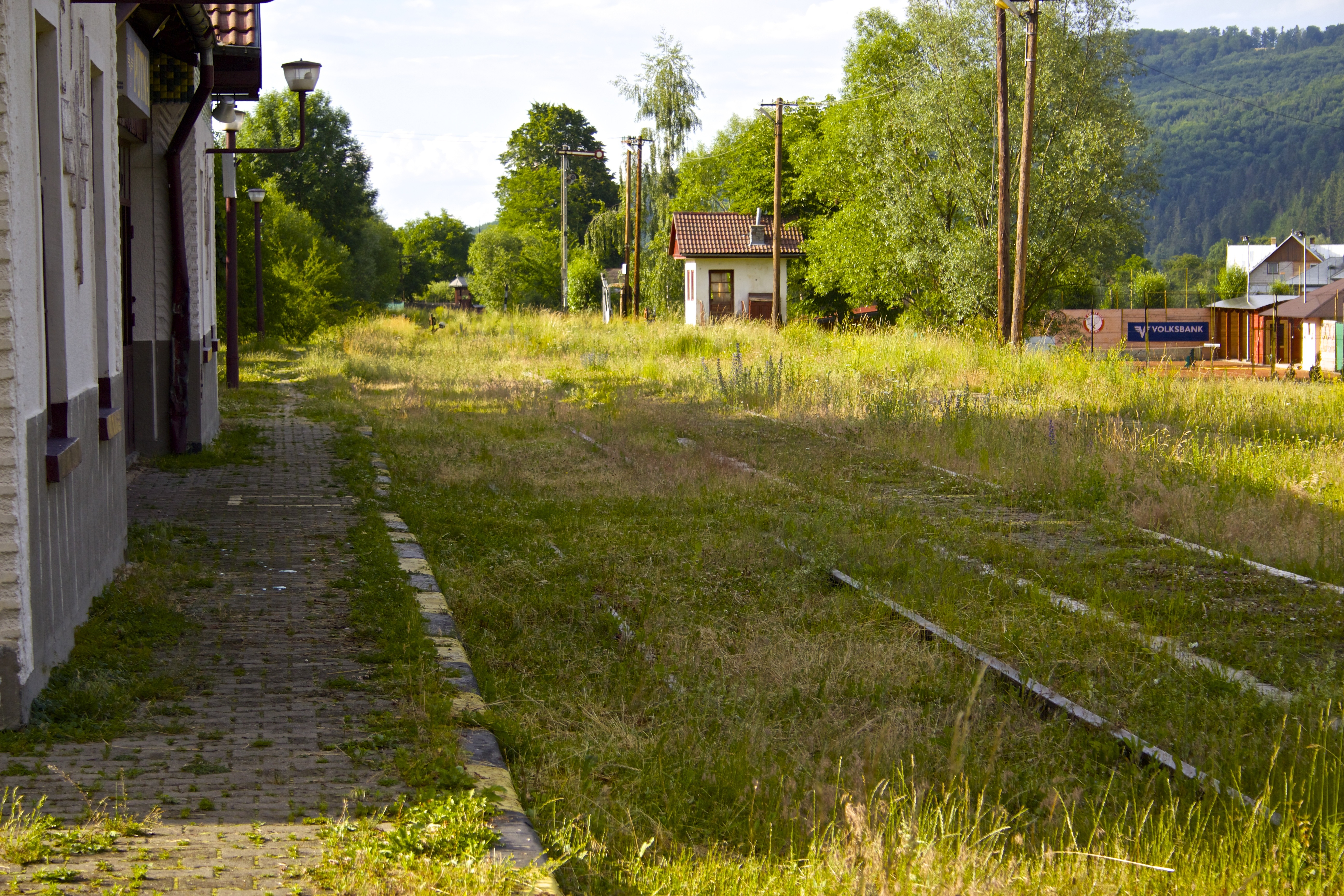
24 hours cut off from the interweb, alcohol and meat – I should do this more often. I was staying at Putna monastery, 3 km from the Ukraine border, just as I was on 20th August 1968, when the Soviets invaded Czechoslovakia to put down the Prague Spring. Troop trains were moving through the village full of soldiers many younger than me, carrying rifles probably older than me. Ceasescu made the finest speech of his life, long before he went mad, saying Romania would stand up to such Warsaw Pact aggression with their last drop of blood; and I would say that this was the moment that I discovered my journalistic vocation, if that’s not too strong a word for what passed for a career. It was unusually exciting for an 18-year old to find himself caught up so unexpectedly in the maelstrom of world events. By coincidence, the Putna branch line was also recently retired, so the only things crossing these tracks now are weeds.
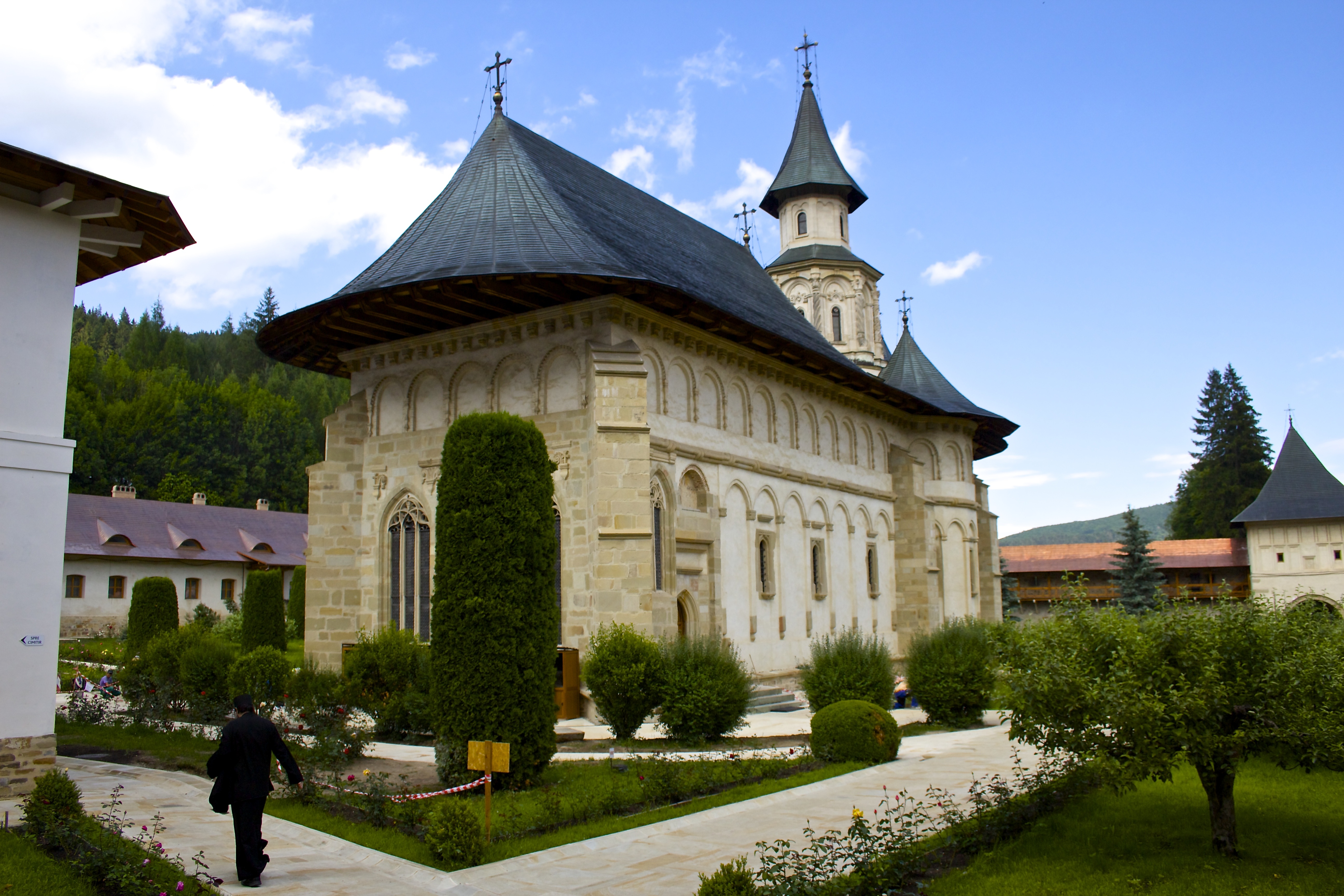
But this is not quite the contemplative backwater I was expecting. In 1968, the monks were mainly much older, the young having been requisitioned by the state for more productive work. Today, the average age of the hundred monks at Putna is just 35. I asked one – a history graduate who had become a monk at the age of 25 in 2001 – why he had. His answer was that it was the same as marriage: you fall in love and cannot settle for anything else. Traditionally – naturally he says – one in ten men have the vocation, but materialistic corruption and the attractions of fornication means much less than one per cent now recognise it. The vocation is not to walk away from the world and find some inner peace, but to work actively for the salvation of souls by engaging with society, however grim they see it. And this monk in particular saw it as very grim indeed, consumed by egocentrism and largely lost to altruism, brotherly love and to God. He saw our materialistic society as suicidal, and anticipated future war.
I don’t think all are as nihilistic, which suggests there is a ‘catholic’ element to orthodoxy. Long conversations with other monks fleshed out an engagement with contemporary affairs, whether it be arguments about Russia’s actions in the Ukraine or the deforestation being practised by the Austrian multinational Egger. Some have PhDs, doing original research work not just on medieval manuscripts but in fields such as mathematics at top American universities. Far from being technophobes, they all have the latest mobile phones and make full research use of the internet. What is fascinating is that this is evidence of a new flourishing of these monasteries, well at least this one, as centres of learning and intellectual concern that they were when first founded in the late middle ages. These are not hermits who have found a way of avoiding the pressures and pains of modern life, but strong minds who see no contradiction between their dedicated spirituality, their chosen intellectual disciplines and their engagement with contemporary society. I have always found this comprehensible in the context of the medieval, but unnerving to discover alive and attractive to young men in the digital age.
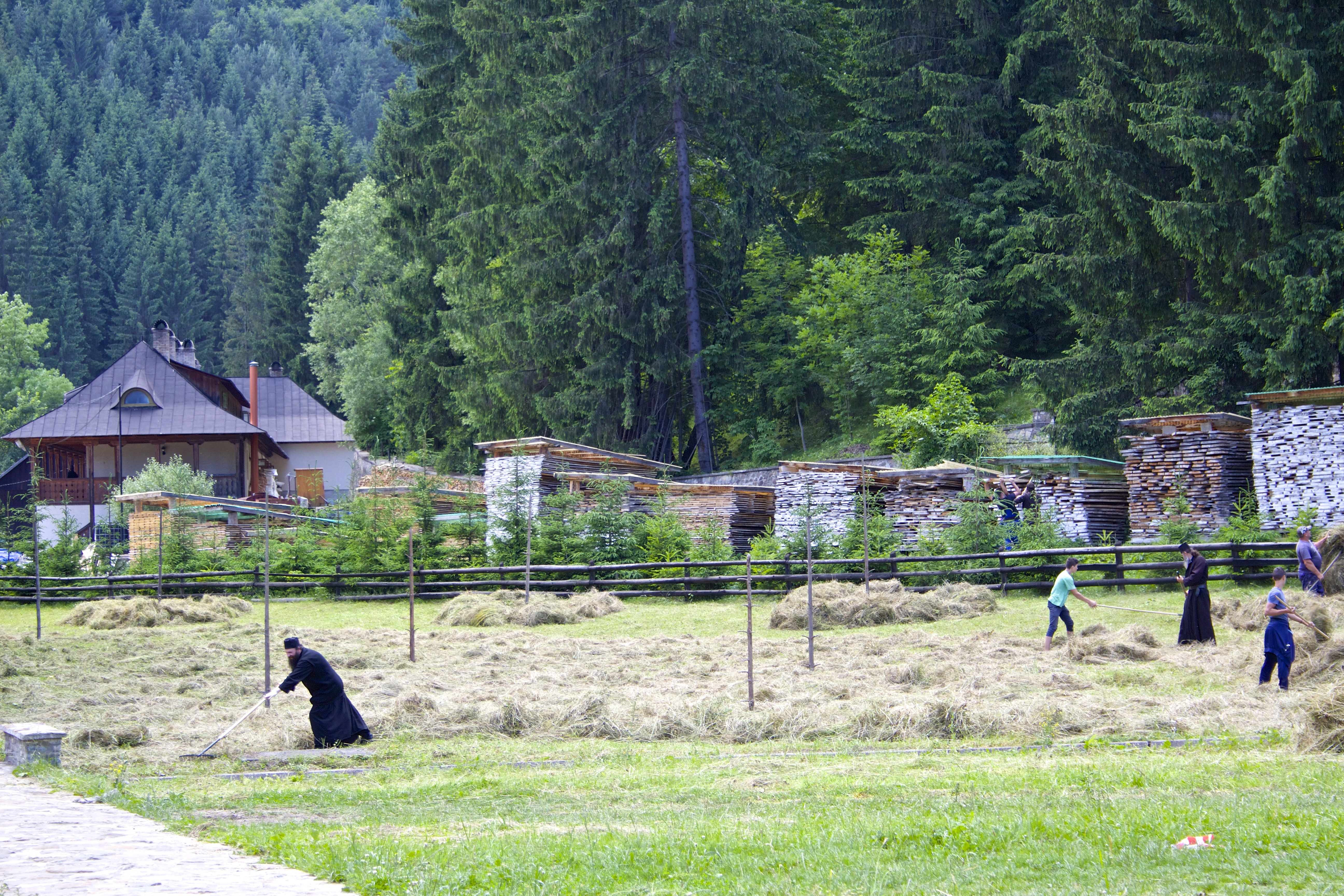
They all have particular jobs, which reflect their particular skills, but also – despite employing 50 locals for jobs in kitchens, cleaning, maintenance and laundry – they muck in with community needs, such as the current hay-making. They also run their own farm some 10km from the monastery, which has herds of animals and produces much of their own food. I was there during a fast period – 3 weeks, 3 days of strictures for Saints Peter and Paul – and the guest house manager/father apologised about the simple food. It was absolutely delicious vegetarian fare, and copious amounts were served three times a day, so they don’t go short. I recalled a ritual with a cake with the monks a night or two before the Czech invasion. All at the table grabbed the plate on which a cake dripping with booze sat and moved it up and down in the air several times, chanting something I did not understand. This I was told is an act of memorial for the dead – just as the presentation of gifts in chapels on the anniversary of relatives’ death – and they say this cultus of the dead is peculiar to the Romanian orthodox church. This deserves further study, though I also always found Iberian Catholicism to be excessively morbid, with its life-like bodies of Christ with dripping wounds, not to mention crypts lined with the skulls of dead monks. However, much food for thought.
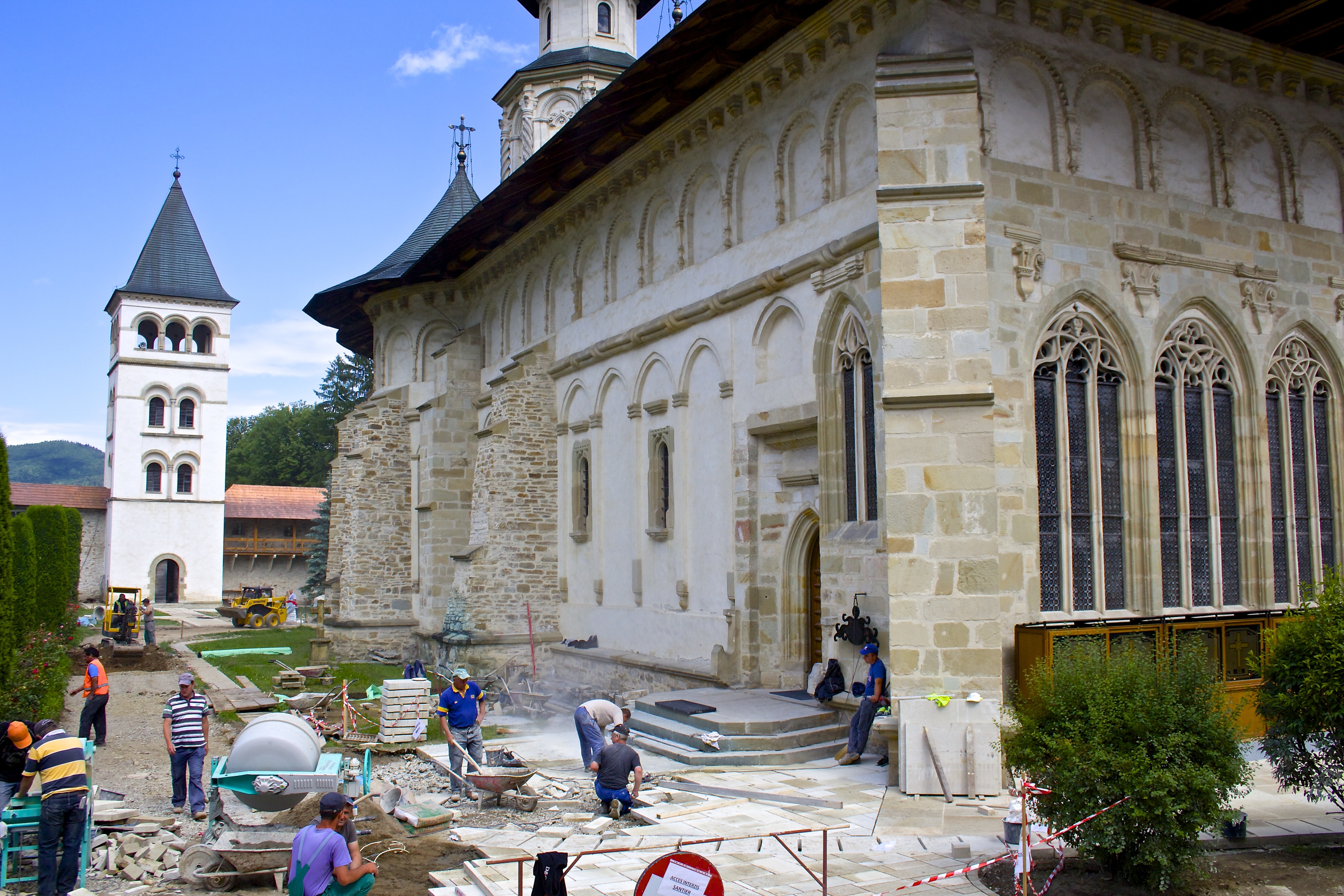
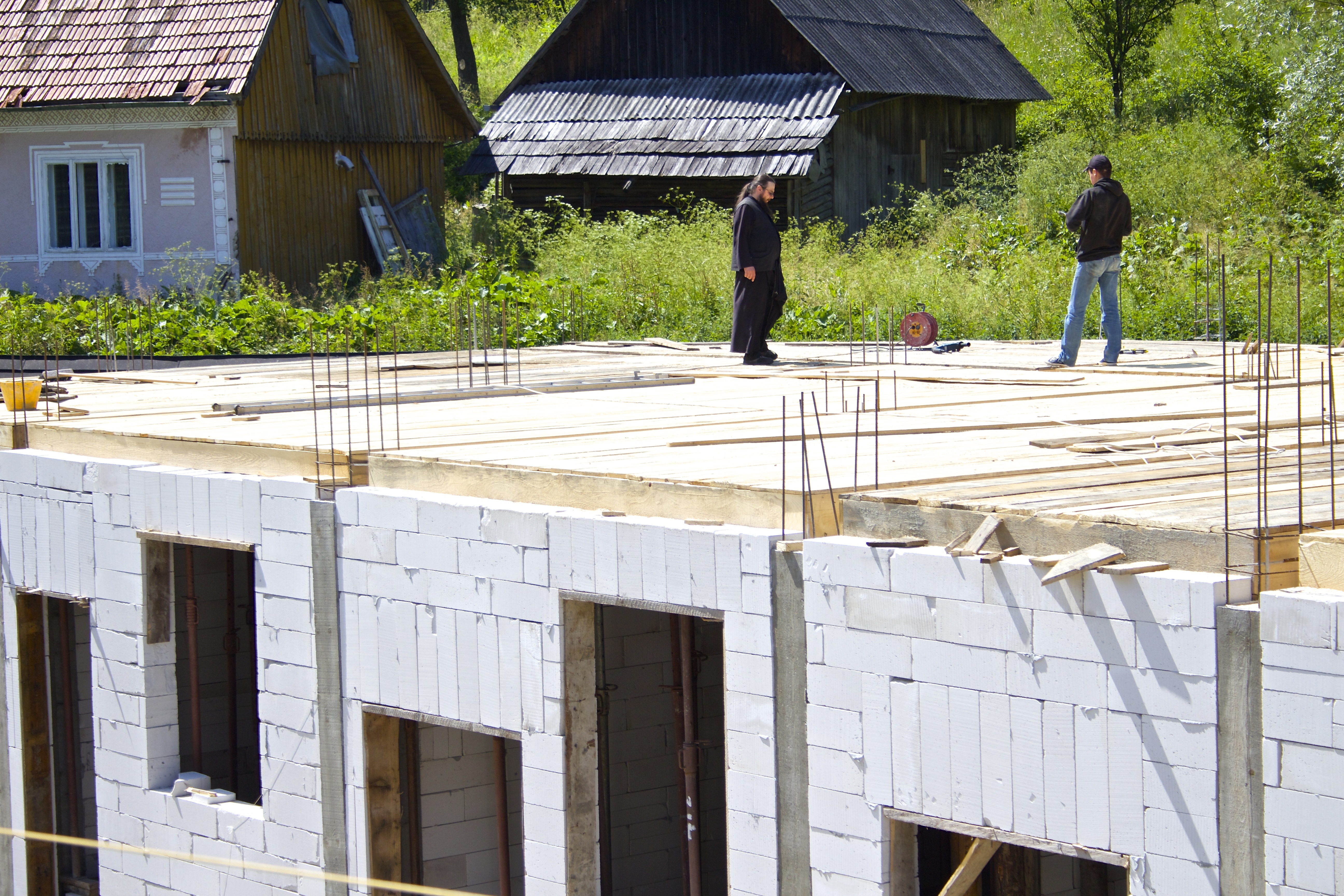
That said, there is a huge amount of work going on at Putna, €3m coming from the EU, the noise and disruption of which made any quiet consideration incredibly difficult. It makes it almost unrecognisable as the monastery I visited in 1968. As far as I can gather, the building I was lodged in within the monastery was demolished to make way for a new “Princely House” built in the early 80s, now already undergoing extensive renovation.
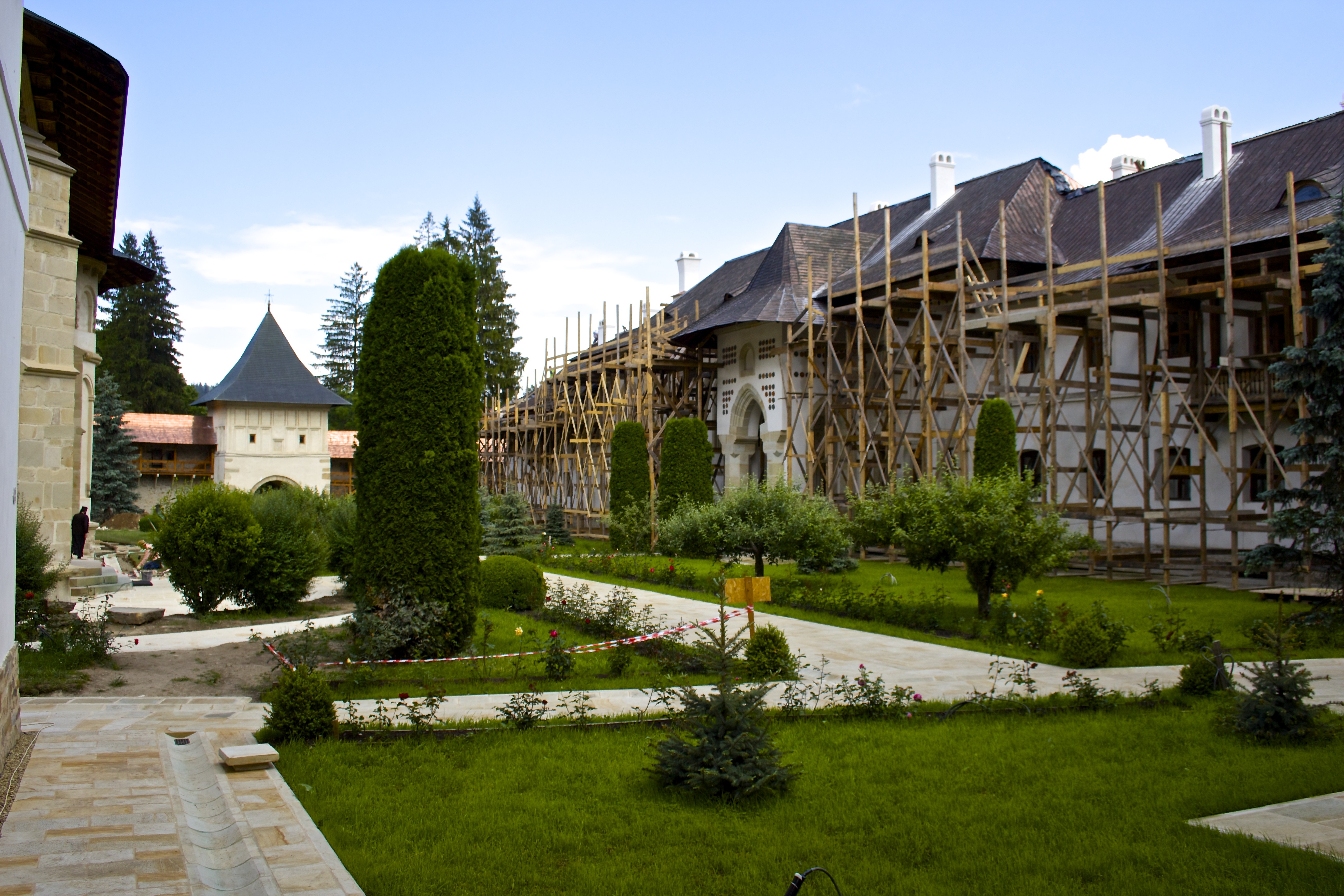
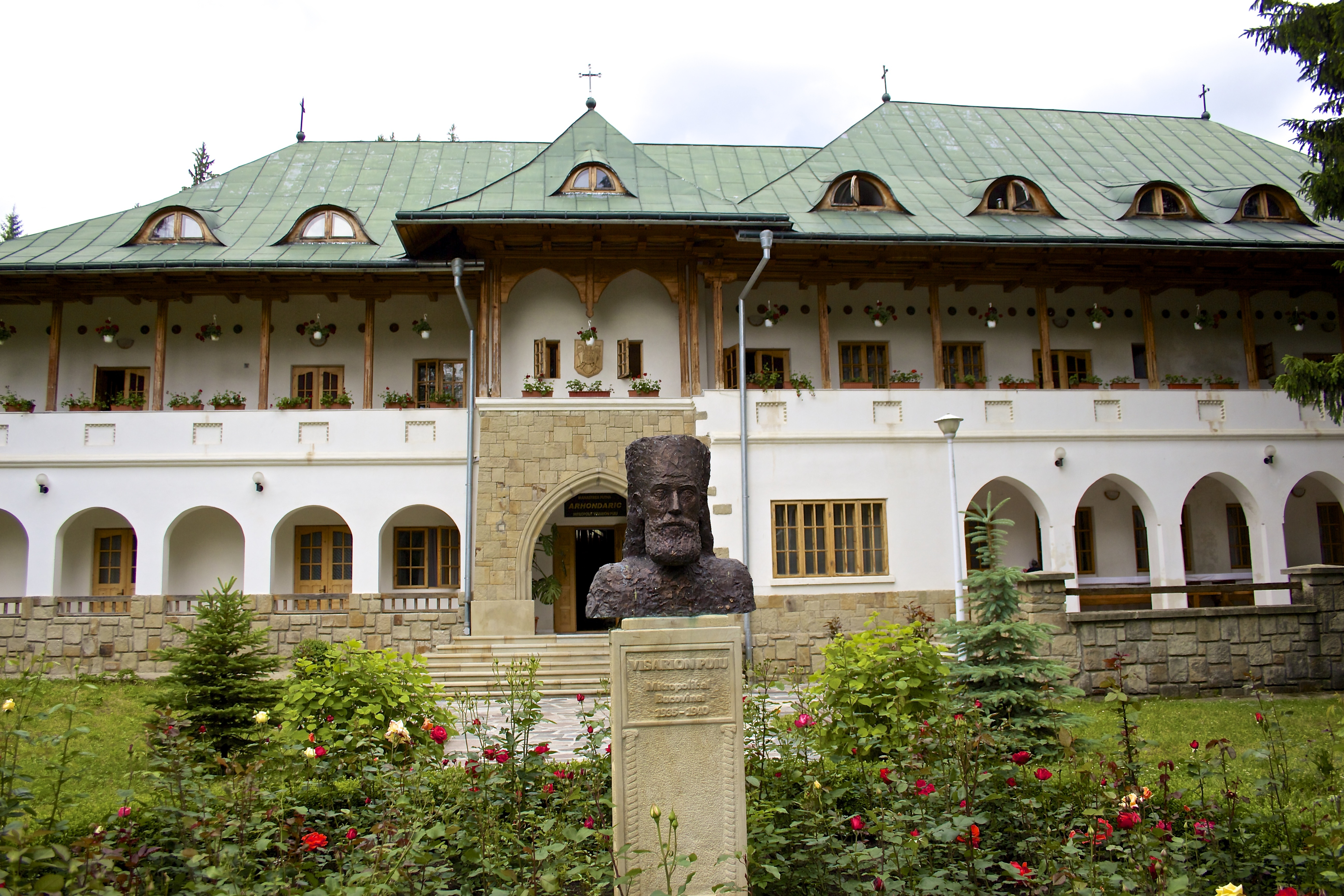
With all this displacement going on, it was impossible to recapture the sense of the past, any thrill of deja vu. I was housed very comfortably in a new guest house well outside the monastery walls, which had gone though various lives, among other things as a seminary and as a tuberculosis hospital, before its current incarnation, and it is also being extensively extended as part of this incessant building programme.
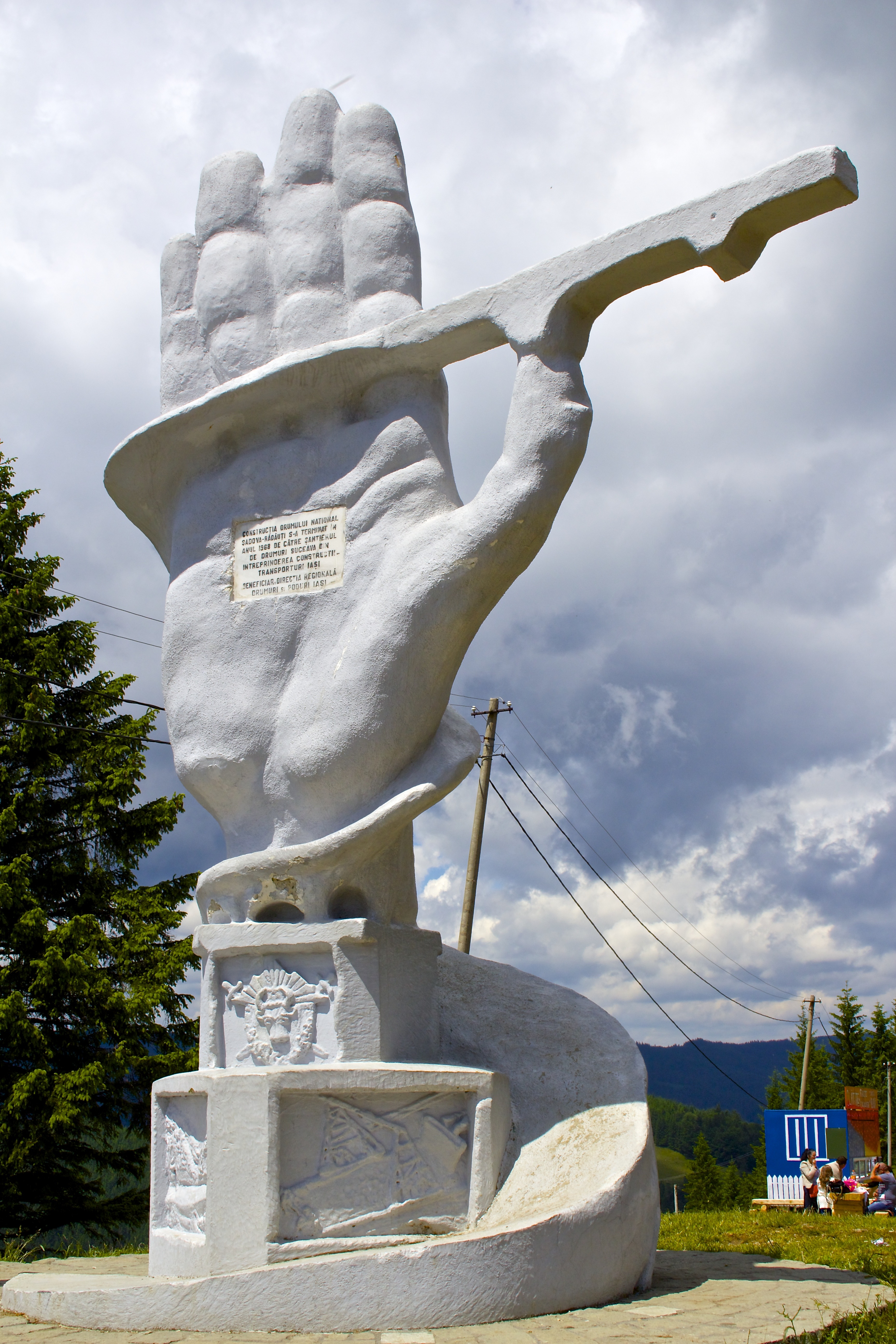
This morning I took the road across the mountains in glorious sun, first along a curling road from Sucevita to Moldovita, which was only being completed in 1968 while I was here. This archetypal communist monument – ‘The Palm’ – commemorates the manual labour which achieved this pathway through the skies, which you see winding its way around the heroic navvy’s paw.
Road building remains a Romanian obsession, now much enhanced by EU subventions. Despite an annoying habit of carving unmarked great chunks out of the top surface, pending a return to re-fill in the next few days, their main roads are generally broad and well-surfaced. That said, the new roads scythe through villages, making them a lethal by-way for children and the elderly.
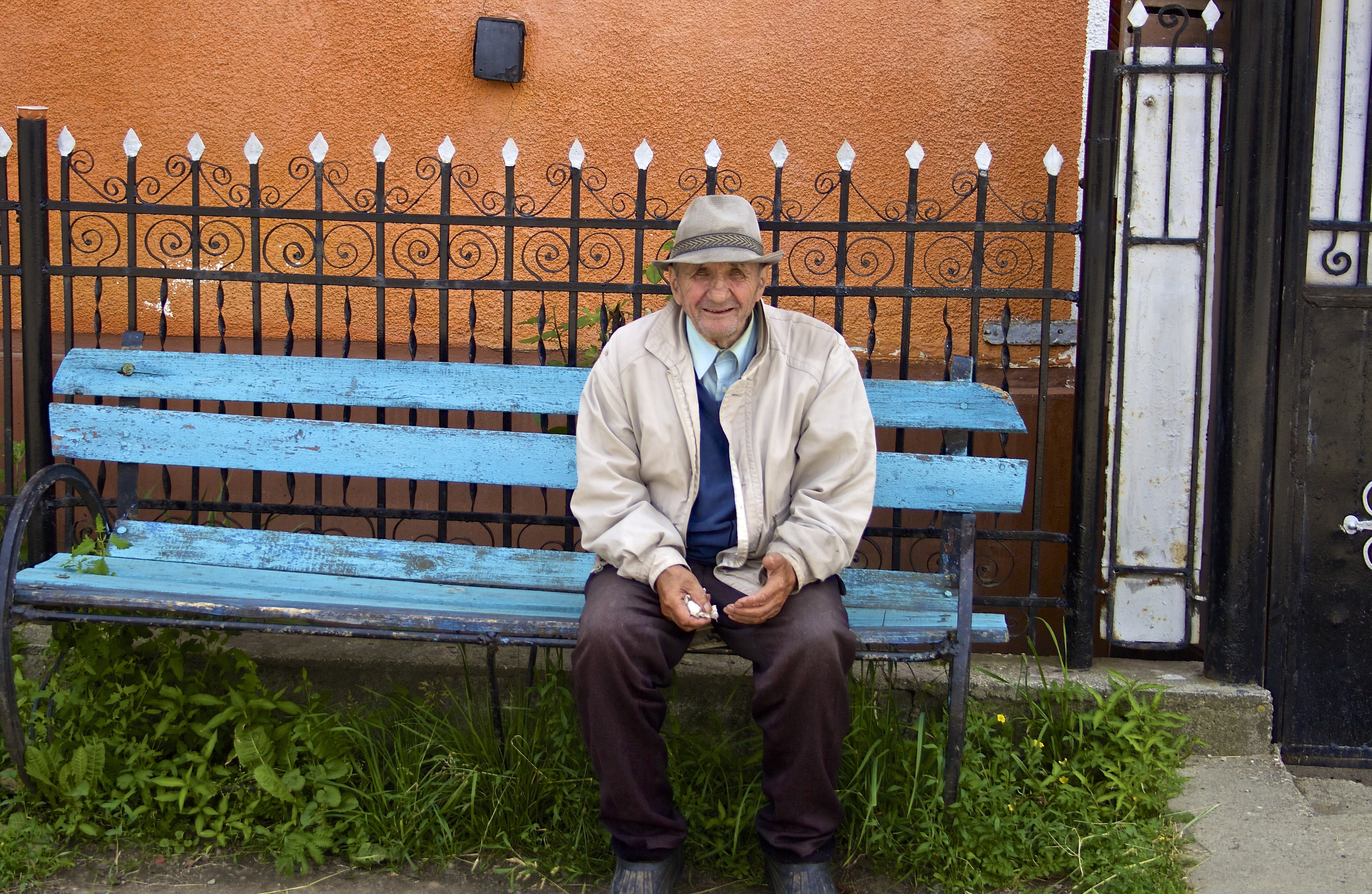
Most traditional village houses have a bench outside for the old men and women to sit on, watching the world go by and talking with neighbours. Some persist in this tradition, despite their sitting beside a speed-track. But the new house being built -sometimes it seems with the same restrained taste and scale as the People’s Palace in Bucharest – cannot really accommodate this tradition.
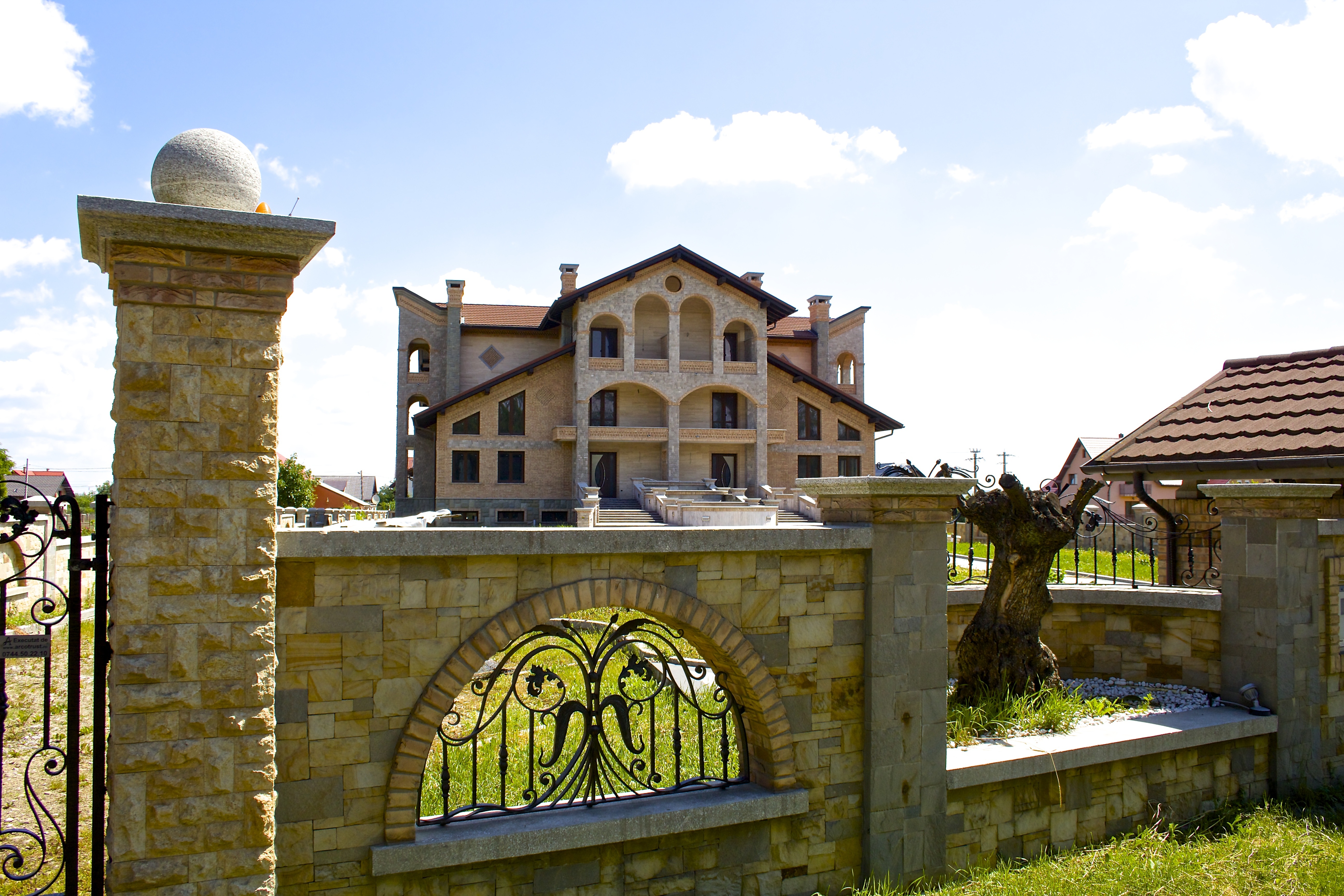
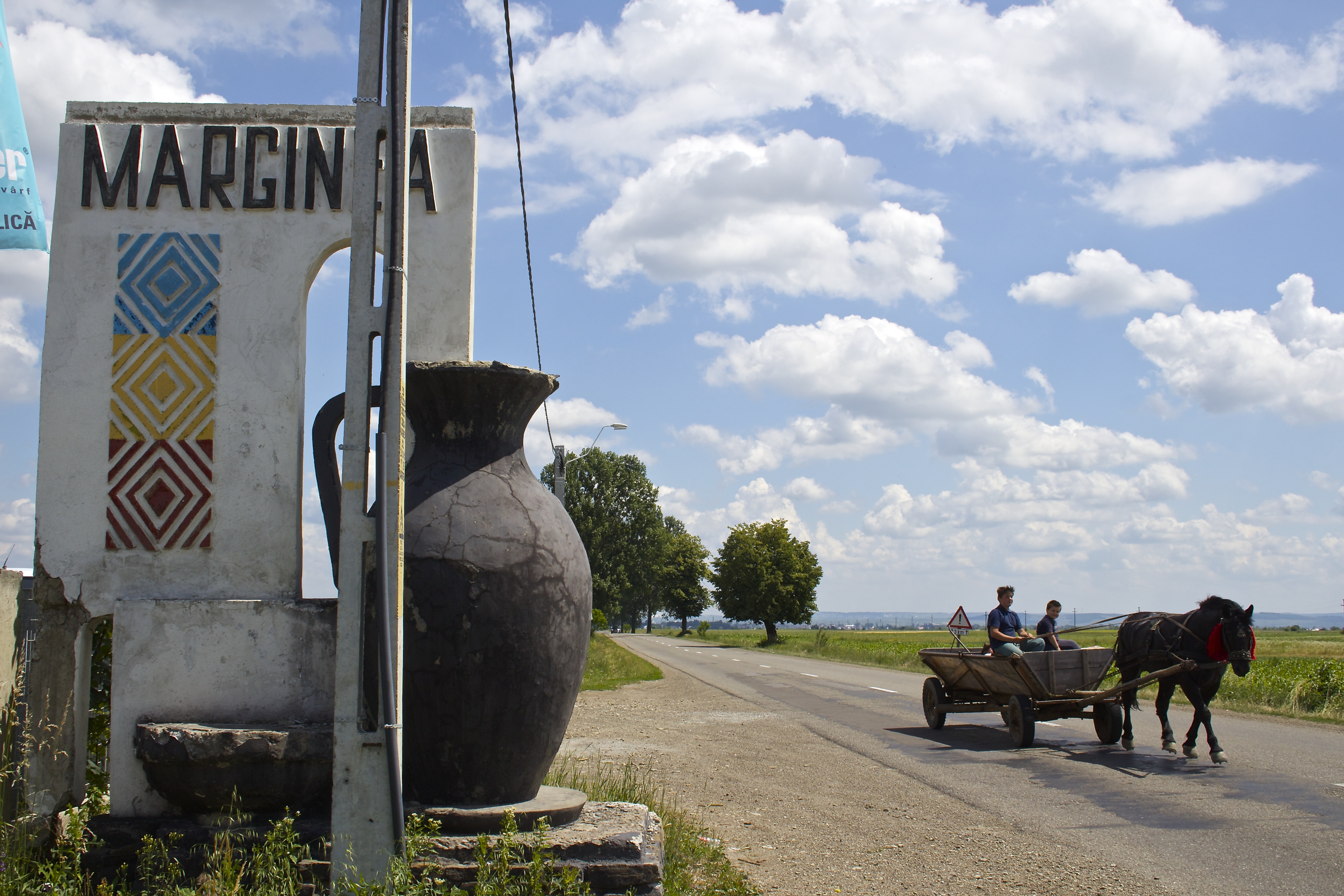
While these products of overseas labour are to be found everywhere, there is a particular concentration around Radauti, with most villages having lost at least 25 per cent of their working age population, and one village called Marginea, where I am told 80 per cent of the 7,000 population are currently working abroad, thanks to their particular reputation for high-grade construction craftsmanship. I was told that one foreigner expressed the surprise that Marginea was such small place: he had met so many people who said they came from Marginea abroad he thought it was a small country.
The main roads are generally well-signed, apart from the annoying European tradition of having at least two numbers for each road, which are deployed randomly from sign to sign. The towns are a different matter. Here, the torturers thrown out of business in 1989 have clearly found a new role in organising civic traffic management schemes, amply supported by a general disinterest in displaying street names. Hampton Court maze is a doddle compared to most Romanian towns.
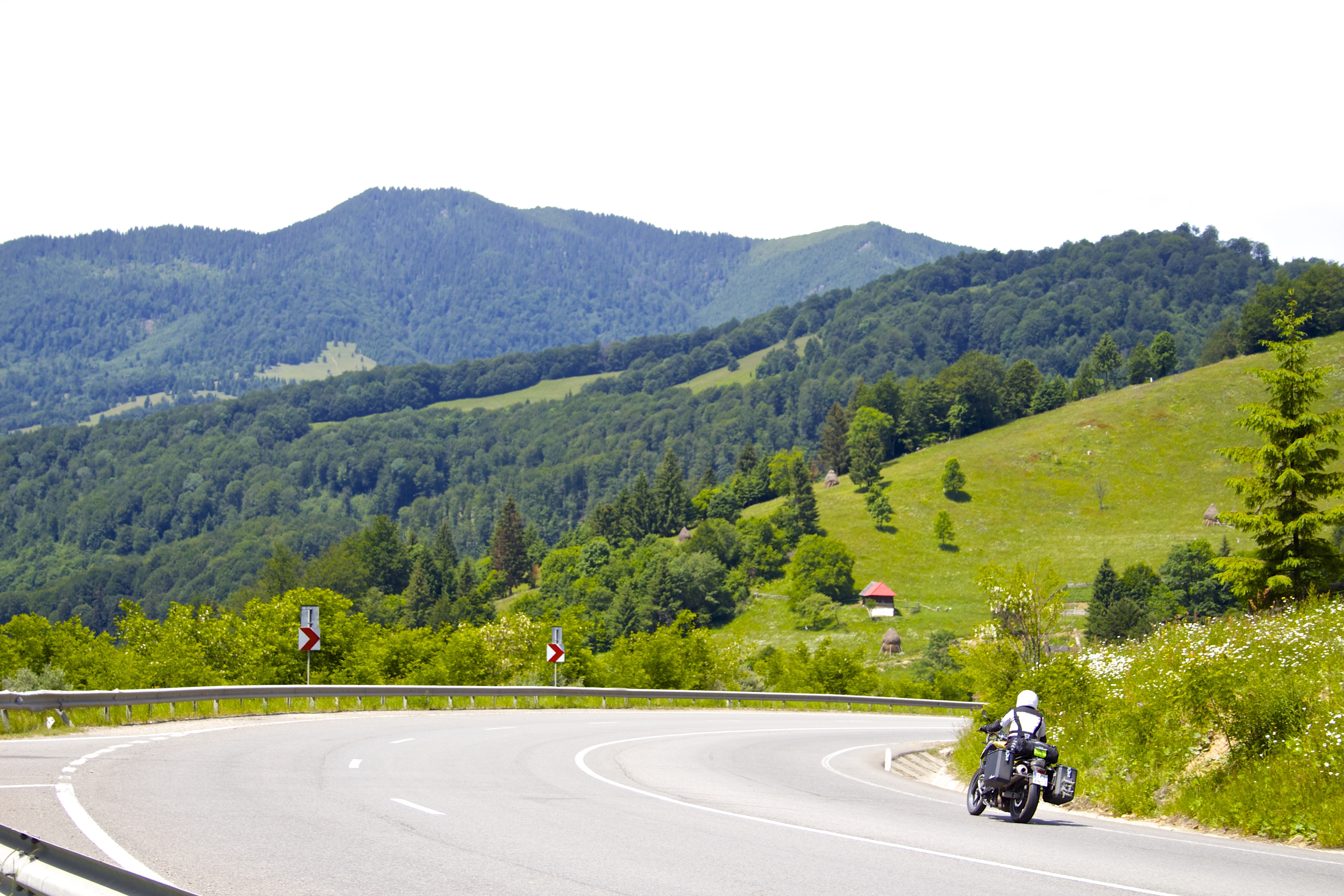
Then I got into The Carpathians and crossed through the Tihuta (Borgo) Pass back into Transylvania. I didn’t detour to see the reputedly very kitsch Hotel Castle Dracula – I find these things rather a pain in the neck – but did stop for lunch in Bistrita, where Jonathan Harker stopped the night before Bram Stoker took him up the Pass. I then passed through Tirgu Mures, where the general good road sense seems to be absent. And the brassy roadside entertainment prominently on offer in this area introduces us to a radical new meaning for the term: lay-by.
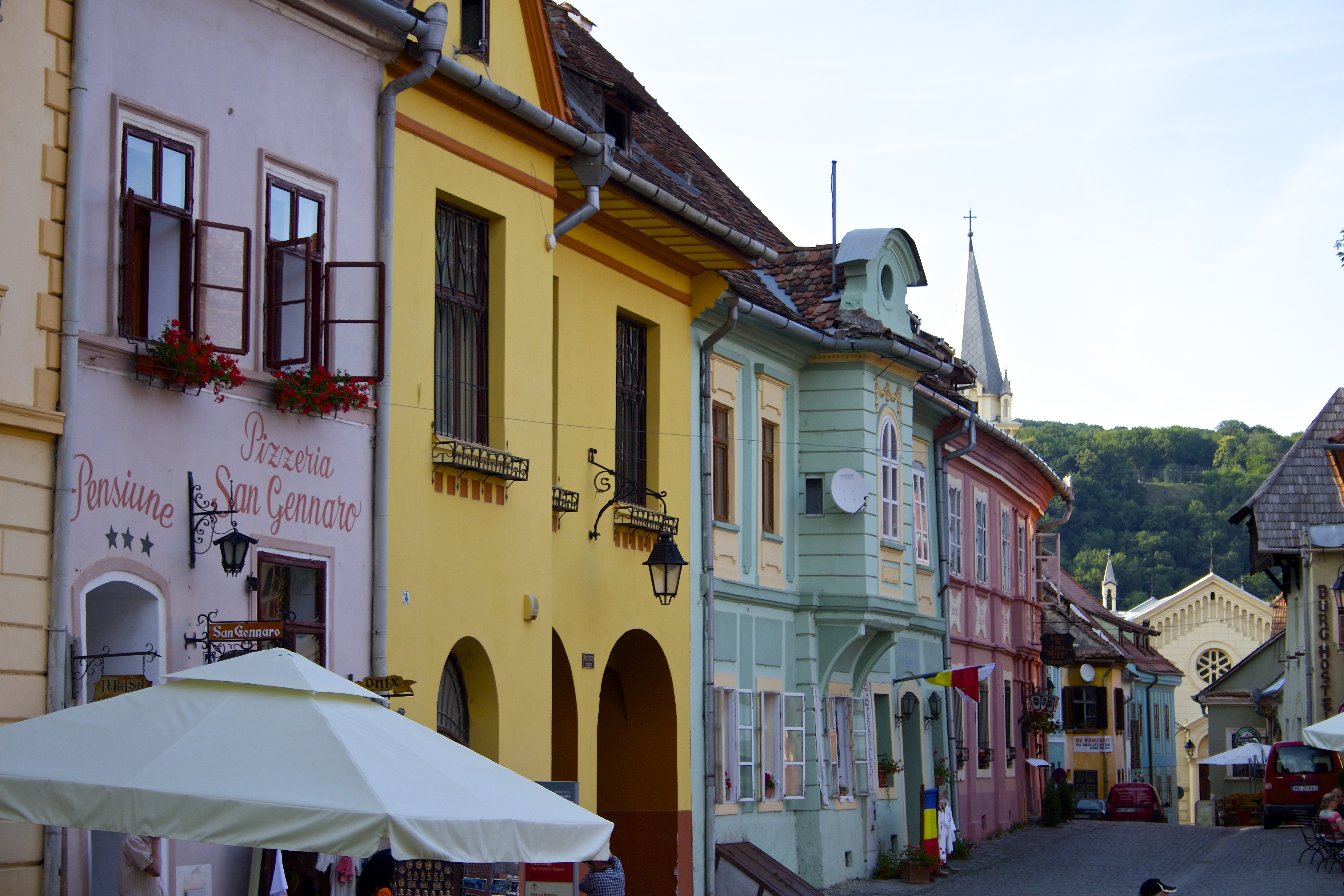
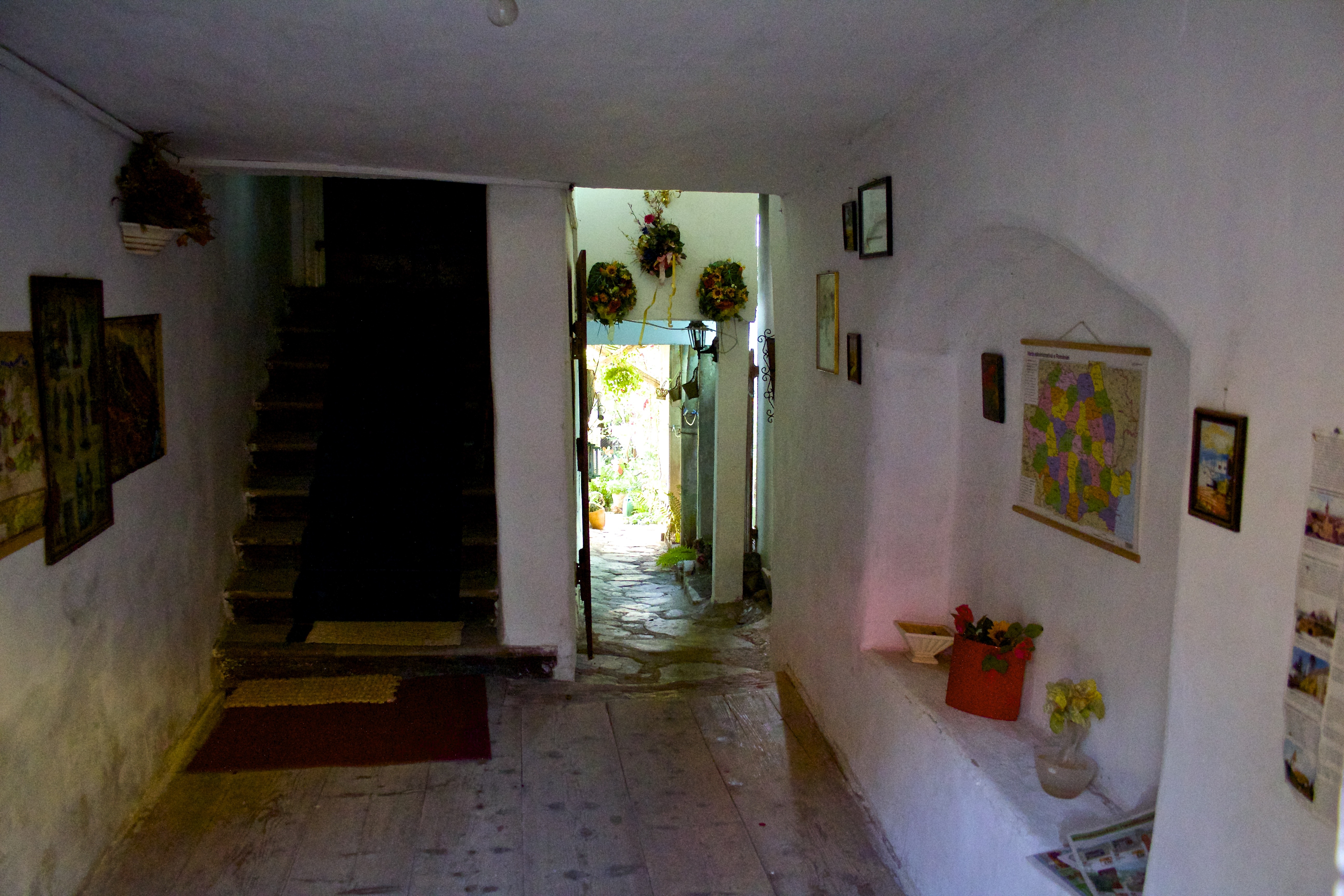
I am now in Sighisoara, revisiting another experience, rooming with an old couple who enjoy entertaining travellers as their modest income. In 1968, similar men and women would meet the bus in the town square shouting “Zimmer” – not looking for orthopaedic support but anticipating young Germans. The system persists today with an over-supply of pensiunea. In some you are almost immediately co-opted as a family member and treated to tea in the garden, as I was by Maria and Ioan here at the Bed & Breakfast Kula.
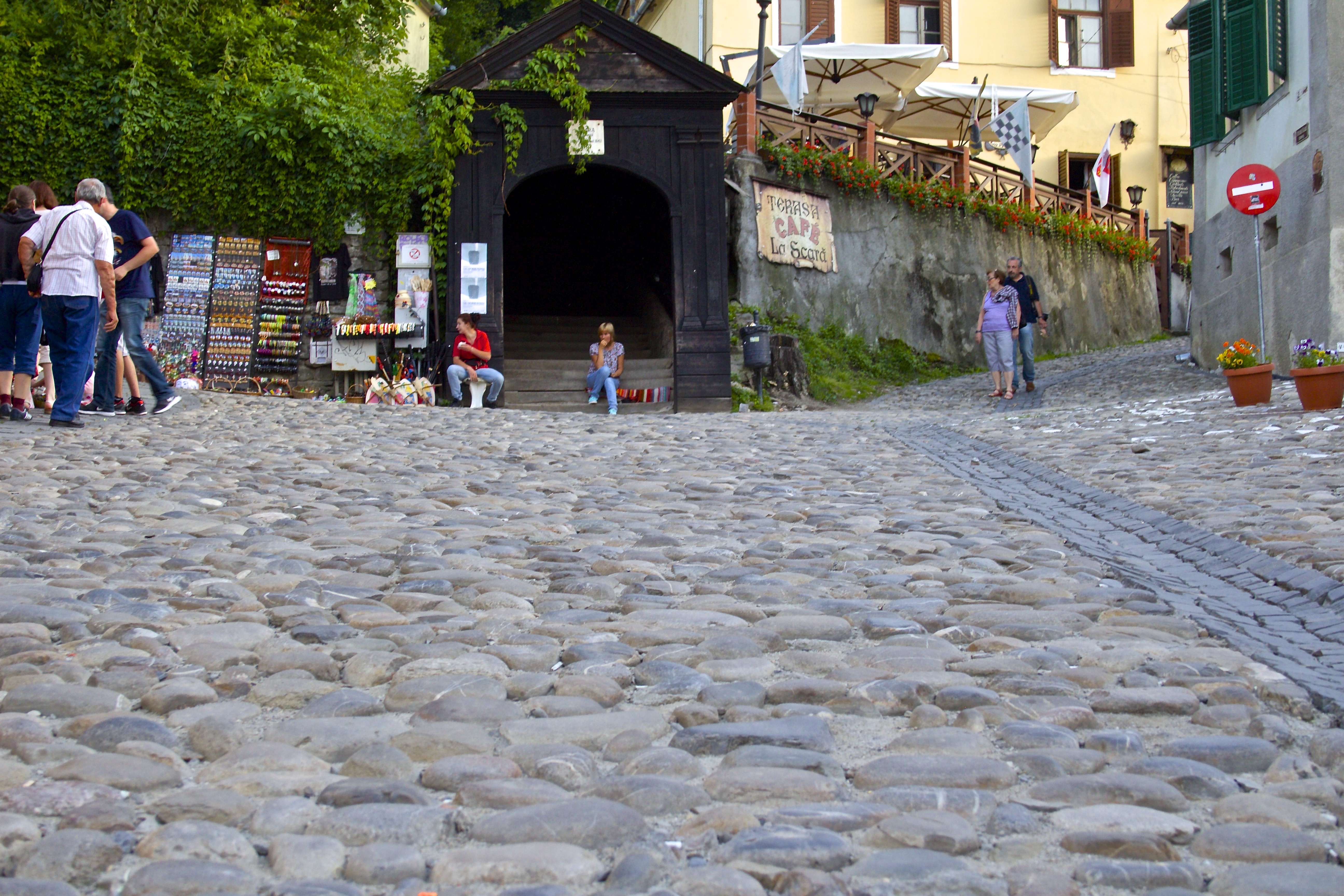
The most notable thing about Sighisoara is the giant cobbles which make much of the old town a walker’s nightmare. They even impede the famous long covered stair to the top of the Citadel.

There is a quite good guitarist busker sitting at the top of those stairs but otherwise not much to see. It is a chocolate box town with its fair share of tat, and a family of beggars invasively occupy the main car park.
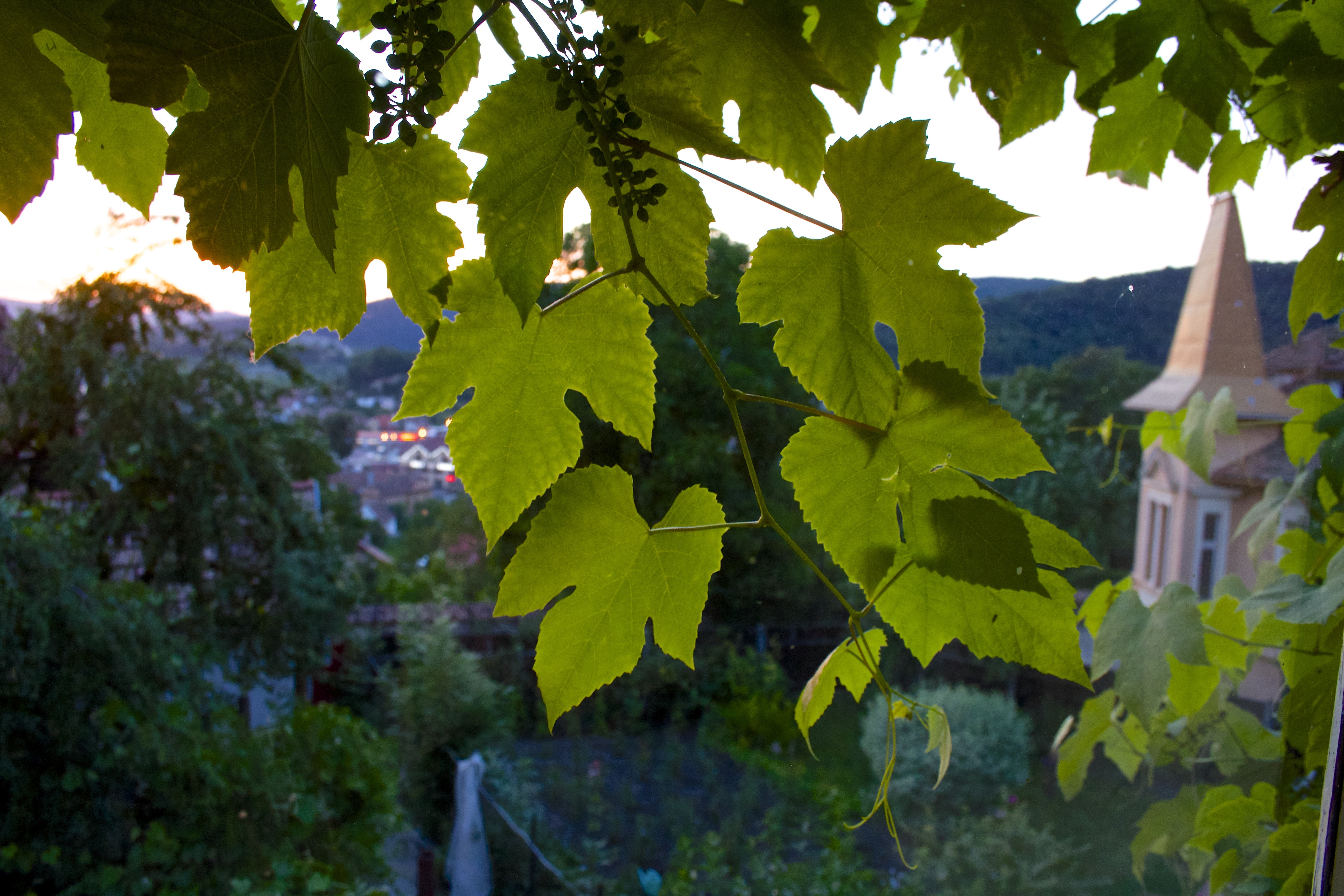
The view from my room’s glazed balcony includes a church spire. In Romania you are never more than ten kilometres from a church spire. In towns, it is nearer a hundred metres. That omnipresence undoubtedly helps the monks continue to fulfil a significant role in pastoral care, understandably regretting the secularisation of Western Europe. It remains to be seen whether the migration of so many to work for decades abroad will have as much impact on their spiritual as their temporal life. It is hard to imagine them returning from Stoke Newington or Sydenham to prostrating themselves as these ladies still do fervently in Putna, though the monks say that even the ancillary commercial opportunities have made the locals less religious than other villages further away from the coach party trail. They also say that for all the relative wealth their hard work abroad can amass, they return without the initiative or ability to run their own businesses.

And they say the closure of the railway two years ago means that their poorer pilgrims no longer come to Putna, as they used to travel by train, leaving only the more middle class visitors who have their own cars. The Devil is in the Dacia.
 peterleewright.com