
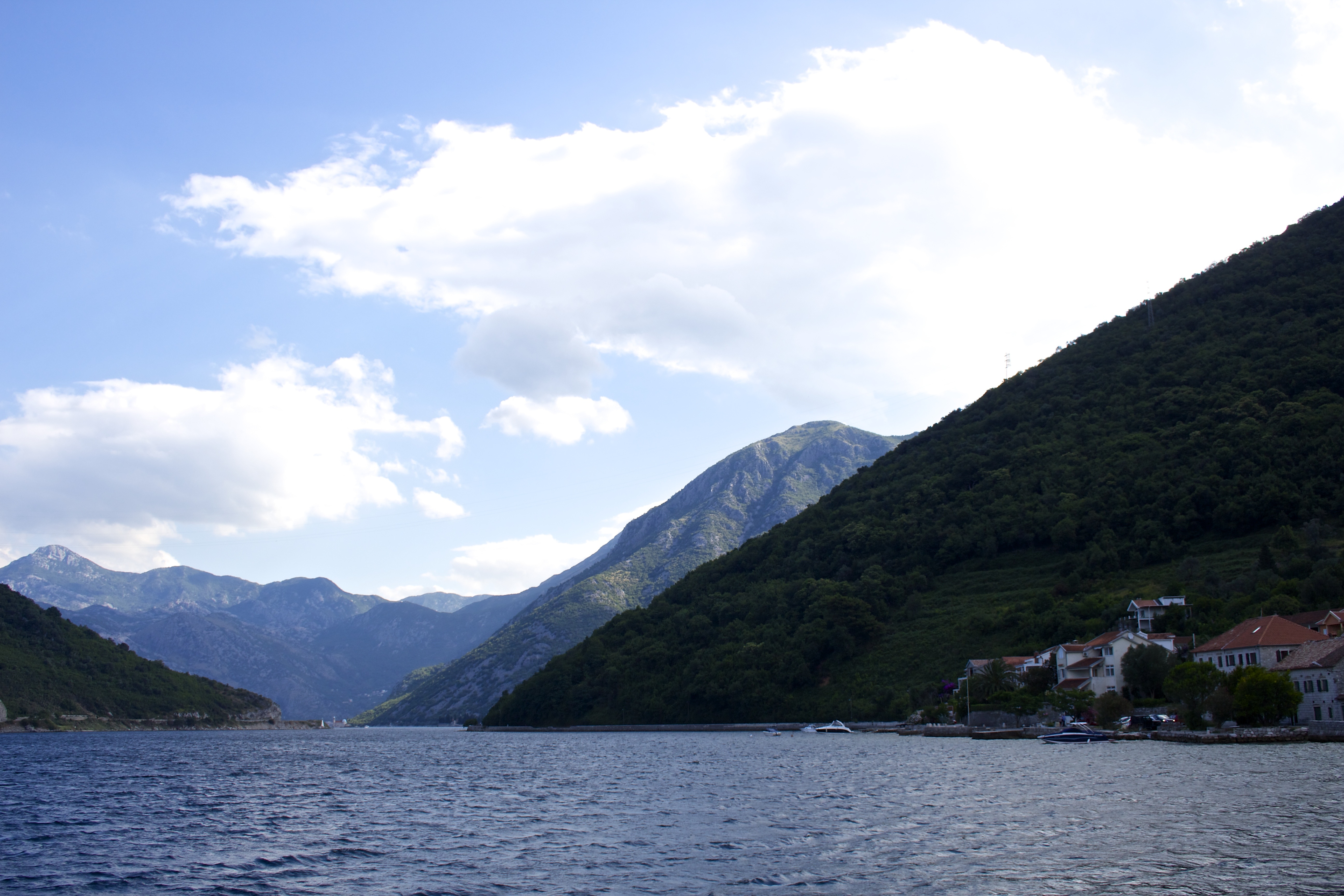
 Crossing from Croatia back into Montenegro, I missed the turn to take the back road once more and was caught in a forty-minute queue to get through, as the border checks certainly took their time. My international car insurance was deemed insufficient and our passports confiscated until I had paid €15 for additional insurance at an office set up there for this purpose. All this seemed an odd welcome to a country desperately dependent upon its tourist trade. 72.5% of its income comes from the service sector, with aluminium and agriculture making up most of the rest. Montenegro has a population of just 620,000, much of it clinging to the water’s edge, from which steep mountains tower to give the country its name, literally ‘Black Mountain’.
  Montenegro only narrowly voted for independence from Serbia in 2006, clearing the 55% internationally approved margin by a mere 2,300 votes. Previously, after the dissolution of the Yugoslav Federation in 1992, Montenegrins had overwhelmingly voted to remain with Serbia, with the Catholic, Muslim and Albanian minorities boycotting the vote. During the recent war, Montenegrins fought with Serbs, joined in the bombing of Dubrovnik, for which war crime the Montenegrin General Pavle Strugar was subsequently convicted. It was only thereafter, in 1996, that Milo Đukanović repudiated his former firm alliance with Milosevic and embarked upon policies more designed to meet Western (ie US) approval, such as support for NATO action over Kosovo.
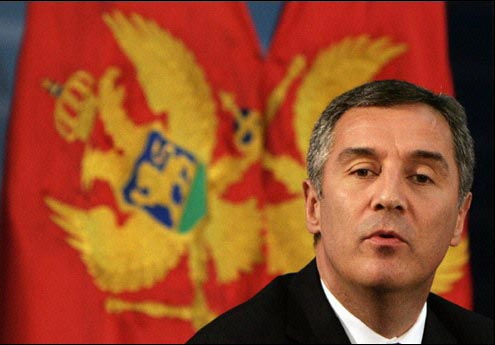
 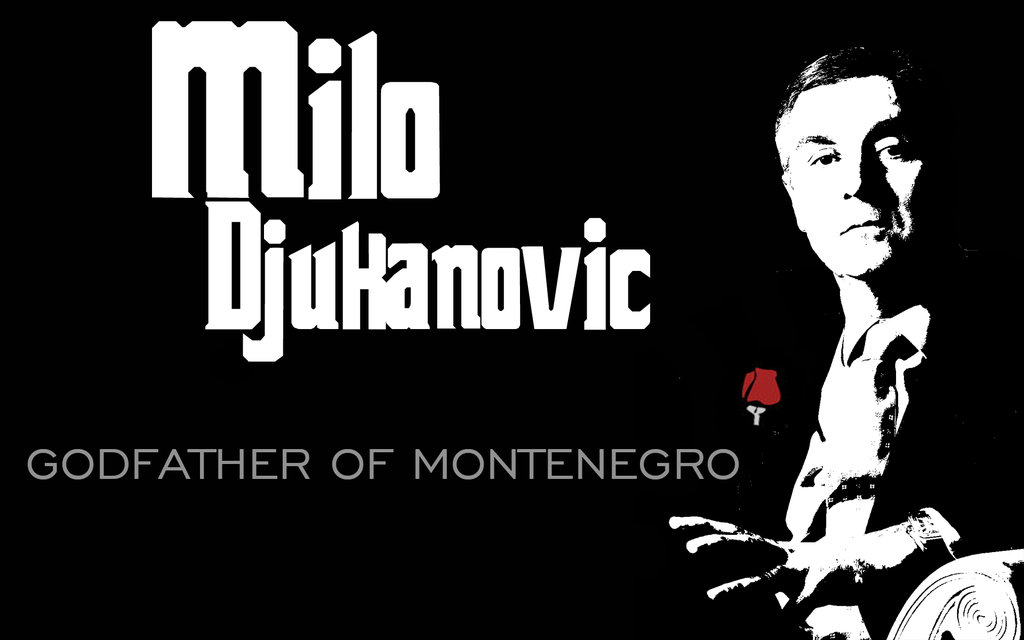 Milo Đukanović is a Putin-style political survivor, having been Prime Minister on and off since 1991. He was President from 1998-2002, and – more like Frank Sinatra – retired from politics twice, in 2008 and 2010, each time returning to office, despite also facing long-term Italian investigations for international tobacco smuggling and organized crime, which were eventually dropped in 2009.
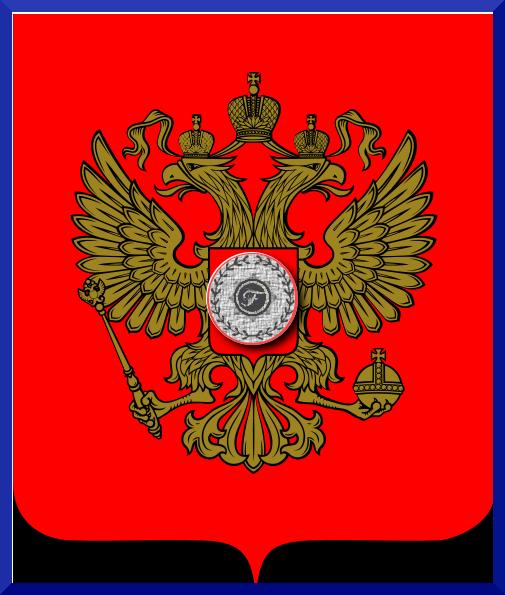
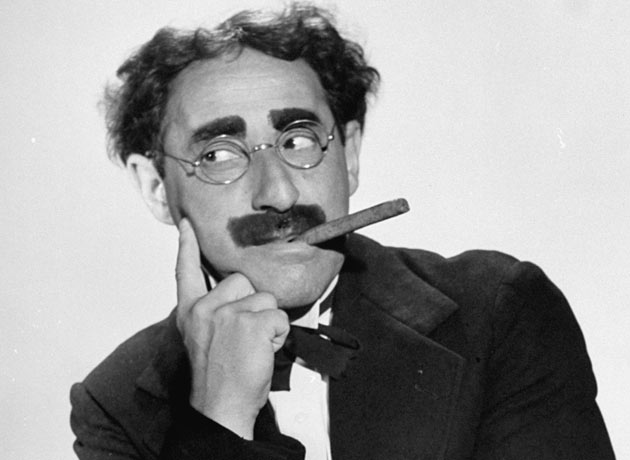
  It is this astonishing tale of allegedly corrupt shape-shifting which has my despairing graphic designer friend in Cetinje heading for Ontario. It is also unfortunate that the Montenegrin national flag reminds me of the coat of arms of Freedonia, in my favourite Marx Brothers film, Duck Soup.
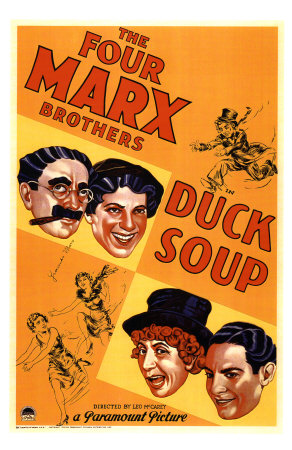
I have yet to establish other synchronicities between Milo Đukanović and Groucho Marx’s Freedonian President, Rufus T. Firefly.
When leaving the Serbian dinar behind, the Montenegrins first adopted the deutschemark before then unilaterally adopting the euro, despite neither being a member of the Eurozone, nor yet a member of the European Union. Our delightful hosts at the Palazzo Radomiri hotel in Dobrota, Nadia and Anya, are strongly opposed to Montenegro joining the EU, fearing that their young emergent economy would be swamped within it, with onerous obligations and expenses laid upon them that such a small nation would fine hard to sustain. As it is, they say their government keeps finding ever more fiendish ways of taxing them, having just introduced a levy on their privilege of living in an area of outstanding natural beauty! As we have joked in the past about the Tories’ privatisation mania, they will be taxing the air we breathe next. 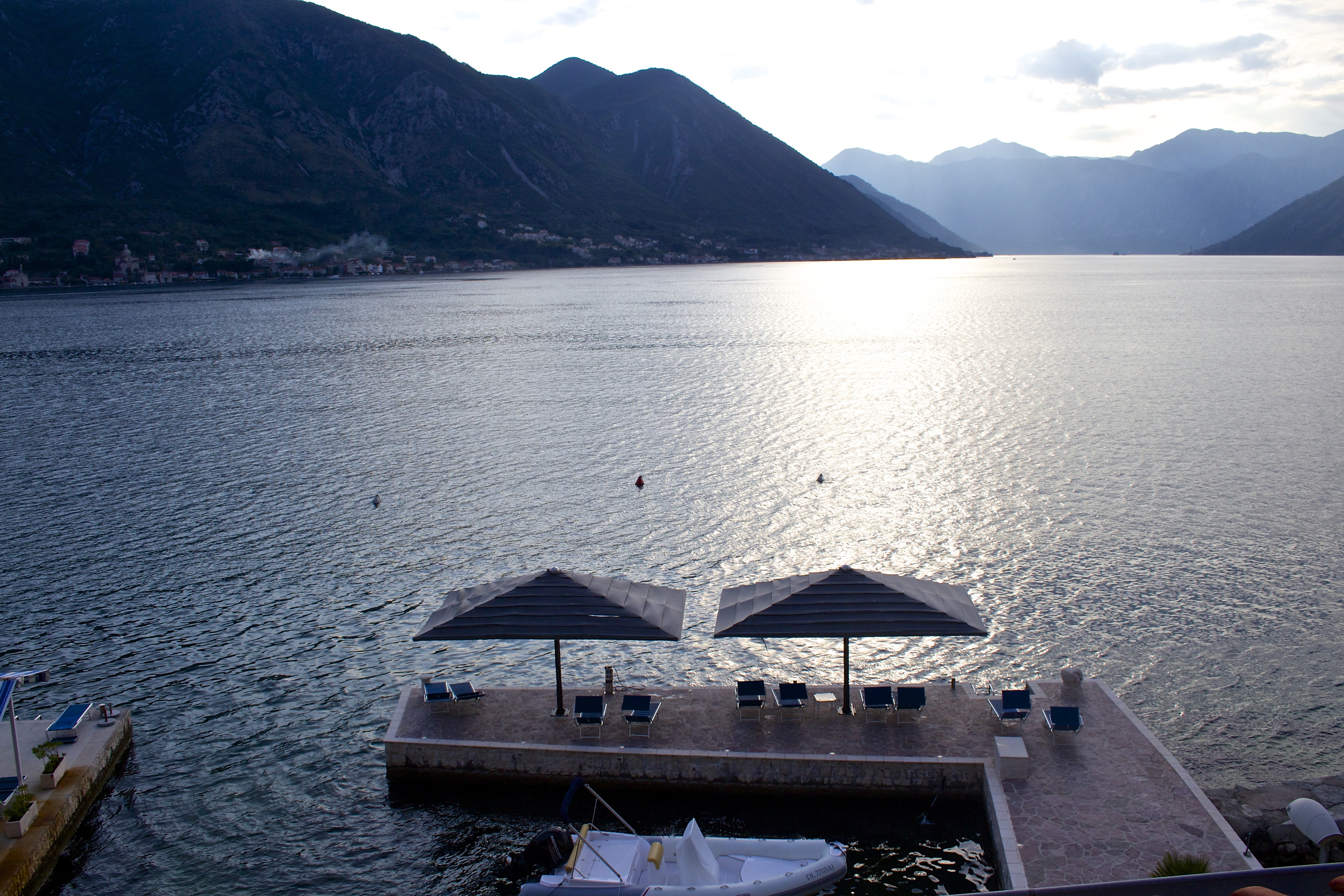 And around here, both the scenery and the air are good. Boka Bay is the only natural fjord in the Mediterranean, easily accommodating the cruise liners which seem to come in one a day to harbour in the port of Kotor at the head of the inlet.
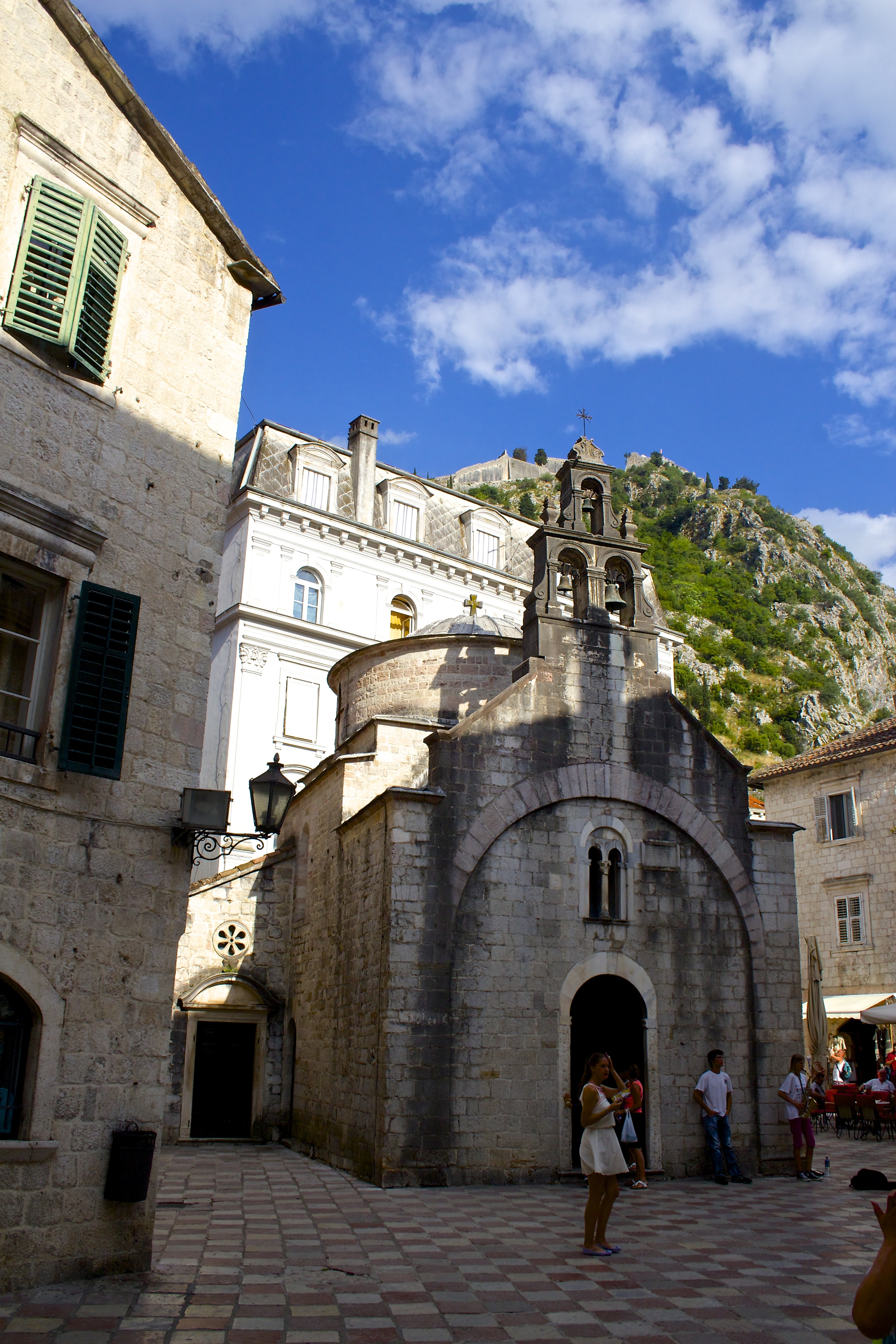 Kotor is the key local attraction, a walled town with fortress walls running giddily 260 metres up the mountain. I have to admit we only made it part of the way up, enough to get a sense, not enough to get a coronary.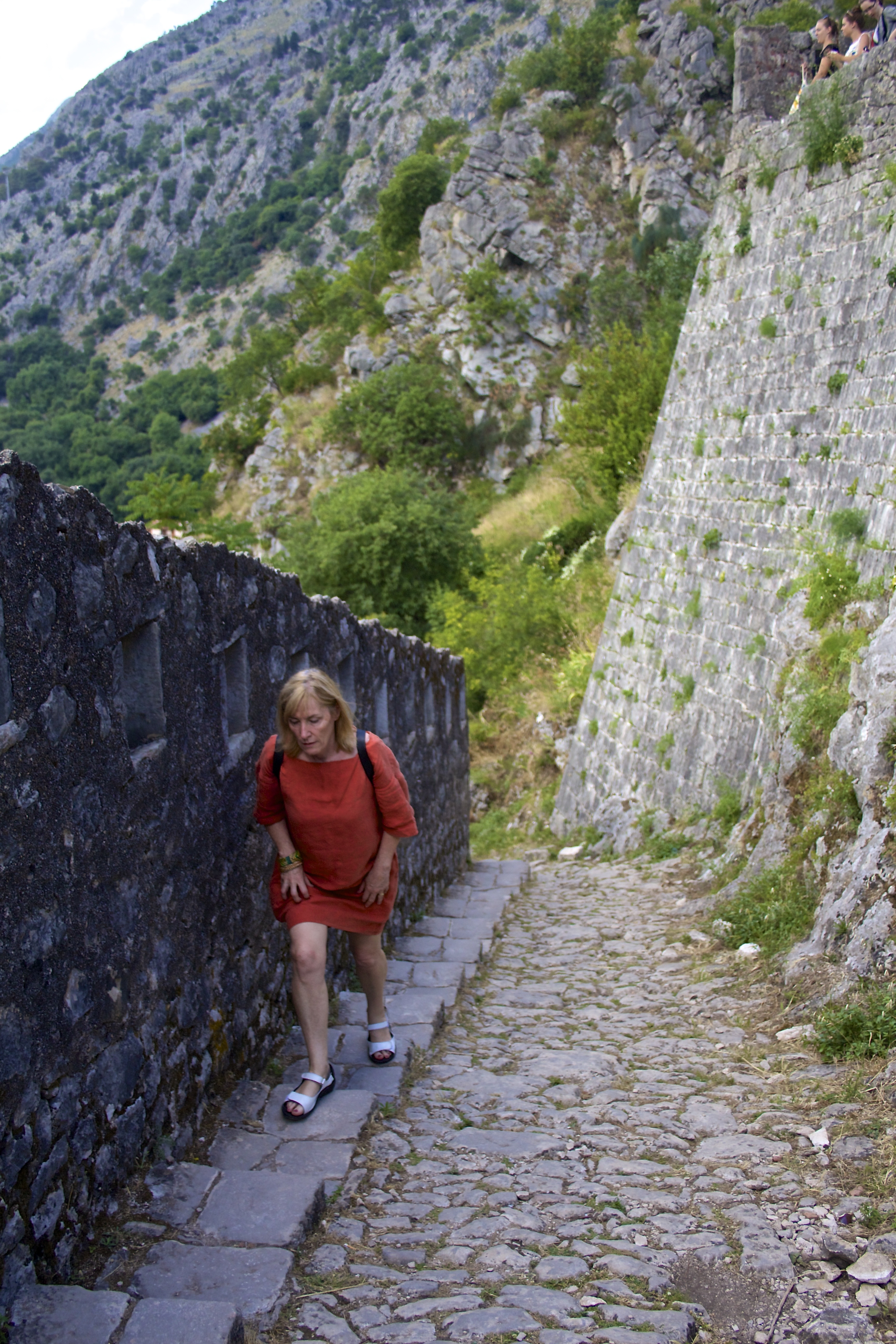
 This is a UNESCO World Heritage site, with a labyrinth of marble streets bustling with boutiques, restaurants and tourists. The 12th century St Tryphon’s Cathedral is typical – an impressive building, with stalls selling tat in the front porch. I was put in mind of the story of the money-lenders in the temple, and would have liked to see the same outcome.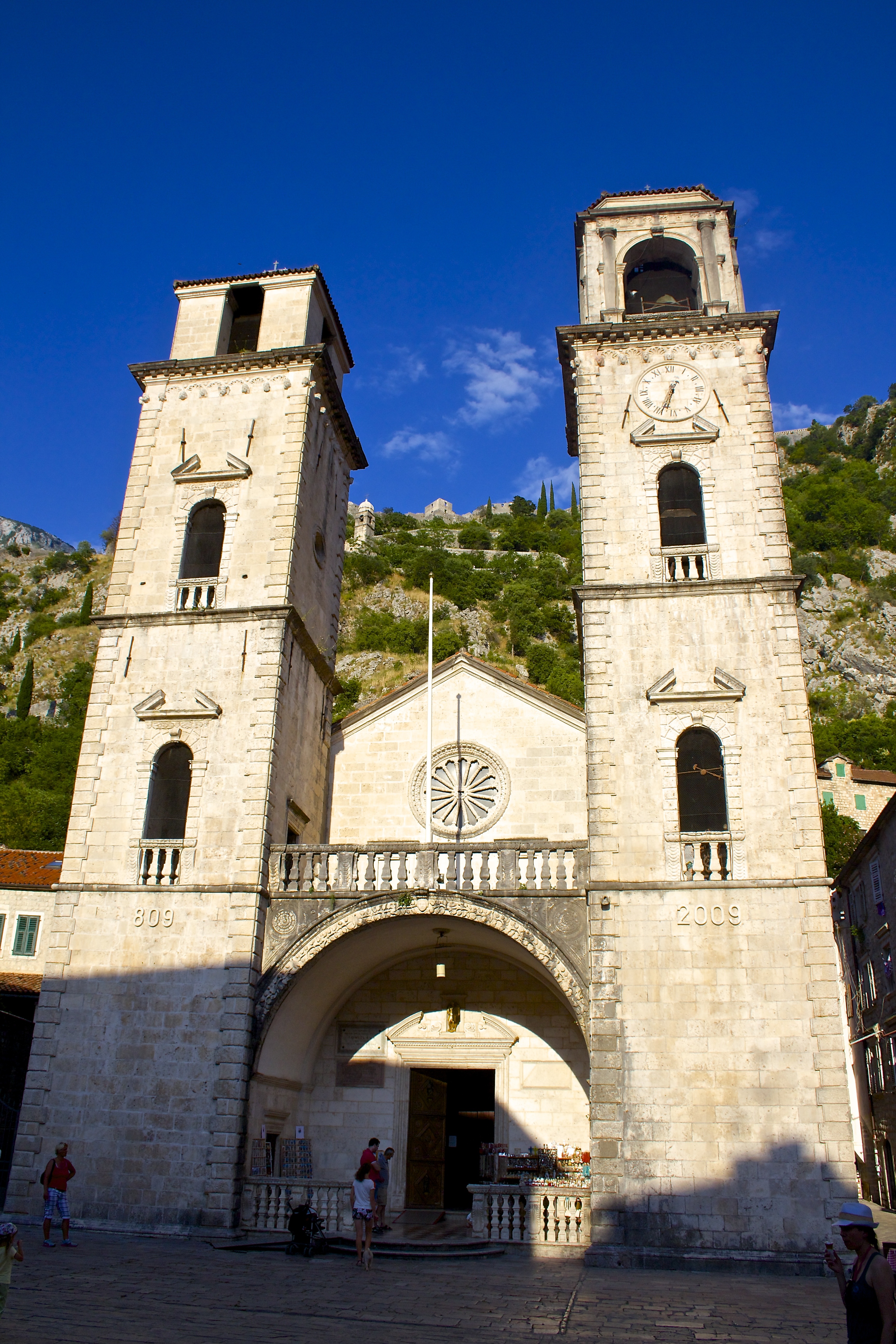
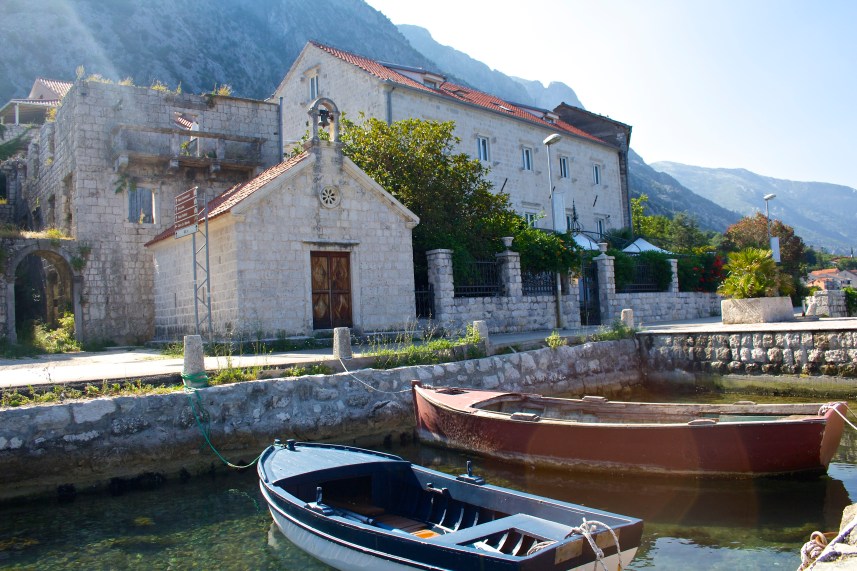 Our Palazzo Radomiri hotel a couple of miles up the coast in Dobrota was built in the 1730s as the home of a sea captain, and many of these seafront properties have their own mini harbours, parking their boats as we would park our cars.
 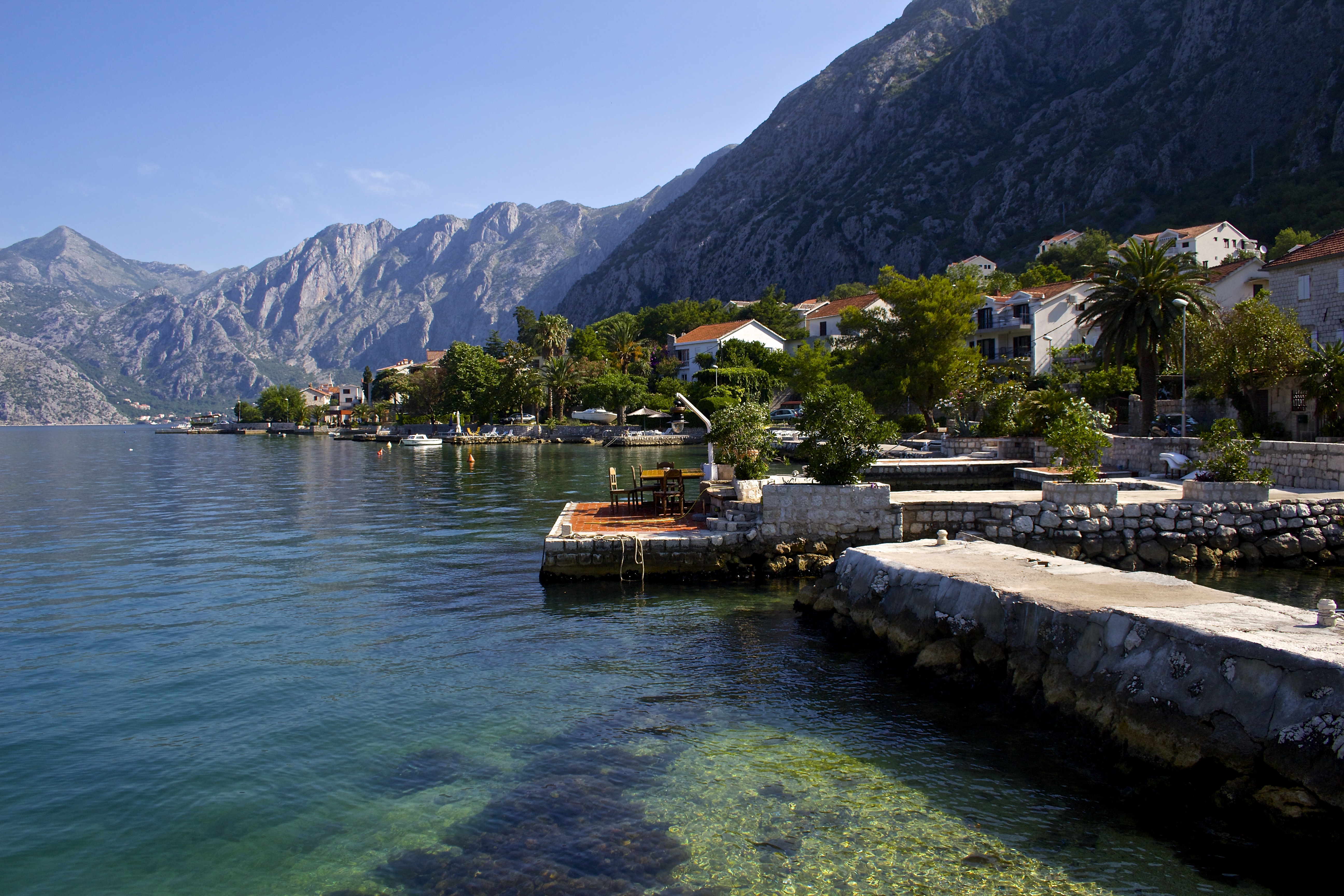 What is striking about this position is the constantly changing light and climate. It is – in contrast to a student film I had to mark down for entirely misinterpreting the phenomenon – why people retire to the seaside: because their landscape is continually in flux. One moment it is flat calm, the next a wind blowing so strongly that the sunshades have to be dropped for fear they blow away. While the surface water wind is blowing in one direction, the clouds shrouding the mountains can be blowing in another.
  One Serbian family staying here conflates contrasting purposes. He – bald, bearded and pot-bellied – is gregarious and frequently in conversation with fellow holiday-makers. She – slender, striking and self-obsessed – and a decade or two younger, spends much of her time, even over dinner, transfixed by her mobile device. Her 12-year old daughter takes after her, whereas the 6-year old son leaves their soulless dinner table and drags a chair to join another family, taking more after his loquacious father. Insofar that this trophy wife poses for photographs as if she were a film star, it makes me wonder whether what the Montenegrins lack is an iconic national personification, like our Britannia or France’s Marianne.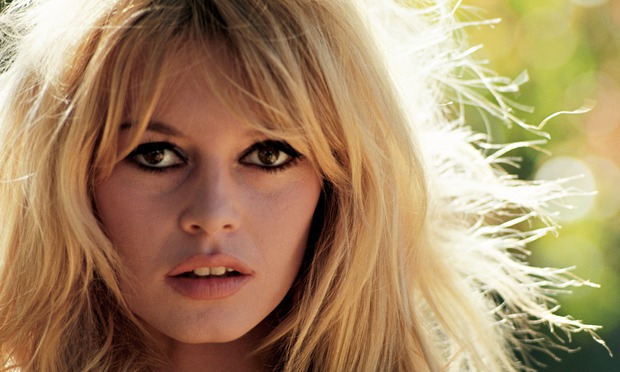
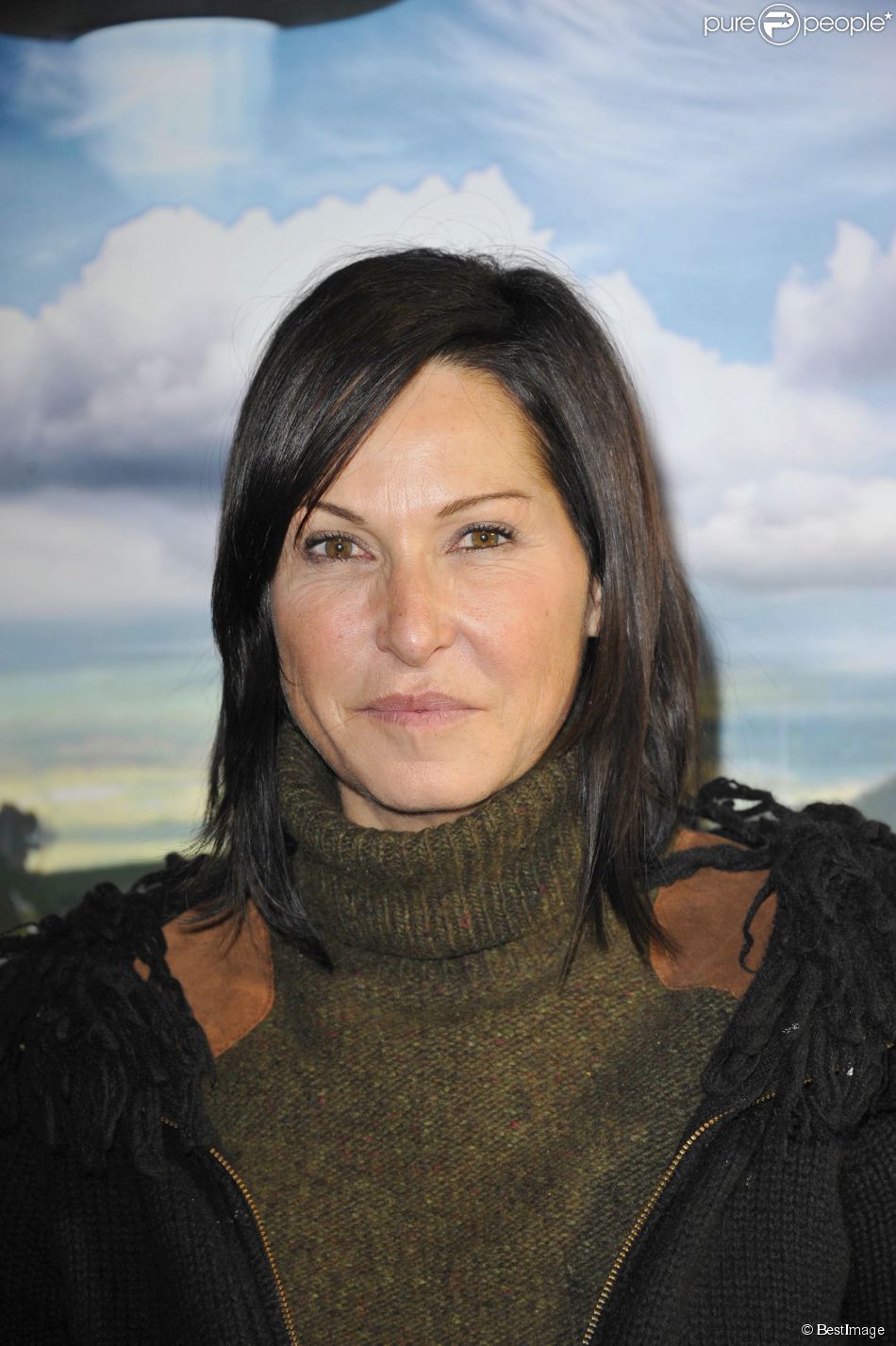
Marianne, a republican embodiment of liberty and reason, had had official star embodiments since 1969, from Brigitte Bardot and Catherine Deneuve to the current Évelyne Thomas, a TV chat show host whose populist choice annoyed the Parisian intelligentsia, not least because she said she embraced liberté and fraternité, but not égalité, because that implied making everyone the same. Not much chance of that so far, with inequality on the rise everywhere. The prices on the coast are three times what they are inland in Montenegro, with dishes and particular bottles of wine costing roughly the same as, if not more than, they would in England. This is the tourist premium which fails to penetrate the mountains and reach Cetinje. So I am not sure what the human embodiment of Montenegro would be, perhaps a two-headed Hydra, each facing in the opposite direction like the coat of arms. One gets the money, the other gets the view. The view, particularly when dining beside the bay at evening, remains wonderful. 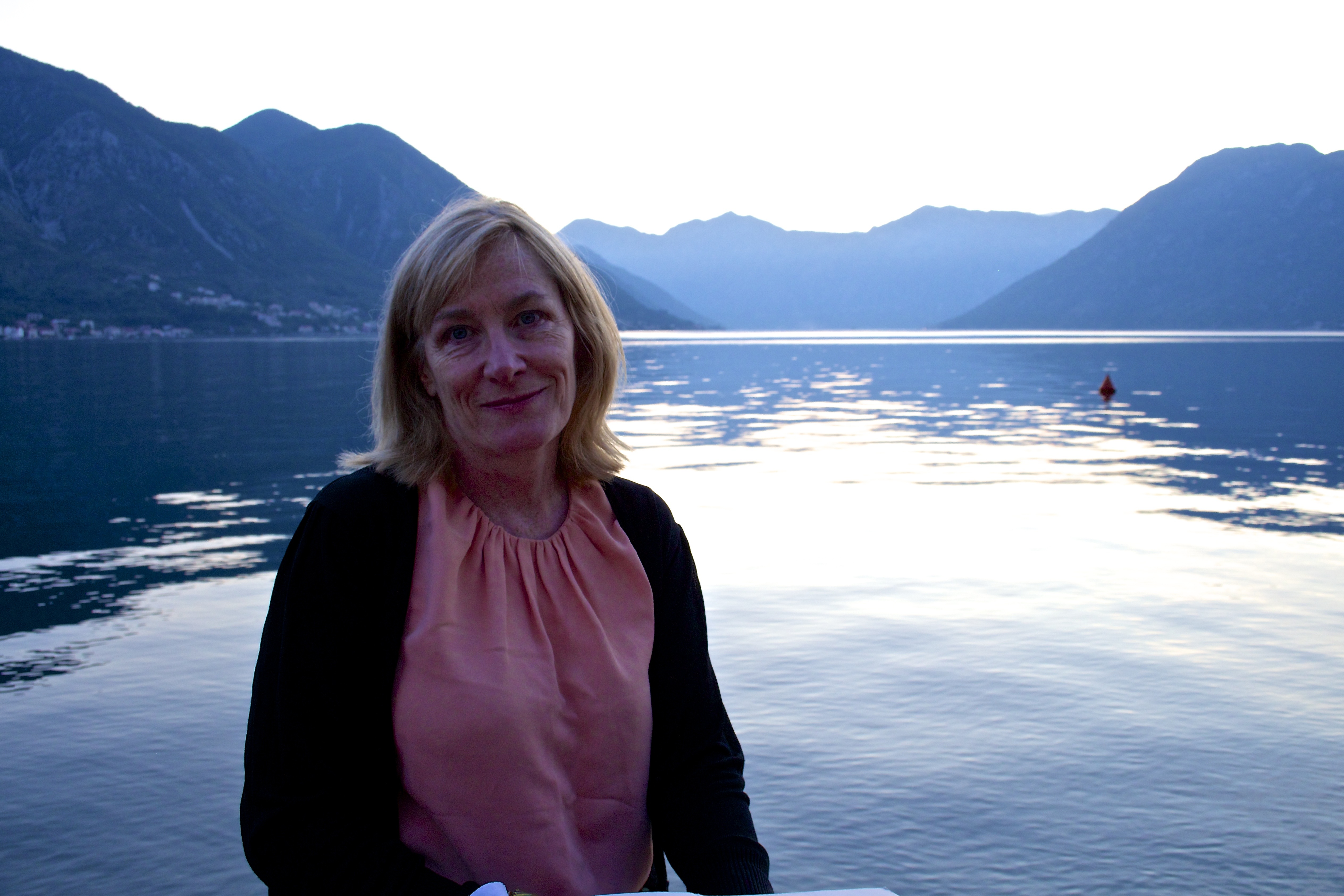
 peterleewright.com