

I thought that everything in Switzerland was organised like clockwork; well, my clock doesn’t work either. The day started well enough, driving from Lake Varese to Liuno for coffee before pottering up the east side of Lake Maggiore, giving us sensational views of its west bank.
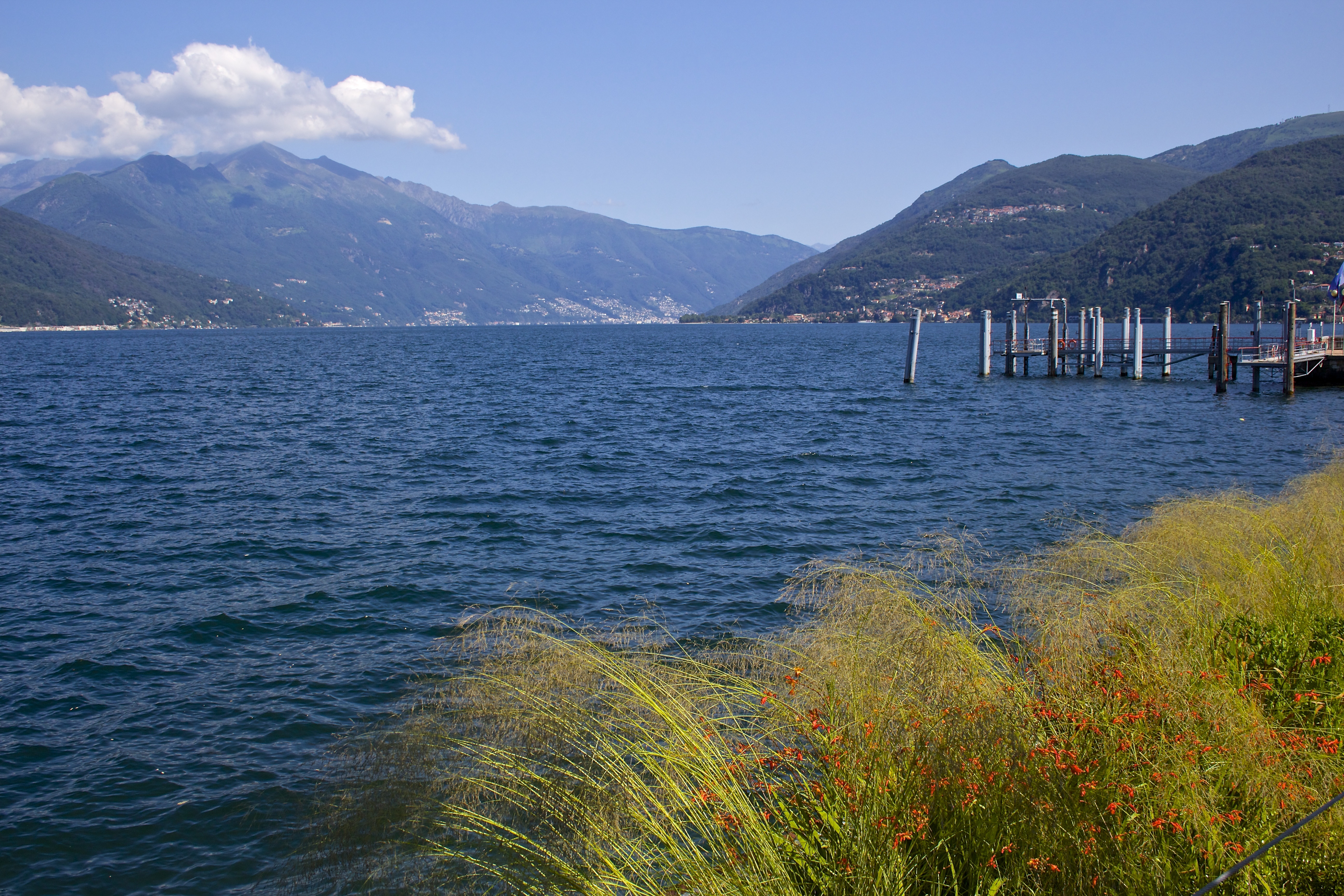
You sweep into Switzerland without let or hindrance and then climb into the foothills of the Swiss Alps, with its picturebook vistas of villages made out of cuckoo clocks stitched to a green beize backdrop, overlooked by forbidding fingers of rock. Then you approach the Gotthard Pass and Tunnel, and find yourself held stationary for nearly two and a half hours in the midday sun, along with ten miles of other unfortunates.
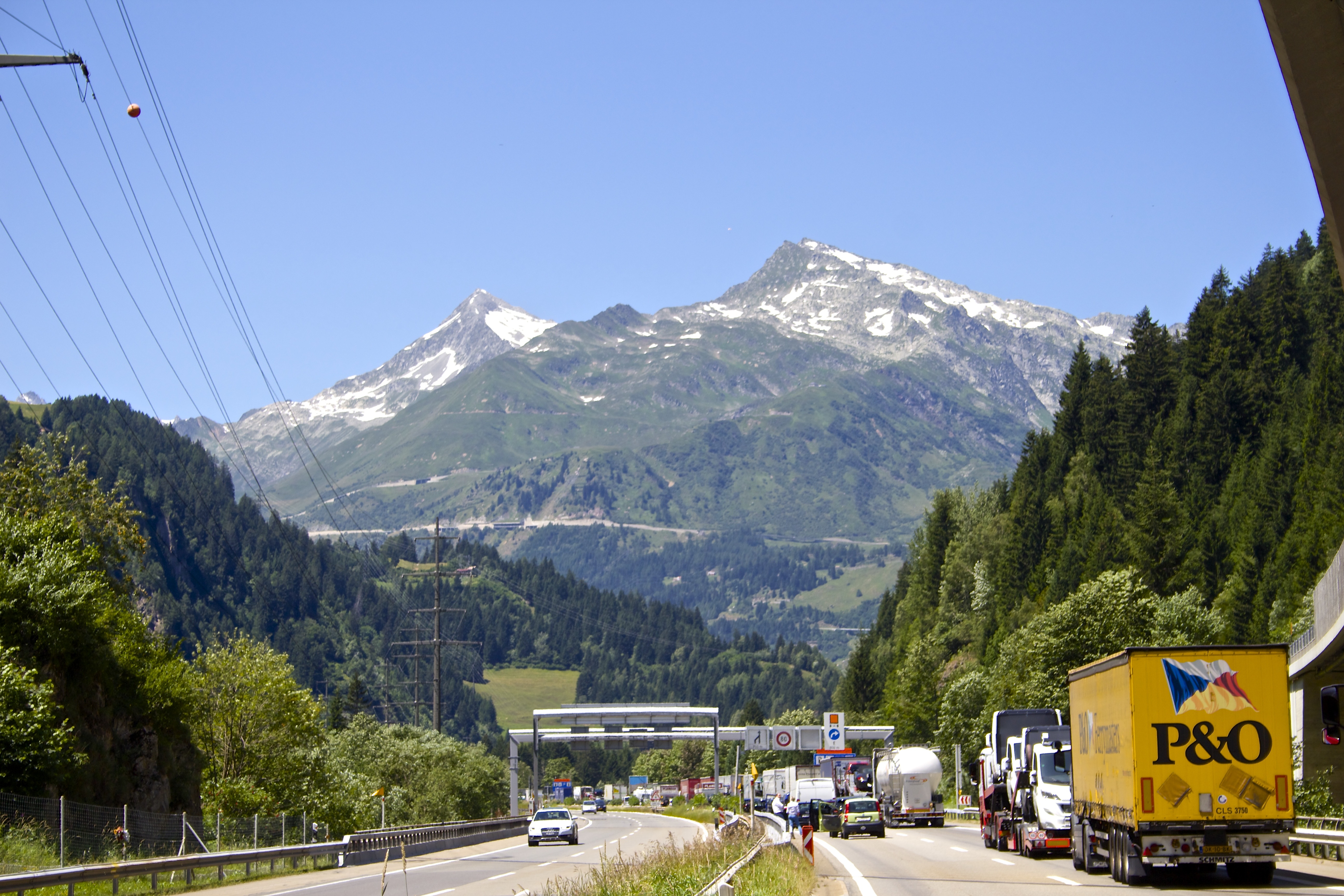
You think it must be due to a ghastly fatal accident, with brave fire and ambulance crews scraping carbonised flesh off the tarmac. Not a bit of it. It is some cretin in a control room deciding to turn the traffic lights to red for the duration – probably while he goes for lunch – to ‘regulate the flow’ of traffic through the tunnel. This was confirmed when we were eventually allowed to traverse its 20 kms length in relatively light traffic, only to find an equally long and frustrated queue held up on the northern approach. I have always assumed that those variable speed limits on the M25 are decided arbitrarily by bored cops trying out different numbers on their control board like kids playing roulette, since the traffic always flows freest when there are no such limits posted. But this Swiss abuse of power – without any forward warning or explanation – makes the M25 intervention look positively benign.
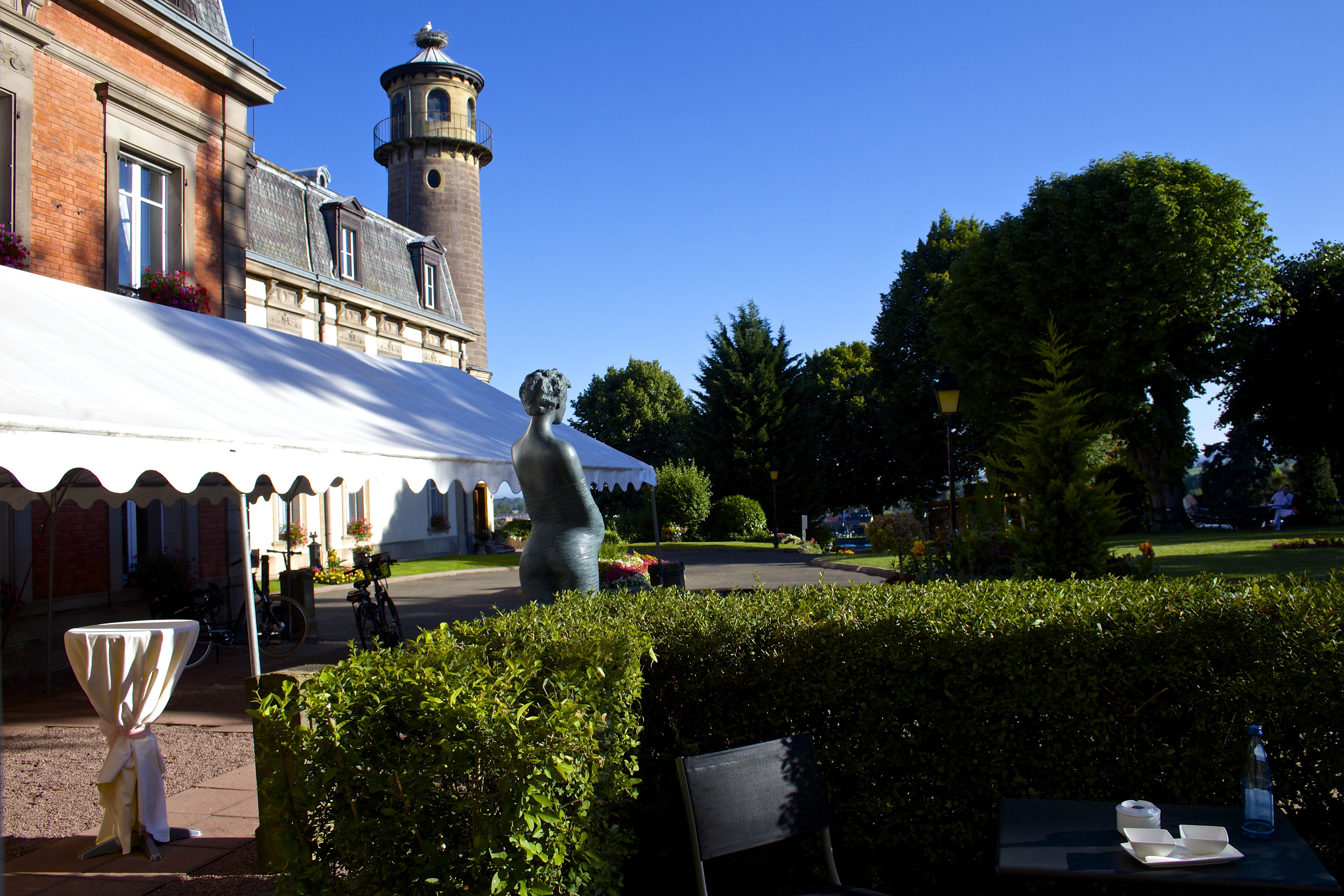
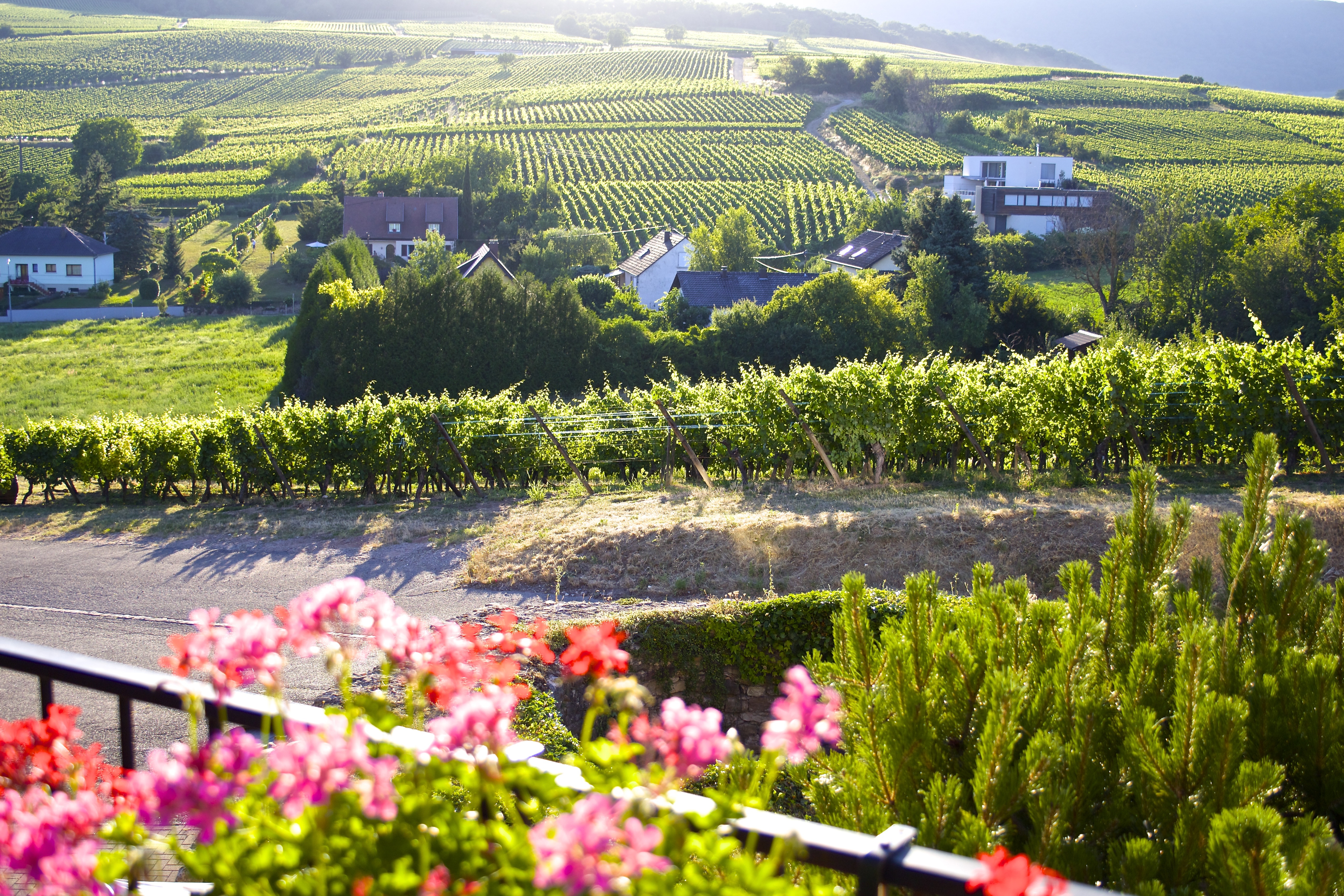
When we eventually arrived at our hotel in Alsace, the Chateau d’Isenbourg in Rouffach, the delightful receptionist asked me “Have you had a good journey?” “No!”, I replied and began to tell her how frightful it had been. “Where were you coming from?” I was so frazzled, I couldn’t remember. “I don’t remember – that’s how bad it was,” was all I could muster. Fortunately, the chateau has a vineyard and makes its own wine. Bothe the Pinot Gris and the Pinot Noir revived my shattered soul.
One undoubted benefit of the EU is the standardisation of infrastructure, from roads to water, but this is of limited value if the management of these features remains diminished by sclerotic national archetypes. Just as British pubs and restaurants accelerate their own decline by refusing service after 2pm ‘because the kitchen is now closed’, so inept road management can severely jeopardise a national economy. I have already commented on Croatian motorways’ emptiness, due to local refusal to pay the tolls. Italians do pay the tolls, but the queues to do so significantly undermine the motorways’ benefits, and probably lead to the frustrated speeding which causes accidents and further delays. The Swiss have honeycombed the outskirts of Basel with a confusing maze of motorways and underpasses, but this only leads to a nightmare grind of slow-moving traffic. On Belgium’s central A4 autoroute today, there is a grossly ill-managed ten-mile contra-flow system, channelling two lanes into one and effectively causing a half-hour tailback, while no-one is actually working on the closed carriageway. Britain manages these situations better, and tends to work to limit the time they inconvenience traffic. I know I only speak as a whinging tourist, but there are significant economic costs to business in badly managed communications systems. If Europe could co-ordinate effectively to improve traffic management, each country would benefit economically, without I would suggest any serious damage to national autonomy. Hanging on to being shit at something because that’s always been their way hardly amounts to sovereignty.
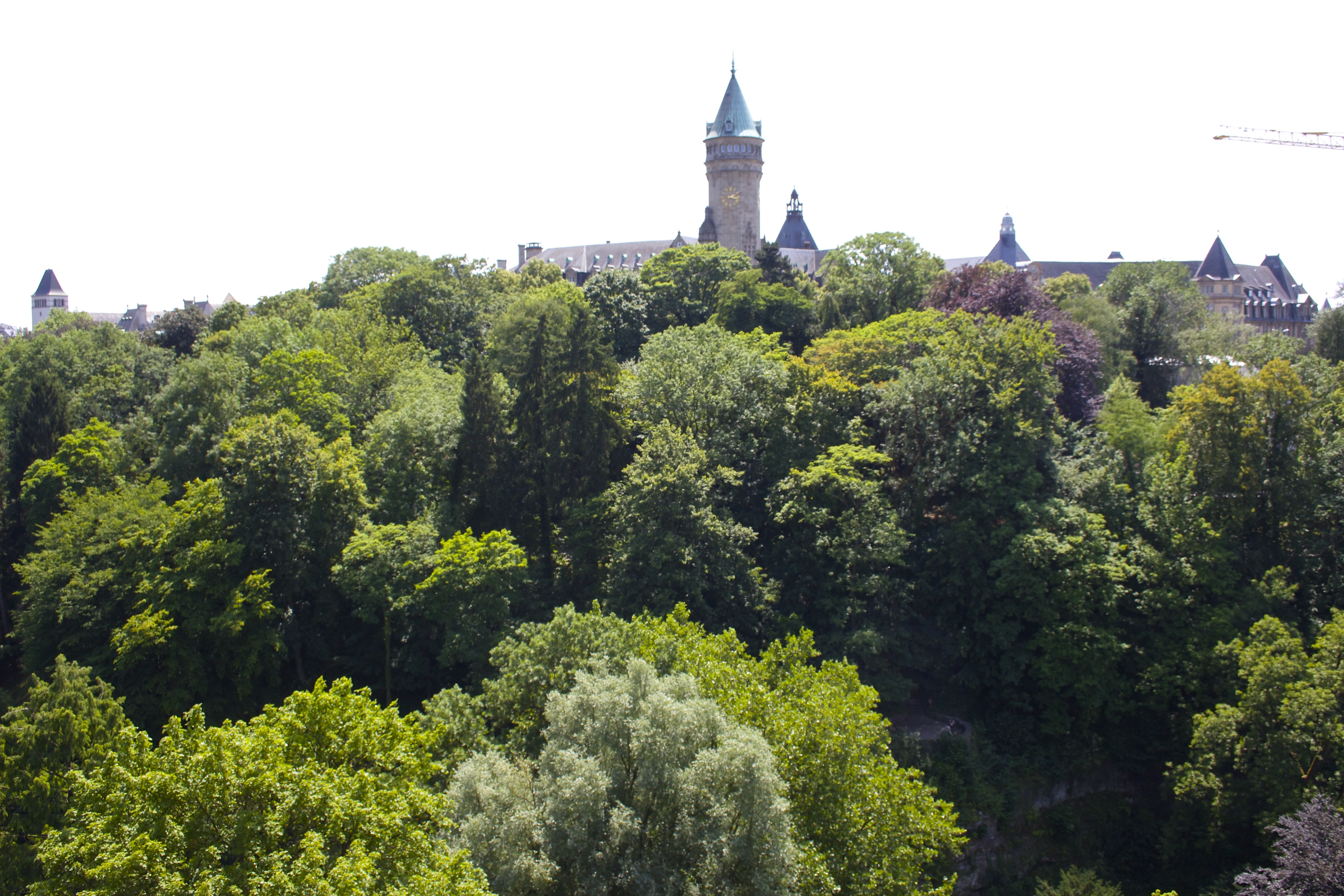
We called into Luxembourg for lunch, not entirely sure what this statelet is for, only to find it heaving with tourists.
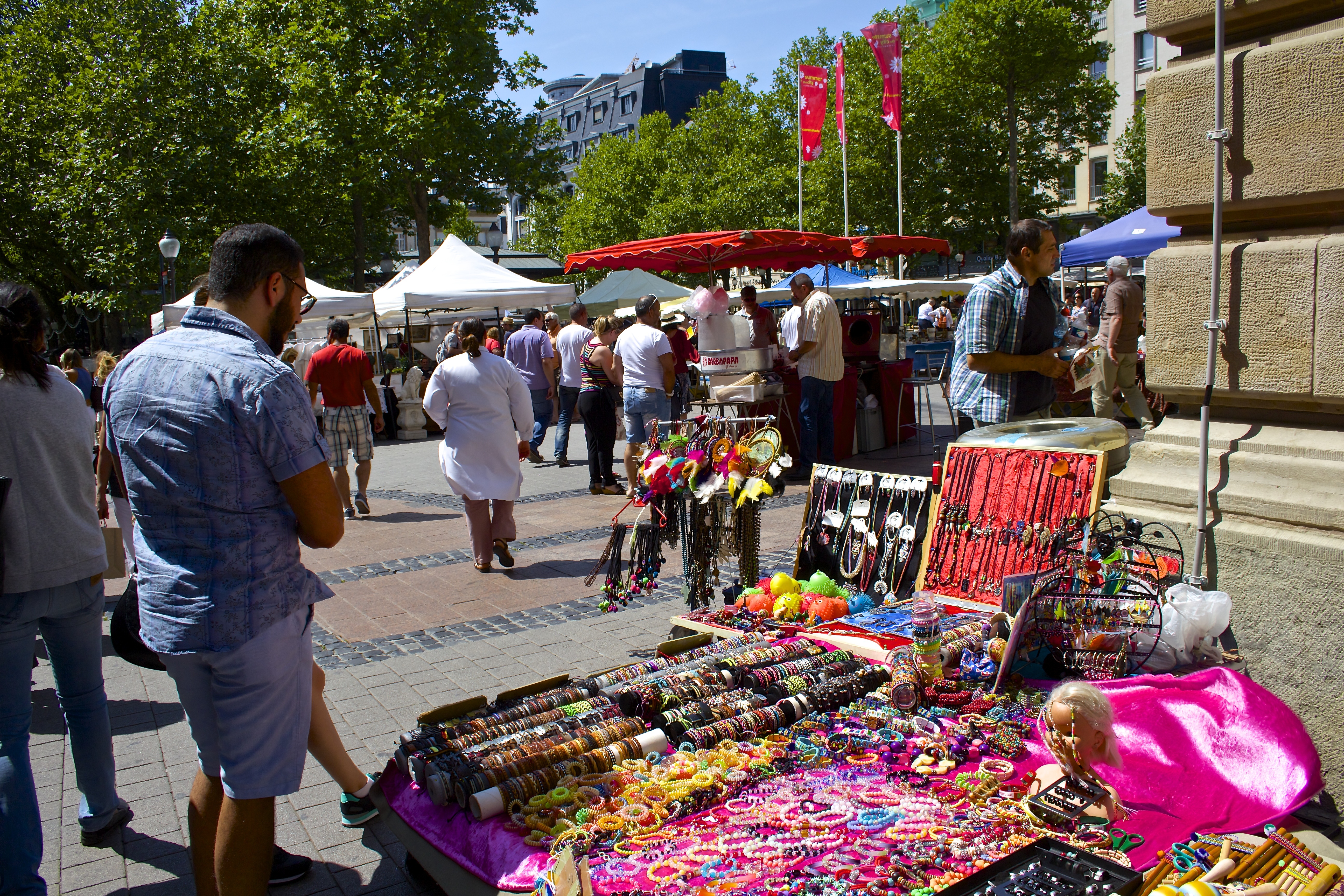
The grand duchy may be one of the founder members of the EU, with the highest GDP in the world, but it is only just over half a million people living on 998 square miles of land. Last November’s ‘Luxembourg Leaks’ apparently revealed what Luxembourg is for: investigative journalism revealed that 343 international companies, including Ikea, Deutsche Bank and Pepsi all benefited from secret tax deals with the Grand Duchy in order to pay as little tax as possible on their global profits. Having been both Luxembourg’s Finance Minister and Prime Minister, newly elected EU President Jean-Claude Juncker clearly knew all about it, so the chances of deep-seated reform, as opposed to the usual cosmetic posturing, remain slim.
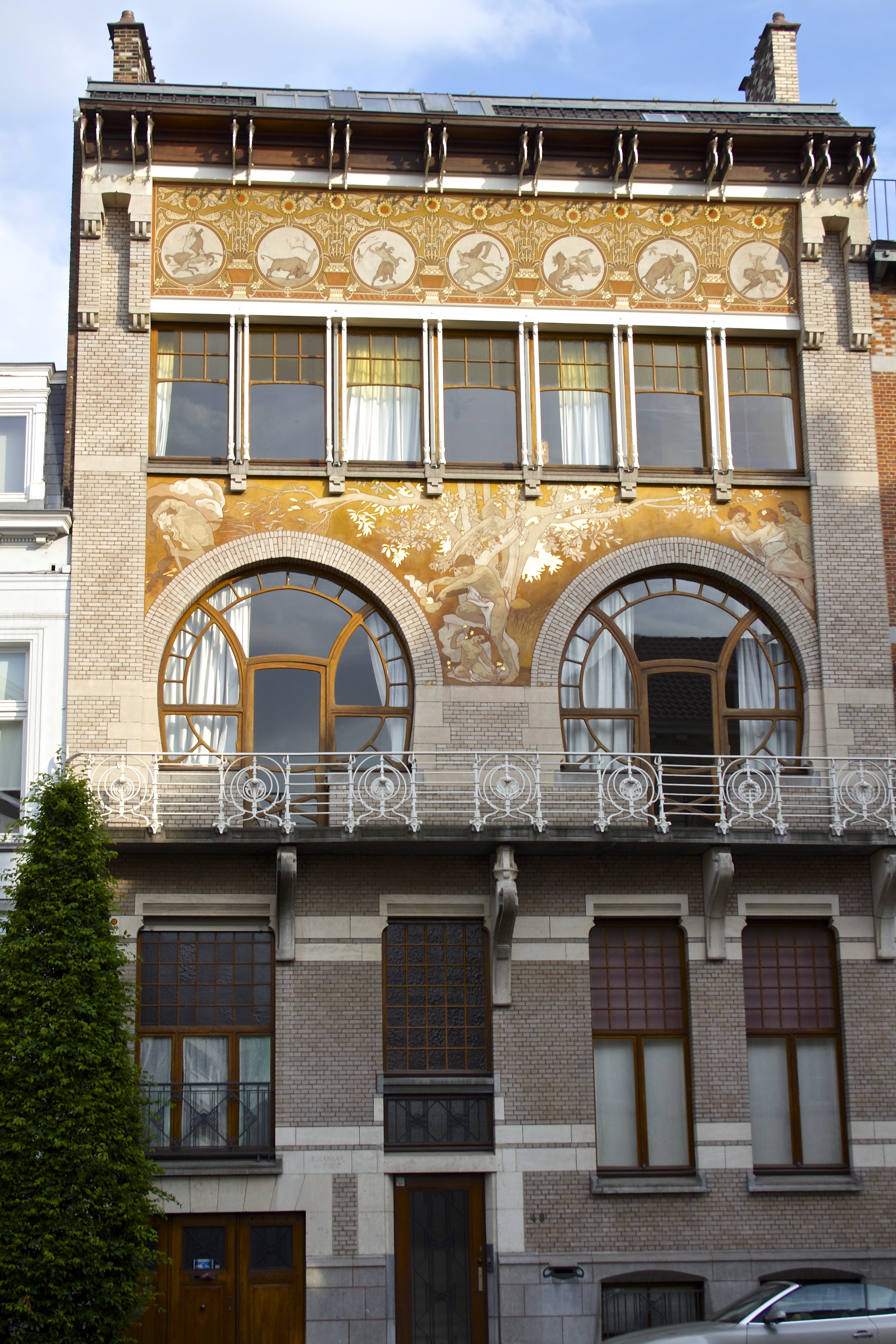
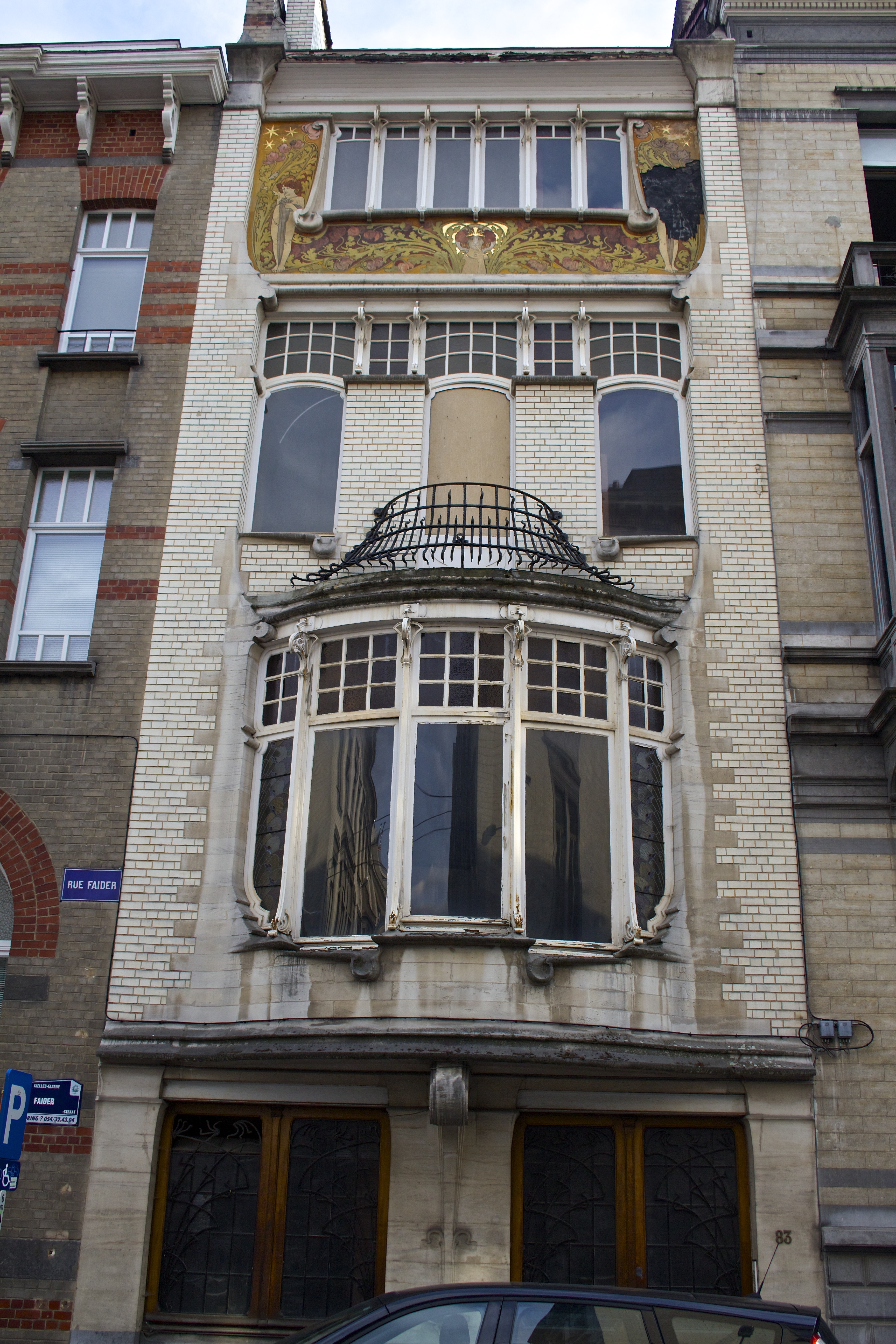
Our last night is spent in Brussels where, not for the first time, I come to the conclusion that the basic standards of gastronomy here are higher than in Paris. Staying at a nice friendly little hotel in the lively Kastelein district, Made in Louise, we are inundated with an option of good restaurants, and La Quincaillerie proved the fine choice, for its perfect mixture of old tradition and fresh oysters and lobster. Plus its head waiter is a dead ringer for English actor Matthew Goode (Finn Polmar in The Good Wife). Even his delivering the wrong dessert is resolved amiably and doesn’t detract from a fine final evening.
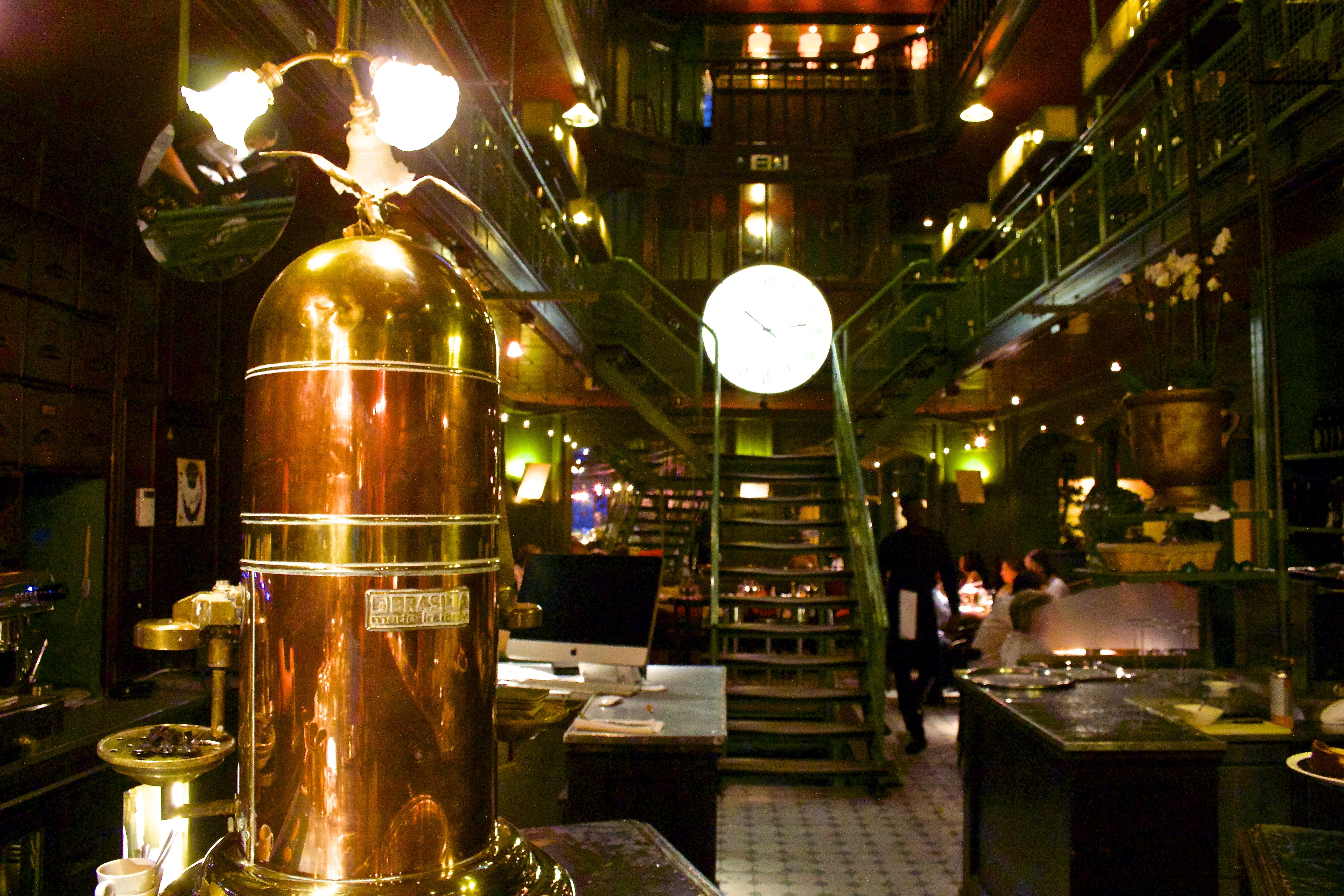
Brussels may be synonymous with the European Union – and all its detractors fears about federalist conformity – but it has not significantly changed in the decades I have known it, any more than any other city worth its name would sycophantically transmute to fulfil bureaucratic fiat. It is a patently absurd to presume some anodyne Alphaville mantle will fall across Europe if the Junckers get their way, any more probable than the millions of Romanians the Daily Mail warned would descend on Britain in January last year – when the assembled hacks had to fight over the one who actually did turn up. Suffice it to say that the last five weeks have reconfirmed in me that Europe is bigger than our quotidian concerns allow, as culturally rich and diverse as ever, but has seriously moved on from the worst of the nationalist and philosophical differences which disfigured the 20th century. In 1968, I found many individual people kind and welcoming, even where their overlords preached paranoia and division, and essentially people remain the same 47 years later, even if now unnaturally distracted by the 21st century blandishments of digital technology and credit cards. You might say one tyranny has been replaced by another, with the cravings of consumerism merely more insidious than the constraints of communism. But what those changes prove above all else is how similar people are, in their needs and dreams, and how little point there is in defensive nationality which promotes division and disharmony.

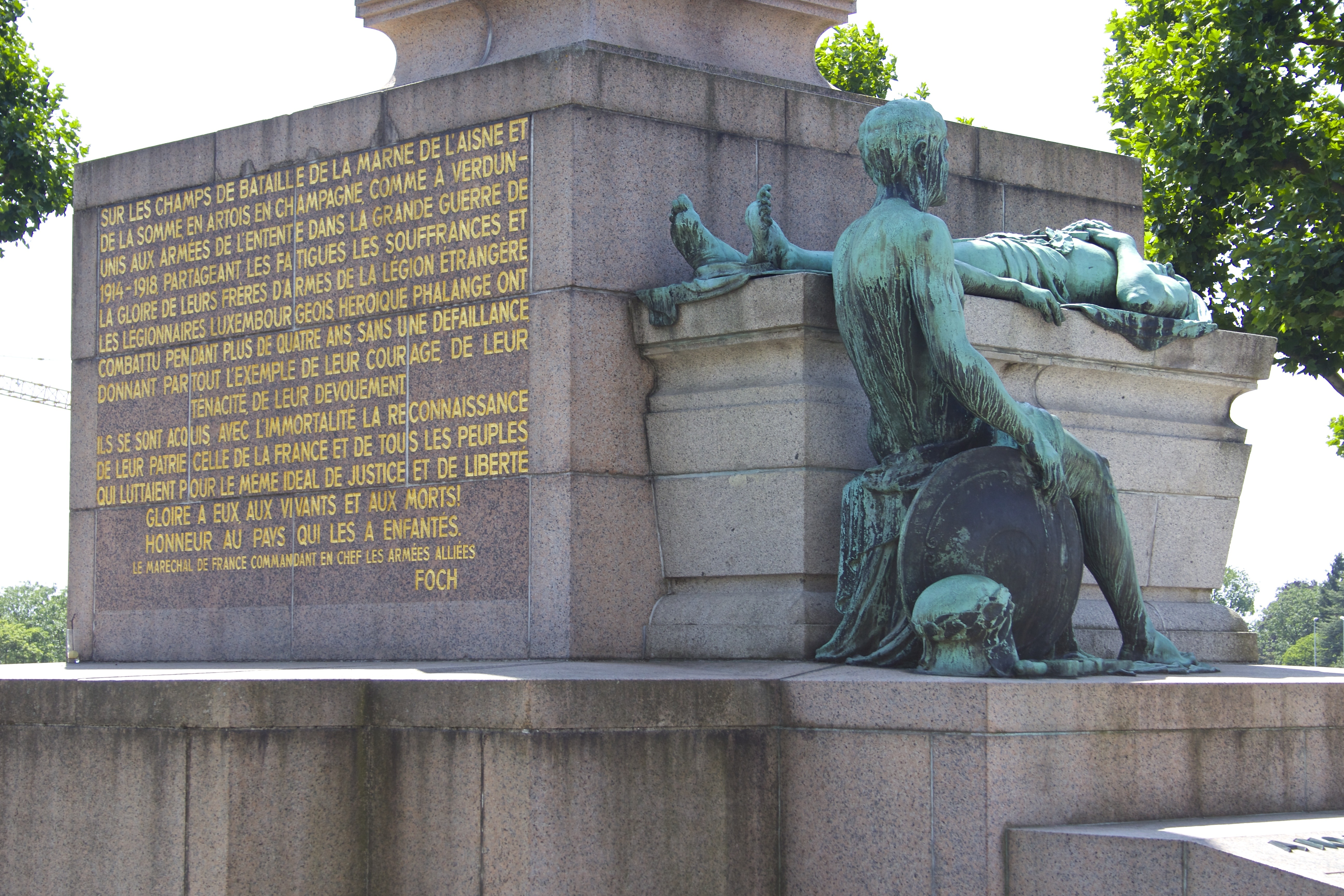
Each French town has a graphic sign to encapsulate its attractive delights to motorists flashing past its exit on the motorway. These usually feature castles, churches or other such historic buildings. Saint-Avold in the Moselle, which we drove past today, has a sign commemorating its American war cemetery and the 10,489 American soldiers and airmen who are interred there, having given their lives for the liberation of this area in 1945. War memorials are all too plentiful in northern France, yet only tend to refer to the great 20th century wars, forgetting the many fought in previous centuries. That we have reached a period in which such conflicts are less imaginable is something we probably give insufficient consideration to, and may contribute to undue complacency regarding the Ukraine and what that portends. Memorials need to be a living reminder, so I leave with the one Luxembourg has to its fallen dead of the First World War.
 peterleewright.com