
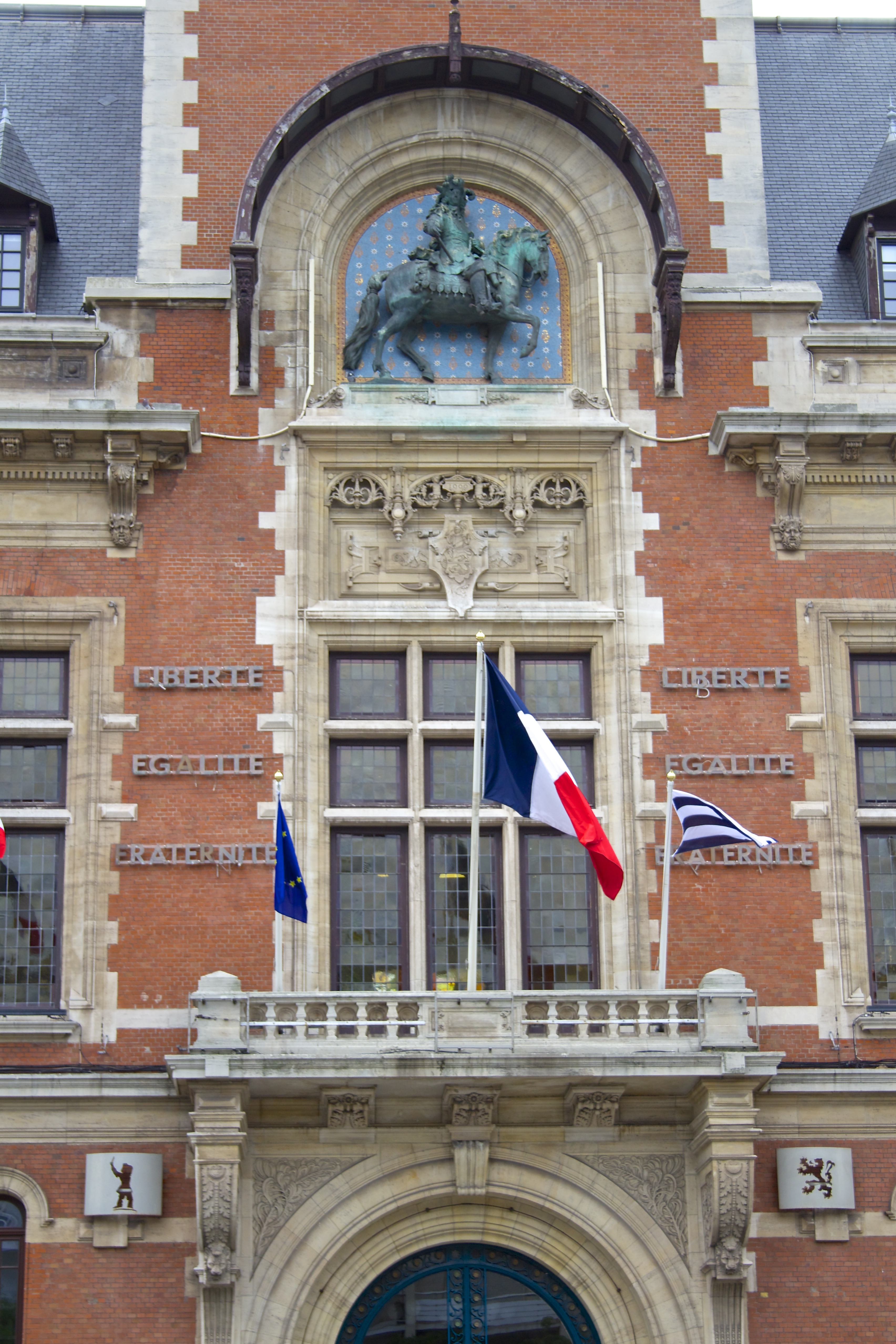
It is all too apposite that the French national motto – Liberté, égalité, fraternité – should encapsulate two of the concepts Britain seems bent on repudiating, while if we have one at all it is the gnomic royal motto Dieu et mon droit, generally thought to refer to the divine right claimed by the monarchy. We need an English one, since most schoolkids no longer study French, so I suggest this might capture the national mood: Everyone for his/her/itself.
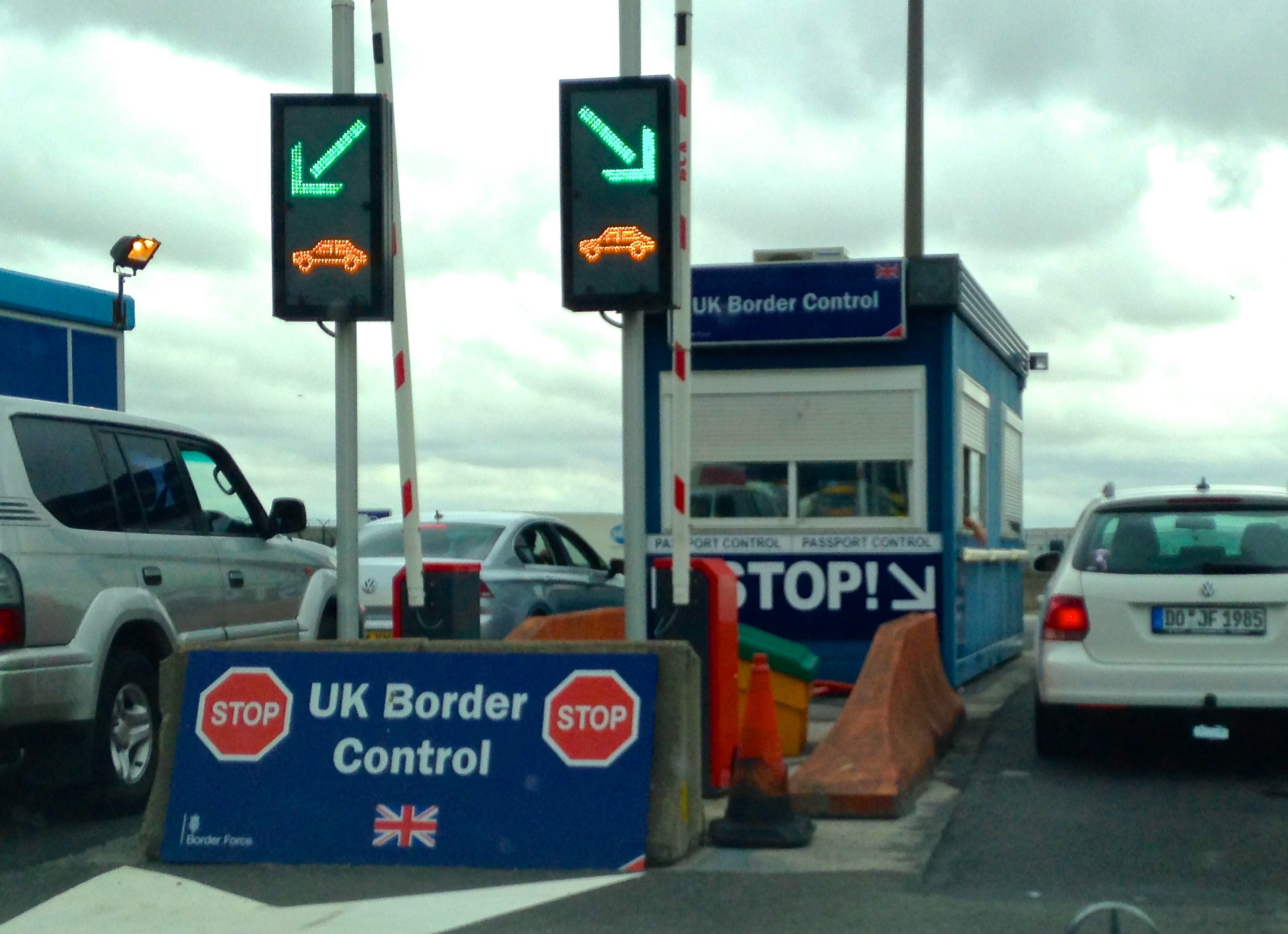
Home after 36 days and 6,000 miles to a traditionally dismal wet British July day. In my last post, I betrayed some nostalgia for Britain and its organisational skills. I take that back. At Dunkirk yesterday, we encountered what I call the UKIP premium. We were forced to queue for half an hour at a scruffy border post for bored border police to take a cursory look at our passports. It made the Bosnian border look relatively well-organised and welcoming.
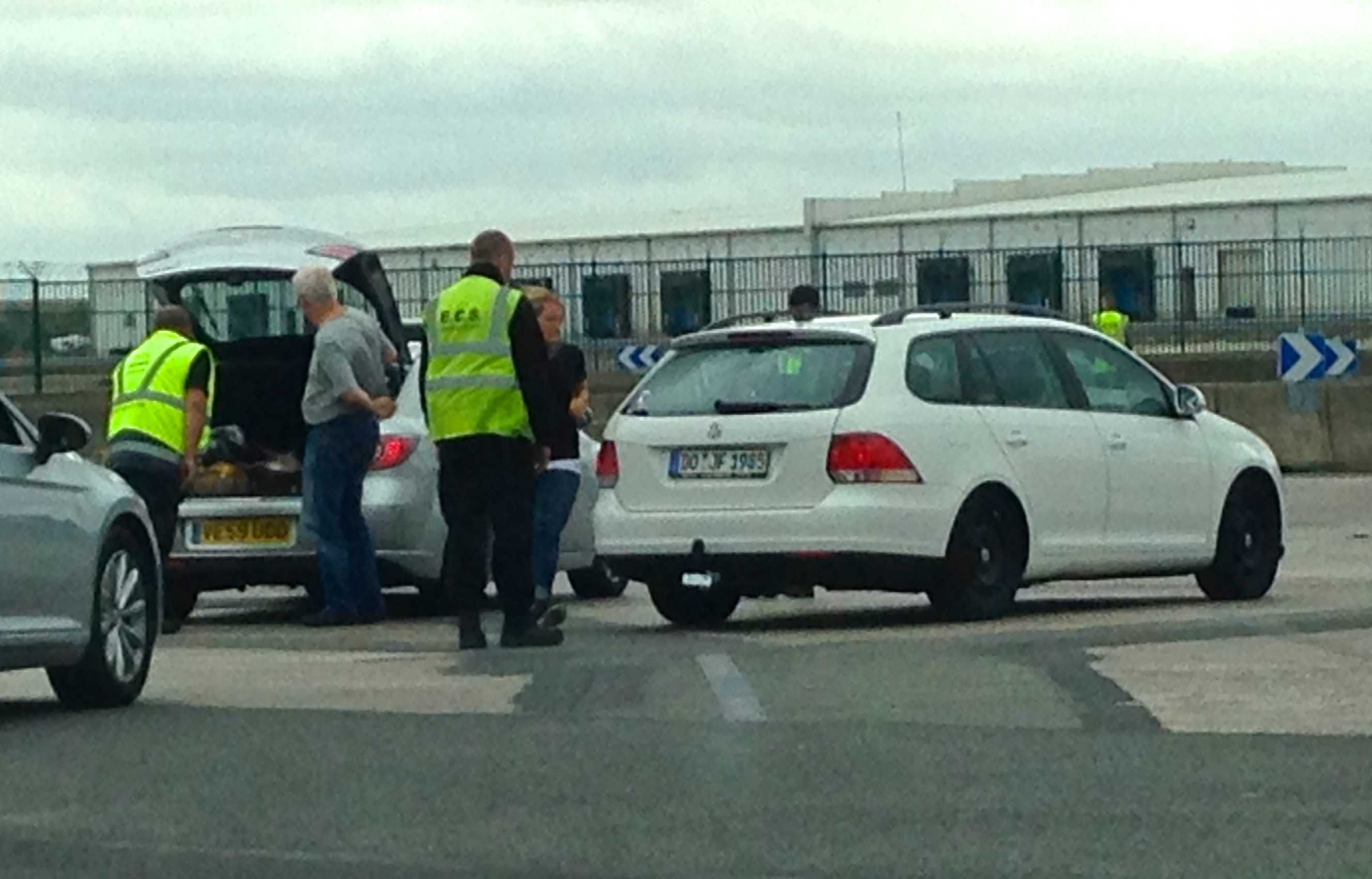
Then private French security agents made every car open its boot to ensure that they were not smuggling dirty foreigners across the Channel. Given that it would have been easy for me to conceal at least one human under my luggage without detection, it is clear that this whole charade is for show, harassment as an instrument of public policy to placate the right wing of the party in power. We can look forward to more of these gesture politics as the referendum approaches.
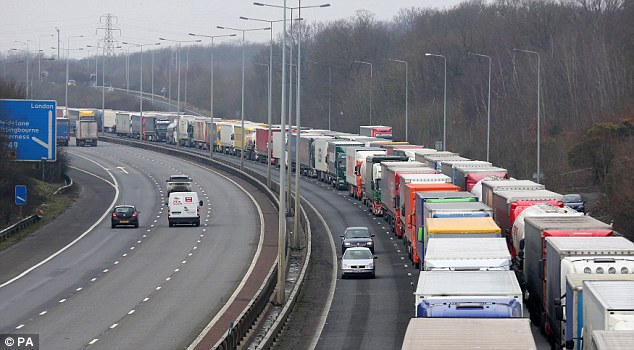
The French port workers have this last week proved how vulnerable the UK is to border problems, with 90 per cent of our continental trade passing through Dover. With strikes disrupting Calais, the Kent Police had to initiate Operation Stack, turning 35 miles of the M20 from Maidstone to Dover into a giant lorry park until ferry services were resumed this weekend. By the time we drove up the motorway, all that was left were the chemical toilets placed every quarter mile on the opposite carriageway, some with their doors hanging open to show that no truckers were left. These portaloos may reveal how good Britain is at crisis management, but equally indicate how vulnerable the country is to being isolated from Europe.

And then there is the image we present to tired travellers as they wend their weary way around the dreaded M25, routinely warned of ‘Long delays between Junctions 12 and 16’. They may stop off for what American euphemists call ‘a comfort break’ at the recently opened Cobham service station, only to find a vast concourse heaving (in every sense) with too many cars and people and a rugby pitch sized ‘food court’ of smelly, sweating pork and other low-rent culinary delights. The whole experience is enough to make a sensitive soul turn tail and flee back across the Channel to civilisation.
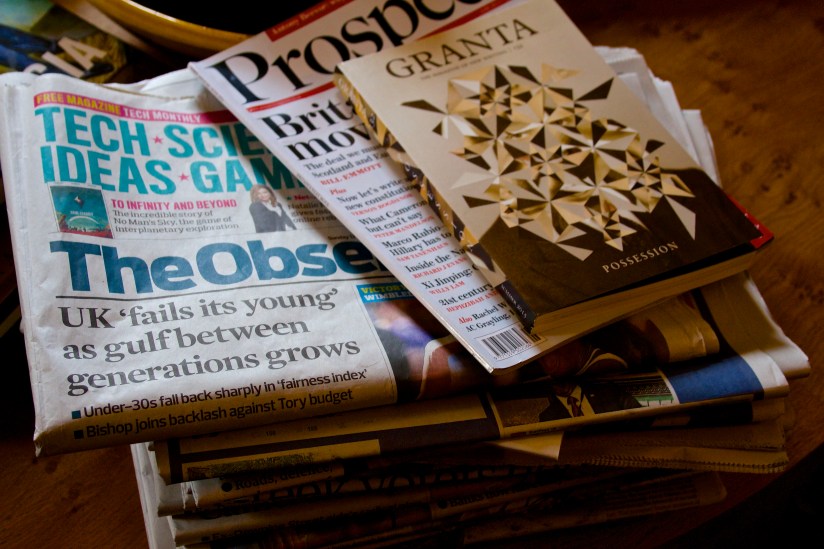
But, once in the sanctuary of my own home, I count my blessings, and these include a liberal press – stacks of newspapers and magazines awaiting me – and the BBC. The only problem is that one of these, the Observer, reminds me that the other – the BBC famously politically targeted by the new DCMS Secretary, John Whittingdale – is under continued threat as its charter renewal negotiations progress. DG Tony Hall has been forced to subsume the huge £750 million cost of subsiding the over-75s’ free television licence in what he bravely announces is a ‘cash-neutral’ settlement, yet this is the latest plank turning the licence fee into a tax supporting government policies around public broadcasting rather than the simple, good value levy on a free to air service it was meant to be.
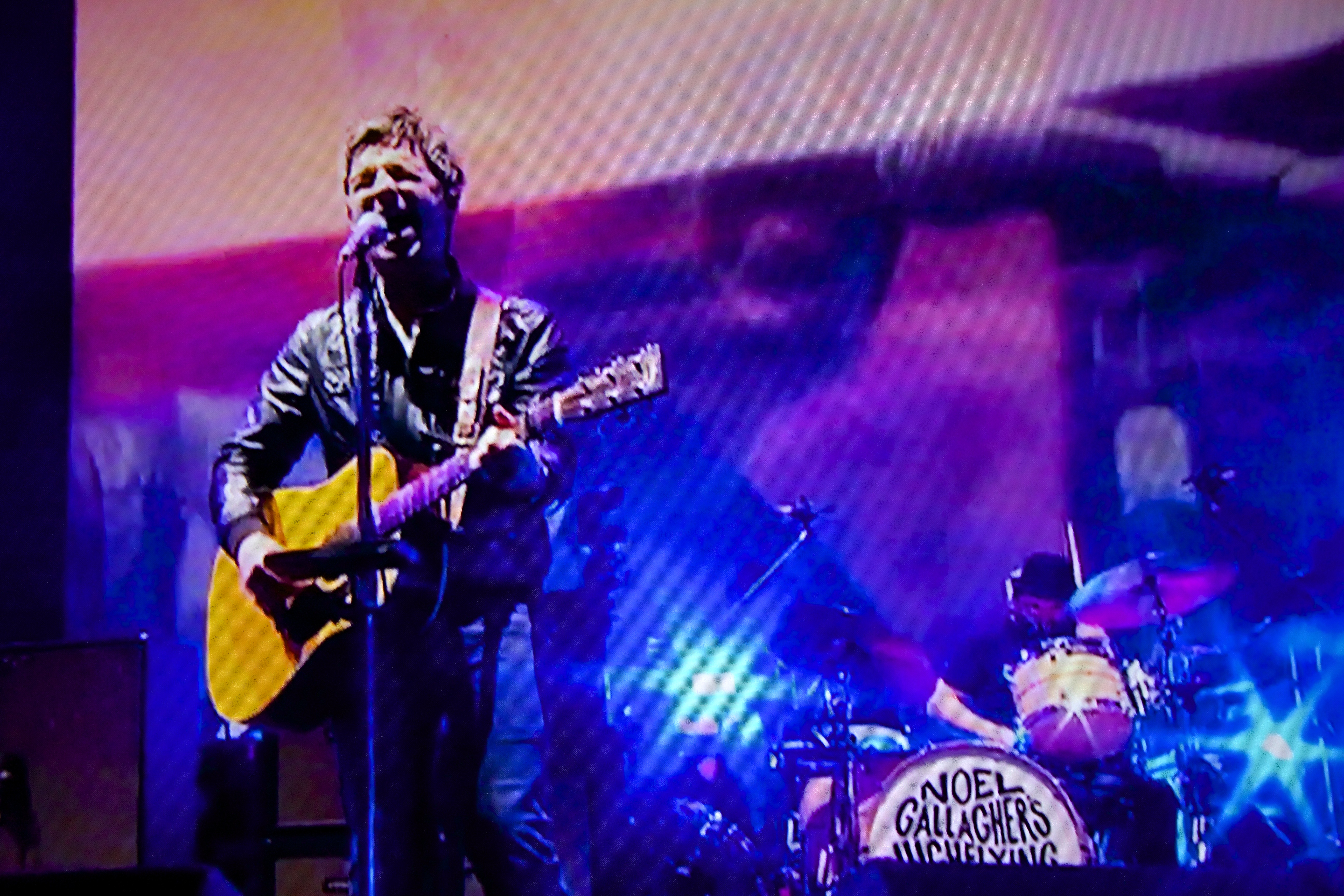
I turn on the TV and watch a live stream from the T in the Park festival from Strathallan Castle in Perthshire, second only in scale to Glastonbury, which I had missed while away. Noel Gallagher’s High Flying Birds is headlining. I didn’t even like Oasis, but I have to admit this is a truly great set, vintage rock with a capacity blissed out crowd singing along. The quality of the coverage – capturing the scale, theatre and crowd sensation of the event – was extraordinary, reminding me how awful by comparison the Splitski festival we watched a week ago was. While American film directors like the Maysles Brothers and Martin Scorsese have produced some of the most epic feature films of great music events, it is the BBC who are world leaders in live coverage, and also produce some of the big music events, from BBC Radio 1’s Big Weekend and 6 Music Festival to the world’s largest music festival, the Proms. How much of this will survive the government’s chiselling and the pernicious land-grab of the would-be privateers remains to be seen, but the current role of the BBC as a cultural curator is clearly not sustainable in a climate of constant contraction. Music and other entertainment with a mass market will survive; but the wealth of new music of every genre, the new writing and thinking which animates the best of the BBC’s output from Radio 4 to BBC4, will wither when subjected to the scorching blast of competition, just as wheels are falling off the NHS bus thanks to the unwanted imposition of partial privatisation.
What, one might ask, has this to do with Europe? Well, quite a lot. Because the fears that the reactionary Europhobes raise of the EU homogenising our culture is much more likely to happen through their free market policies than by fiat from Brussels, indeed is already happening. The EU may have helped Lidl park its tanks on every civic lawn in Europe, but had nothing to do with McDonalds, Subway et al introducing their zero hours contracts to every high street in Britain. The ghastliness of the Cobham service station is an expression of corporate culture, not European; Croatian motorway service stations are positive oases of civilised café culture by comparison. Although the French are also falling prey to the likes of McDonalds, their town high streets are not quite as advanced in the process of Tescopolisation as ours.
Popular culture is all about aspiration, and what the young want now is the latest iPhone, not a Union Jack. Any nation seriously worried about being swamped by foreign culture looks to the signifiers of sophistication, as revealed in advertising. Concerned at the Americanisation of their culture, in 1994 the French enacted the Toubon Law, which mandates the use of French in every sphere of public communication, including restricting the amount of foreign language film and television shown. If only we could ban “Have a Nice Day”.
But the bits of the EU which the Tories agitate about – and which Cameron is opaque in defining as his goals for renegotiation – are mainly to do with employment legislation, such as the Working Time Directive restricting employment hours to 48 a week. Sir Bill Cash – the right wing Tory MP with a face like an angry boil, also the chairman of the Commons European Scrutiny Committee – said the Working Time Directive is “destroying the economies of Europe”. They are not in the least bothered by the fact that privatisation has delivered control of a significant amount of our national utilities – including nearly half our water – to foreign companies. They simply want the freedom to exploit their workers with much less regulation. The Observer also advises me of an upcoming BBC documentary on research which proves many more of our ancestors had slaves than hitherto thought – Britain’s Forgotten Slave-Owners – and were handsomely compensated on abolition in 1834 with a payout equivalent in scale to the 2009 bank bail-out. That’s the Britain they want to hang on to.
 peterleewright.com