
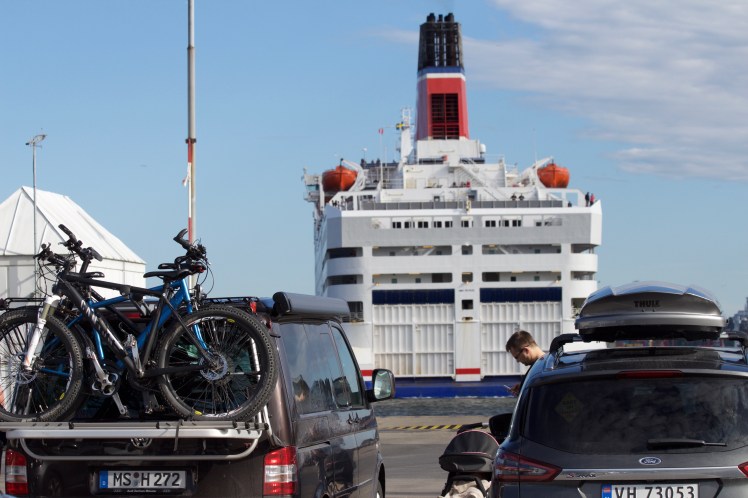
 Here I was about to Nexit – leave Norway, albeit by ferry not act of mass suicide. Sitting in a growing queue at Oslo docks, I noted that mine is the only British car. There are dozens of Dutch, troops of Germans, a few Danes and the odd Swede; just the one Brit. Indeed, I haven’t noticed a single other British car in the whole of Scandinavia. So we had already voted with our tyres.
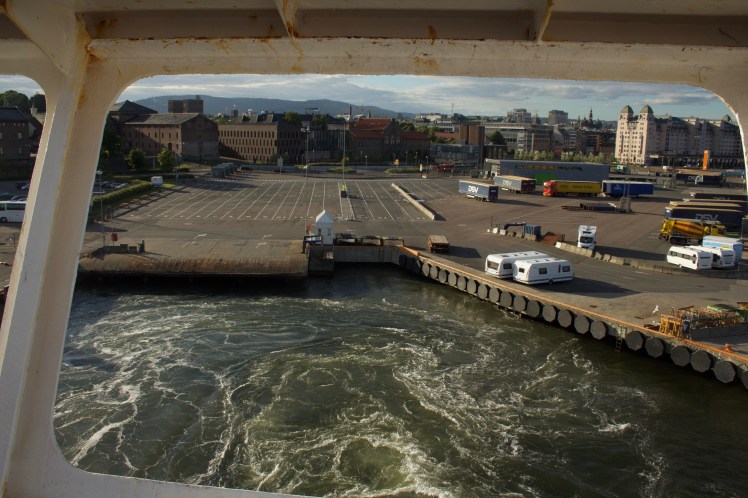
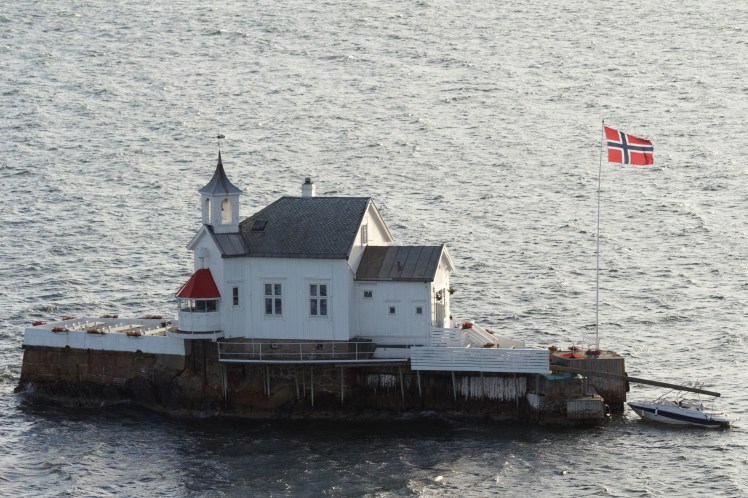
I am more familiar with Norway than Denmark and Sweden, and have driven here before, but it remains refreshingly different. Prices are not astronomic because of the plummeting pound, just even worse than usual. Prices and taxes are kept routinely high, not least to ensure everyone enjoys a good wage and excellent public services. Maternity/paternity leave ensures the couple enjoy the best part of a year off on full pay, with no detriment to either partner’s career. State-run nurseries operate with highly-trained staff to cover the full working day, at a monthly price roughly commensurate with two days in a private London nursery.
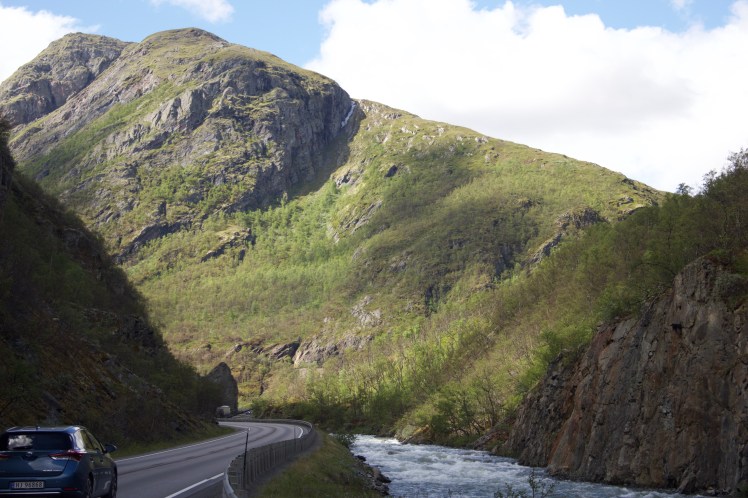
The only thing Norwegians could spend more on are roads. Despite false attribution in my road atlas, there are very few motorways. Their main trunk roads are two-lane roads, like Britain’s A-roads in the 1960s, before the advent of motorways. They re-surface them more regularly than the UK, but even where they are clearly spending serious money, eg upgrading the E6 Oslo-Trondheim road, tunnelling through mountains to make it straighter, they are still only building it as a two-lane road. What’s worse, they put a barrier down the middle so you cannot overtake. So the velocity of Norwegian traffic – I wouldn’t use the word speed – is dictated by camper vans, of which there are thousands on the roads. Great for goggling the grand scenery as you troll along, ghastly for getting anywhere.
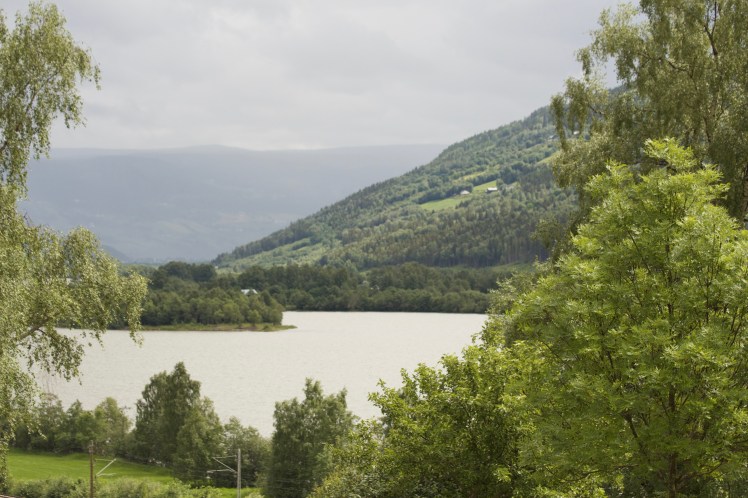
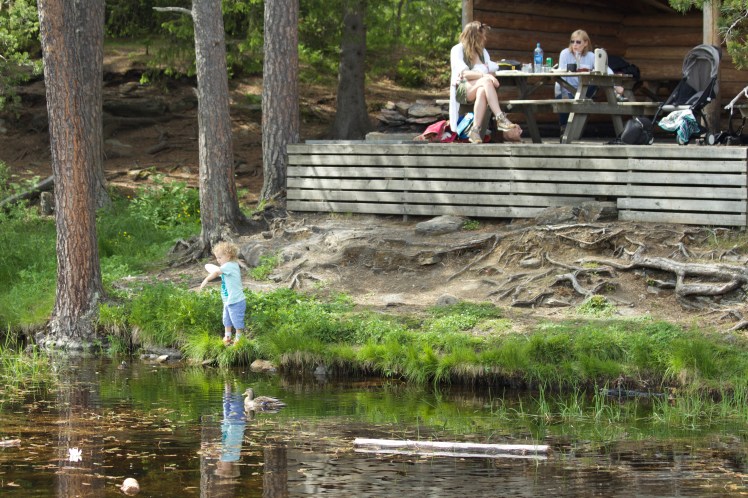
Then there is the astonishing lack of places to stop for a bite to eat. I have never been anywhere in the world, developed or developing, where there is less choice. You can drive for 20 or 30 miles before finding one indifferent roadhouse restaurant, which is inevitably besieged because it is the only one. You very occasionally see a café sign, only to find it closed. Yet there are hundreds of well-appointed campsites for all those camper vans, beautifully situated with handy lakeside seating, often barbecues and wood left for the campers’ convenience. So you are clearly expected to self-cater.
There is an extraordinary lack of entrepreneurialism, gagging for someone to fill the yawning comestible gap. Even our otherwise excellent Oslo hotel, the Oslo Gulsmeden, proudly announced when we arrived that their restaurant “was closed for the summer”! What next? Mountain passes closed for good weather? Churches closed for Christmas? Britain closed for business? Oh, yes.
This is all the more surprising when I note that Norwegians are more given to conspicuous consumption than any other nation I have encountered outside the USA. On every night of the week, most of the uniformly pricey restaurants in Trondheim and Oslo are packed to the gills.
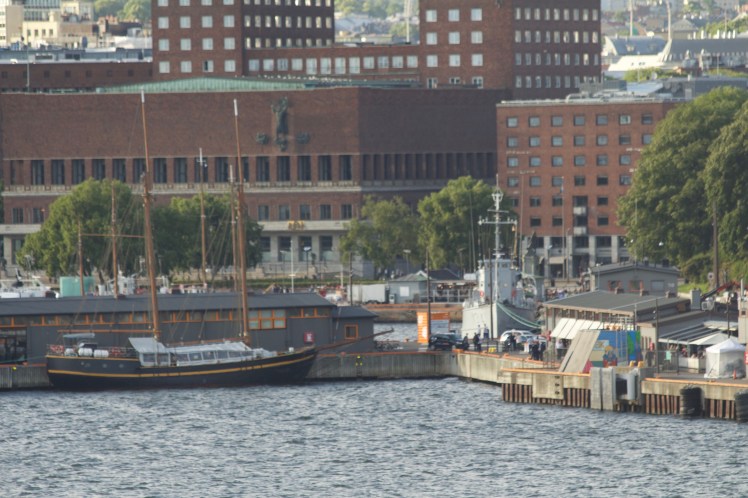
We had to sit in a windy tent outside Oslo’s best fish restaurant (above, bottom right), because it was fully booked, despite still paying London prices for unarguably excellent sea-food. Perhaps the most compelling insight was to be had on my overnight ferry from Oslo to Denmark. The eating options ranged from a BBQ on deck, and the usual canteen sandwich and pizza area, to an a la carte restaurant. There was also an hotel-style buffet restaurant, offering a miraculous array from smoked meats, gravadlax, prawns, mussels and both sea and freshwater langoustines to hot and cold fish and meat dishes, cheeses and umpteen desserts. They took two sittings, the first of which was busy, the second merely attracting twenty or so, roughly equivalent to the staff on duty. I asked one of them what happened to the literally thousands of pounds’ worth of food left over, and she said they had to bin it. She herself had suggested giving it to the poor, but was told that overexposed seafood could give people illness and the chance to sue. It is still a frightful waste.
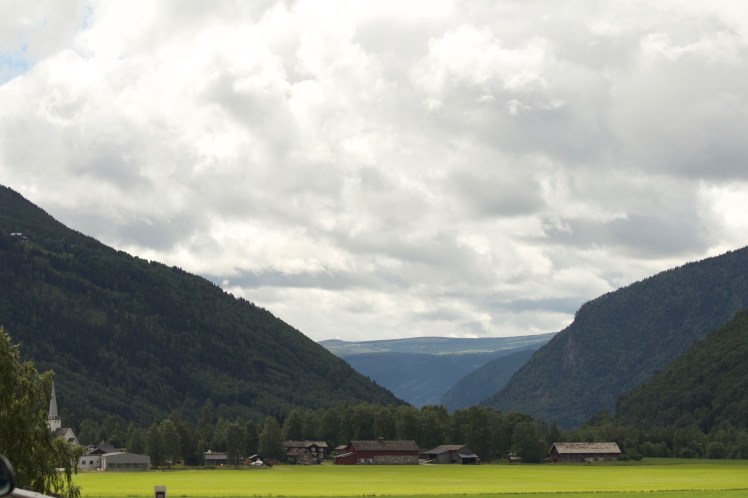
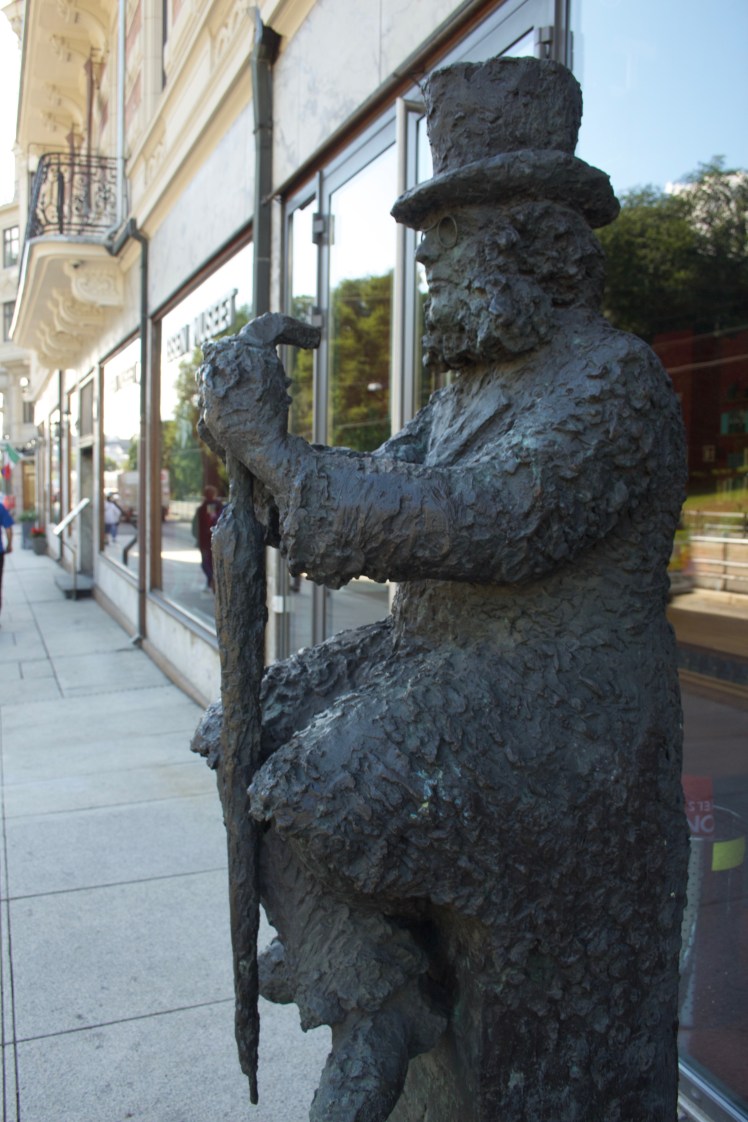
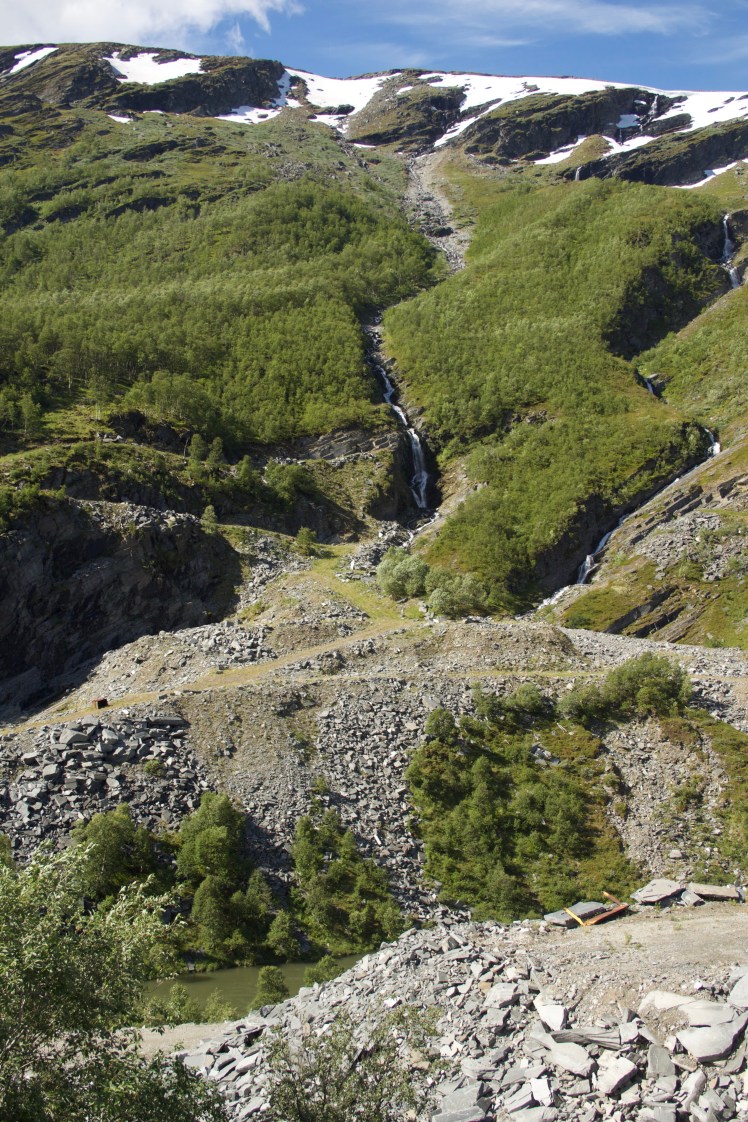 The campers are not all wrong – although I wish they were restricted to moving between midnight and 6am. Norway is spectacularly beautiful and has vast vistas of mountains, lakes and fjords to get back to nature in. The Norwegian art celebrated in Oslo’s National Museum is at its known for its landscapes, although best when picturing the painful social realism of the late 19th and early 20th centuries. Ibsen covered the same ground on stage.
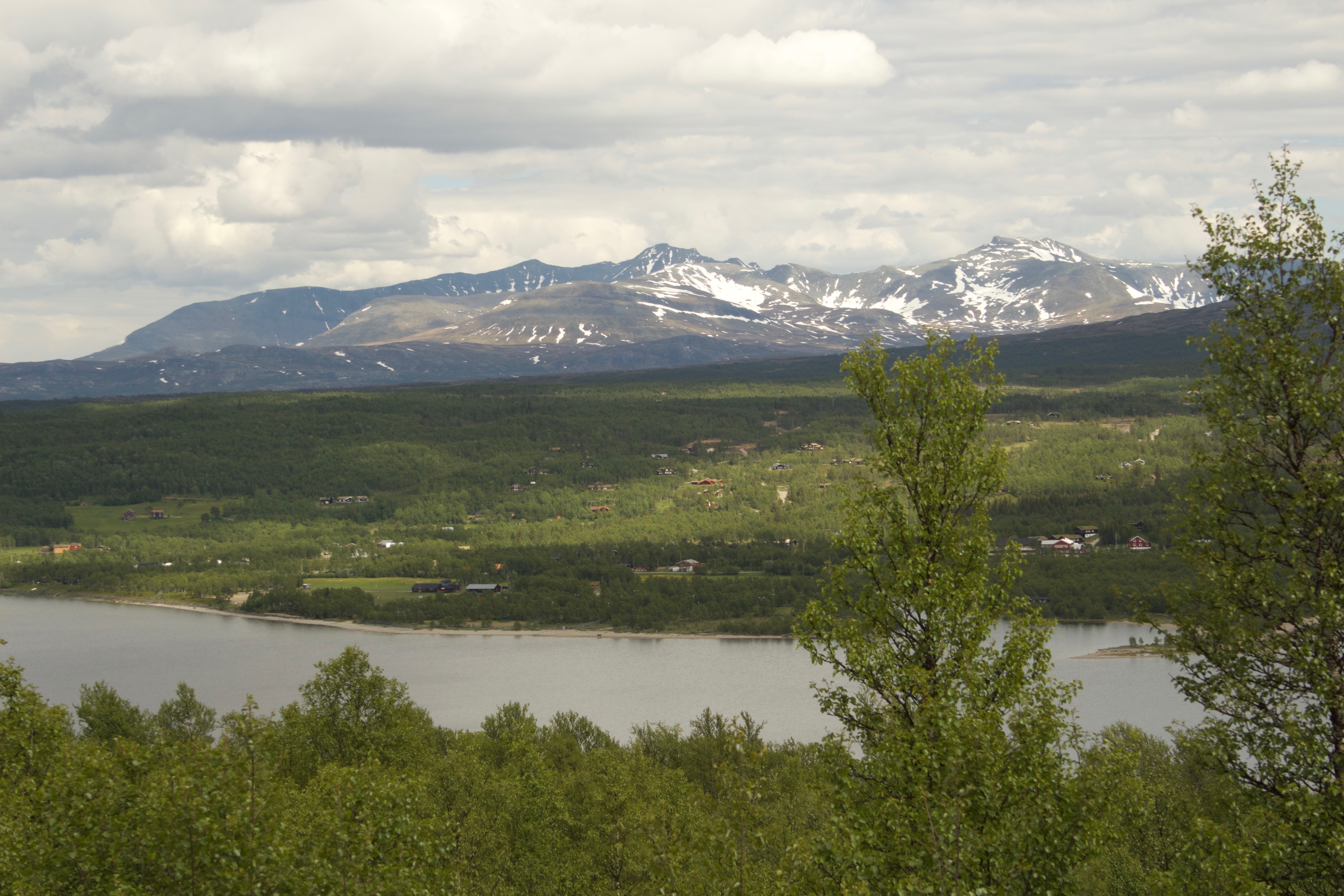
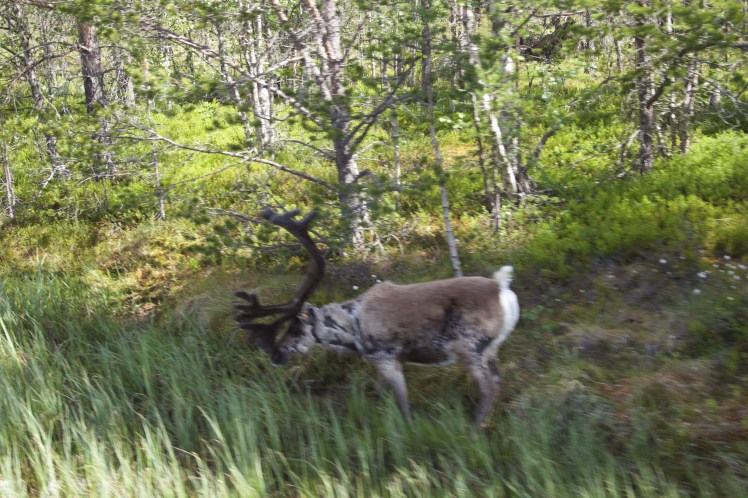
And once you get off the main roads, it’s actually faster. Driving into Norway across the mountains from Sweden, I took the deserted 705 and could breeze – well, bounce – for miles without seeing another car. I did see a reindeer though. They, or at least their hides, turn up regularly in restaurants and hotels, draped over your chair or bed.
Venison – deer, elk, etc. – appears regularly on the plate, as of course do the abundant supplies of fish and seafood from the surrounding sea. Monday’s halibut sashimi was to die for; I have even developed a taste for the national dish: pickled herring with raw onions, hard-boiled eggs and rye bread.
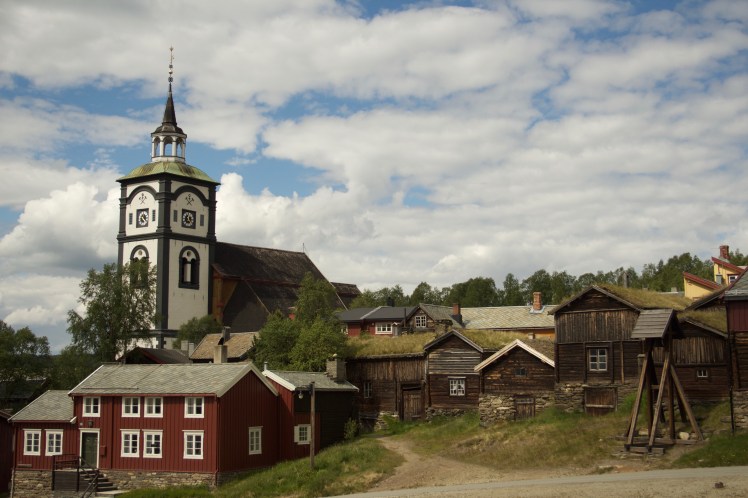
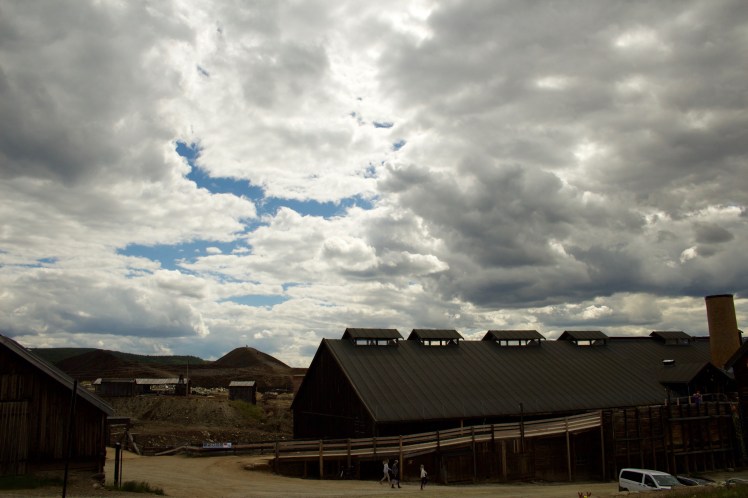
Norwegians are quite obsessive about their history and culture, with museums to everything everywhere. On the way in, I stopped at Roros, a 16th-18th century copper mining and smelting town, now preserved as a UNESCO World Heritage site. I had read that the museum was not that great, having burned down a while back, but the buildings of the old town are certainly a magical evolution of a bygone era. They even put on a kind of pageant of this industrial past for visitors, performed on the carefully conserved slag heaps. Slags I have known!
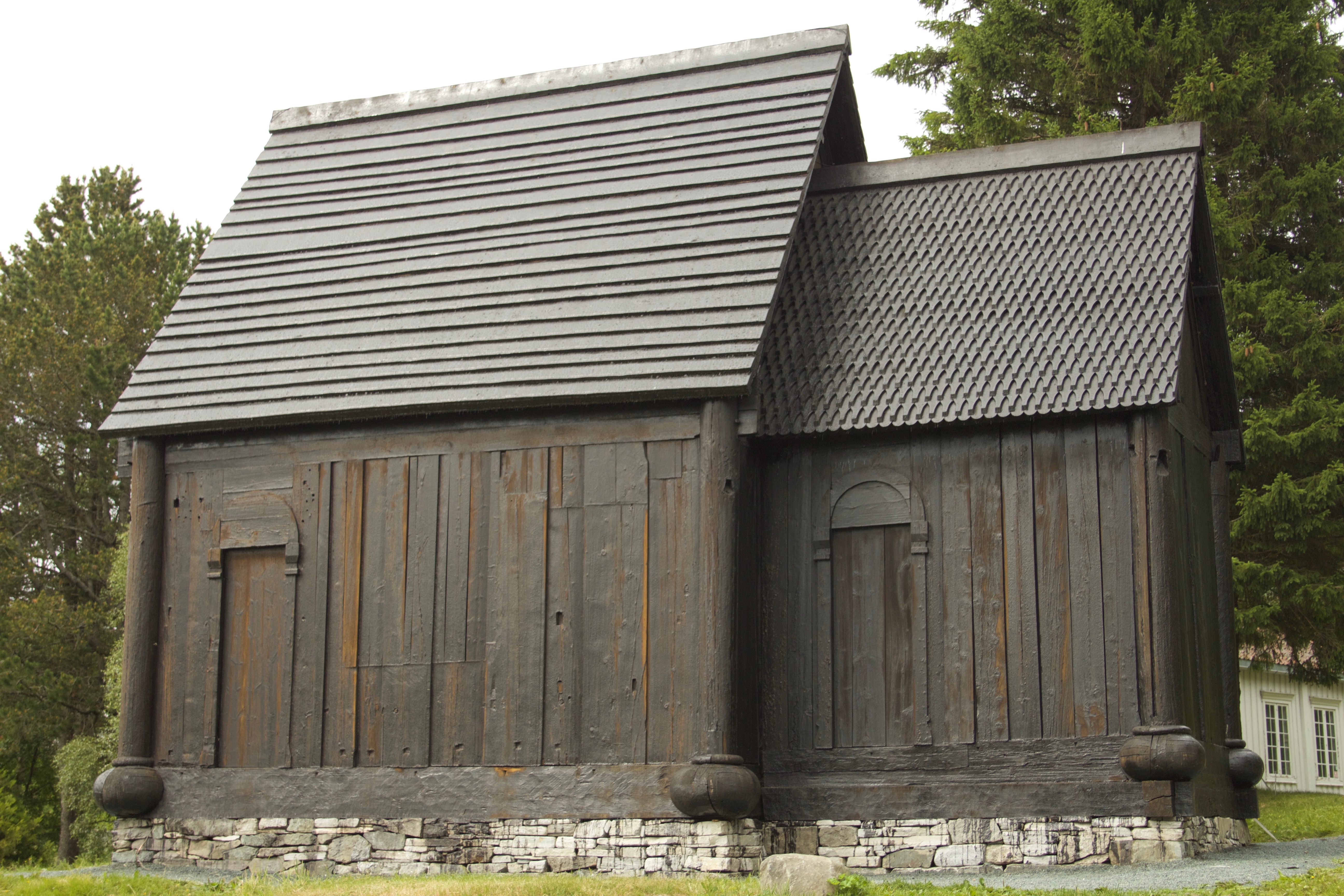
In Trondheim, I went with my son’s family to Sverresborg open air museum of cultural history, where buildings from across the ages are preserved like a film set, from farms and a 12th century wooden chapel to a 19th century town square.
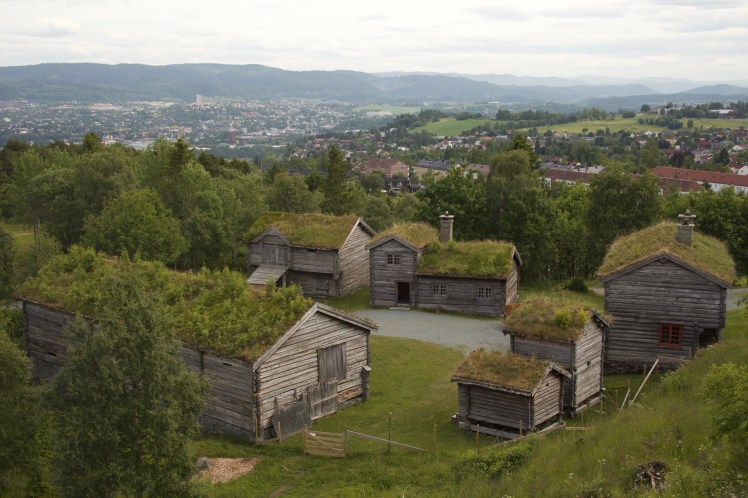
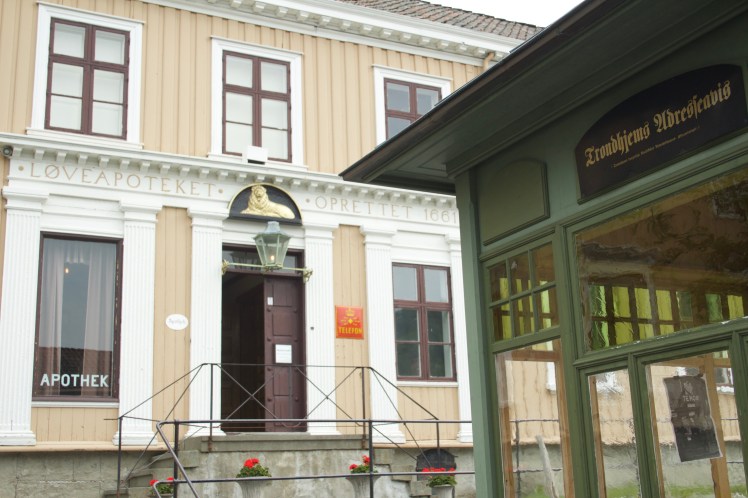
Passionate historical guides tell you all about it, while costumed actors play the part of 19th century farmers and townspeople. I am not massively committed to this form of ‘reimagining history’, happier to use my own imagination, but it undoubtedly gives much-needed work to out-of-work actors. They also seemed usefully occupied feeding the various animals – goats, pigs, rabbits, chickens – kept in these relocated historic farm buildings. They were very pleased with their chickens’ production of one egg, but I -somewhat in killjoy mode – pointed out that this was not an economically sustainable production base. It wouldn’t have kept the ferry going for a micro-second.

There was also a beer museum there, fascinatingly recording a Norwegian beer history, every bit as complex and deeply ingrained as the British beer tradition. This was interrupted by early 20th century puritanism, which restricted most brewing to home-brews, and introduced a low alcohol upper limit, effectively killing off most of the industry. You still cannot buy beer over 3.5% outside the few state-run off-licence ‘Monopolets’, although excellent micro-breweries have made a recent comeback in Norway, like they have in Britain, with an outlet though bars. One I in had a Trondheim bar was one of the best IPAs I have ever tasted, despite being nearly poleaxed by a £21 bill for 2 beers and a bag of crisps. With a worthless pound, this is what we face now, thanks to the ill-informed eejits who have elected to return us to the dark ages. A plague on all their houses, a medieval invocation I feel all too appropriate to this time.
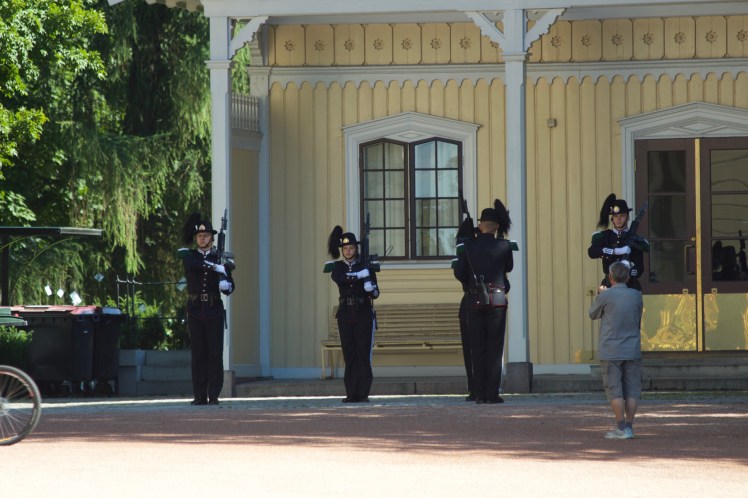
At the same time, this soldier guarding the royal palace in Oslo could do with a hair cut.

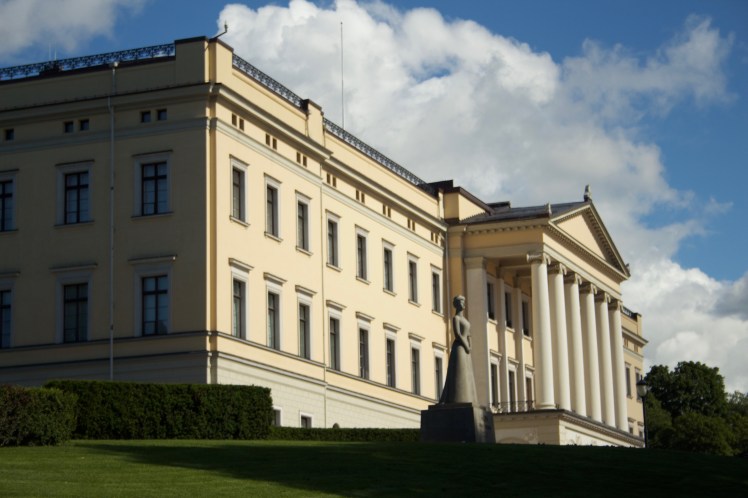
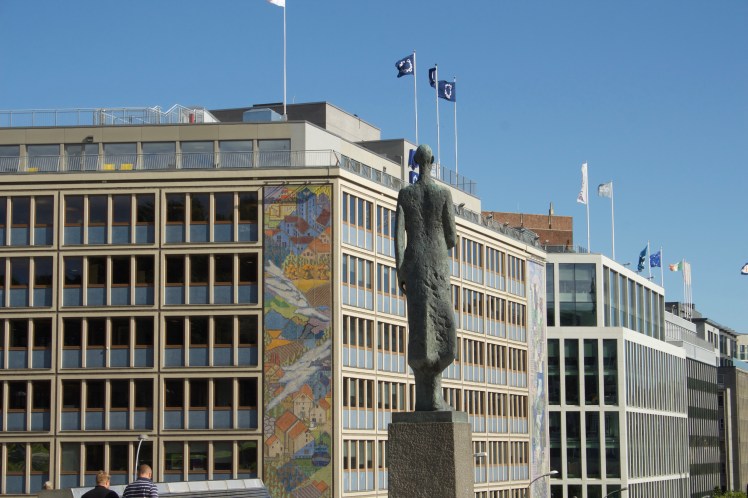
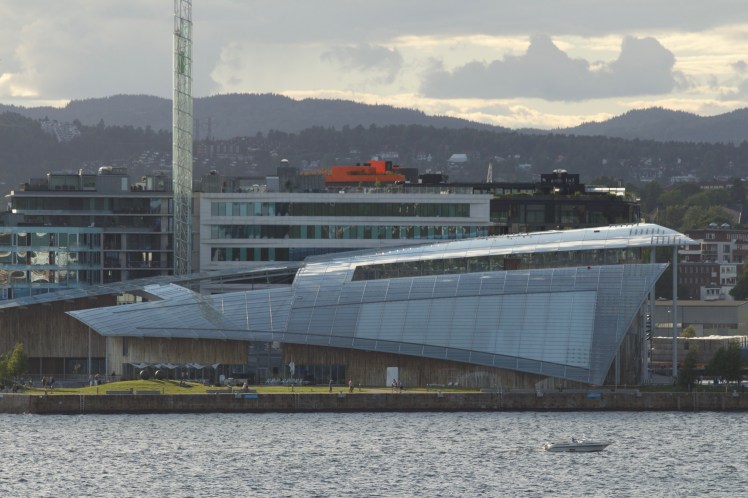
Oslo is generally very modern and vibrant, like London before the bankers leave.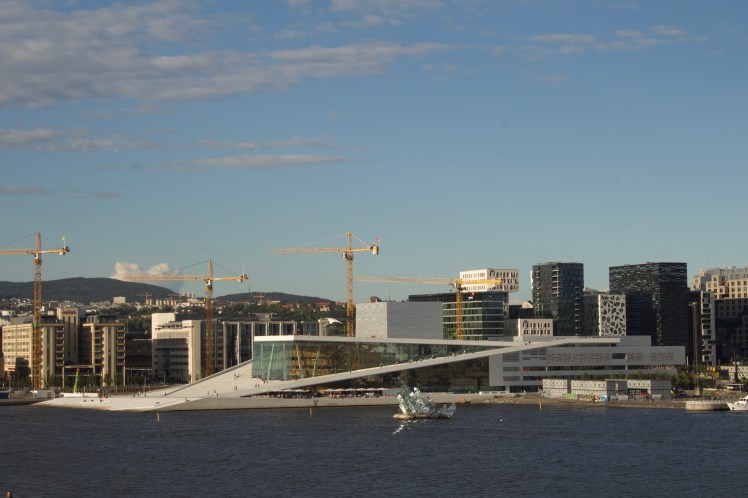
We’re all at sea now: might as well party as the Titanic goes down….

 peterleewright.com