
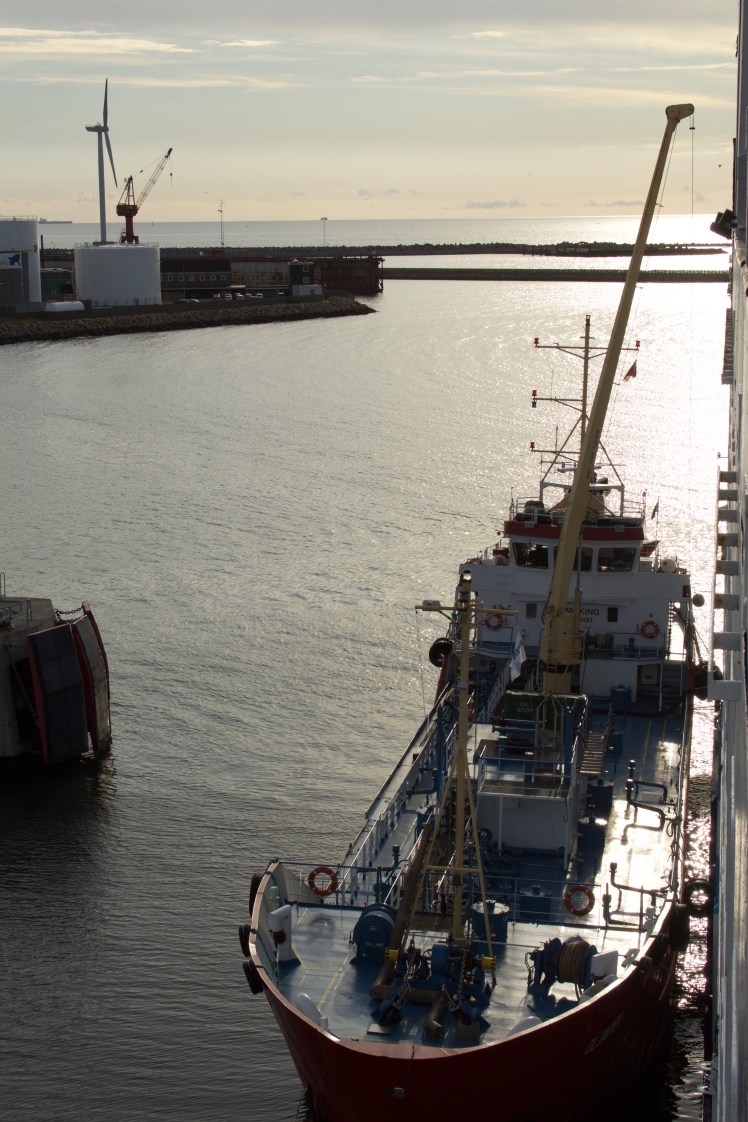
One thing I will say for the Scandis is they’re very organised and very conformist. Told to stay in line, wait, or drive at 50kph they mostly will. Our overnight ferry to Frederikshavn awoke us at 6.15 am, saying we would dock in an hour. We arrived five minutes later, and boats duly came alongside to re-fuel. Nearly an hour later, the announcement said the ferry would arrive at 7.15, so please go to the car decks. People duly went and it was at least five minutes before they let them out of the stifling corridors and stairwells onto the car decks. I think the intervening period so was so they could flog them breakfast and more duty free, but no one seemed to question the deferred recognition of arrival or the waste of time. If not released, they would probably still be there now.
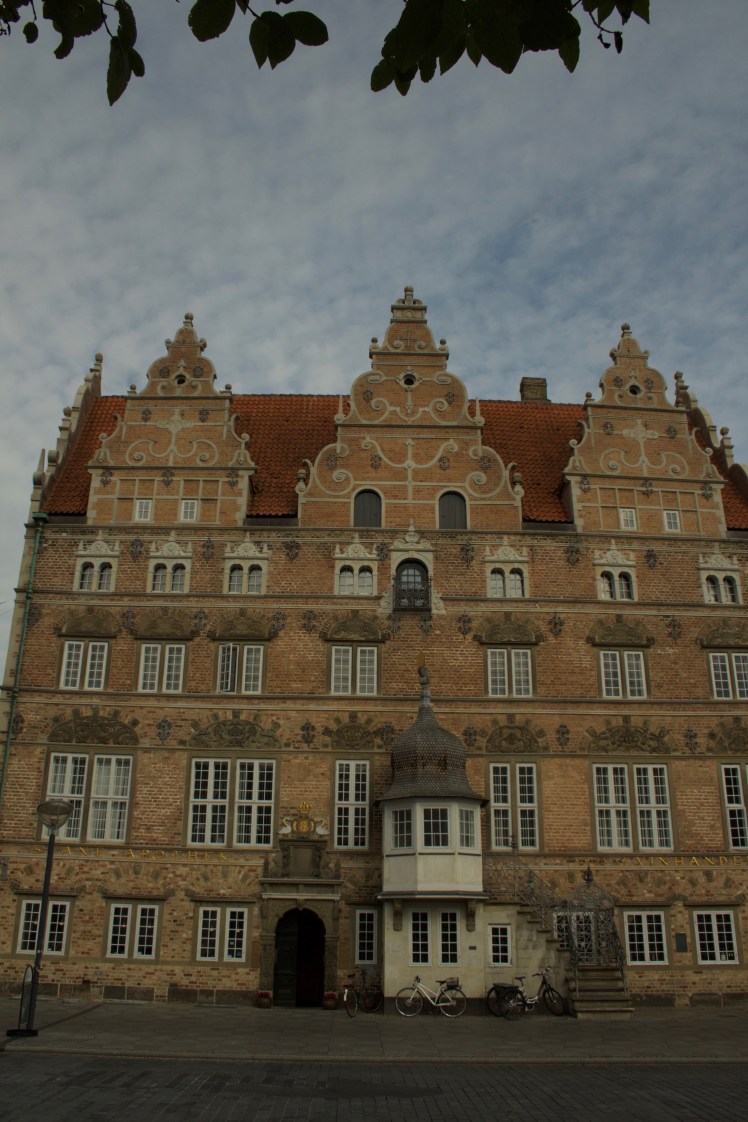
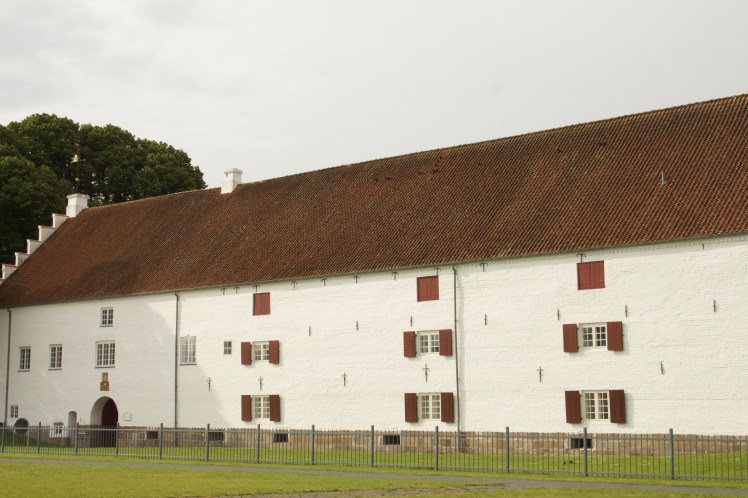
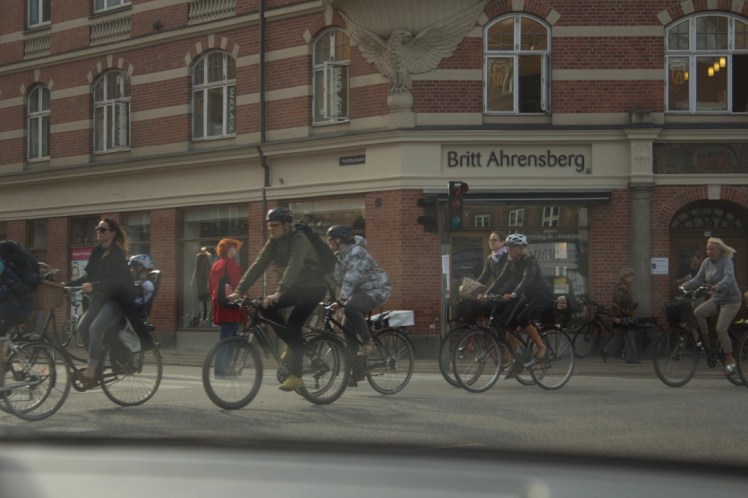
Nonetheless, I was in Aalborg for breakfast, a nice enough provincial town where I could at least get a beautifully fresh cinnamon bun and coffee before nine – they tend not to do ‘Danish’ pastries – and watch the locals cycle to work. We know cyclists rule Amsterdam, but I think Denmark has the edge. I was sworn at by a cycle Nazi for accidentally stepping into his cycle path. Unlike cars, they do not respect pedestrian crossings and, as in London, many ignore the traffic lights. The early morning sees a swarm heading into every city, like these I captured in Copenhagen.
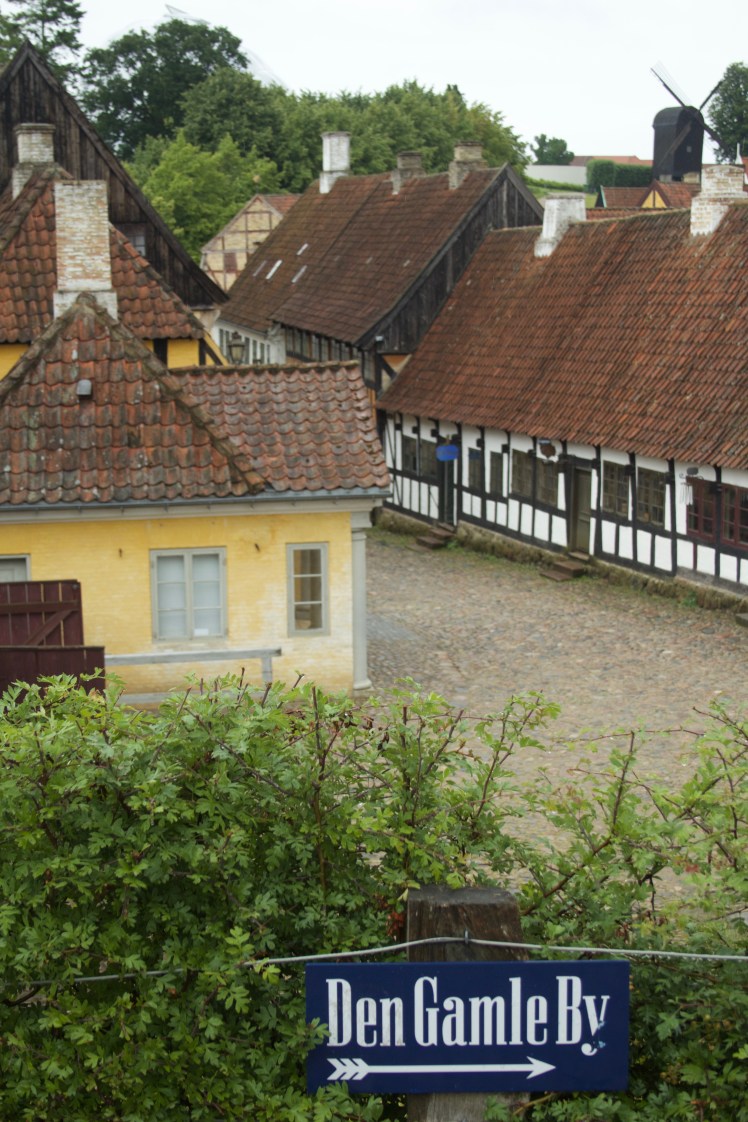
By mid-morning I was in Aarhus, a northern university town a bit like Denmark’s Trondheim or Edinburgh. I decided to visit their long-established open air museum, Den Gamle By, where they have been re-assembling houses for most of the last hundred years. This endeavour is much more intensely developed, and staffed, than the Trondheim version. Costumed employees man historical hardware, bakery and book shops, while street musicians and horse-drawn carriages fill the streets. They have even secured squads of barefoot children to dress up to people the place.

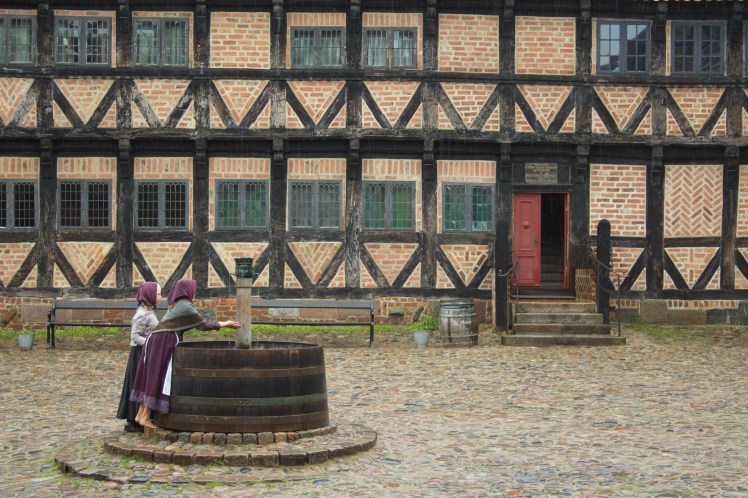
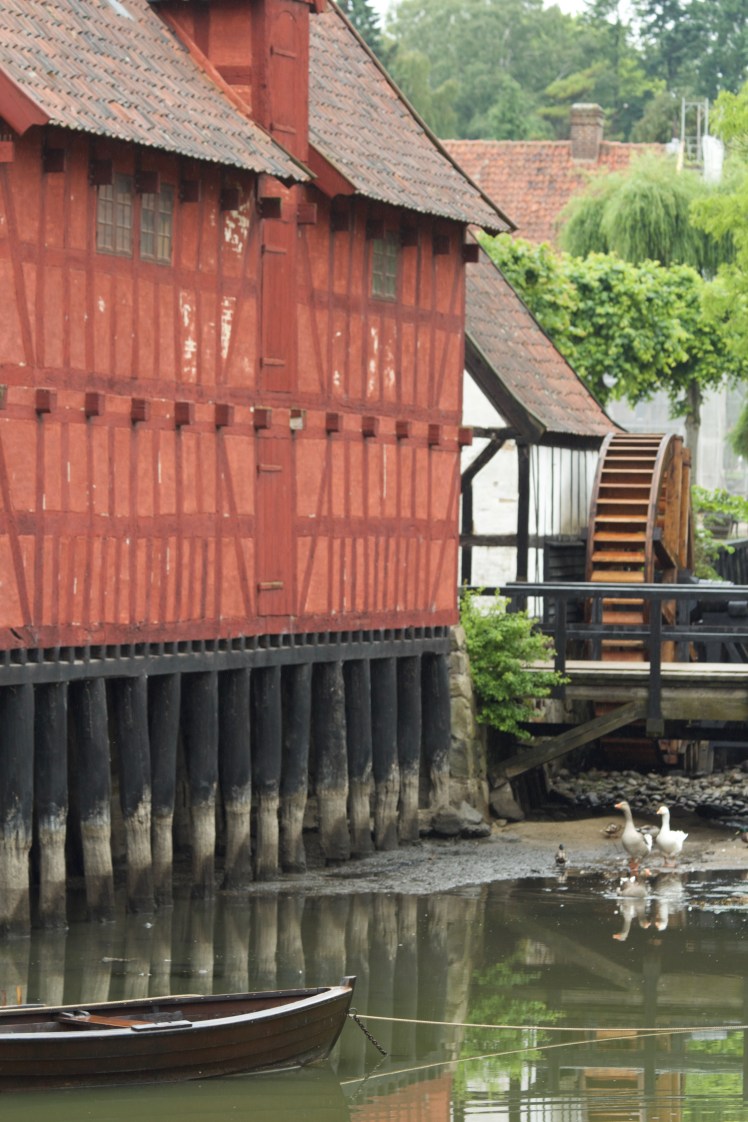 A colossally detailed square kilometre is laid out to reconstruct 17th-18th century Denmark, 19th & early 20th century life and, more surprisingly to me, 1974 as a particular 20th century snapshot. Here they have reconstructed an entire street, with apartment buildings lovingly furnished to recreate every lifestyle from a spinster schoolteacher’s apartment to an earnest hippy commune, plus families and pensioners, with a gynaecologist’s rooms and an overcrowded flat full of Turkish migrants. They have even re-built an actual 70s jazz bar. It is slightly freaky to have one’s own early life the subject of such loving museum immortalisation.
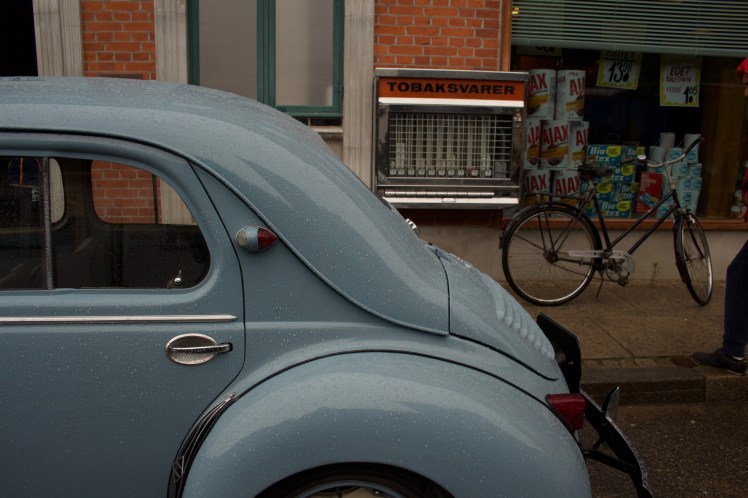
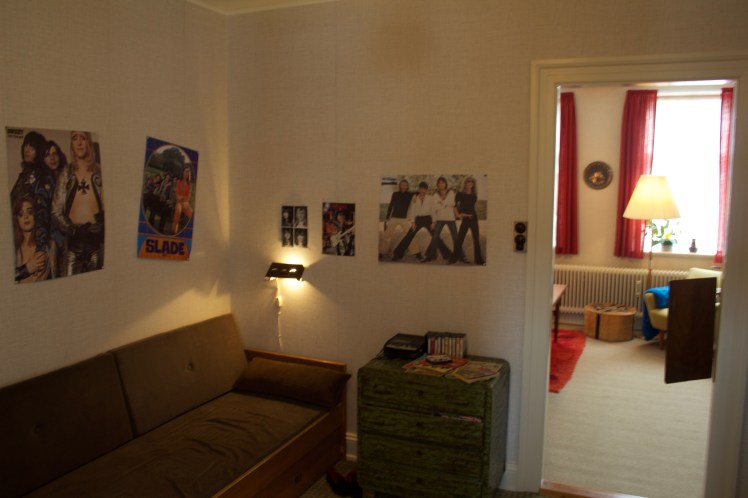
And in case my past is too dated, they are now building a new section to commemorate 2014!
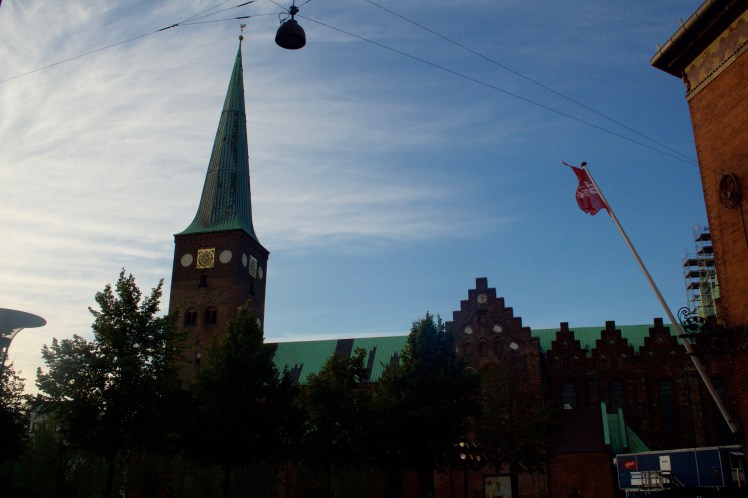
The 12th century brick-built Aarhus Cathedral is the tallest and longest in the country, with more 15th century frescoes surviving than anywhere else in Denmark.


The rest were destroyed thanks to the Reformation and the now dominant Lutherans’ loathing of vain display. Despite the majority of people no longer being religious, over three-quarters remain officially members of the Lutheran church, as they do in Norway, where they continue to pay an elective church tithe, presumably as a spread bet against their irreligion.
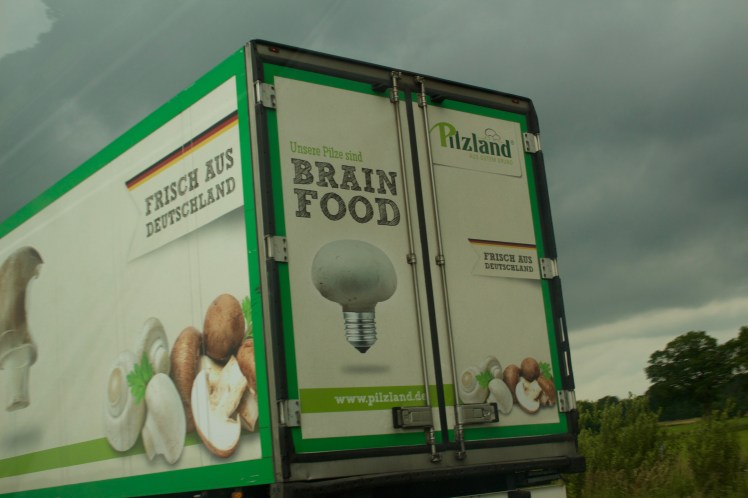
In the last week, I have moved from my usual apologetic “I’m English”, when someone addresses me in the local tongue, to “I’m sorry I’m English”, increasingly without the comma I might have inserted. As I have noted, English is regularly used in public information, bilingual notices and advertising. Now the French are suggesting that, if we leave the EU, it should drop English as the lingua franca and one of the three key languages required of Eurocrats. For all their unassailable froginess, they feel more colonised by English and American culture than we ever did by the much trumpeted Eurocratic imposition, and introduced the Toubon law to restrict the use of English language films and TV, and the use of English as a signifier of sophistication in advertising. They were certainly right there. I think this German truck with English branding might have something we are in sore need of.
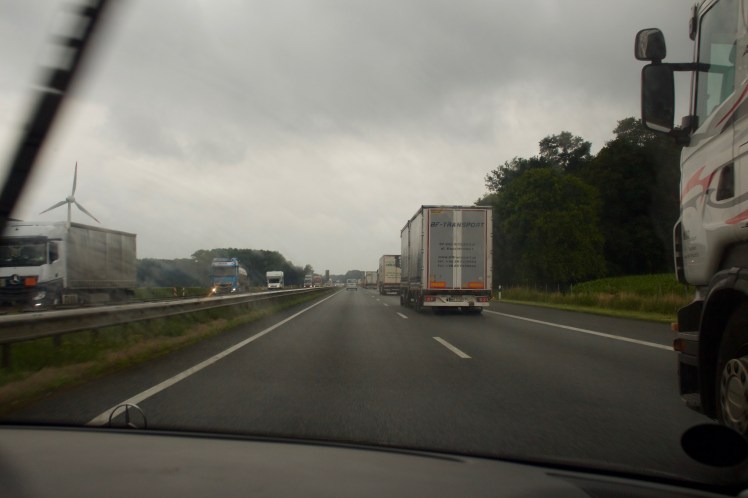
And the Germans are so concerned about our idiocy that Brexit politics still lead their radio news a week on, even displacing the Turkish airport massacre. Driving 450 miles across Denmark, Germany and Holland, I am again struck by how efficiently the European Free Trade area works, with the constant drum of a thousand HGVs on every stretch of autobahn. You only see such concentrations in Britain when Kent goes into Operation Stack mode because the Channel is closed. That could of course become situation normal now, though the trade will carry hefty tariffs, which might depress it somewhat.
That said, the European migrant crisis has impacted some of the Schengen area’s free movement, with the Danes having instituted a mobile border control to regulate inward flow. There’s no control on the way out, so they let me go. Before I did, I visited the iconic Aros art museum in Aarhus, with its extraordinary rainbow walkway on top.
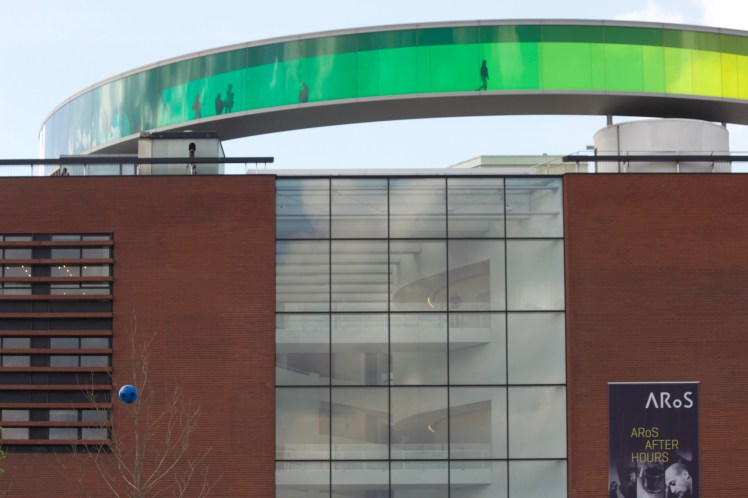
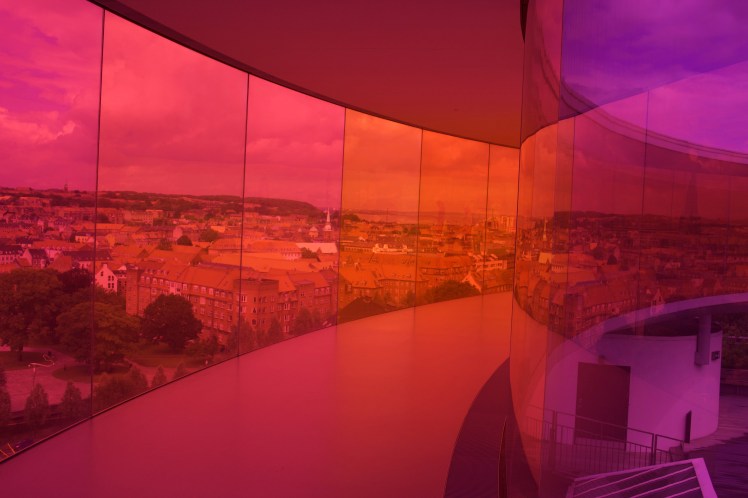
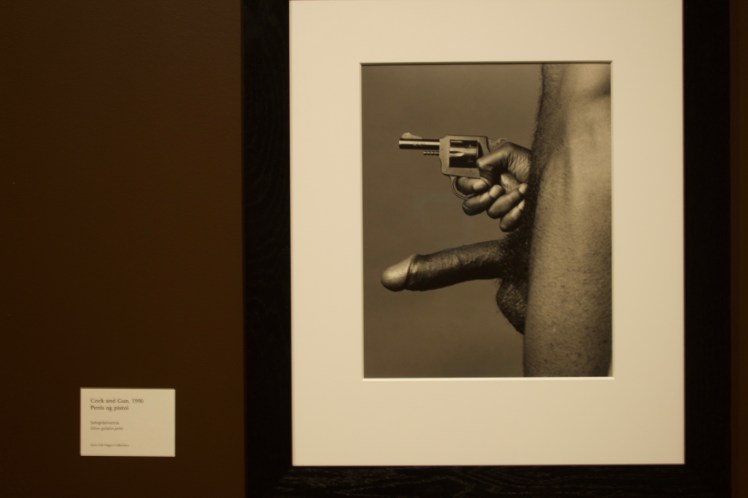
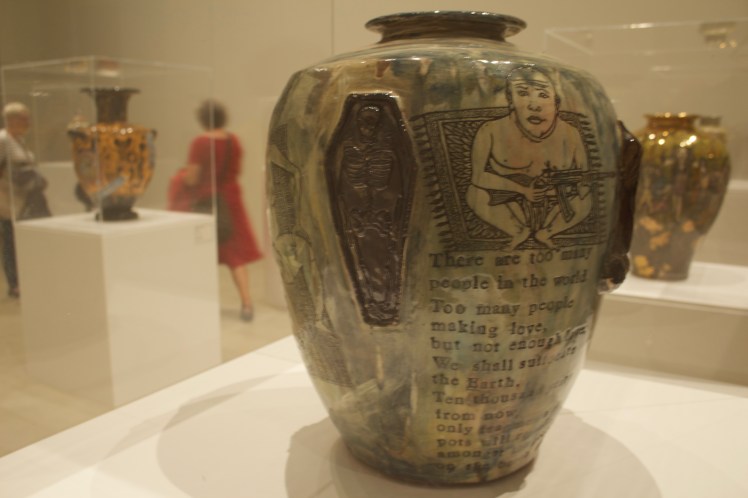
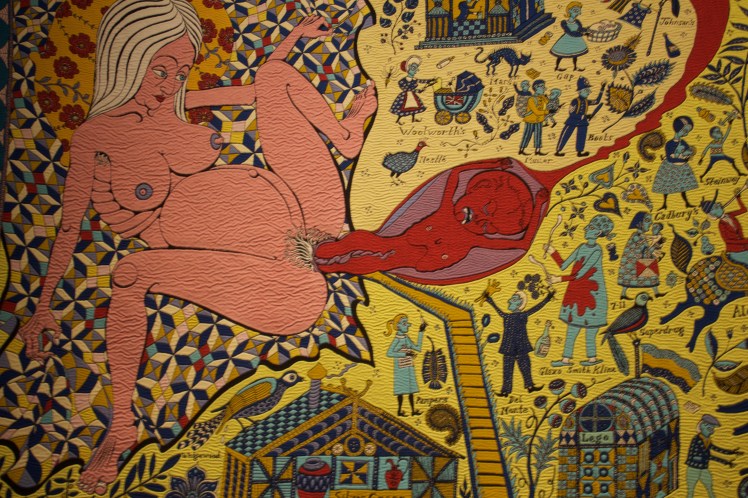
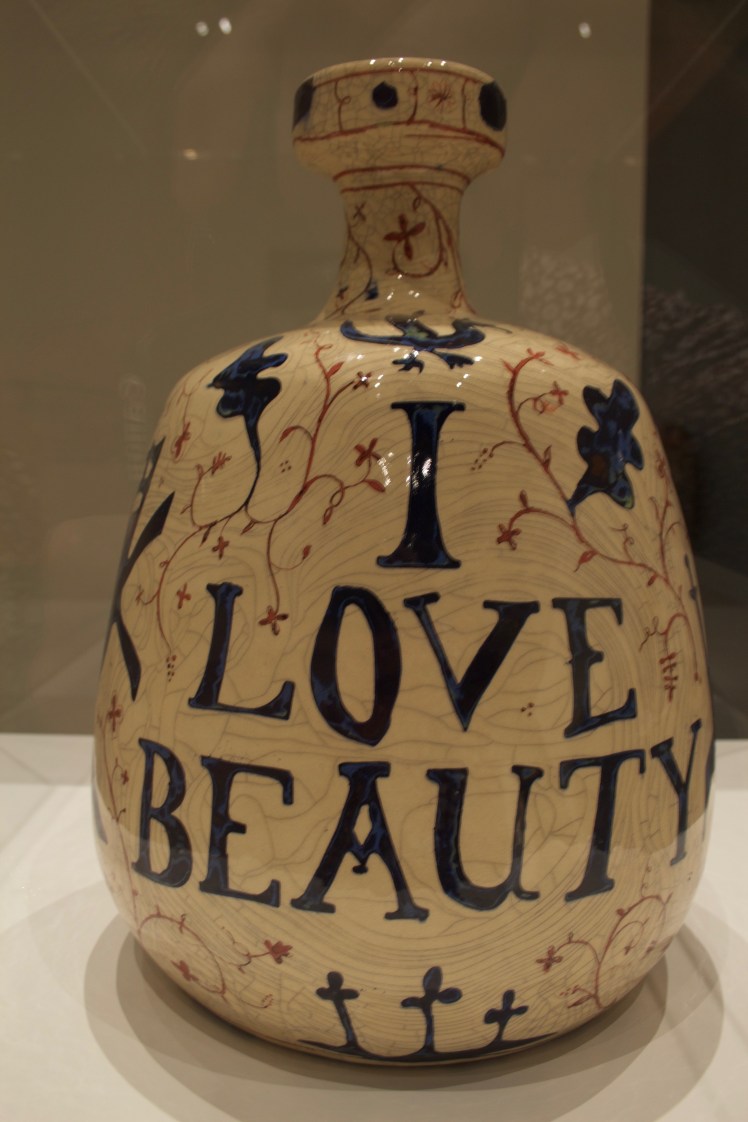
Unlike other museums, they don’t have a regular display of their collection, and act more as a special exhibition hall, showcasing both their own stuff – currently a selection of video art – and accommodating major international exhibitions, at the moment featuring photographer Robert Mapplethorpe and potter & tapestry designer Grayson Perry, both transgressive artists given to challenging the norm. Mapplethorpe was heavily censored before becoming an international star; Perry – not least in his transvestite alter ego Claire – has become a media regular, popping up all over the place.

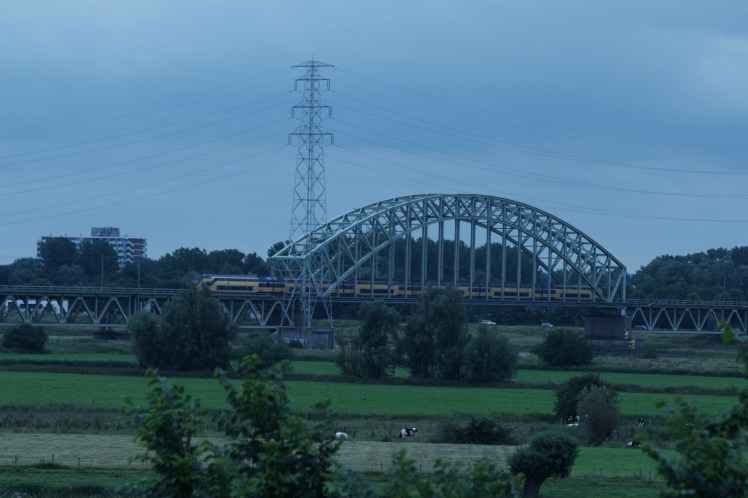
I made my final footfall in Arnhem, primarily because it was an appropriate staging place before getting to the channel ferry, but also because of memories of the 1976 film, A Bridge Too Far, telling the true story of a brave but futile British attempt to hold a bridgehead north of the Rhine during the Allied push into Europe. This was the bridge the Germans blew up:
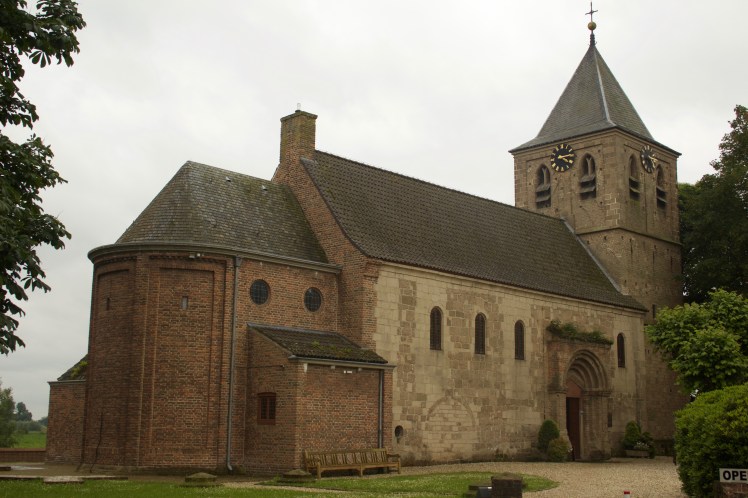
And this the thousand year old church where they held out, and which was heavily damaged during the fighting, now completely restored, and bedecked with memorials.
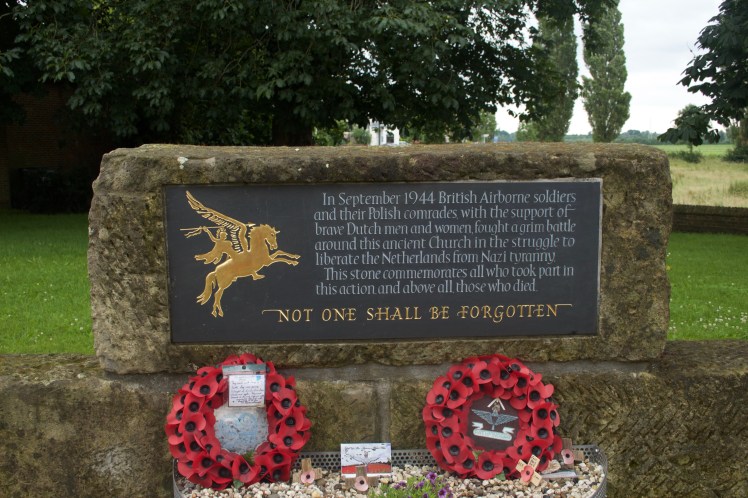
All this happened only 72 years ago, and the badly destroyed town of Arnhem has never recovered its character, still a featureless dump with successive waves of modern building, some already being demolished to make way for new concrete. Yet these people, like an old lady I met in the church and another tending her allotment, are proud to have been associated with this fight for freedom. Those with no sense of history do not realise what colossal advances Europe has made in the interim, in terms of peaceful coexistence and cooperation. EU bureaucracy may be inefficient, wasteful and time-consuming, but it has enabled the free flow of capital, trade and people to our mutual advantage. England is turning its back on all that – and there will be no staying without the pain, as the Brexiteers promised. People wonder why the Brontosaurus Johnson is not taking the plum he has won: because it is a poisoned chalice. He knows that whoever inherits will be fucked once the real negotiations get going, consigned to the dustbin of history along with Cameron, the Carlton PR man who thought he could pull a fast one with this referendum. Let’s just take a solemn vow that we never allow Johnson to pick up the reins once the fallout from the bomb he helped explode has started to settle.
 peterleewright.com