
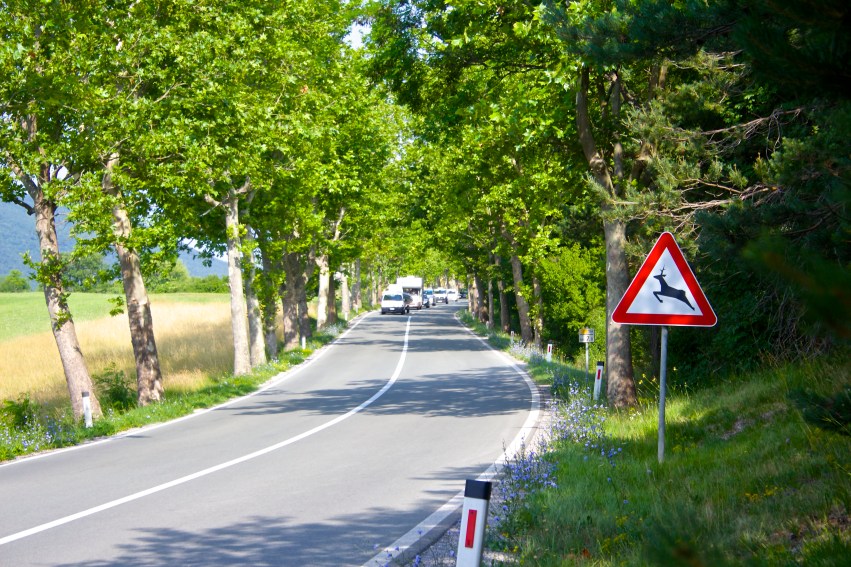
Leaving the long rugged terrain of Croatia, Slovenia immediately presents as a more tamed landscape, with gentler wooded hills, small meadows and roads lined with lime trees and wild cornflower. It was also the first time in weeks I managed to find a classical music channel on the car radio, on Radio Slovenia, which was a relief after endless Euro-pap blaring in nearly every bar and restaurant, and my own in-car CD player being defunct.
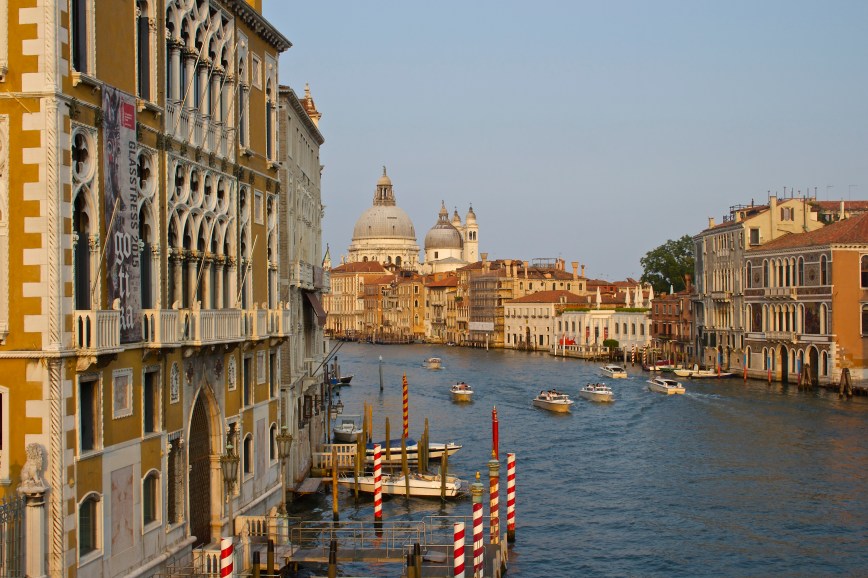
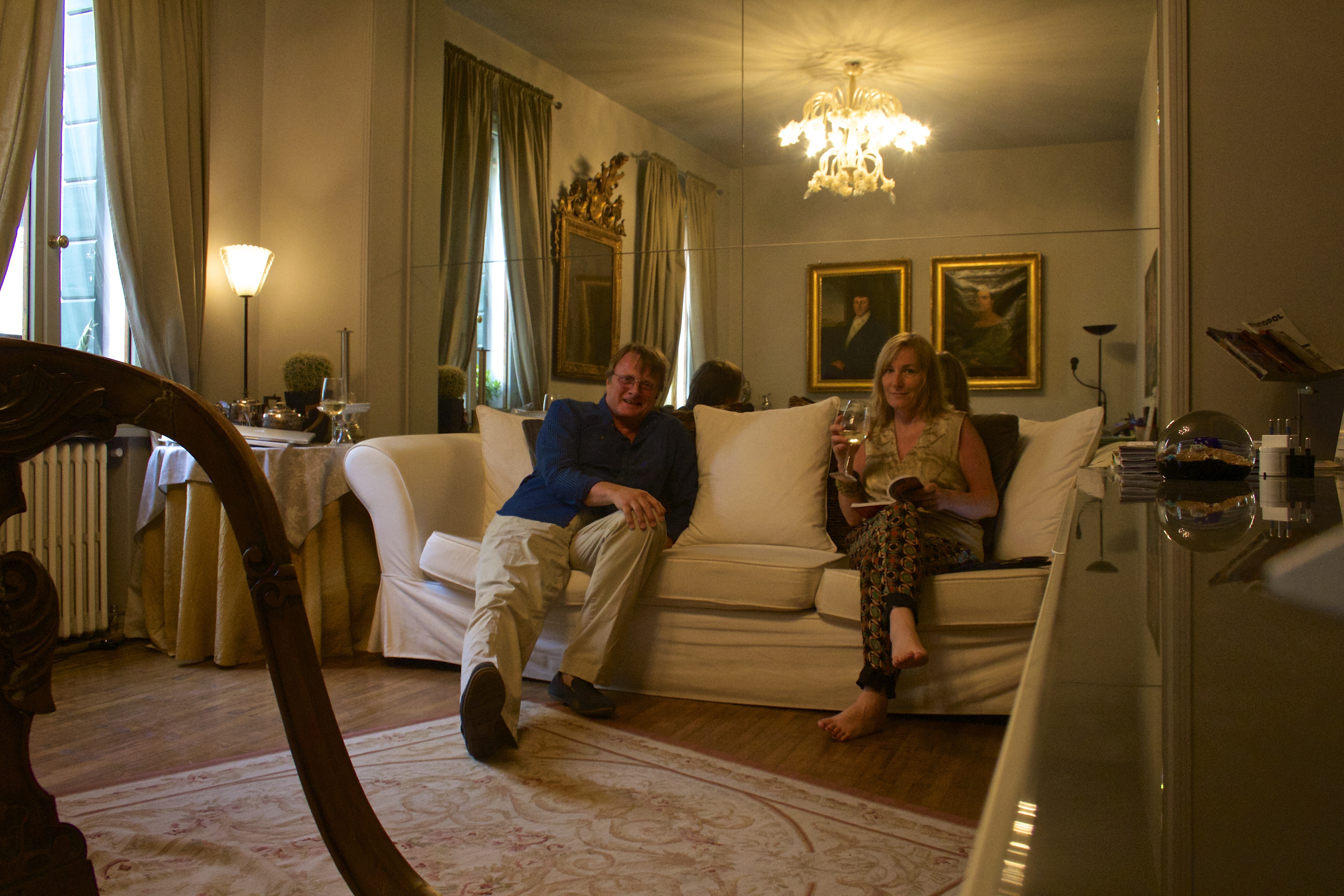
So, reaching Venice, we have given ourselves an immersive 24 hours of culture vulturing, buoyed up by seafood pasta and prosecco. The first time I stayed here, in 1968, I stayed in a hostel on the island of Giudecca; the following year I shared a sleeping bag on the Lido with a Yugoslav girl. This time, we are staying in the heart of town in a funky little BandB called Gio and Gio, after our closely cropped hosts. It has made our forays easy.
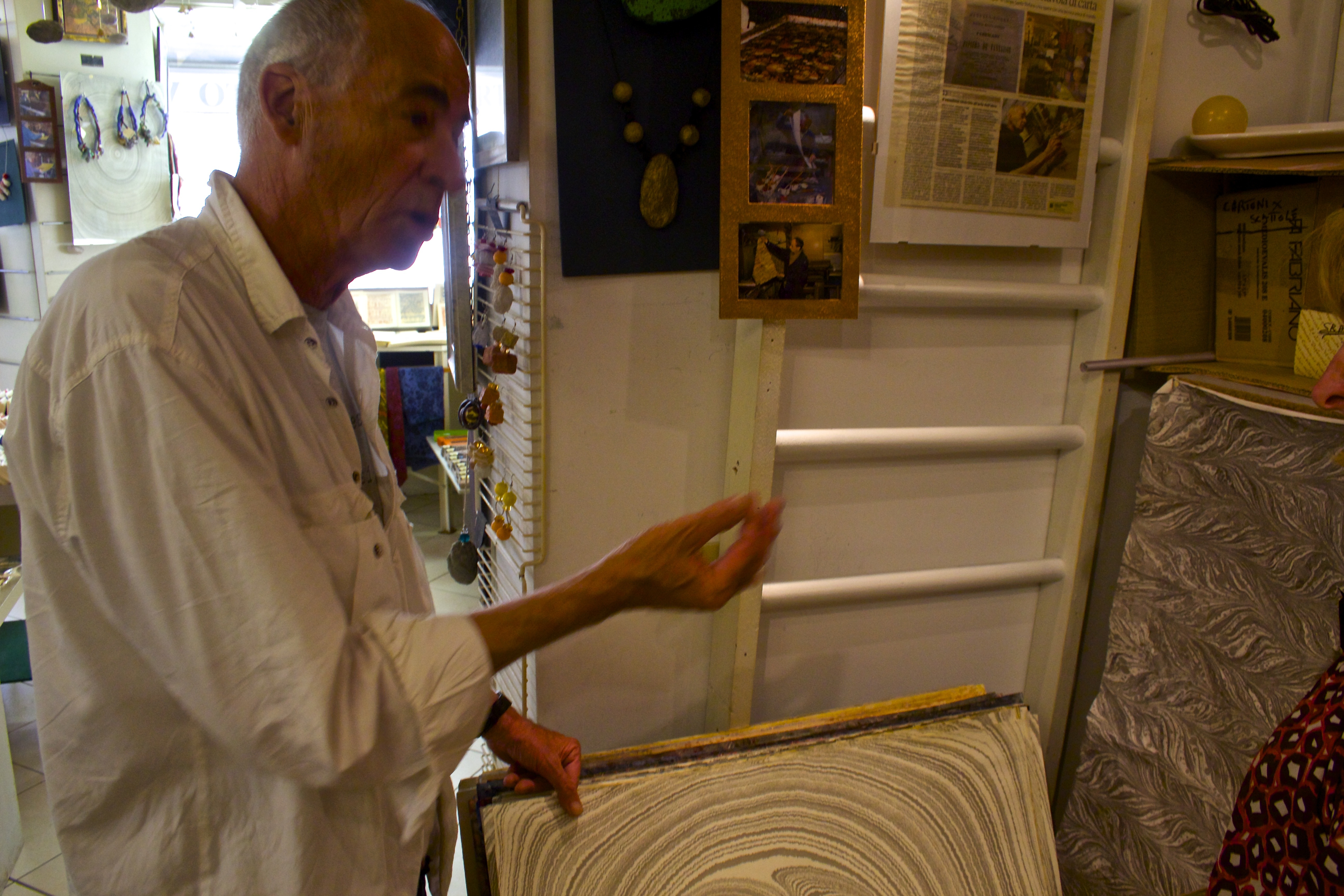
Our first stop was at the tiny Campo Santo Stefano stationery emporium of Alberto Valese, Venice’s leading maker of marbled and other hand-printed paper. He described in great detail his techniques and researches which have evolved over the last 40 years, from the Iranian technique of Ebru – which gives his shop its name – to Japanese blocking techniques. Without false modesty, he explained that many other, more commercial Venice shops have followed his lead.
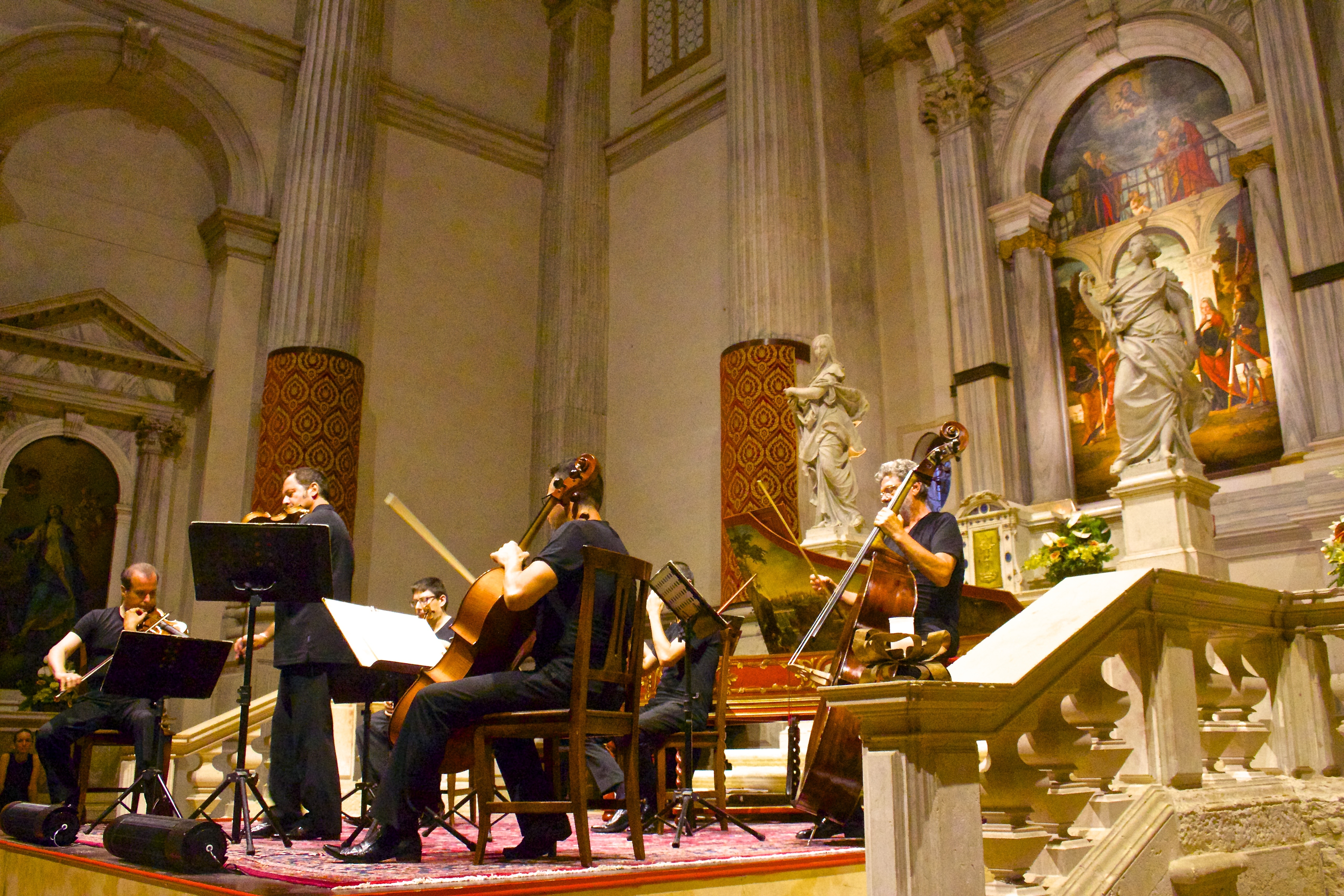
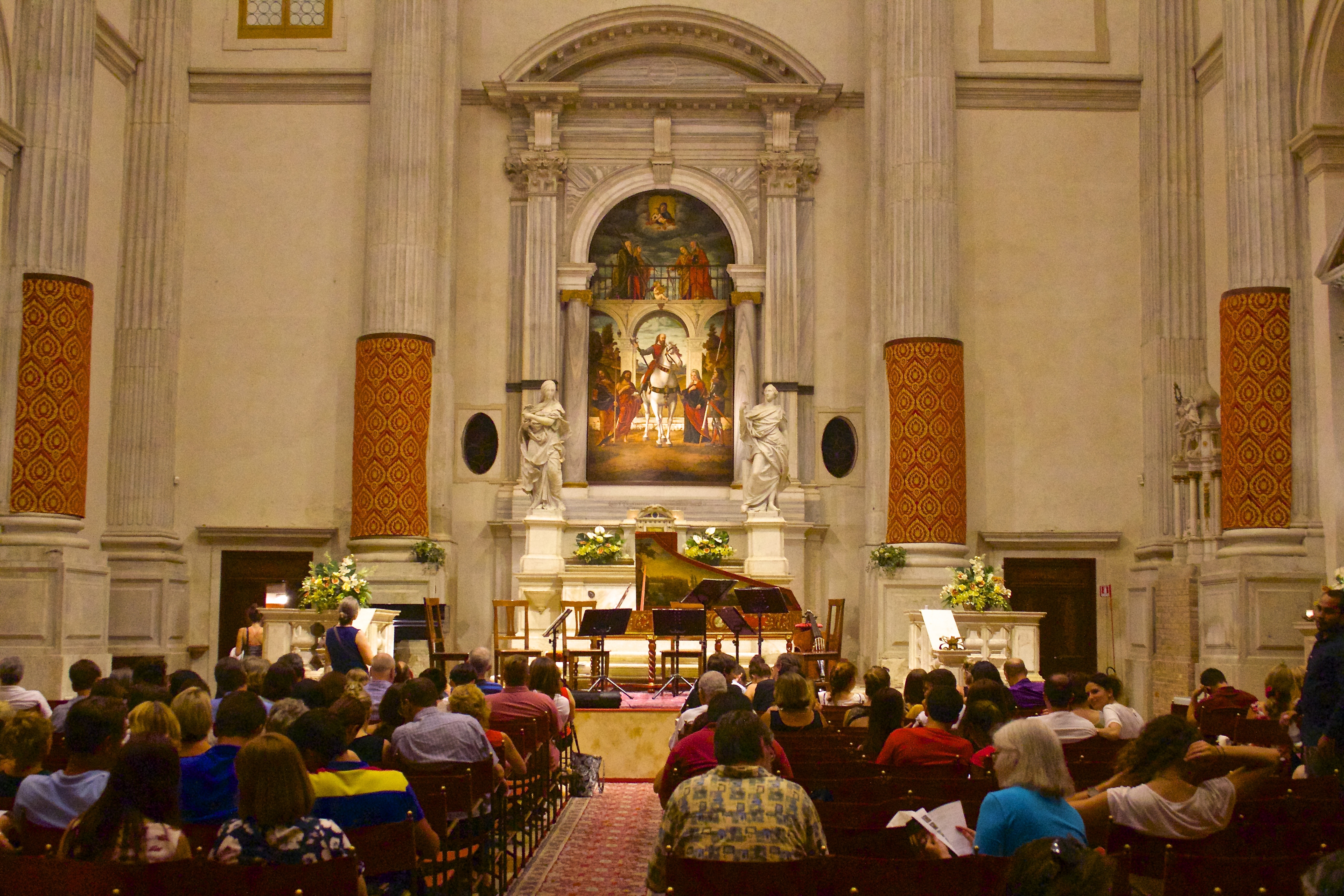
In the evening, we went to the Chiesa San Vidal to hear Pergolesi and Vivaldi performed by the excellent local chamber group Interpreti Veneziani. They ended the published programme with an exquisite Chaconne by Tommaso Vitali, and then treated the audience to three spirited encores which had the audience on their feet. While on a research trip in Paris in 1990, I went to a concert of early music in the 13th century Sainte Chappelle on the Île de la Cité featuring Jean Belliard. The sackbuts and cornets had set the scene, but Jean made his entry singing from the vestry and, as he entered, he lifted his head and pitched his voice off the glorious Gothic vaulting, proving that this architecture evolved to deliver the hi-fi of its day. It delivered a high – what the former Sunday Times music critic and magazine Editor Godfrey Smith called – “the tingle quotient”, that shivers down your spine when emotionally aroused by fine art. Music in churches is particularly capable of that, and the Venetians didn’t disappoint.
Despite a late supper at the Enoteca San Marco, we were up in good time to catch the vaporetto to the Venice Biennale, hoping to be in ahead of the crowds. We need not have worried; the thing has grown so vast now that even by late afternoon, when we finally were exhausted by artistic overload, it wasn’t particularly crowded. It is pretty well managed and there are quite good cafes and restaurants dotted around the two sites, at Giardini and Arsenale but, for future reference, you really need two days, one at each site, and there is a 2-day ticket (€30 instead of €25 p.d.) The art is, of course, another matter, ranging from the good to the bad and taking in a large amount of frankly indifferent. It is no more possible to coherently review it in one go than to do the same for the Edinburgh Festival and Fringe – although the Sibiu National Theatre Director, Constantin Chiriac, managed it pithily with the observation that “80 per cent of the Fringe is shit” (very much his emphasis).
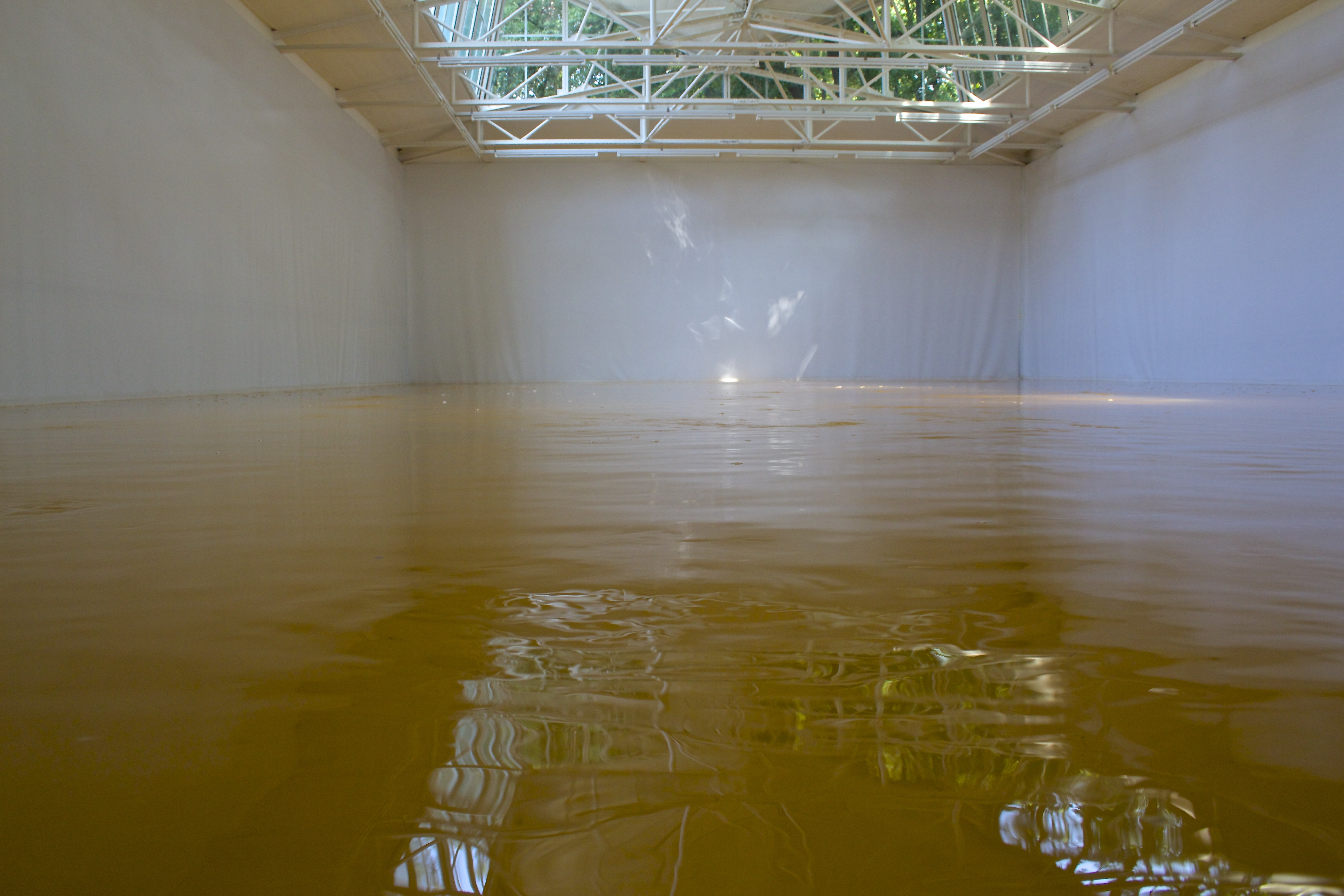
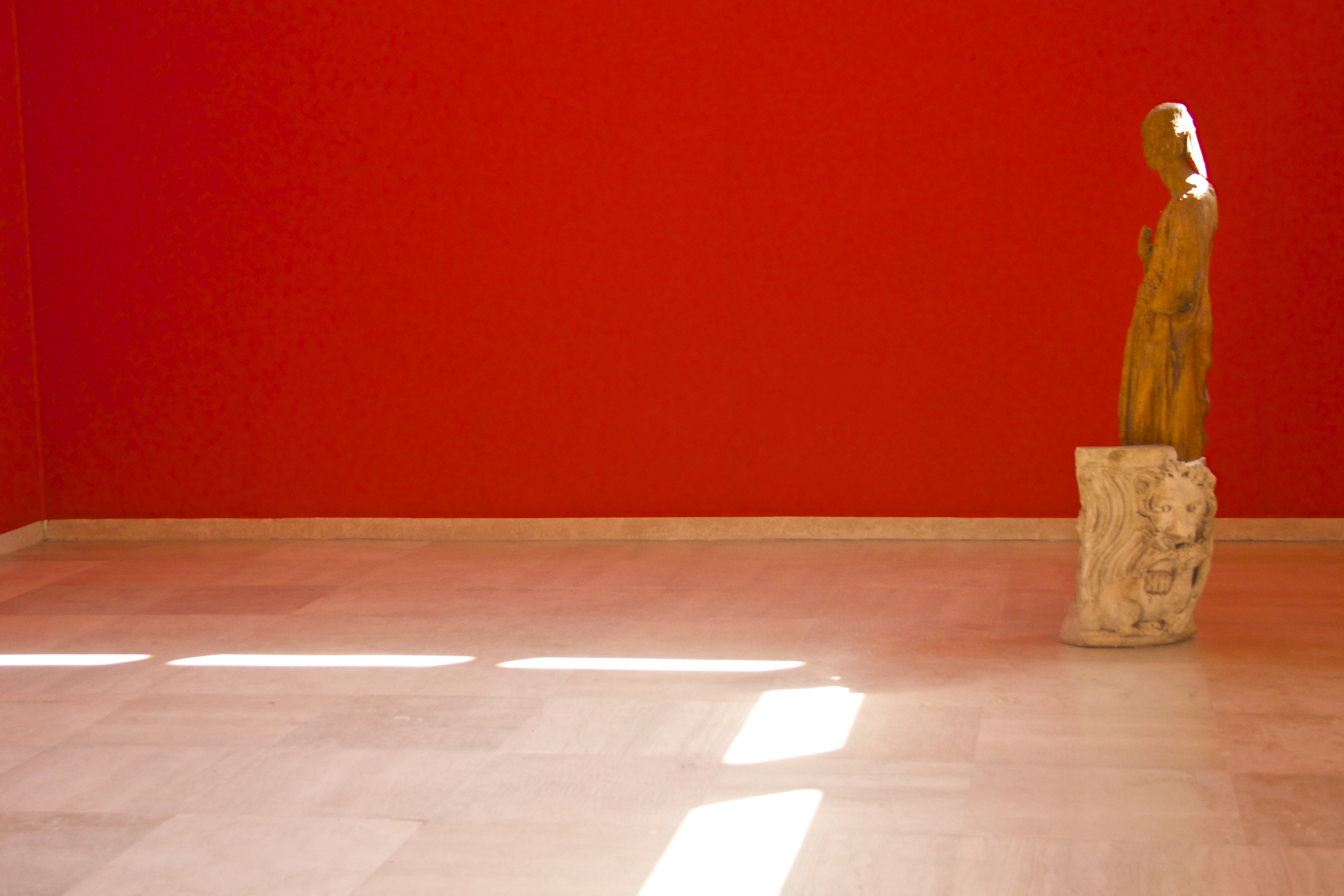
Biennale encompasses two basic features: 89 national pavilions, many of which have stood for decades, in which nations choose artists to represent the state of artistic culture in their country at this time – the Biennale started in 1895 – and an International Art Exhibition, of which this is the 56th, featuring 136 artists from 53 countries. This is more than twice the number of countries exhibiting in 1968, when I first came, and when student protests closed some and cast a shadow over proceedings. This year, two countries pulled out for more contemporary reasons: Kenya, because its organisers had unaccountably decided their country should be represented exclusively by non-resident Chinese artists; and Costa Rica, because it was discovered that the Italian curator organizing their pavilion was selling spots at €5,000 a piece. Chickenfeed compared to the FIFA World Cup gravy train, but not nice for Costa Rica to be re-categorised as Costa Packet. So they cancelled the gig.
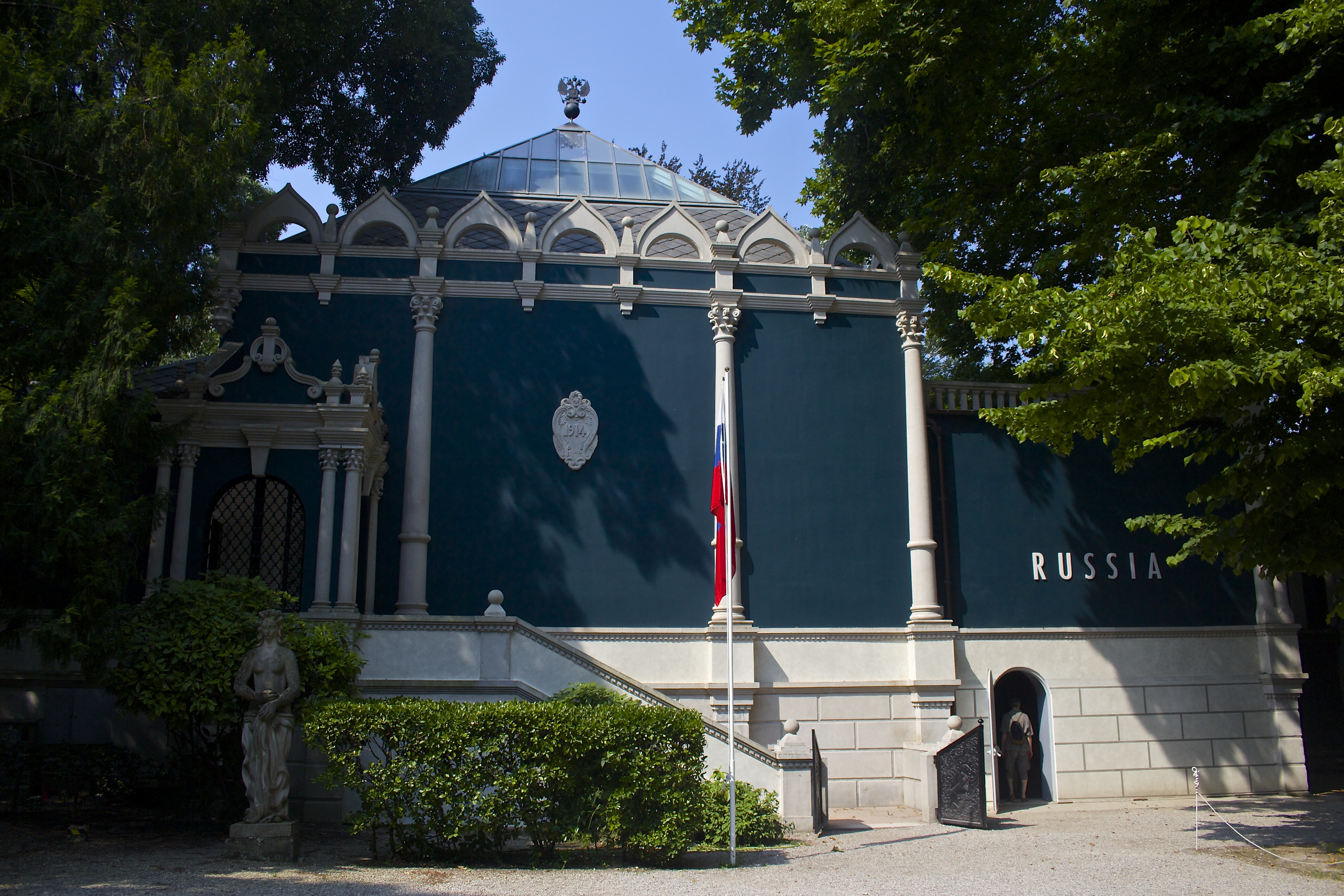
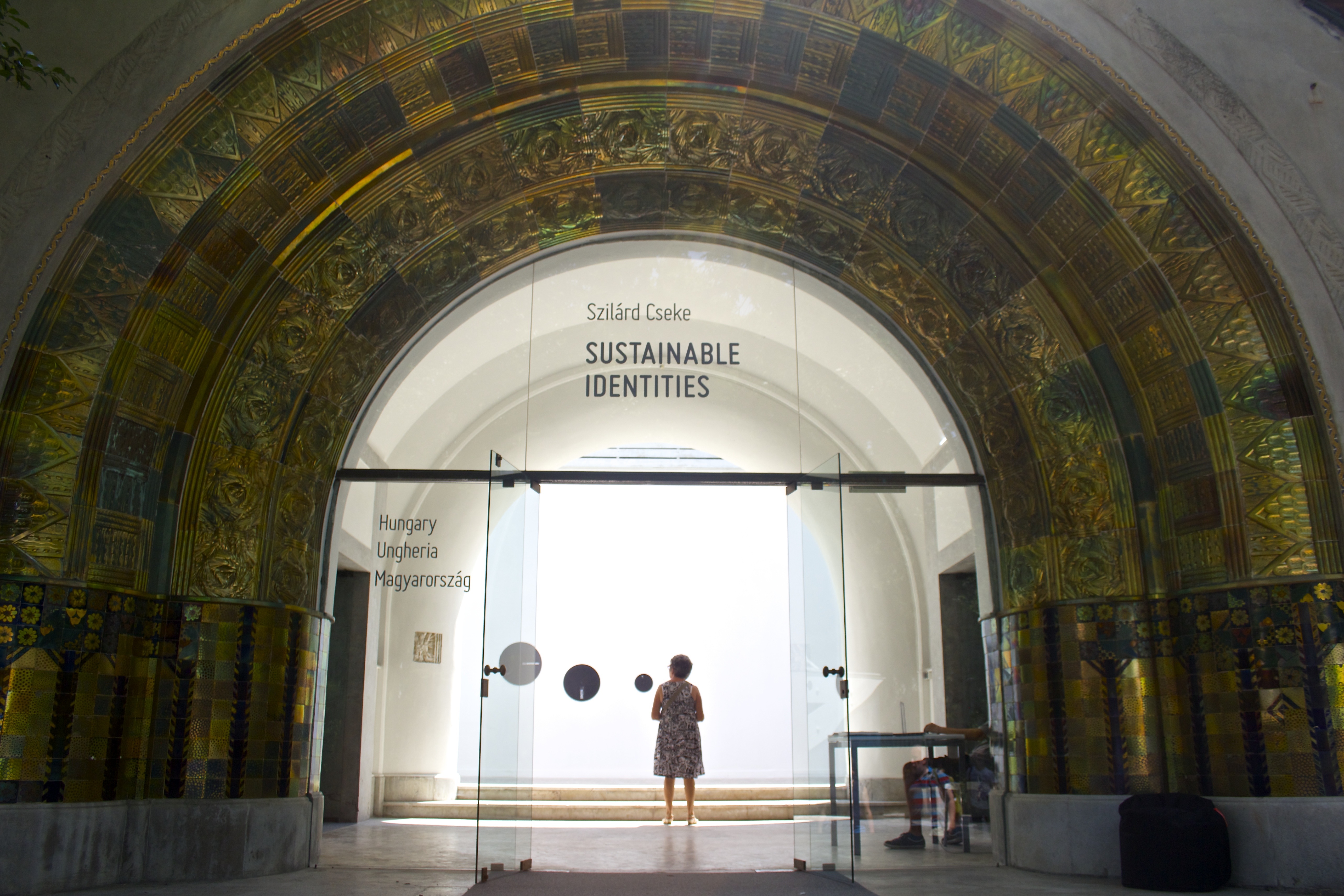
Some of the pavilions were finer than their contents, notably the Russian and the Hungarian.
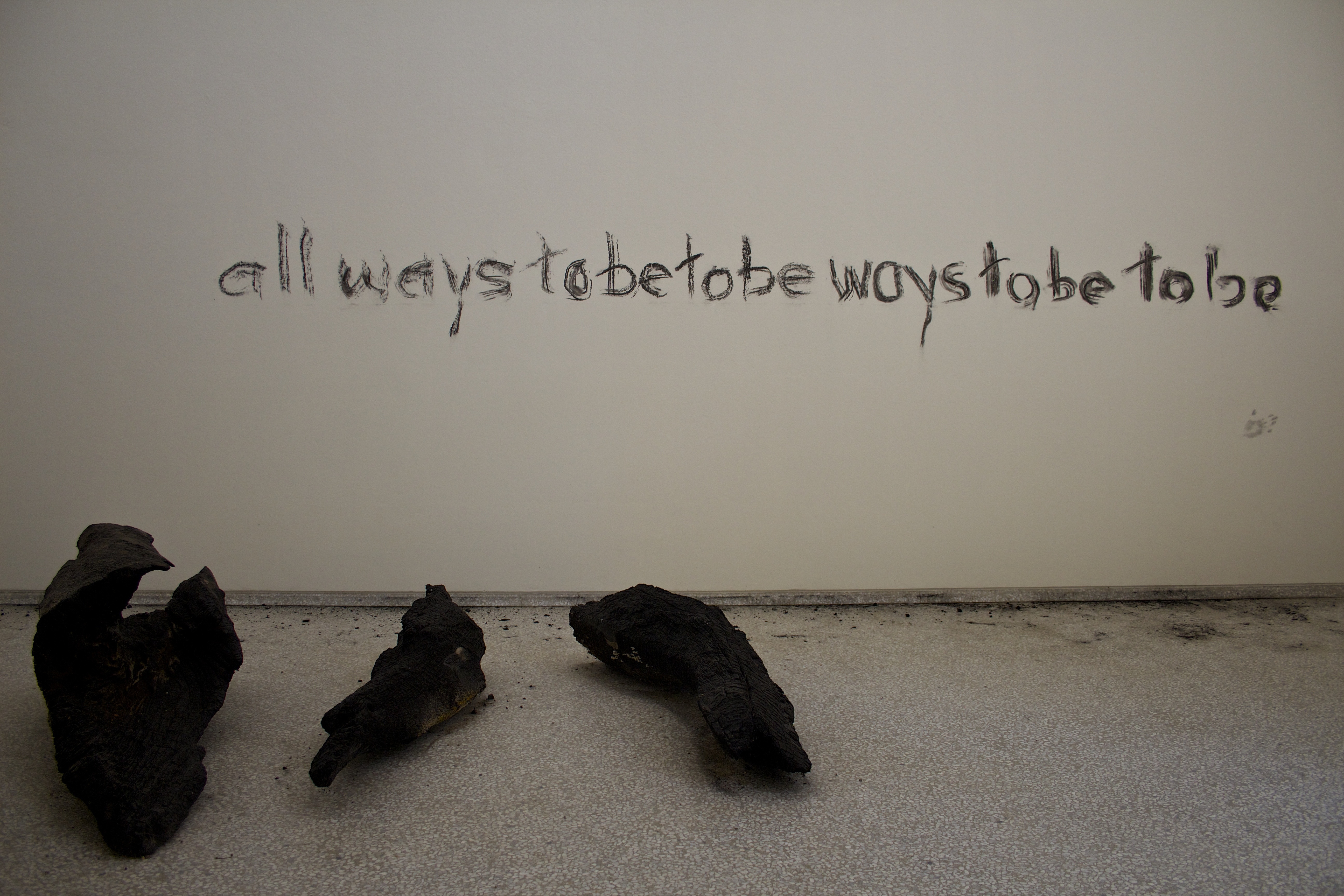
Whilst some nations go for a grab-bag of their contemporary artists, others more sensibly showcase one figure. Among the more compelling of these is Holland’s Herman de Vries, the 84-year old collector of natural objects, whose life’s work takes objets trouves as expressions of existence. The charred tree trunks of burned III are from a hundred-year old acacia tree felled in his village of Eschenhau
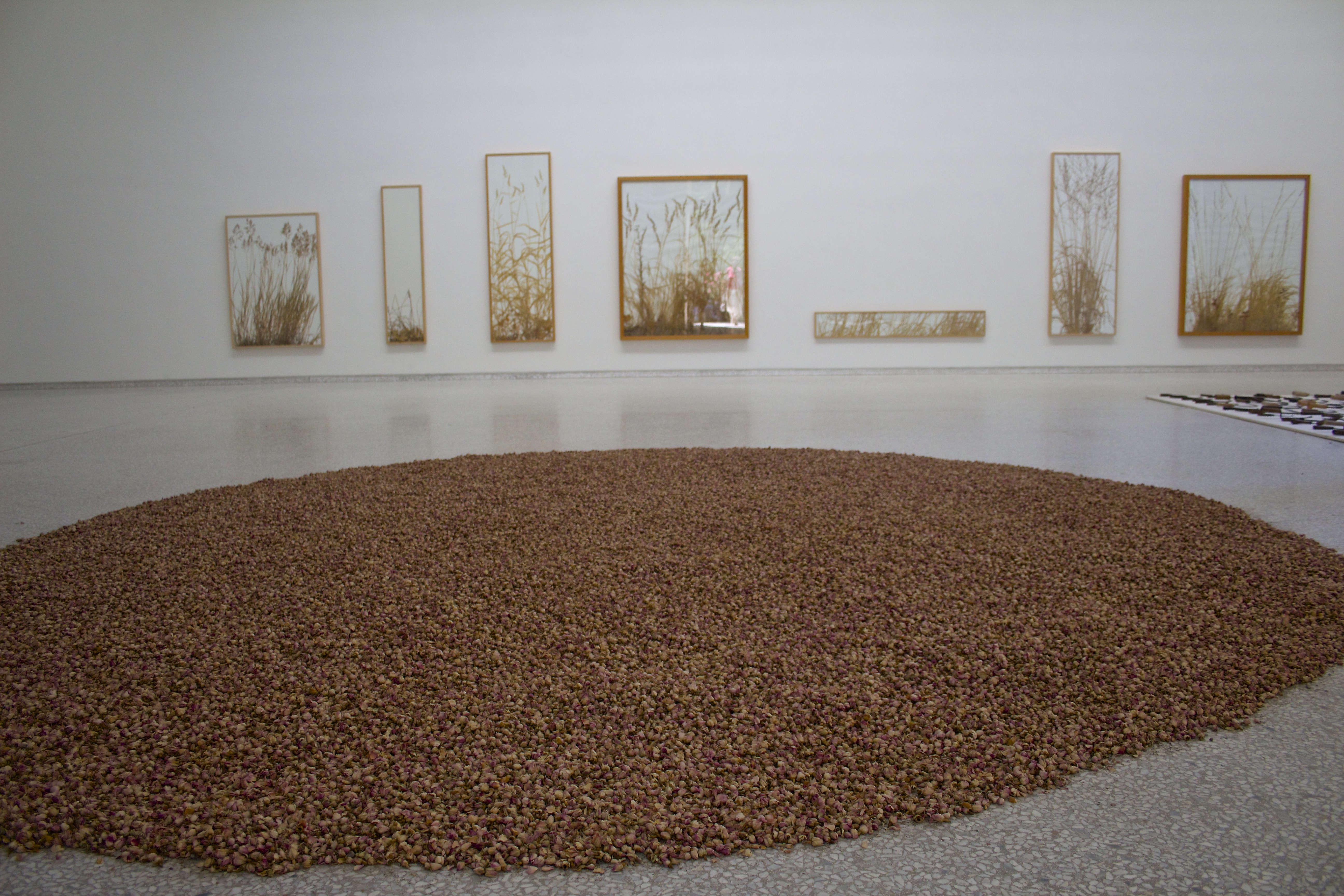
whereas the 108 pounds of rose damascene he means to be both a visual and sensory experience. It certainly was for one child who was on the point of kicking the rosebuds around just before his mother caught and slapped him.
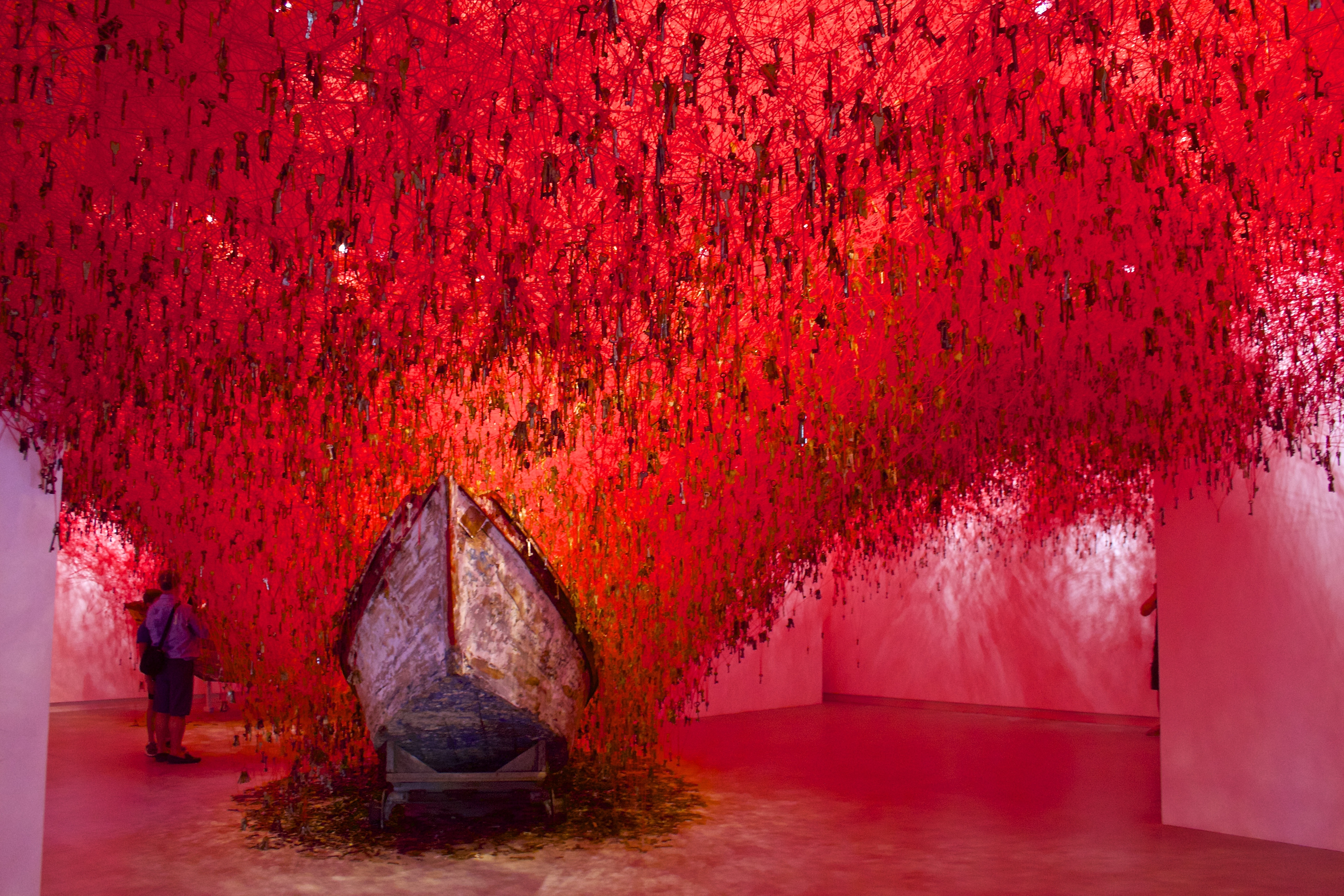
Our favourite piece of the entire Biennale was this installation by Japan’s Chiharu Shiota, with thousands of keys dripping from nets also entangled in fishing boats. I am not willing to disentangle the visual metaphor, but was captivated by the sense of myth-making.
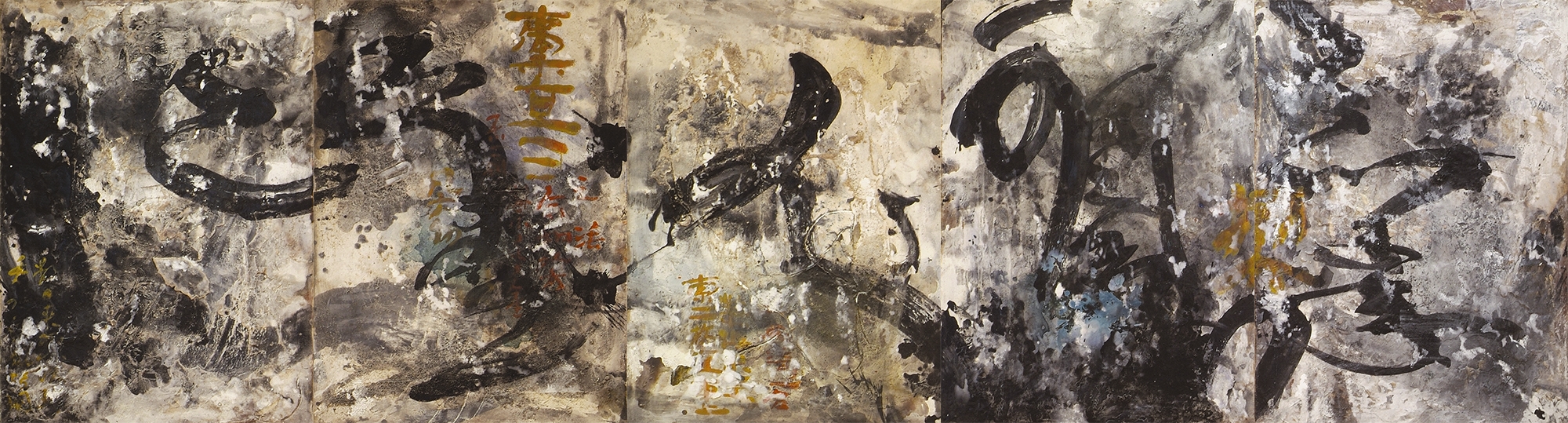
Of course, painting is an endangered species in modern art, and was certainly a minority pastime here. As a result, one of the most compelling exhibitions was off campus in the breakaway Macau pavilion, with the works of the 79-year old, Shanghai-born artist Mio Pang Fei, who invented the tradition of neo-orientalism, which led to most of his works being destroyed during China’s Cultural Revolution, so many are only represented here in reproduction. But the more recent originals powerfully combine traditions of Western oils with Chinese calligraphy.
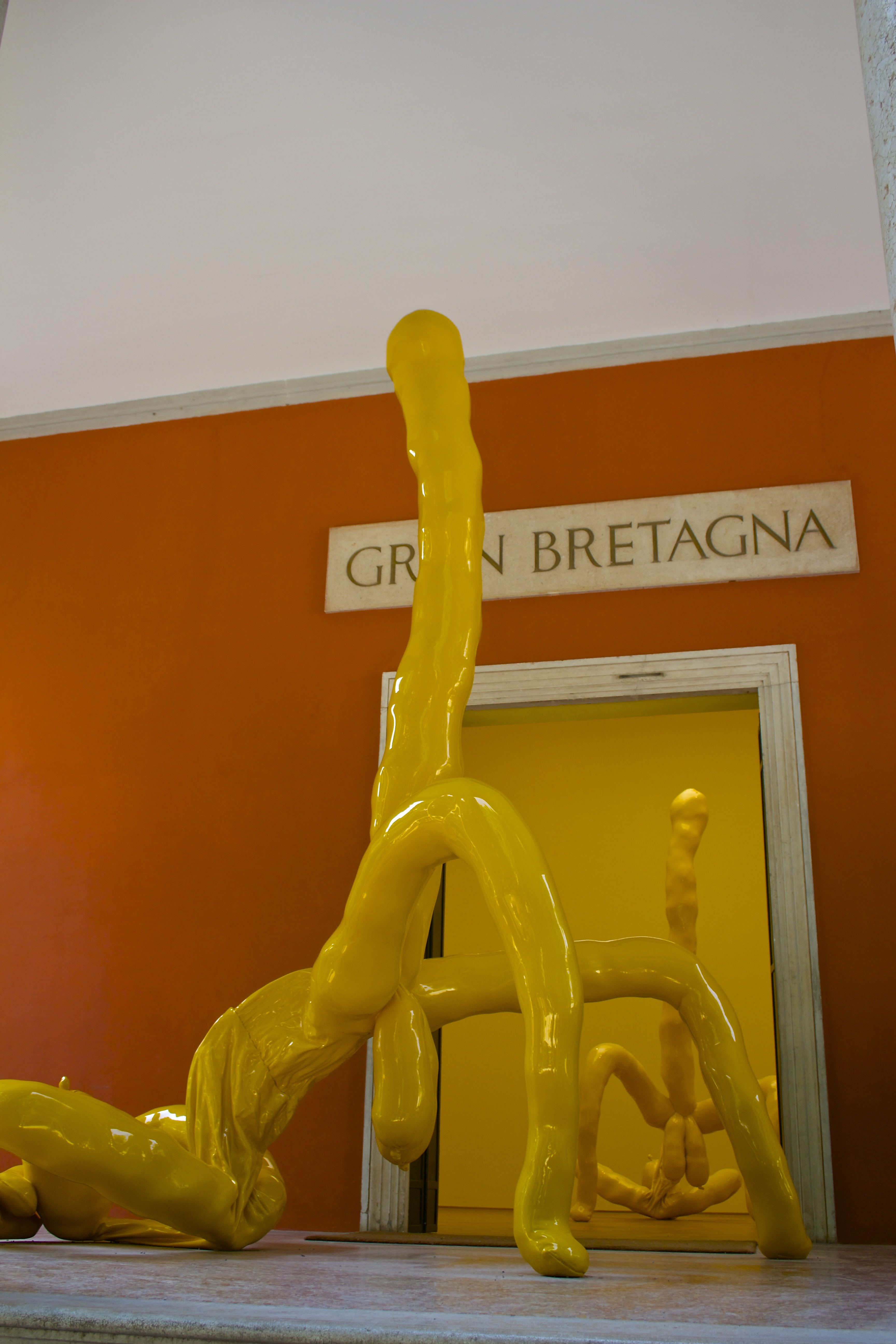
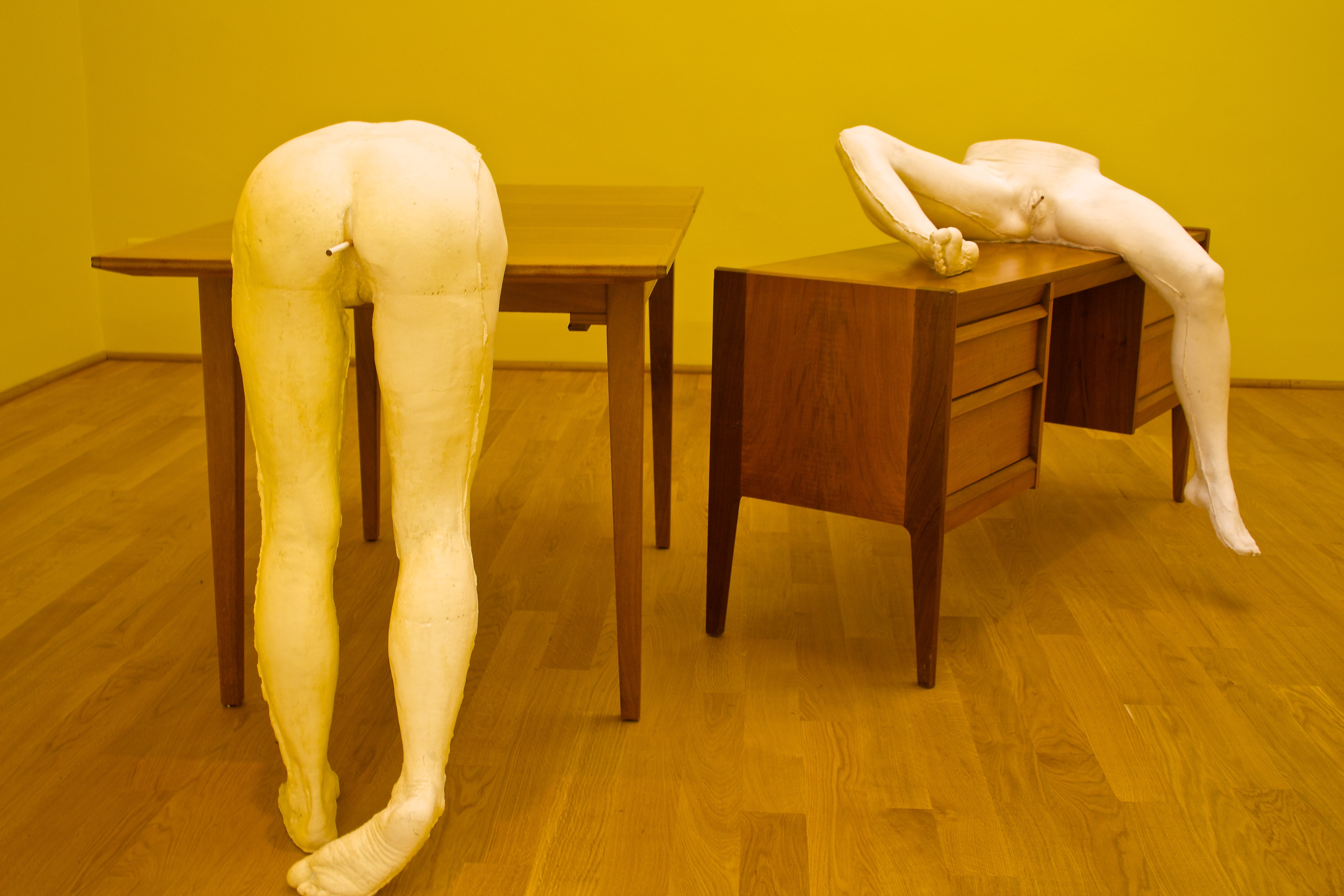
It is hard not to miss the British pavilion, crammed to the gills with Sarah Lucas’ large phallic balloon sculptures and personal body casts sorting cigarettes in their orifices. It is mildly amusing stuff, but she has been doing this kind of thing for decades. I remember her sexually explicit work making tipsy old ladies giggle at the Sensation show of Young British Artists patronized by Charles Saatchi at the Royal Academy in 1997. The work is more polished now – presumably made by the usual star artist’s team of uncredited work slaves – but is arguably little more than the visual equivalent of a dirty joke.
The self obsession we felt characterized much of the work becomes even more pronounced in the International Art Exhibition half of the proceedings. The give away is in the Curator’s programme introduction, where Nigerian Okwui Enwezor writes:
Rather than one overarching theme that gathers and encapsulates diverse forms and practices into one field of vision, All the World’s Futures is informed by a layer of three intersecting Filters, namely: Garden of Disorder, Liveness: On Epic Duration, and Reading Capital. The three Filters represent a constellation of parameters, which will be touched upon in order to imagine and realize a diversity of practices….It will play host to what could be described as a Parliament of Forms whose orchestration and episodic unfolding will be broadly global in scope.
In other words, anything goes. I initially assumed that this was written in Italian, because BS does seem much more plausible in that language, but not so. Generally, our view of today was – with some significant exceptions – of artists of varying skill vanishing up their own fundament, so rather hard to shepherd into coherent schools. The only one of Enwezor’s three ‘filters’ which displays any coherence is the Central Pavilion, with many exhibits built around alternative readings of Marx’s Das Kapital, indeed with live readings of that text being staged.
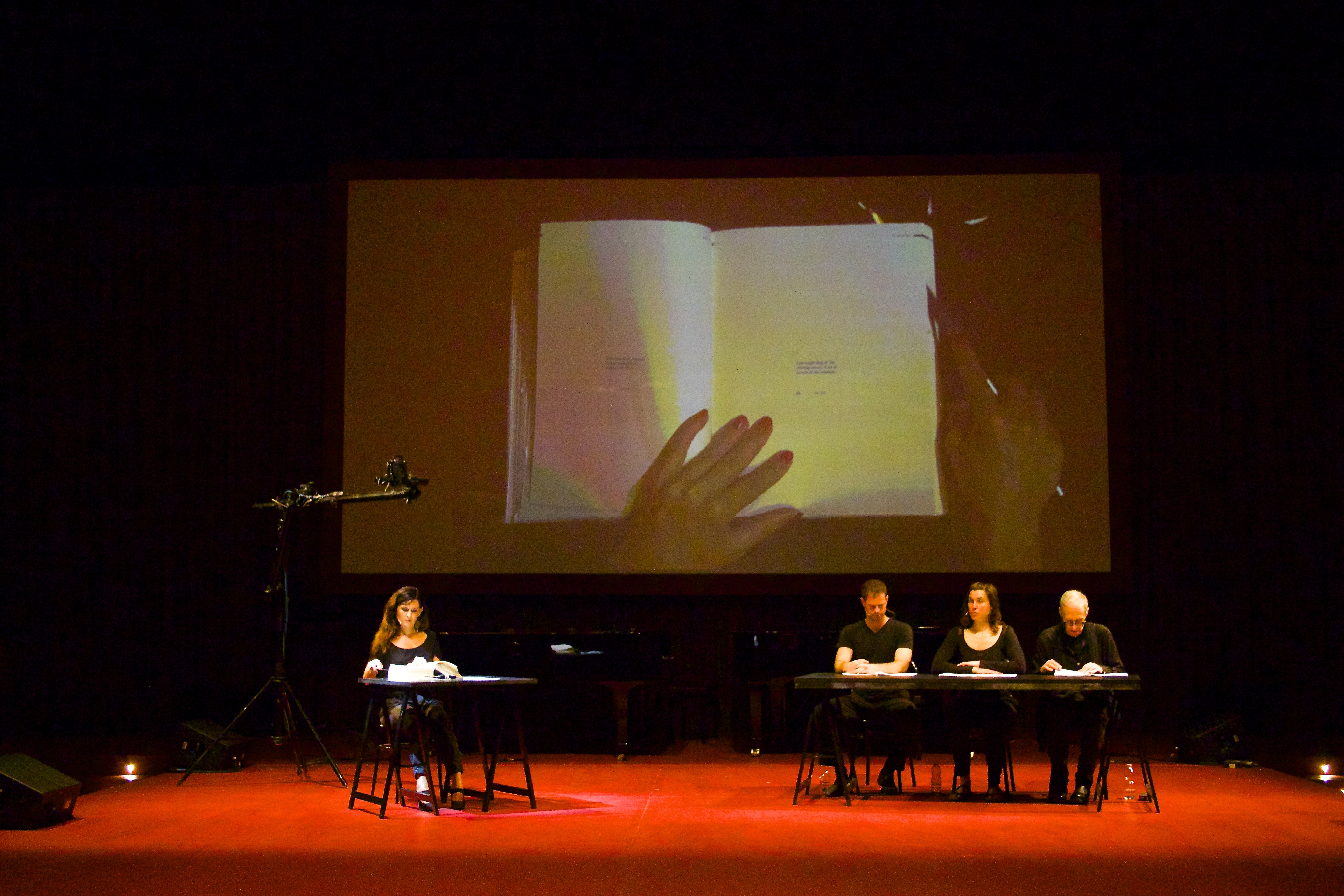
The readings are being directed by British Filmmaker Isaac Julien, whose latest film is featured, sponsored by Rolls-Royce! There had been some hope that this embrace of the Marxist text represented a riposte to the obscene capitalisation of the art market, and to the predatory presence of yachts of the super-rich moored alongside the Giardini.
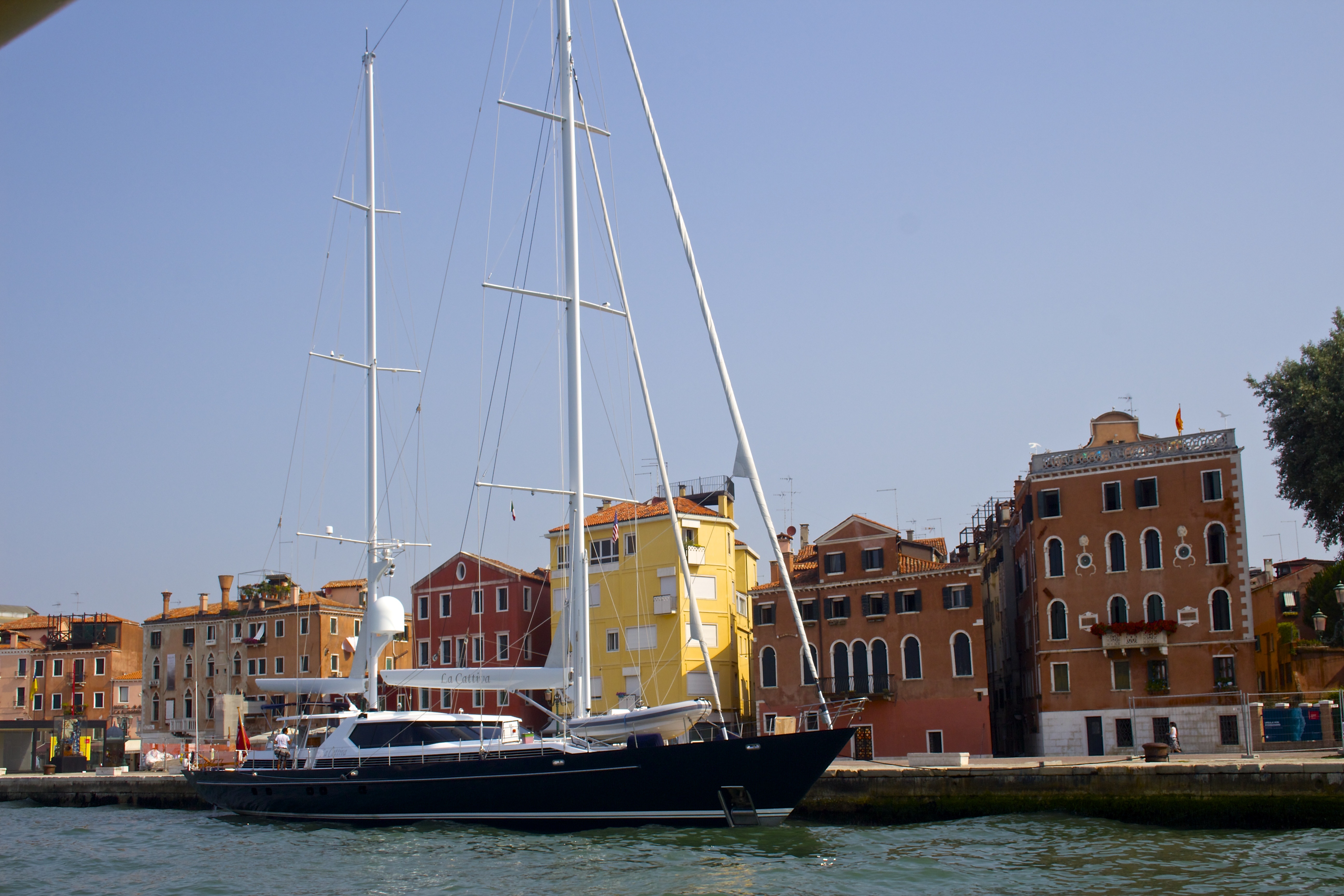
Not so, as the Guardian’s Charlotte Higgins discovered when interviewing Enwezor. “I don’t think that Marx, had he lived, would have wanted capitalism to end,” he perplexed her by saying, admitting to not having read Das Kapital. She feels that what the exhibition engages with is not the philosophical implications, but the sociological, admitting its recognition of “Art as labour; art as an investigation of labour; the changing nature of labour; conditions of labour as a sign of global inequality”, which is true, but mechanistic. There is much made of the artist as craftsman, and art as statement, but little of art as supreme achievement.
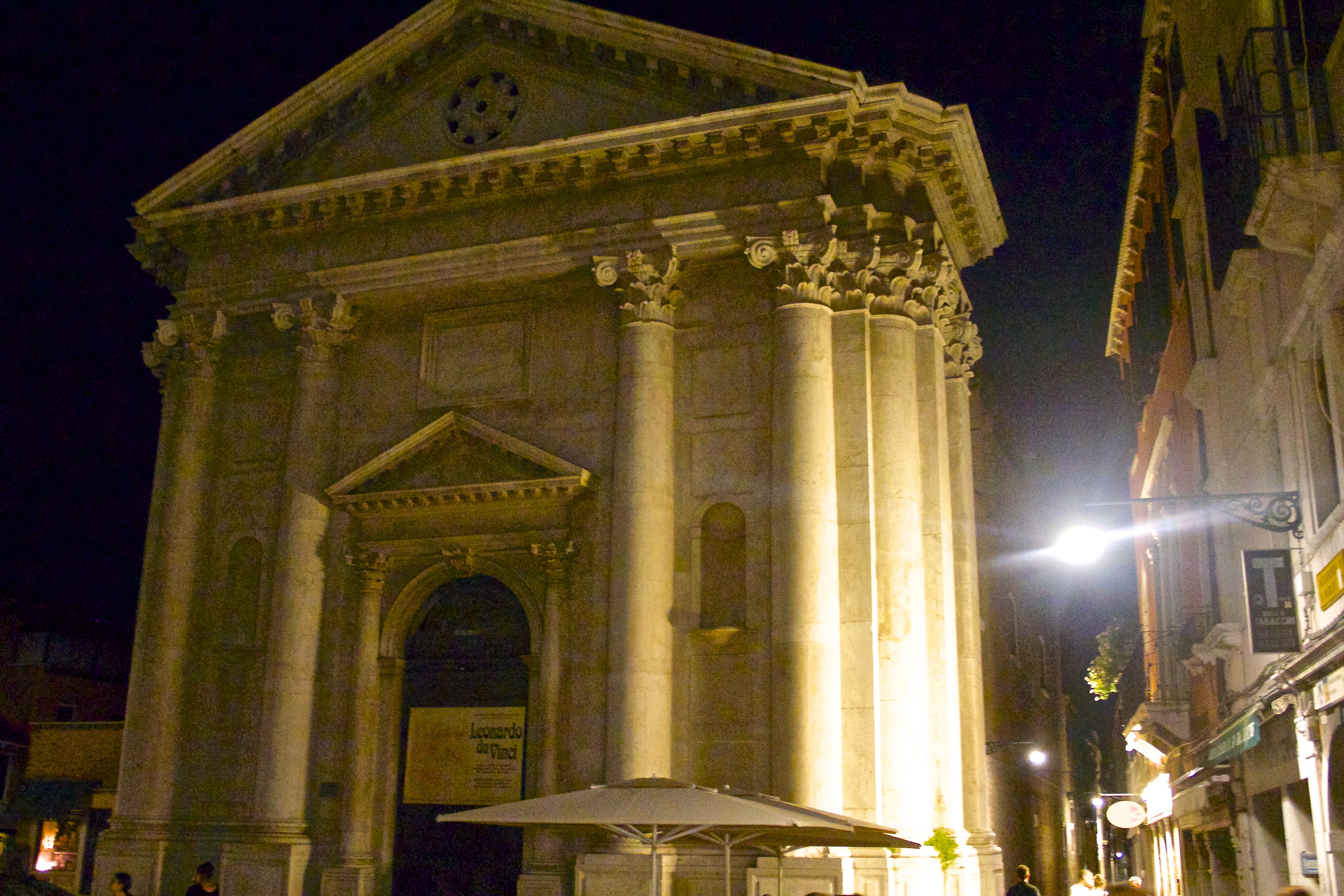
We ended the evening with a glass of wine beneath the magnificent portico of the deconsecrated church of St Barnaba in Dorsoduro. It was used as a library in Indiana Jones and the Last Crusade but, much more importantly, was the backdrop to the canal into which Katharine Hepburn fell in David Lean’s Summertime (1955), permanently damaging her eyesight.
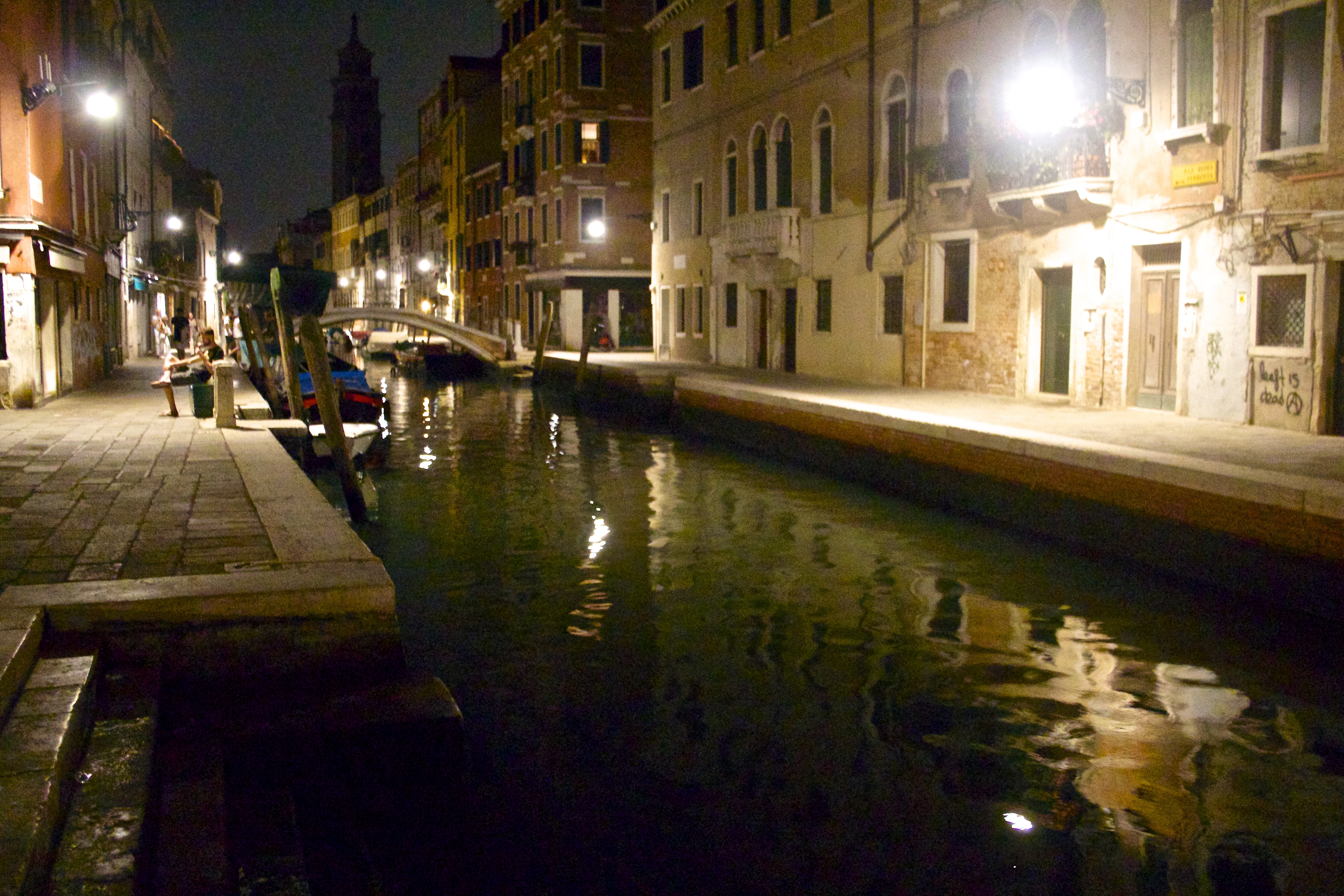
Poor her. I cannot imagine a place in which I would regret any loss of sight more. Venice for me remains one of the wonders of the world and no hordes of tourists can diminish its appeal. There are ongoing arguments here about the future of those humungous cruise ships which can block out the skyline and sight of San Marco, and there is even a move to ban wheeled suitcases, whose tiresome rattle reverberates down Venice’s alleyways day and night. But, less than a hundred yards away from San Marco, you can be alone on a quiet canal and, at evening on Dorsoduro, the only thing to ripple the water is the laughter of the students who live here. It is one of the very few cities to which I will continue to return.

