
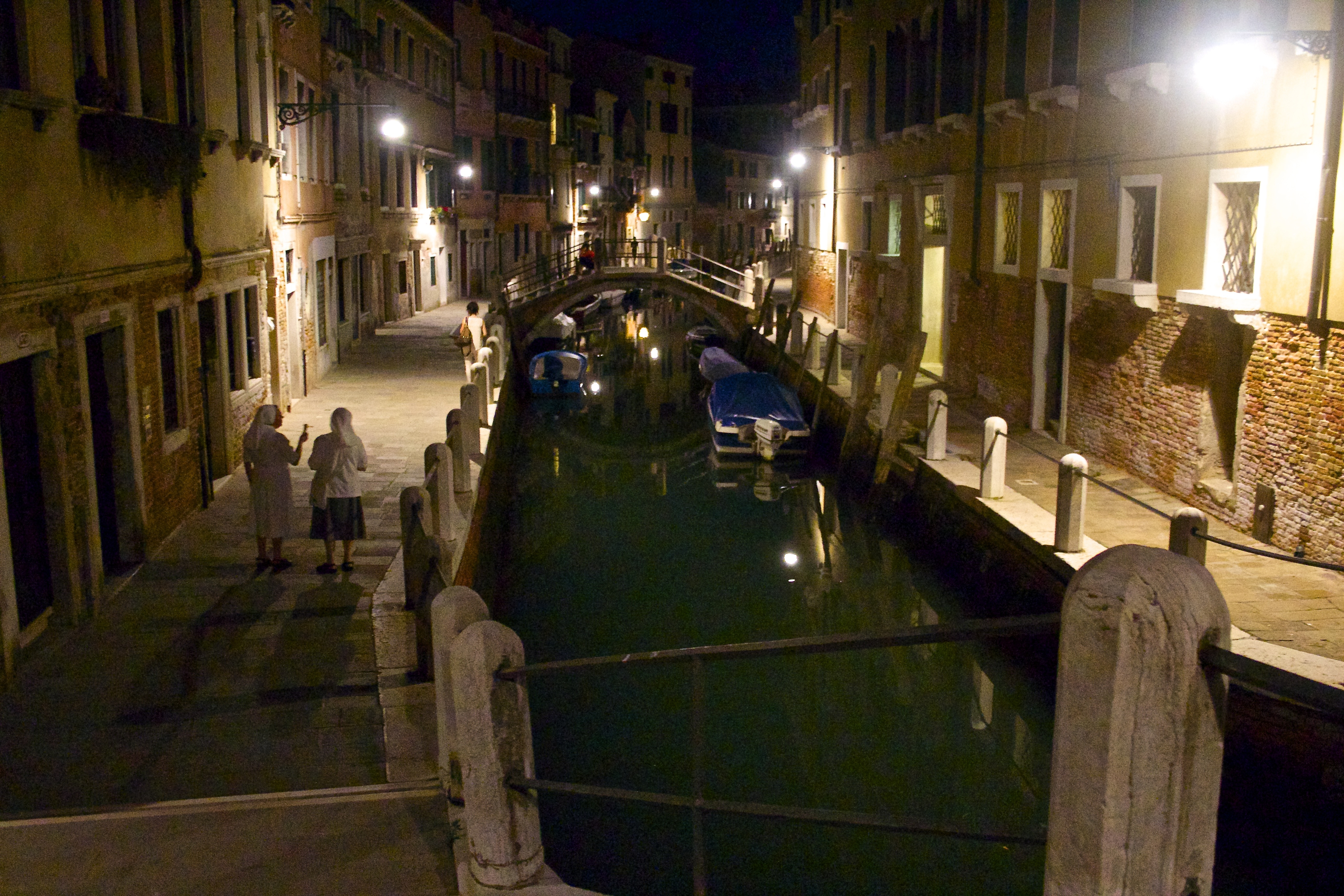
Bumped into these two nuns surreptitiously licking an ice cream at midnight on their way back to the convent: the Institute of the Immaculate Cornet. Venice was where I effectively ended my road trip in 1968, because I bumped into a party from my old school there who – having lost a teacher to dysentery – had a spare train ticket to get me back to London gratis. So the thumb was retracted after some 6,000 miles and I travelled home in some comfort. But this year the journey continues by road – and the day we left a tornado ravaged the outskirts of Venice, wreaking destruction and death.
Driving the A4 autostrada from Venice to Milan over the last two days, there has been little evidence of Italy following Greece into an economic meltdown. The inner lanes are jam-packed with loaded artics on this busiest of Italian motorways, with one blowing a tyre at speed today, part of its shredded rubber smacking my car. Three times in 200 miles we have been held up for some time by major road traffic accidents, not necessarily caused by the testosterone-seared locals weaving their cretinous crochet across the lanes. One was a truck which had simply burned out, a potent symbol for some aspects of the economy.

The Italian government has had to endure a fusillade of right-wing support for Greece’s Syriza facing down the European troika (European Central Bank, European Commission and International Monetary Fund) with the Northern League’s and Five Star Movement’s retrograde opposition to the euro. Italy is emerging slowly from recession, but with more than double the number of corporate insolvencies since 2007 burdening banks’ loan books with bad debt – €325 billion of impaired loans as of last December. Italy’s sclerotic civil court system grinds as slow as the case of Jarndyce versus Jarndyce in Dickens’ Bleak House. The Italian government has now has come up with an emergency decree to unblock the backlog of bad loans. Last week’s Economist tells us
In medieval Italy, when a merchant did not pay his debts, the bench at which he conducted business was smashed to force him to stop trading. The word “bankrupt” derives from banco rotto, meaning “broken bench”.
Nowadays, bent businessmen merely set up a new company under their wife’s name and carry on trading with no relief for their creditors.
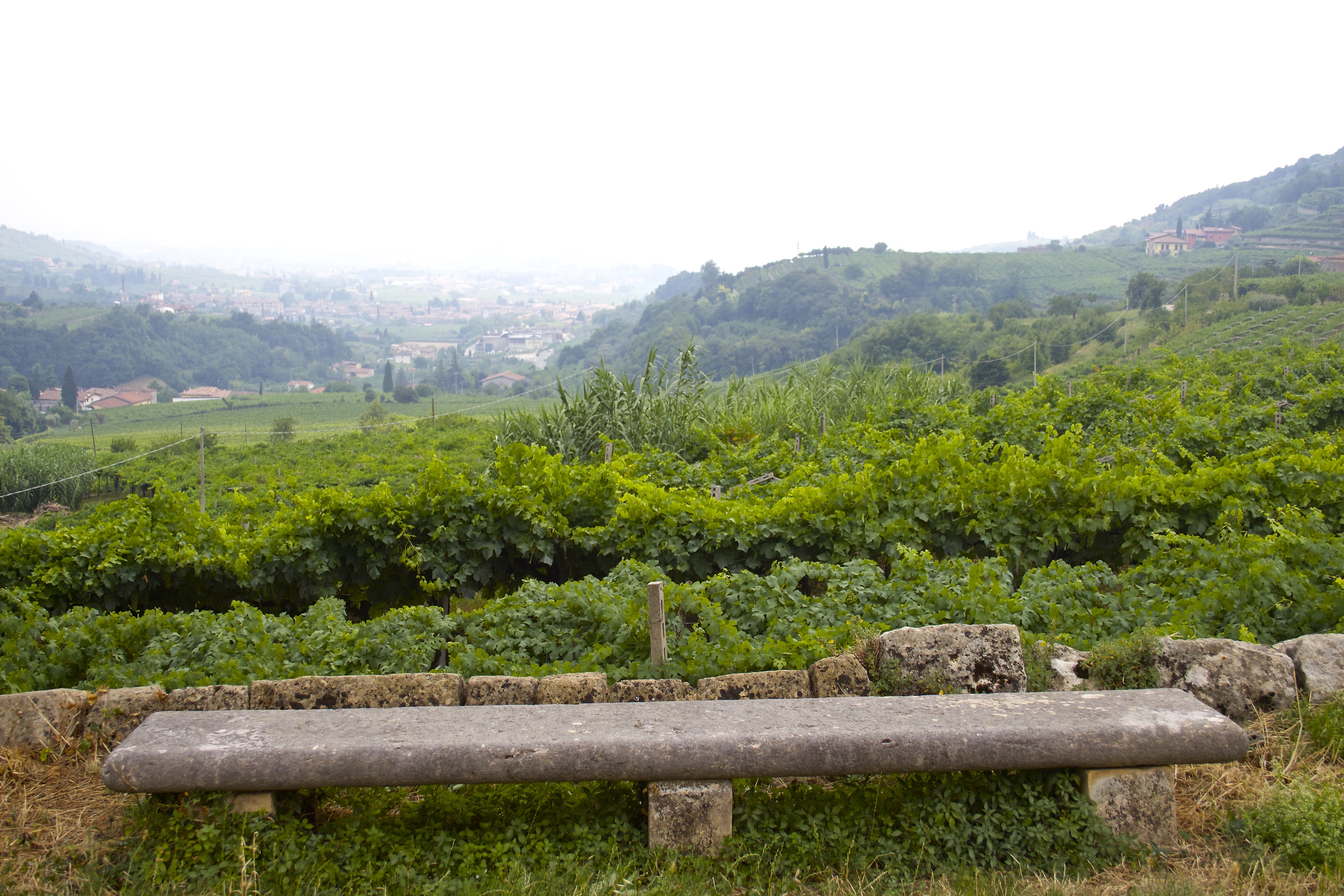
This bench is made of stone and supported our ample posteriors and picnic lunch in the vineyards of Valpolicella. We stayed in a restored 15th century farmhouse, now turned into two Pianaura Suites by its designer-owners Mara and Filippo, he a doctor who would rather have been a garden designer.
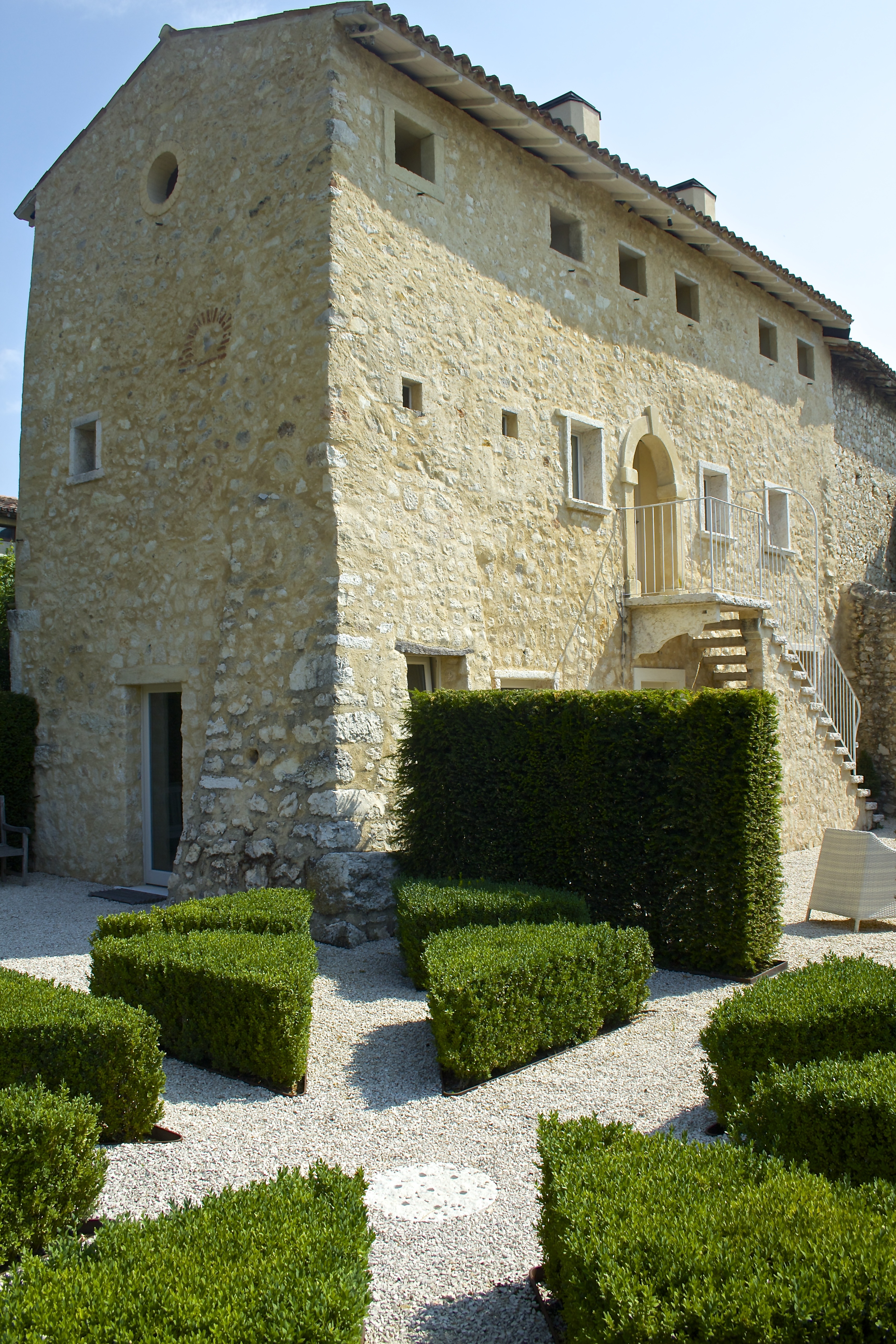
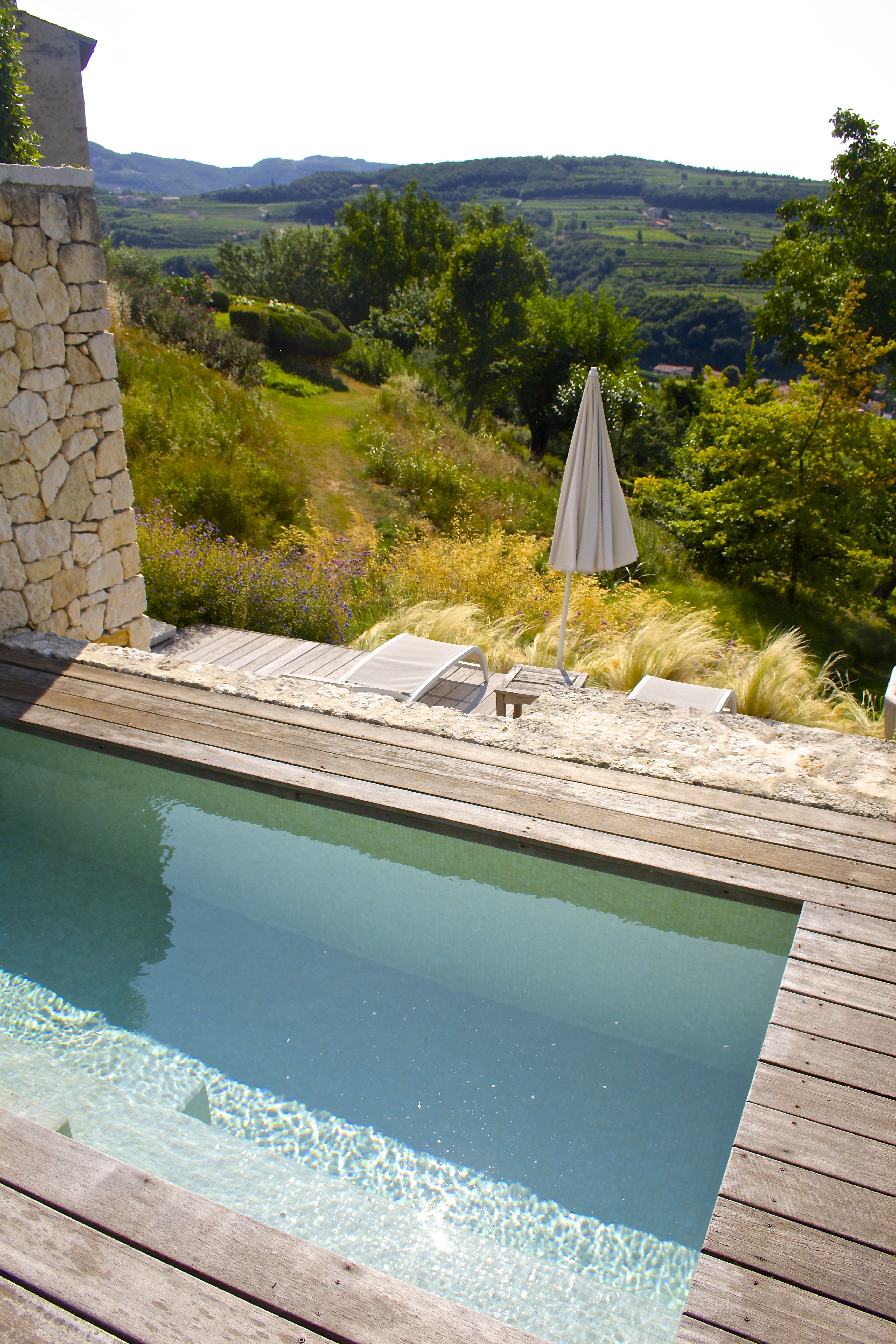
Theirs is an idyllic oasis in the middle of the Marano valley, which has more than 30 vineyards producing their own wine. Amarone is the king around here and is the basis of the best risotto, but the Valpolicella produced using the ripasso method – Valpolicella (Corvina, Rondinella and occasionally Molinara grapes) is ‘re-passed’ over the grape-skins left over from producing the Amarone, causing a secondary fermentation – is the better buy currently clogging up my car’s back seat. The difficulty is keeping it safe from the soaring temperatures.

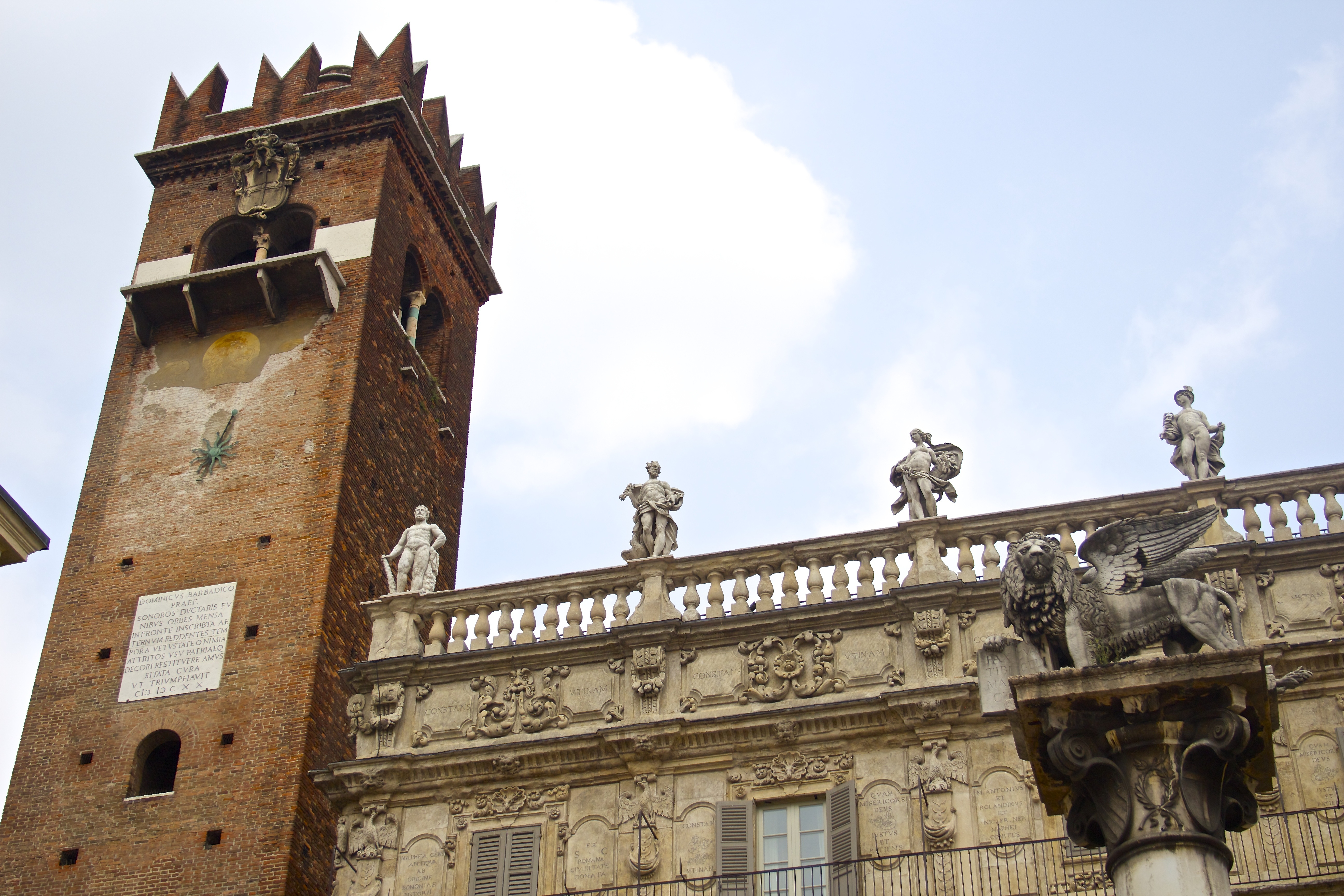
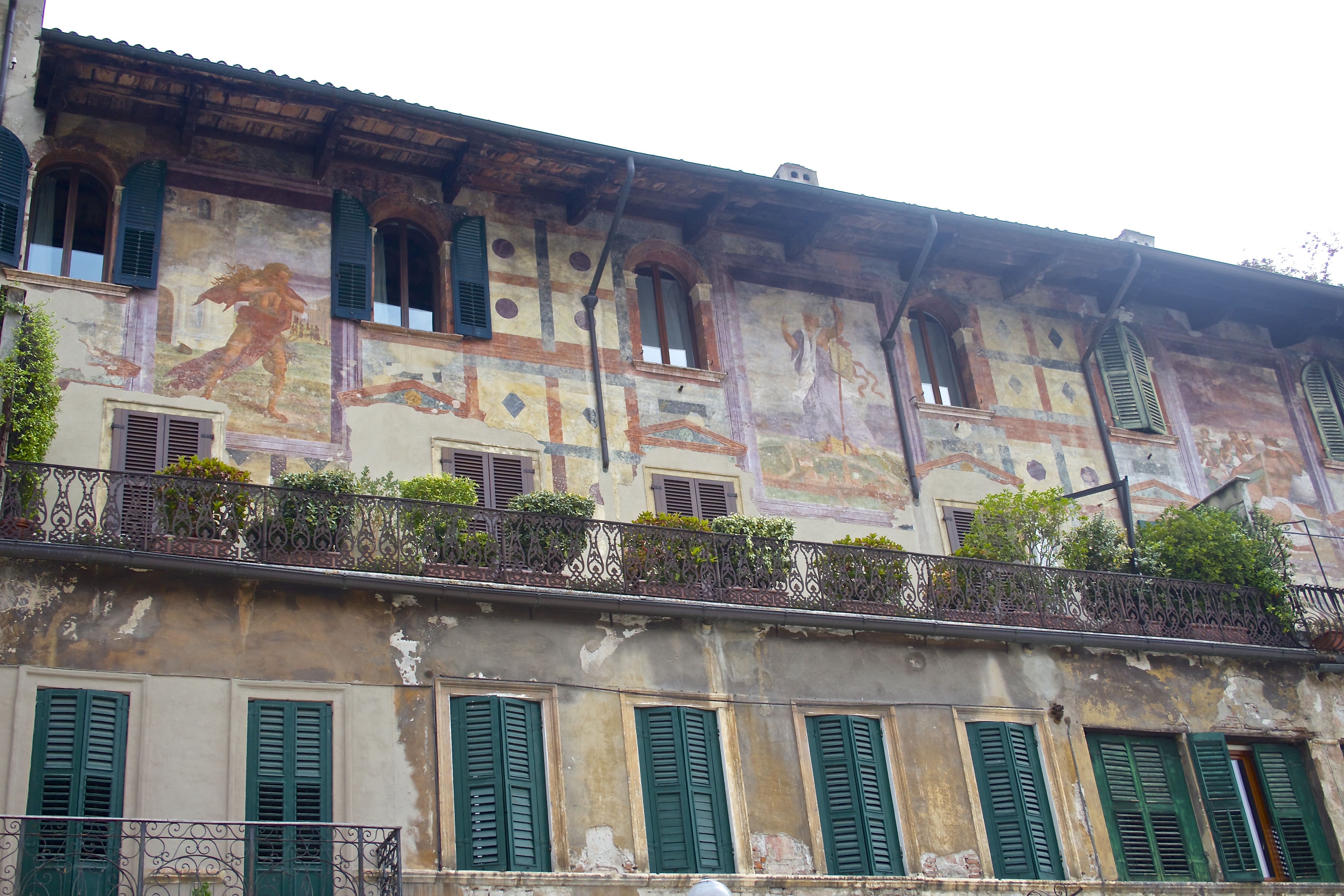

Earlier, we had made a visit to Verona, which was sweltering and swarming with tourists. It is visually stunning, home to three of Shakespeare’s best-known plays (Romeo and Juliet, The Taming of the Shrew and Two Gentleman of Verona) and to the proto-fascist Northern League. Whilst southern Italy carries the burden of rescuing thousands of migrants from the sea, it is northern Italy which makes political capital from fears of a flood. Yet 2000 years ago, this was part of a Roman empire which embraced much of northern Africa.

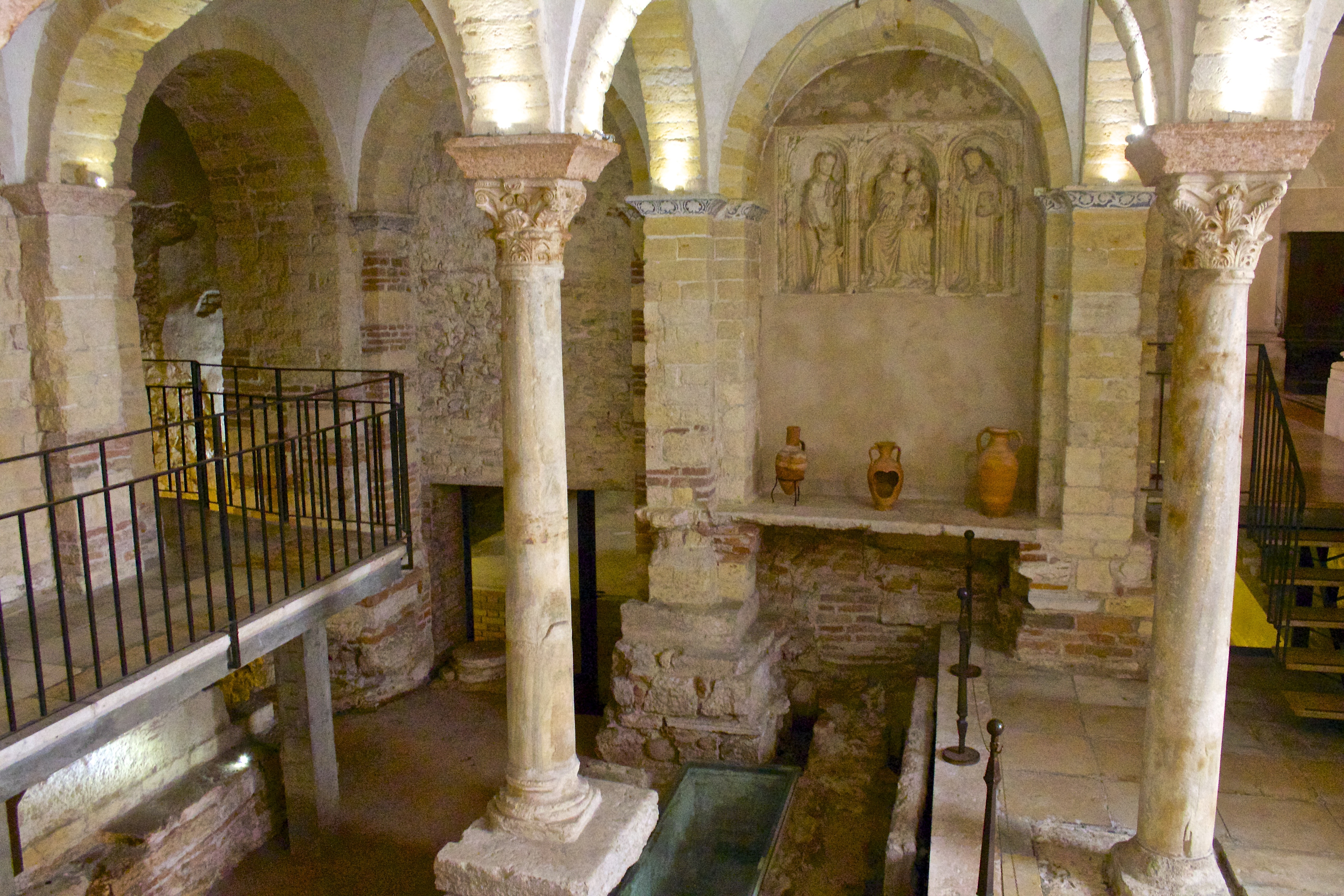
The cathedral (Il Duomo) reveals it – or at least its attendant chapels – is built on Roman remains, as is the city as a whole, and Verona’s Roman Arena is world famous for its opera.
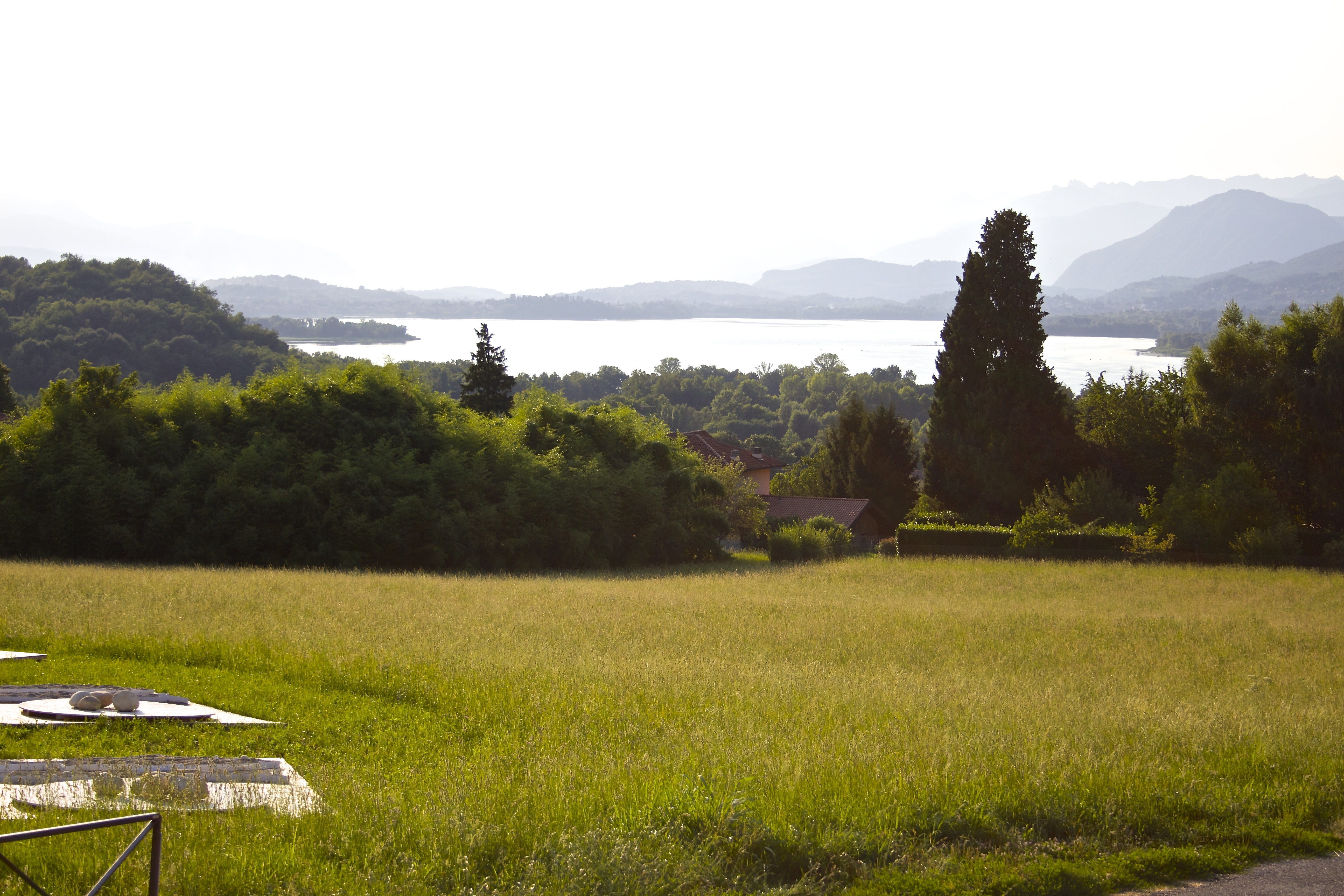
Today we end up in Azzate, overlooking Lake Varese, in the faded grandeur of the Locanda Mai Intees, once an entire 15th century village, complete with pharmacy, post office and grain store. Now it is hard to find a member of staff, but the food remains good Lombard cuisine.
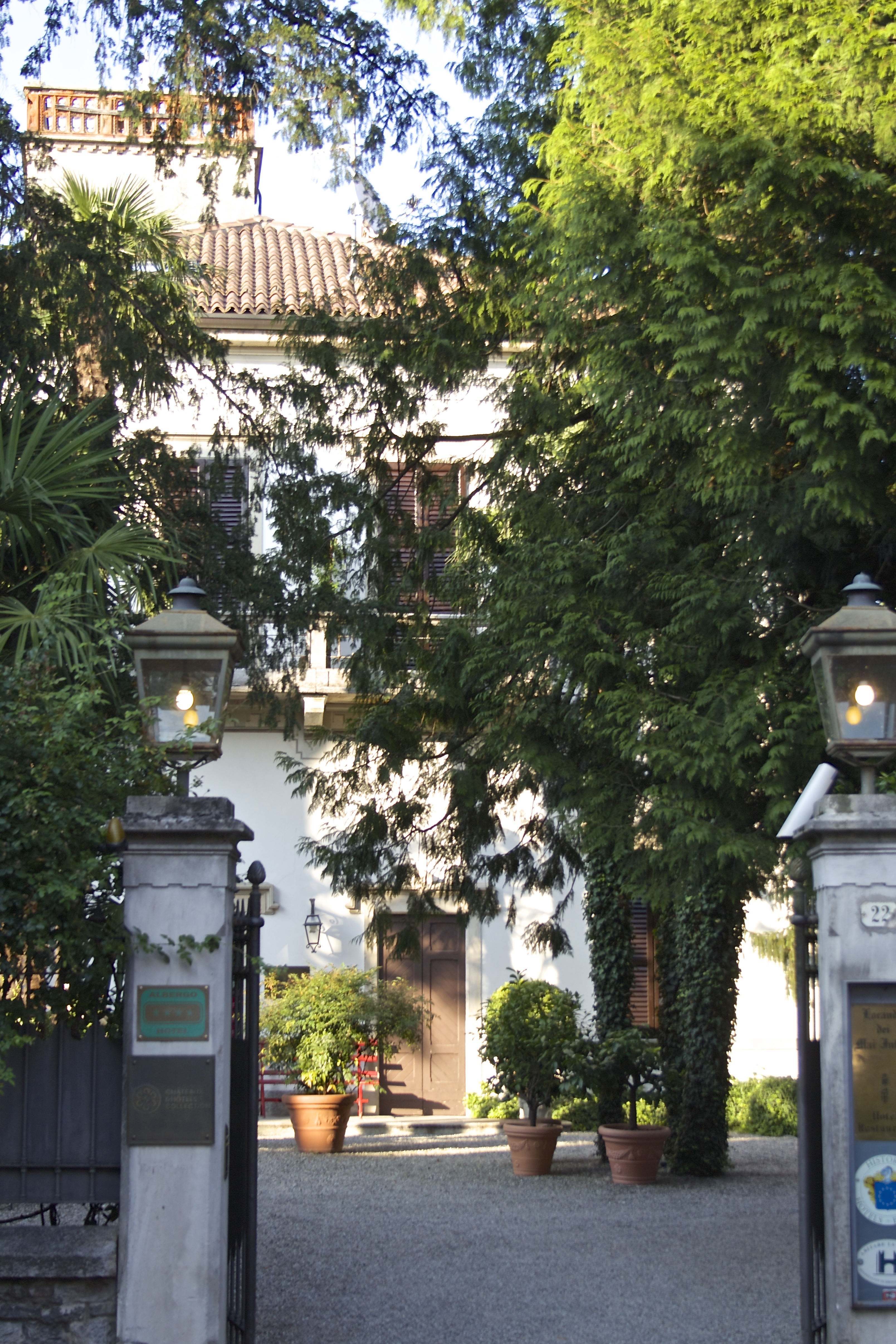
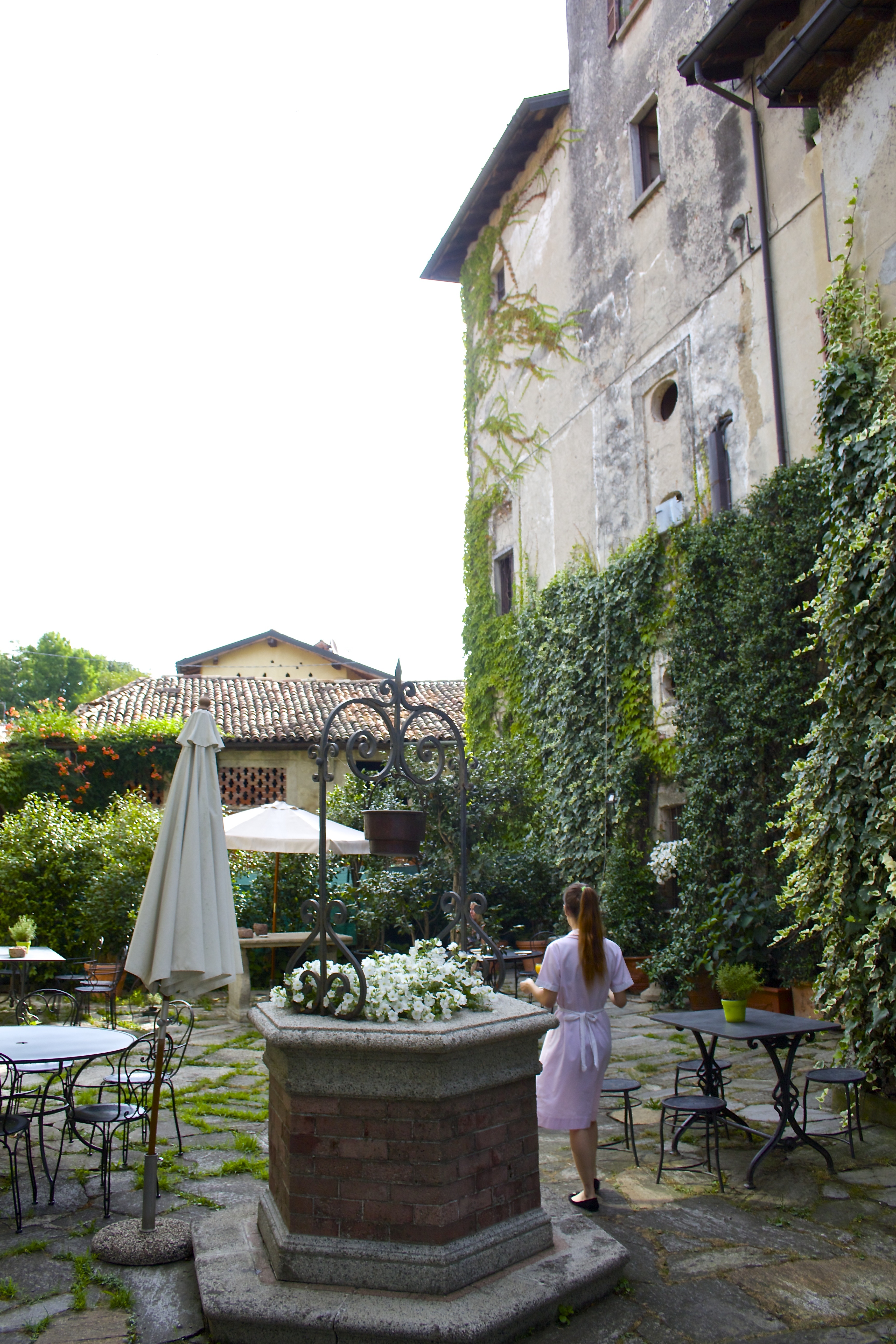
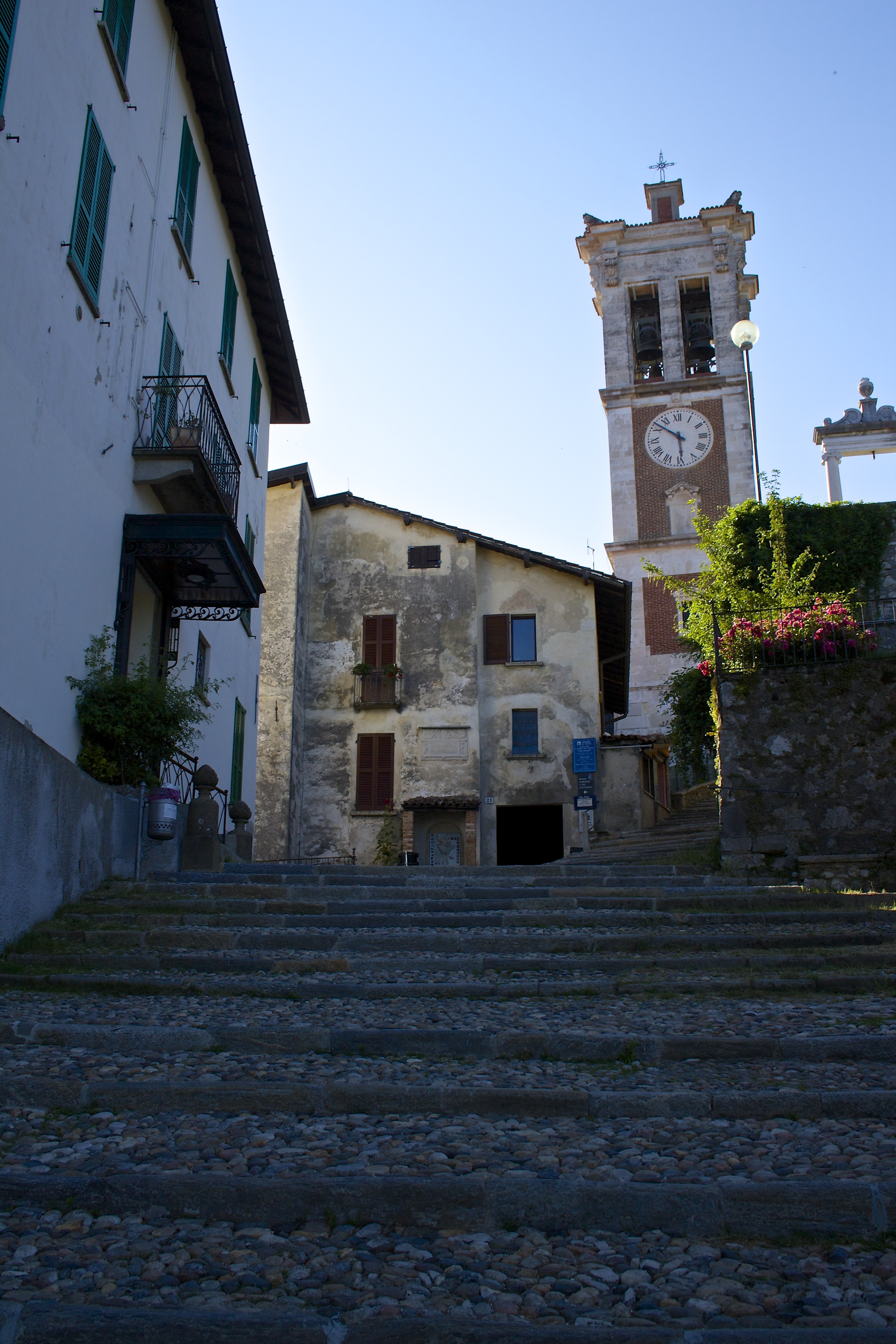
From here we visit Santa Maria del Monte, a 17th century hilltop village, whose church was designed as the fifteenth chapel on a two-kilometre pilgrims’ way, today still attempted not on foot, but on bike. We saw many lycra’d men essaying this climb, completing the ascent over pebbles like the supplicants of old. It reminded us of Bradley Wiggins’ heroic tale of determination to beat the odds.

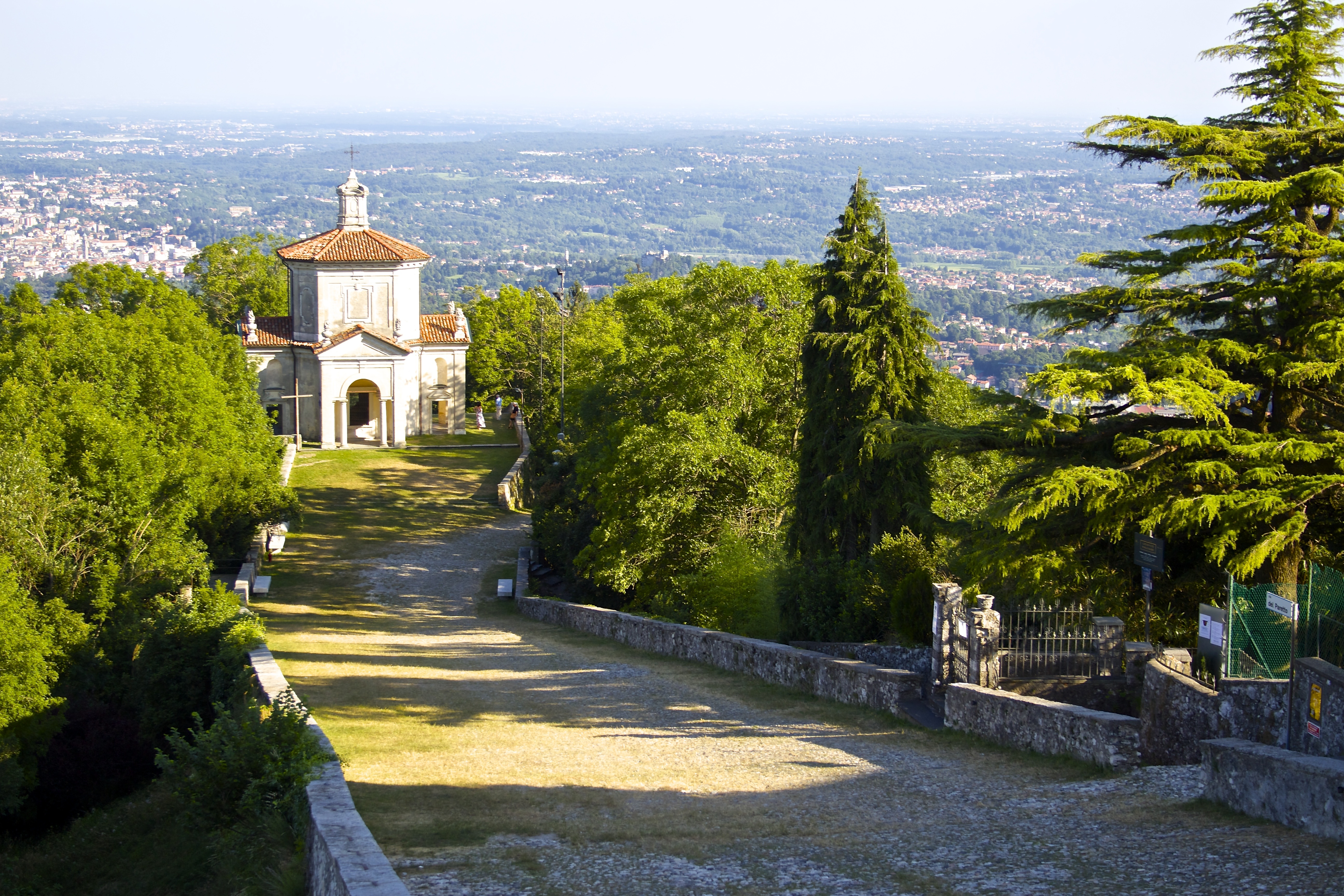
This place has had a big fillip recently, due to it being close to the birthplace of one Giovanni Battista Enrico Antonio Maria Montini, better known and lovingly revered as Pope Paul VI, who was beatified last December. They are currently running a series of religious performances which also seem well attended.
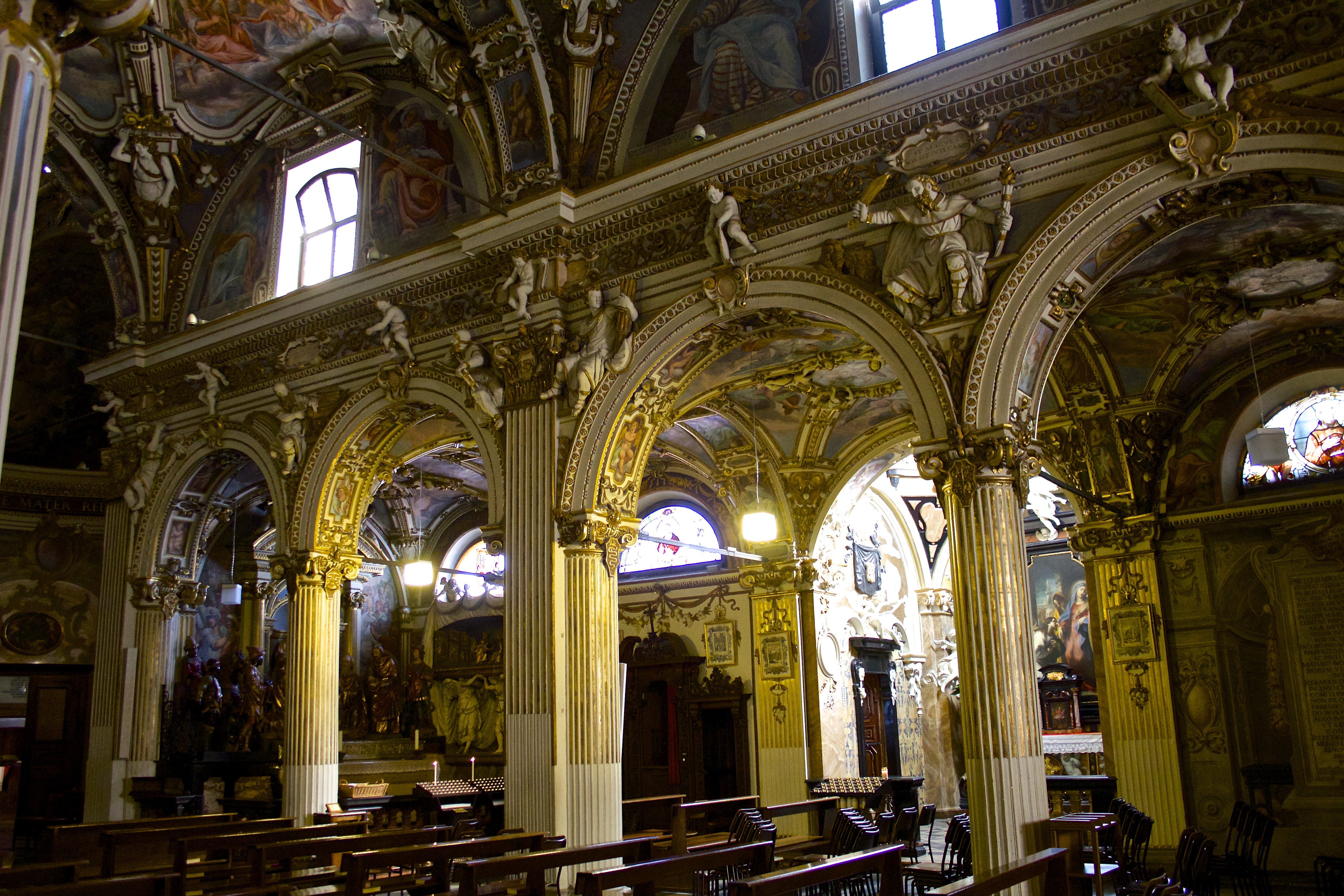

This 1986 statue of him, apparently flying up to heaven, is a reminder of how powerful the Church remains in these parts, even if the locals are less respectful of all their cultural icons.

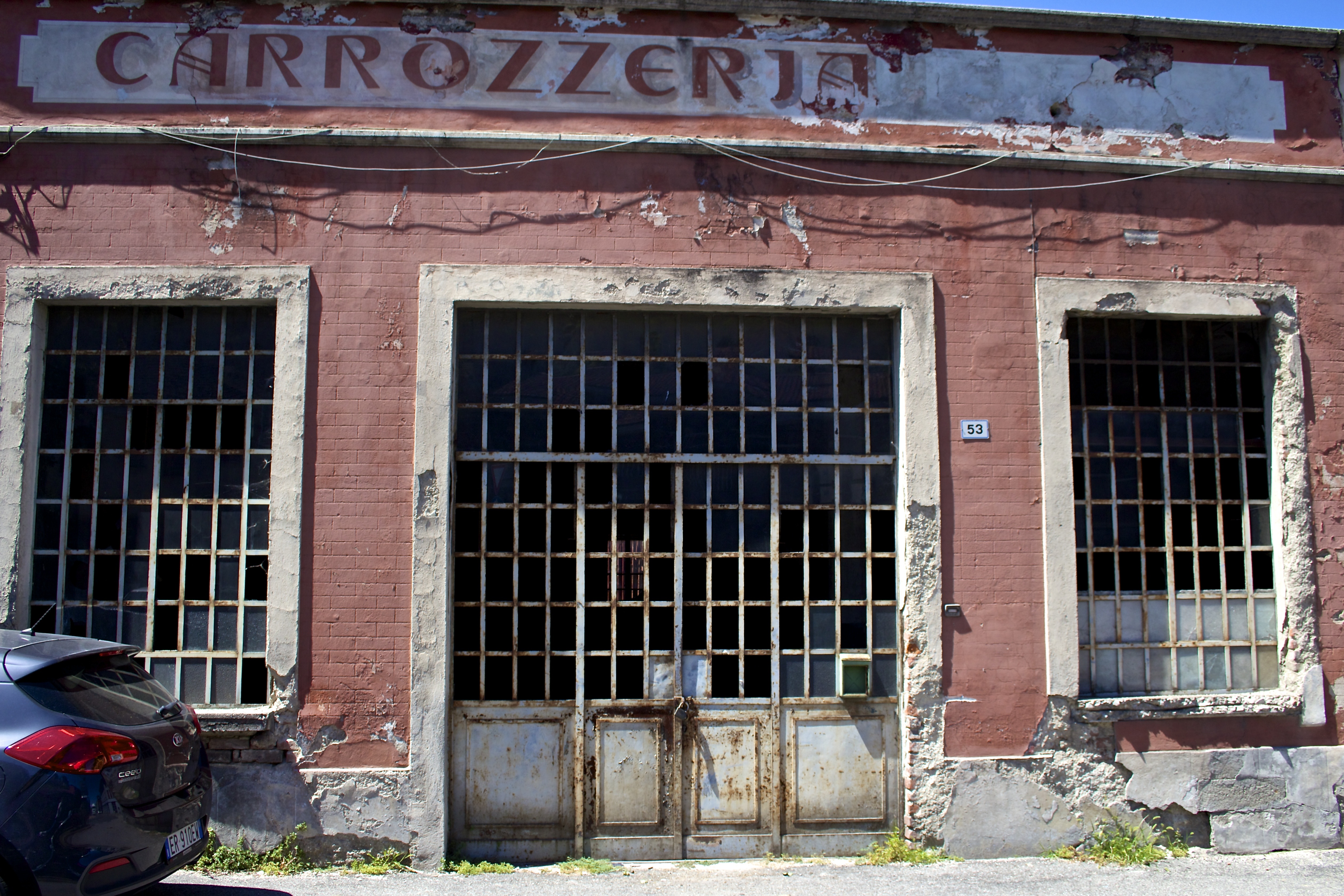
But there are still signs that not all is well in the Italian economy, not all able to drive top-end automobiles at high speed, not all businesses booming, as this sad, defunct car body shop shows.
 peterleewright.com